India-UN Development Partnership Fund Board Advances Results, Partnerships and Impact


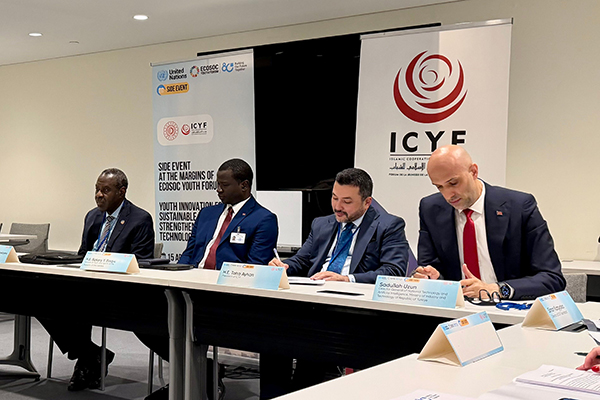
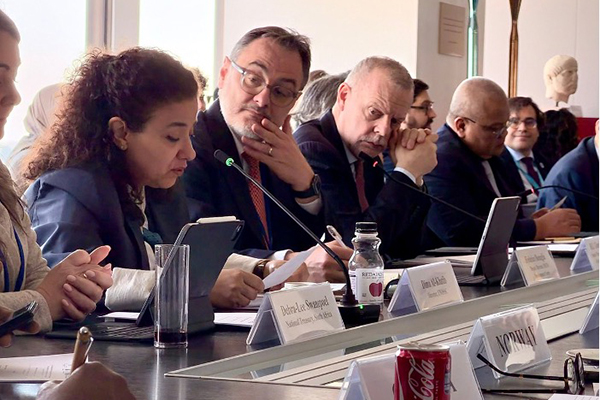
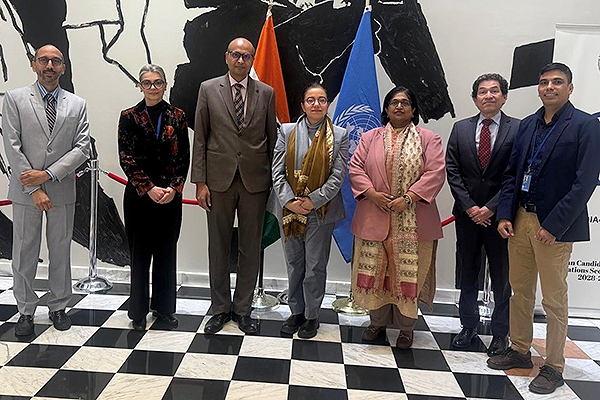
The Board of Directors of the India-UN Development Partnership Fund met at the Permanent Mission of India to the United Nations 2 April 2026 to advance the Fund’s strategic direction and further strengthen its delivery of sustainable development results. The United Nations Office for South-South Cooperation (UNOSSC) serves as the Fund Manager and Secretariat of the Board.

Since its establishment in 2017, the India-UN Development Partnership Fund has emerged as a leading platform for countries of the Global South to co-develop and implement solutions that respond directly to national priorities. Through a demand-driven and locally led approach, the Fund has allocated $73 million – $39 million under the General Window and $34 million under the Commonwealth Window – to 92 projects across 65 countries, in collaboration with 13 United Nations entities. With a strong focus on least developed countries (LDCs), landlocked developing countries (LLDCs), and small island developing States (SIDS), the Fund reflects a commitment to reaching those facing the greatest development challenges.

Across regions and sectors, the Fund is delivering tangible results. From expanding digital access and strengthening infrastructure to enhancing health, education, and climate resilience, projects are translating local knowledge into scalable solutions. In Zambia, for example, more than 34,000 users – 72 per cent women and 50 per cent youth – have adopted digital payment systems for essential services, while thousands have gained mobile money literacy. In Malawi, support for financial inclusion frameworks and digital identity systems is helping to advance inclusive digital economies.

In the Caribbean, the Fund is supporting a regional effort to strengthen maternal and child health through the elimination of mother-to-child transmission (EMTCT) of infectious diseases. Implemented by the Pan American Health Organization/World Health Organization (PAHO/WHO) in partnership with national authorities, the initiative is helping countries sustain and expand hard-won gains in eliminating HIV and syphilis transmission, while addressing emerging health priorities. By strengthening leadership, laboratory systems, and surveillance, the project is reinforcing integrated health services and expanding access to timely diagnosis and treatment—demonstrating the value of South-South cooperation in advancing shared health outcomes. In Lao PDR, the Fund is also supporting efforts to address hunger through large-scale rice fortification. Implemented by the World Food Programme (WFP) in partnership with the Ministry of Health, the initiative is expanding access to essential micronutrients by fortifying a widely consumed staple food. By integrating iron, vitamin A and zinc into daily diets, the project is helping to improve health outcomes for women and children while strengthening national food systems. Drawing on South-South cooperation, including lessons from India’s extensive rice fortification programme, the initiative combines policy development, technical capacity-building, and community engagement. As pilot models are rolled out and fortified rice begins reaching schools and communities, the project represents a scalable and sustainable approach to improving nutrition and advancing long-term development outcomes.

At its core, the Fund embodies the principles of South-South cooperation – solidarity, mutual respect, and shared progress. Countries are not only beneficiaries but equal partners, contributing expertise, innovation, and resources. This collaborative approach is helping to build resilience, expand opportunity, and accelerate progress towards the Sustainable Development Goals (SDGs).

Discussions during the meeting reaffirmed the importance of strengthening results-based management, enhancing monitoring and reporting systems, and ensuring that evidence continues to guide programme delivery. Board members also highlighted the growing importance of visibility and knowledge sharing to amplify impact and promote the exchange of good practices across countries.

Looking ahead, the Board endorsed a series of forward-looking actions, including enhanced communications efforts and a joint independent assessment of the Fund. These steps will further position the India–UN Development Partnership Fund as a dynamic instrument for advancing South-South cooperation and delivering sustainable development impact at scale.

Board members included H.E. Dr. Acquino Vimal, Joint Secretary, United Nations Economic and Social Division, Ministry of External Affairs, New Delhi; H.E. Ms. Yojna Patel, Deputy Permanent Representative of India to the United Nations in New York; and Ms. Dima Al-Khatib, Director of UNOSSC.
Related Post


  • All Post
  • Agriculture and Food Security Publications
  • ATCT Featured Publications POM
  • BAPA+40
  • Blog
  • Capacity Development Initiatives
  • CASS Featured Publications POM
  • CICETE Featured Publications POM
  • CIKD
  • Cities Clusters - Agriculture
  • Cities Clusters - COVID-19
  • Cities Clusters - COVID-19 Knowledge Products
  • Cities Clusters - DRR
  • Cities Clusters - DRR Knowledge Products
  • Cities Clusters - E-commerce
  • Cities Clusters - E-commerce Knowledge Products
  • Cities Clusters - Tourism
  • Cities Clusters - Tourism Knowledge Products
  • Cities Clusters - Transport
  • Cities Clusters - Waste
  • Cities Project
  • Cities Project COVID-19 Newsletters
  • Cities Project COVID-19 Response
  • Cities Project Knowledge Products
  • Classic (untouched)
  • Climate Action
  • Climate Publications
  • COMSATS Featured Publications POM
  • COMSATS Featured Solutions POM
  • Converted from Divi
  • Converted from Mixed
  • Converted from WPBakery
  • COVID-19
  • COVID-19 Page Featured Solutions
  • DRR Knowledge Products
  • DRR News
  • Empty Post
  • ESCWA Featured Publications POM
  • Events
  • FAO Featured Publications POM
  • Featured Event UN-Habitat POM
  • Featured Partner Publications Panama
  • Financing for Development
  • Financing Mechanisms
  • g7+
  • Gender Events
  • Gender News
  • Gender Publications
  • Good Practices in SSTrC Series
  • Good Practices Publications
  • Good Practices Thematic Series & Special Editions
  • Good Practices Vol. 2
  • Good Practices Vol. 3
  • GSSDC
  • Handbook
  • Highlighted
  • Highlighted Publications
  • IAEA Featured Solutions POM
  • IBRAF Featured Publications POM
  • IBSA Fund
  • IBSA Fund Annual Reports
  • IBSA Fund News and Stories
  • IBSA Fund Publication
  • IBSA Fund Story
  • ICGEB Featured Events POM
  • ICGEB Featured Publications POM
  • ICGEB Featured Solutions POM
  • IFAD Featured Publications POM
  • ILO Featured Events POM
  • ILO Featured Publications POM
  • ILO Featured Solutions POM
  • India-UN Development Partnership Fund
  • India-UN Fund Publication
  • India-UN Fund Story
  • IsDB
  • IsDB Featured Publications POM
  • IsDB SCC
  • News
  • Norec Featured Publications POM
  • Norec Featured Solutions POM
  • PAHO Featured Publications POM
  • Peace and Development
  • PGTF Publications
  • PGTF Story
  • PICA Featured News POM
  • PICA Featured Publications POM
  • PICA Featured Solutions POM
  • PIDF Featured Publications POM
  • Policy Brief
  • PPD Featured Publications POM
  • Publications
  • Regional Updates
  • Report
  • Research
  • ROK-UNOSSC Facility
  • SCP Featured Publications POM
  • SGP Featured Publication POM
  • SGP Featured Solutions POM
  • Solution
  • South South in Action
  • South-South Global Thinkers
  • South-South Ideas
  • South-South Ideas Series
  • South-South in Action Series
  • Southern Response to COVID-19
  • SSN4PSI Featured Publications POM
  • SSN4PSI Featured Solutions POM
  • Survey
  • TIKA Featured Publications pom
  • Training
  • UN Day for SSC 2020
  • UN Fund for SSC
  • UN SSC Day Publications
  • UN-Habitat Featured Publications POM
  • UN-HABITAT Featured Solutions POM
  • UNCCT
  • UNCDF Featured Publications POM
  • UNEP Featured Publications POM
  • UNESCAP Featured Publications POM
  • UNESCO Featured Publications POM
  • UNFPA
  • UNFSSC Publication
  • UNFSSC Story
  • UNIDO Featured Publications POM
  • UNIDO Featured Solutions POM
  • UNIDO POM Events
  • UNOCT Featured Publications POM
  • UNOHRLLS Featured Publications POM
  • UNV
  • UNV Featured Publications POM
  • WB Featured Publications POM
  • WB Featured Solutions POM
  • Webinars
  • WFP Featured Events POM
  • WFP Featured Publication POM
  • WFP Featured Solutions POM
  • WIPO
  • Workshops and Seminars
  • Youth4South
  • z Across the Globe 1
  • z Across the Globe 2
  • z Across the Globe 4
  • z Across the Globe 5
  • z Across the Globe 6
  • z Across the Globe 7
  • z Across the Globe 8
  • z ES BAPA+40
  • z ES Eventos
  • z ES Noticias
  • z ES Noticias Destacadas
  • z ES Publicaciones
  • z ES Publicaciones Destacadas
  • z ES Serie Buenas Prácticas en la CSSyT
  • z ES Serie El Sur-Sur en Acción
  • z FR Actualités
  • z FR BAPA+40
  • z FR Événements
  • z FR Publications
  • z FR Publications en vedette
  • z FR Série Bonnes pratiques en CSST
  • z FR Série Sud-Sud en action
  • z Highlighted News
  • z Photos
  • z Videos
  • z ZH BAPA+40
  • z ZH Events
  • z ZH News

Connect with UNOSSC

Stay updated with the latest trends in South-South cooperation and access our vast repository of knowledge.

Copyright © UNOSSC/UNDP

Alliance Application Form

Submit an Expression of Interest and/or Demand Signal. UNOSSC reviews submissions on a rolling basis.

1. Official name of organization / institution / government entity (exclusions to apply) *
Organization logo
Maximum file size: 20 MB
2. Country *
3. Region *
4. Select relevant SDGs *
5. Partner category *
6. Website *
7. Brief description of your institution (max. 150 words) *
Name for the Lead *
Title for the Lead *
Email address for the Lead *
Name for the co-lead
Title for the co-lead
Email address for the co-lead
Section 3. Expression of Interest in the Alliance *
Additional information on proposed areas of engagement may be requested through the platform following initial review by the Alliance Secretariat.
Section 4. Due Diligence and Integrity Declaration *

Submission Note:

  • Submission of this Expression of Interest form does not automatically confer participation in the Alliance.
  • All submissions will be reviewed by the Alliance Secretariat, including basic eligibility screening and proportionate due diligence, as appropriate.
  • Participation in Alliance activities is determined based on relevance to articulated cooperation needs, alignment with Alliance principles, and integrity considerations.
  • Engagement under the Alliance is voluntary, non-binding, and facilitative in nature, and does not constitute funding approval, contractual commitment, or institutional membership.
  • The Alliance Secretariat may contact submitting entities for additional information or clarification during the review process.

Submission of Demand Form

Description of Demand

Indicate the type of support or cooperation requested through the Alliance.
Please briefly describe the challenge, gap, or priority. (Max. 300 words)

Thematic and Geographic Focus

Please indicate the main focus areas of your demand:

A. Thematic Areas (select up to three)
B. Geographic Focus (select all that apply)

Proposed Engagement Modalities

Please indicate how you would like to engage through the Alliance (select all that apply):

Expected Outcomes

Please indicate the main results you seek to achieve through this engagement. (Max. 200 words)
Examples:
• Capacity strengthened
• Partnerships established
• Sectoral or regional strategies co-developed
• Solutions piloted
• Knowledge generated
• Policies informed

Timeline and Readiness (if applicable)

1. Expected timeframe for engagement:
2. Current stage:

Additional Information

Please provide any additional information, documents, or links relevant to this submission.
(Max. 200 words or upload link)

Submission of Offer Form

Description of Contribution

Indicate the type of contribution your institution can provide and describe the expertise, resources, or solutions you may offer.
Please briefly describe your proposed contribution. (Max. 300 words)

Thematic and Geographic Focus

Please indicate the main focus areas of your interest:

A. Thematic Areas (select up to three)
B. Geographic Focus (select all that apply)

Proposed Engagement Modalities

Please indicate how you would like to engage through the Alliance (select all that apply):

Expected Outcomes

Please indicate the main results you aim to achieve through this engagement. (Max. 200 words)
Examples:
• Capacity strengthened
• Partnerships established
• Sectoral or regional strategies co-developed
• Solutions piloted
• Knowledge generated
• Policies informed

Timeline and Readiness (if applicable)

1. Expected timeframe for engagement:
2. Current stage:

Additional Information

Please provide any additional information, documents, or links relevant to this submission.
(Max. 200 words or upload link)

Organization Registration

Authentication & Due Diligence This prototype simulates identity verification, due diligence confirmation, and an authentication step before submission. *

First Name *
Last Name *
Email address *
Password *
Confirm Password *
Name of institution / organization *
Country / Region *
Organization Type *
Organization other *
Function / role *
Organization logo *
Maximum file size: 1 GB

Login

Login / email *
Password *
Remember me

Forgot password?

Connect form

Your name *
Email *
Organization / institution *
Job title / role *
Reason for connecting:
Short message

Create Meeting Room

Purpose:
Use this form to create a virtual meeting room to consult with experts and partners on specific thematic areas. A coordinator will confirm expert availability and meeting details.

Mandatory Information

Meeting purpose / consultation topic *
Type of meeting *
Main thematic area *
SDG (select multiple)
Expert(s) requested from roster
Brief description of discussion *

Preferred meeting date(s) (up to 3)

Date 1
Date 2
Date 3
Preferred time window *
Time zone *
Requesting institution / organization *

Contact person

Name *
Email *

Optional Information

Related Galaxy item
Urgency level *
Preferred language(s)
Other participants to invite
Additional notes

Knowledge Products form

A. Publication Basics (Mandatory)

Exact Title of the Publication *
Executive Summary *
Submitting Organization *
Publication Available Online *
Direct Link to Publication (if online)

B. Publication Details

Subtitle
Publication Type
Publications Type Other
Year of Publication
Authors / Editors
Key Messages

C. Organizations & Contacts

Partner Organizations

Contact Person

Name
Title
Email

D. Discoverability (Optional)

Topics / Themes
Keywords
SDGs
Geographic Coverage
Language(s)

Good Practices form

SECTION 1. BASIC INFORMATION

Title of the Good Practice *
Name of the Solution(s) *
Short Summary *
max. 60 words
Lead Implementing Institution *
Partner Institutions *
Countries / Territories Involved *
Regions Involved *
Type of Cooperation *

SECTION 2. DEVELOPMENT CONTEXT & SDG ALIGNMENT

Primary SDG(s) Addressed *
SDG Target(s) *
Secondary SDGs (if applicable)
Development Challenge Addressed *
100–150 words

SECTION 3. DESCRIPTION OF THE GOOD PRACTICE & SOLUTION

Objectives of the Good Practice *
max. 100 words
Description of the Solution(s) *
max. 300 words
Innovation Dimension *
max. 150 words

SECTION 4. SOUTH-SOUTH & TRIANGULAR COOPERATION VALUE

South-South Knowledge Exchange *
max. 200 words
Role of Triangular Partners (if applicable)

SECTION 5. PARTICIPATION & GOVERNANCE

Participatory Approach *
max. 150 words
Governance & Institutional Arrangements *

SECTION 6. PRODUCED IMPACT (Partner-Validated)

Description of Produced Impact *
max. 250 words
Quantitative Results *
Qualitative Results
Timeframe of Impact *

SECTION 7. SUSTAINABILITY & SCALABILITY

Sustainability of the Good Practice *
max. 150 words
Replicability & Adaptability of the Solution *
max. 150 words

SECTION 8. RISKS & LESSONS LEARNED

Key Risks and Mitigation Measures
max. 100 words
Lessons Learned *
max. 150 words

SECTION 9. RESOURCES & EVIDENCE

Supporting Materials
Maximum file size: 1 GB
manuals, toolkits, evaluations, media
URL of the Good Practice / Solution

SECTION 10. CONTACT INFORMATION & VALIDATION

Focal Point – Lead Institution

Name *
Title *
Organization *
Email *
Focal Point – Partner Institution (Impact Validation)* (name, title, organization, email) *
Declaration *

Scroll to Top