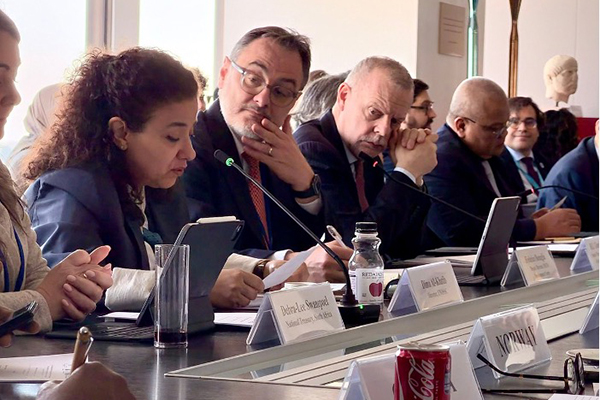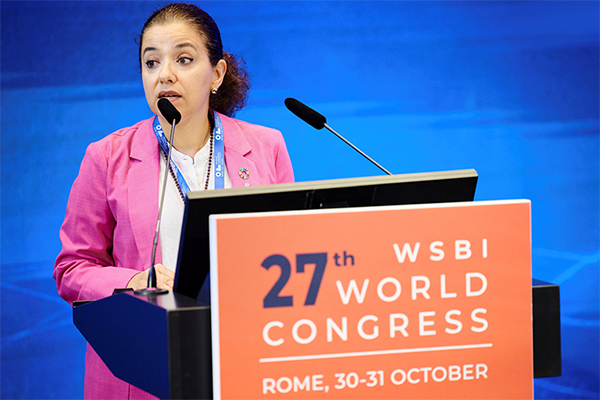
“The $3 trillion annual financing gap remains a significant barrier to sustainable development, an urgent Sustainable Development Goal (SDG) stimulus is needed.” said Dima Al-Khatib, Director of United Nations Office for South-South Cooperation (UNOSSC), in her keynote remarks at the 27th World Savings and Retail Banking Institute (WSBI) World Congress on the occasion of their 100th anniversary.
WSBI represents the interests of 6,760 savings and retail banks around the world. WSBI supports the goal of sustainable, inclusive, balanced growth and job creation by all countries around the world. WSBI members commit to retail, regional and responsible 21s-century banking.
“To date, less than 17% of the targets set under the SDGs are on track to being achieved globally by 2030,” said the UNOSSC Director. “This stark reality is a call for urgent and intensified action.”
“Through this dialogue, we reinforce the importance of financial institutions in supporting inclusive growth, fostering resilience in local economies, and empowering underserved populations. This underscores the power of collaboration—across sectors, borders, and regions,” the Director said. “Development banks and financial institutions are critical in providing long-term, affordable financing for developing countries, in times of multiple crises.”
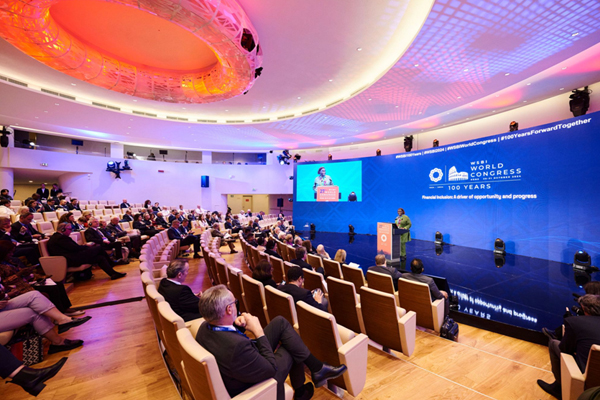 “Today was more than a gathering of minds – it was a gathering of purpose. We have come together to build something that will endure,” said Peter Simon, Managing Director of WSBI-ESBG. WSBI members across the globe are driven by the shared belief that no country or community should be left behind in the pursuit of sustainable and inclusive development.
Panel discussions reaffirmed that the future of banking lies in collective commitment to social and economic equity.
Key Highlights included:
“Today was more than a gathering of minds – it was a gathering of purpose. We have come together to build something that will endure,” said Peter Simon, Managing Director of WSBI-ESBG. WSBI members across the globe are driven by the shared belief that no country or community should be left behind in the pursuit of sustainable and inclusive development.
Panel discussions reaffirmed that the future of banking lies in collective commitment to social and economic equity.
Key Highlights included:
“Today was more than a gathering of minds – it was a gathering of purpose. We have come together to build something that will endure,” said Peter Simon, Managing Director of WSBI-ESBG. WSBI members across the globe are driven by the shared belief that no country or community should be left behind in the pursuit of sustainable and inclusive development.
Panel discussions reaffirmed that the future of banking lies in collective commitment to social and economic equity.
Key Highlights included:
- Sustainable finance must go beyond green: Panelists showed how holistic approaches – integrating environmental, social, and governance factors can drive global impact.
- Digitalization is a powerful tool for inclusion: As we continue to close the gaps in financial inclusion, digital services will play a key role in uplifting underserved communities.
- AI is transforming the financial sector: Experts explored how AI can enhance processes and customer experiences, all while balancing innovation with ethical and privacy concerns.