• Home
  • /
  • News
  • /
  • Reverse Linkage: IsDB’s Role in Deploying the Power of South-South Cooperation to Tackle COVID-19 Pandemic

Reverse Linkage: IsDB’s Role in Deploying the Power of South-South Cooperation to Tackle COVID-19 Pandemic


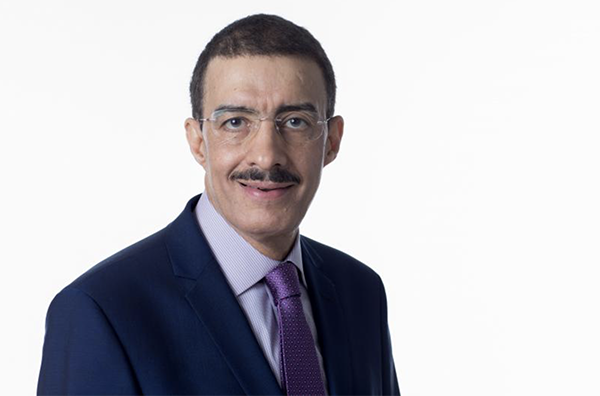
Message from H.E. Dr. Bandar M. H. Hajjar, President, Islamic Development Bank (IsDB) Group, on the occasion of the United Nations Day for South-South Cooperation

The world is going through an unprecedented challenge with the sudden and unexpected outbreak of COVID-19 pandemic which has brought the world economy to a stand-still. Sadly, many lives have been lost so far. At the time of writing this article, over 800,000 people have died from COVID-19 globally according to Johns Hopkins University Coronavirus Resource Center. The health systems of many countries, regardless of their level of development, are stretched to their limits. 

It is now certain that by the time the pandemic ends, the world would enter a new normal and things will never be the same. There would be changes at a global scale in all areas of life and all sectors of economy. The world will become more interdependent and no country will recover from this crisis alone. On the occasion of the United Nations South-South Cooperation Day, it is crucial to highlight that, more than ever, leveraging cooperation across the board, among governments, private companies, research institutions, academicians and civil society organisations, in order to build sustainable coalitions and partnerships necessary to overcome the pandemic, is even more vital.

Since its establishment, the Islamic Development Bank (IsDB) has championed South-South Cooperation among its member countries as one of its key founding principles. For over four decades, the Bank has reflected this in its operations by bringing member countries together to help one another solve common development challenges through various programs that promoted trade, investment and technical cooperation among its fifty-seven member countries. 

Guided by the principles of South-South Cooperation, the Bank designed the Reverse Linkage as a technical cooperation mechanism whereby member countries exchange their knowledge, expertise, technology and resources to develop their capacities and devise solutions for their autonomous development. Through this mechanism, the Bank plays the role of a facilitator and connector to mobilise resources and identify development solutions from across the globe to meet the challenges of its member countries.

The Reverse Linkage mechanism is a unique modality which puts solidarity-based cooperation ahead of finance. It provides the opportunity to focus the spotlight where it actually matters: the expertise, technologies and resources of our member countries which they are willing to share with others for mutual benefits. This is a demand-driven process where member countries are on the driver’s seat, pursuing long-lasting partnerships that lead to enhanced economic cooperation in the long run. 

Over the past five years, IsDB-funded Reverse Linkage projects connected twenty-three member countries for the transfer of know-how, expertise and resources, covering a wide range of sectors such as renewable energy, health, ICT for development, disaster risk management, education, food security and water resources management.  

Until recently, the Bank used to focus on public sector institutions as the main providers of knowledge and expertise in these interventions. In line with its new business model of “making markets work for development”, the Bank is now engaging the private sector in Reverse Linkage interventions in order to benefit from their vast financial resources, higher quality technical expertise as well as more agile implementation mechanisms. This is also aligned with the spirit of the Agenda 2030 for Sustainable Development. To date, several funding agreements have been signed with private sector companies to collaborate in areas such as vocational training in the energy sector, fintech architecture development in the digital sector and other areas with potential business opportunities in member countries.

The Reverse Linkage mechanism is positioned as a major pillar in addressing development challenges. Its success is now recognised widely by the Bank’s partners, including United Nations agencies, such as the UN Office for South-South Cooperation, the South Centre and the Organisation for Economic Cooperation and Development, as well as bilateral cooperation agencies in the IsDB member countries. Our goal is to make these results-based exchanges ubiquitous across all our member countries with the overall aim to strengthen sustainable and meaningful partnerships. 

Since the outbreak of the COVID-19 pandemic, the Bank took bold and agile actions to support its member countries tackle the fallout from the pandemic. The Bank is using Reverse Linkage as one of the delivery mechanisms in its toolkit and Strategic Preparedness and Response Program, known as the “3Rs” package: Respond, Restore and Restart, and worth over USD2.1 billion.

In addition to helping member countries to access critical medical supplies and equipment through Reverse Linkage, the Bank has been facilitating the exchange of know-how and expertise on how best to deal with this pandemic. This entails coordinating with public and private sector entities as well as civil society organisations, in countries that succeeded in “flattening the COVID-19 curve” and sharing their experiences accordingly. We are also supporting centres of excellence in member countries that are on the frontlines to fight this pandemic in order to support their preparedness and enhance their capabilities.

It is important to highlight here that in addition to its efforts to strengthen cooperation through Reverse Linkage interventions, the Bank is also paying attention to developing the underlying capacity of member countries to engage in South-South Cooperation by formulating new frameworks, mechanisms and knowledge products. One of the Bank’s key contributions in this regard is the development of a framework called “National Ecosystems for South-South and Triangular Cooperation”. Based on field experience as well as consultation with the member countries, this framework identifies a set of seven pillars making up the institutional arrangements for effective engagement in South-South and Triangular Cooperation. The framework was developed in collaboration with the South Centre and the UNOSSC. Furthermore, the framework is also a direct contribution to achieving the recommendations of the Outcome Document adopted at the 2nd High-Level UN Conference on South-South Cooperation (BAPA+40).

In conclusion, the Islamic Development Bank believes South-South Cooperation constitutes one of the key pathways towards addressing the collective challenges: both with respect to the ongoing pandemic as well as with achieving the Sustainable Development Goals in this Decade of Action. The Bank will continue to play its part in this global struggle by using all the tools at its disposal, including Reverse Linkage, with the aim to return to a state of normalcy as soon as possible, and continue supporting its constituents to help them achieve their development objectives. 
https://www.isdb.org/news/reverse-linkage-isdbs-role-in-deploying-the-power-of-south-south-cooperation-to-tackle-covid-19-pandemic

Related Post


  • All Post
  • ATCT Featured Publications POM
  • BAPA+40
  • Blog
  • Capacity Development Initiatives
  • CICETE Featured Publications POM
  • CIKD
  • Cities Clusters - Agriculture
  • Cities Clusters - COVID-19
  • Cities Clusters - COVID-19 Knowledge Products
  • Cities Clusters - DRR
  • Cities Clusters - E-commerce
  • Cities Clusters - Tourism
  • Cities Clusters - Tourism Knowledge Products
  • Cities Clusters - Transport
  • Cities Clusters - Waste
  • Cities Project
  • Cities Project COVID-19 Newsletters
  • Cities Project COVID-19 Response
  • Cities Project Knowledge Products
  • Classic (untouched)
  • Climate Action
  • COMSATS Featured Publications POM
  • COMSATS Featured Solutions POM
  • Converted from Divi
  • Converted from Mixed
  • Converted from WPBakery
  • COVID-19
  • COVID-19 Page Featured Solutions
  • DRR Knowledge Products
  • DRR News
  • Empty Post
  • Events
  • Featured Event UN-Habitat POM
  • Financing for Development
  • Financing Mechanisms
  • g7+
  • Gender Events
  • Gender News
  • Good Practices in SSTrC Series
  • Good Practices Publications
  • Good Practices Thematic Series & Special Editions
  • Good Practices Vol. 2
  • Good Practices Vol. 3
  • GSSDC
  • Highlighted
  • Highlighted Publications
  • IAEA Featured Solutions POM
  • IBRAF Featured Publications POM
  • IBSA Fund
  • IBSA Fund Annual Reports
  • IBSA Fund News and Stories
  • IBSA Fund Publication
  • IBSA Fund Story
  • ICGEB Featured Events POM
  • ICGEB Featured Publications POM
  • ICGEB Featured Solutions POM
  • ILO Featured Events POM
  • ILO Featured Publications POM
  • ILO Featured Solutions POM
  • India-UN Development Partnership Fund
  • India-UN Fund Publication
  • India-UN Fund Story
  • IsDB
  • IsDB Featured Publications POM
  • IsDB SCC
  • News
  • Norec Featured Publications POM
  • Norec Featured Solutions POM
  • Peace and Development
  • PGTF Publications
  • PGTF Story
  • PICA Featured News POM
  • PICA Featured Publications POM
  • PICA Featured Solutions POM
  • PIDF Featured Publications POM
  • Publications
  • Regional Updates
  • Research
  • ROK-UNOSSC Facility
  • SGP Featured Publication POM
  • SGP Featured Solutions POM
  • Solution
  • South South in Action
  • South-South Global Thinkers
  • South-South Ideas
  • South-South Ideas Series
  • South-South in Action Series
  • Southern Response to COVID-19
  • SSN4PSI Featured Publications POM
  • SSN4PSI Featured Solutions POM
  • Training
  • UN Day for SSC 2020
  • UN Fund for SSC
  • UN SSC Day Publications
  • UN-Habitat Featured Publications POM
  • UN-HABITAT Featured Solutions POM
  • UNCCT
  • UNEP Featured Publications POM
  • UNFPA
  • UNFSSC Publication
  • UNFSSC Story
  • UNIDO Featured Publications POM
  • UNIDO Featured Solutions POM
  • UNIDO POM Events
  • UNOCT Featured Publications POM
  • UNV
  • UNV Featured Publications POM
  • WB Featured Publications POM
  • WB Featured Solutions POM
  • Webinars
  • WFP Featured Events POM
  • WFP Featured Publication POM
  • WFP Featured Solutions POM
  • WIPO
  • Workshops and Seminars
  • Youth4South
  • z Across the Globe 1
  • z Across the Globe 2
  • z Across the Globe 4
  • z Across the Globe 5
  • z Across the Globe 6
  • z Across the Globe 7
  • z Across the Globe 8
  • z ES BAPA+40
  • z ES Eventos
  • z ES Noticias
  • z ES Noticias Destacadas
  • z ES Publicaciones
  • z ES Publicaciones Destacadas
  • z ES Serie Buenas Prácticas en la CSSyT
  • z ES Serie El Sur-Sur en Acción
  • z FR Actualités
  • z FR BAPA+40
  • z FR Événements
  • z FR Publications
  • z FR Publications en vedette
  • z FR Série Bonnes pratiques en CSST
  • z FR Série Sud-Sud en action
  • z Highlighted News
  • z Photos
  • z Videos
  • z ZH BAPA+40
  • z ZH Events
  • z ZH News

ABOUT

Terms of Service

Privacy Policy

Disclosures

RESOURCES

Terms of Service

Privacy Policy

Disclosures

ENGAGE

Terms of Service

Privacy Policy

Disclosures

Copyright © UNOSSC/UNDP

wpChatIcon
wpChatIcon

Alliance Application Form

Submit an Expression of Interest and/or Demand Signal. UNOSSC reviews submissions on a rolling basis.

1. Official name of organization / institution / government entity (exclusions to apply) *
2. Country *
3. Region *
4. SDG *
Secondary SDG *
5. Partner category *
6. Website *
7. Brief description of your institution (max. 150 words) *
Name for the Lead *
Title for the Lead *
Email address for the Lead *
Name for the co-lead
Title for the co-lead
Email address for the co-lead
Section 3. Expression of Interest in the Alliance *
Additional information on proposed areas of engagement may be requested through the platform following initial review by the Alliance Secretariat.
Section 4. Due Diligence and Integrity Declaration *

Submission Note:

  • Submission of this Expression of Interest form does not automatically confer participation in the Alliance.
  • All submissions will be reviewed by the Alliance Secretariat, including basic eligibility screening and proportionate due diligence, as appropriate.
  • Participation in Alliance activities is determined based on relevance to articulated cooperation needs, alignment with Alliance principles, and integrity considerations.
  • Engagement under the Alliance is voluntary, non-binding, and facilitative in nature, and does not constitute funding approval, contractual commitment, or institutional membership.
  • The Alliance Secretariat may contact submitting entities for additional information or clarification during the review process.

Submission of Demand Form

Description of Demand

Indicate the type of support or cooperation requested through the Alliance.
Please briefly describe the challenge, gap, or priority. (Max. 300 words)

Thematic and Geographic Focus

Please indicate the main focus areas of your demand:

A. Thematic Areas (select up to three)
B. Geographic Focus (select all that apply)

Proposed Engagement Modalities

Please indicate how you would like to engage through the Alliance (select all that apply):

Expected Outcomes

Please indicate the main results you seek to achieve through this engagement. (Max. 200 words)
Examples:
• Capacity strengthened
• Partnerships established
• Sectoral or regional strategies co-developed
• Solutions piloted
• Knowledge generated
• Policies informed

Timeline and Readiness (if applicable)

1. Expected timeframe for engagement:
2. Current stage:

Additional Information

Please provide any additional information, documents, or links relevant to this submission.
(Max. 200 words or upload link)

Submission of Offer Form

Description of Contribution

Indicate the type of contribution your institution can provide and describe the expertise, resources, or solutions you may offer.
Please briefly describe your proposed contribution. (Max. 300 words)

Thematic and Geographic Focus

Please indicate the main focus areas of your interest:

A. Thematic Areas (select up to three)
B. Geographic Focus (select all that apply)

Proposed Engagement Modalities

Please indicate how you would like to engage through the Alliance (select all that apply):

Expected Outcomes

Please indicate the main results you aim to achieve through this engagement. (Max. 200 words)
Examples:
• Capacity strengthened
• Partnerships established
• Sectoral or regional strategies co-developed
• Solutions piloted
• Knowledge generated
• Policies informed

Timeline and Readiness (if applicable)

1. Expected timeframe for engagement:
2. Current stage:

Additional Information

Please provide any additional information, documents, or links relevant to this submission.
(Max. 200 words or upload link)

Organization Registration

Authentication & Due Diligence This prototype simulates identity verification, due diligence confirmation, and an authentication step before submission. *

First Name *
Last Name *
Email address *
Password *
Confirm Password *
Name of institution / organization *
Country / Region *
Organization Type *
Organization other *
Function / role *
Organization logo *
Maximum file size: 1 GB

Login

Login / email *
Password *
Remember me

Forgot password?

Connect form

Your name *
Email *
Organization / institution *
Job title / role *
Reason for connecting:
Short message

Scroll to Top