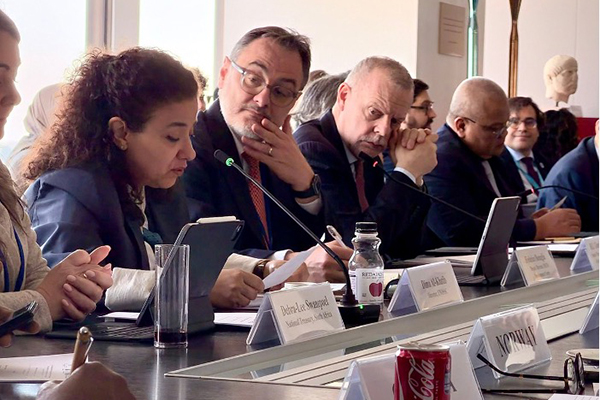
In the Municipality of Viana, Angola, a groundbreaking South-South and triangular cooperation initiative is unfolding. It is enabling access to improved water, sanitation and hygiene services in Viana, and setting a new benchmark in water, sanitation, and hygiene (WASH) management.
Between 2012 to 2020, Angola witnessed a 127% surge in its population. However, during this same timeframe, the nation saw a mere 1% increase in basic sanitation coverage, advancing from 65.4% in 2012 to only 66.4% in 2020. Public investment in this sector is less than 1% of the Gross Domestic Product, according to UNICEF. The slow expansion in basic sanitation services represents a significant hurdle in Angola’s efforts to improve WASH infrastructure.
The project – a collaboration among the
India, Brazil and South Africa Facility for Poverty and Hunger Alleviation (IBSA Fund), the Government of Angola, UNICEF, and the United Nations Office for South-South Cooperation (UNOSSC) – is building and strengthening national and regional capabilities through a fusion of experiences, technical knowledge, and a shared vision for a healthier, more equitable future.
Recognized as a human right by the United Nations, access to clean water and sanitation is the cornerstone of this project. The project is not just supporting infrastructure development; it is also ensuring health, quality of life, social wellbeing, and bridging inequality gaps.
The initiative draws on Brazil’s expertise in simplified sewage systems and integrated solid waste management (ISWM), and is tailored to the unique local context of Angola.
The project’s technical strengths lie in the rich dialogue between Brazil and Angola, facilitated by UNICEF. The countries are sharing successes and challenges, and transferring knowledge, technology and governance systems, to address emerging WASH needs and priorities.
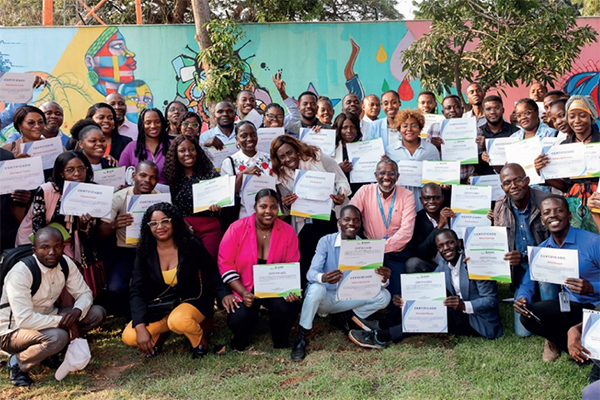
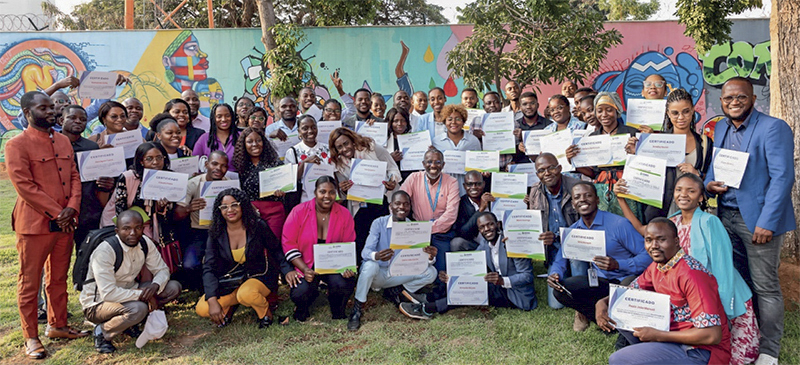
The first year of the project was a blend of political mobilization and capacity-building through training-for-trainers which spanned essential topics like simplified sewage, ISWM, and environmental education. As a result, 72 Angolan professionals from 14 institutions, are now equipped to lead the country’s WASH agenda forward.
Going beyond traditional training, the project was also an exercise in contextualizing and customizing learning materials, ensuring they resonate with Angola’s legal frameworks and societal needs. This participatory approach ensured that the training was not just informative but also transformative. The project’s technical strides included the identification of the implementation area for the simplified sewage system, the development of reference materials, and the preparation of bidding documents. These steps were crucial in laying a strong foundation for the project’s future phases.
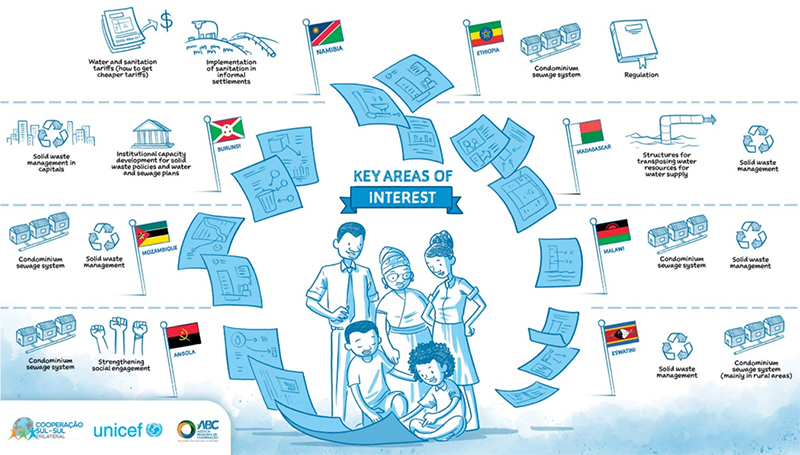
The success of the Angola-IBSA initiative inspired broader triangular South-South exploratory exchanges, as representatives from seven Eastern and Southern African countries have now visited Brazil to learn and explore WASH cooperation possibilities.
In an era where climate change poses new threats, the project’s focus on integrating WASH management with climate action, aims to build resilience in Viana against future environmental challenges.