India-UN Fund: The Bahamas Success in Navigating Fiscal Challenges
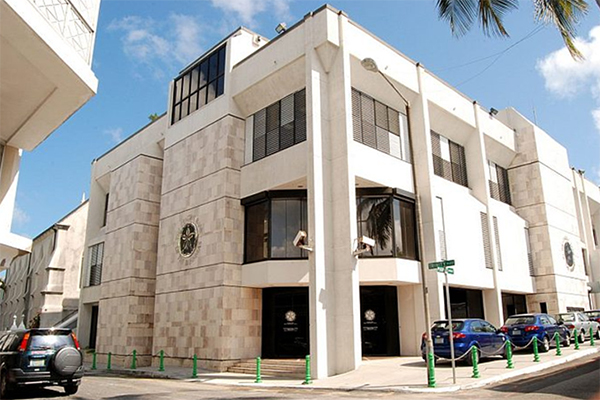
Central Bank of The Bahamas
The Bahamas is making notable strides in fiscal management. This progress in part may be credited to the India-UN Development Partnership Fund-financed project entitled Strengthening Public Debt Management Framework and Developing Government Bond Market in The Bahamas. The project is being implemented by the Commonwealth Secretariat in partnership with the UNDP Multi-Country Office in Jamaica.
The frameworks established through this project are setting a new standard for public debt management, based on world-leading practices adapted to the local economy.
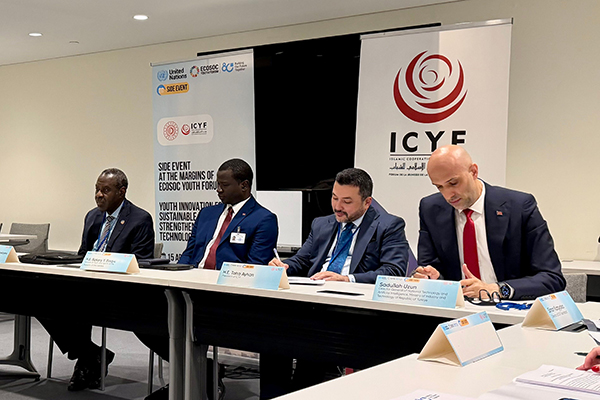
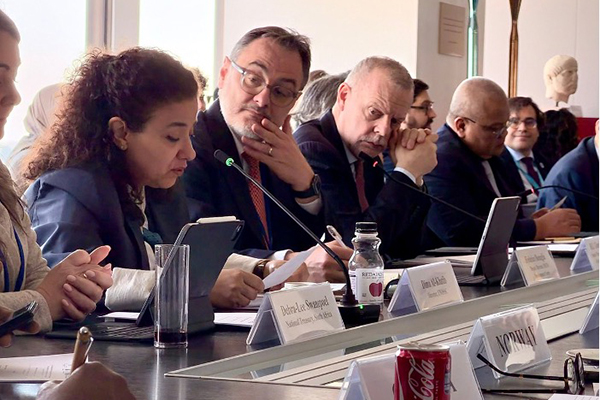
“The ultimate success is that the country’s fiscal health has been better for it, notably with respect to the debt-to-GDP metric,” said H.E. Mr. Stan Oduma Smith, Ambassador and Permanent Representative of The Bahamas to the United Nations during the recent HLPF side-event titled Exchanges of Innovative Solutions for Debt Relief, and the Role of South-South and Triangular Cooperation in New York. “From 2021, the impact was about 99.83% of debt to GDP; provisional data projects that our debt has decreased to 78.1% in the fiscal year 2023 to 2024.”
Overall, the country’s debt has fallen from 90.66% of GDP in 2022 to 86.61% in 2023, with a target of 65% by the 2026/2027 fiscal year. This reduction creates more fiscal space for national priorities such as health, education, and social services.
The pivotal moment came in March 2021 with the passage of the Public Debt Management Act by the Bahamian Parliament. This Act provides a comprehensive foundation for institutional reforms designed to enhance transparency, accountability, and efficiency in debt management. This legislation is the cornerstone upon which The Bahamas is building its future financial stability.
“The Act helps us to form a dedicated structure within the Ministry of Finance to do better in managing public debt, as well as prepare and facilitate the adoption of key legislation, including the introduction of a comprehensive framework for managing the country’s debt with an interagency agreement that had to be created between the Central Bank and the Ministry of Finance just to deal with the coordination of monetary policy,” said H.E. Mr. Stan Oduma Smith added.
A significant milestone achieved under this project is the establishment of a dedicated Debt Management Office. This Office manages all debt operations, including investor relations, borrowing arrangements, debt analysis, and reporting, representing a vital mechanism in ensuring day-to-day debt management is handled with the highest standards of professionalism and efficiency.
“The Debt Management Office we established between the government and the development partners in 2022 was a cornerstone to how we are going to deal with debt in the country. It gives discipline to and facilitates the execution of both dimensions of government finances and productivity.” H.E. Mr. Stan Oduma Smith noted.
Key deliverables of the India-UN Fund project include the formulation and tabling of The Bahamas’ first and second Medium-Term Debt Management Strategies and the development of Annual Borrowing Plans. These strategic documents provide a clear roadmap for managing public debt, ensuring that borrowing is planned and executed with long-term sustainability in mind. The publication of quarterly Public Debt Bulletins further enhances transparency, keeping the public and investors informed about the country’s debt status.
The project also focuses on improving the efficiency of the government securities market. Initiatives such as the consolidation of government securities through a ‘Buyback and Exchange Programme’, the introduction of non-competitive bidding schemes, and the strengthening of the operational and regulatory framework for settlements have made Bahamian government debt instruments more attractive to investors. These reforms are crucial for creating a robust and efficient market that supports economic growth.
“UNDP is really pleased to be part of the design of those instruments, as we come with a sustainable development focus, not the financial transaction focus that the development banks bring to those instruments,” said Thomas Beloe, Chief of UNDP’s Finance Sector Hub, highlighted the importance of focusing on development within institutional financial management.
The project’s success is deeply rooted in the comprehensive training programs provided to the staff engaged in debt management activities. This capacity-building effort ensures that The Bahamas has a team of well-trained professionals capable of managing complex financial operations, thereby sustaining the improvements made through the project.
“I would like to recognize the commitment of the project team, the Commonwealth Secretariat, the United Nations Office for South-South Cooperation and UNDP for their technical expertise that is supporting us in executing our country’s agenda,” H.E. Mr. Stan Oduma Smith noted.
Through strategic reforms, capacity building, and innovative market solutions, The Bahamas is achieving economic stability and sustainable development, a testament to the impact of South-South cooperation. This underscores the potential of collaborative efforts among developing nations, proving that even the smallest countries can set a global example in financial management, providing a rich model for other nations facing similar challenges, illustrating the impact of solidarity and shared knowledge.