South-south cooperation at work: Inside Thailand’s aid


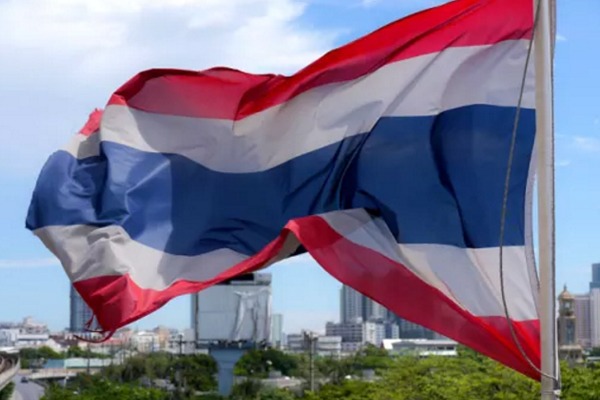
Thailand has silently demonstrated over the last decade that countries don’t need to be considered “developed” or rich to give back. Despite being classified as an upper-middle-income nation and an aid recipient, Thailand is also a donor. The rationale, aid officials from the country told Devex, is that “south-south cooperation” works. “We try to show that countries from the south can help other countries from the south. We don’t have to wait to become a developed country,” Paisan Rupanichkij, deputy director general of Thailand’s International Cooperation Agency, told Devex at the Mekong Institute’s headquarters in Khon Kaen, Thailand. “Even if we are a developing country, we can extend a helping hand to other developing countries.” Thailand received $351.2 million in net development assistance in 2014. Meanwhile, the country disbursed over $500 million in official development assistance between 2006 and 2014, according to Organization for Economic Cooperation and Development figures. This is on top of OECD estimates of up to $24 million of aid disbursed annually from 2002 to 2005, as well as other forms of non-ODA assistance. The bulk of the country’s development assistance has gone towards scholarships, capacity development programs, and training courses in its neighboring countries including Laos, Myanmar, Cambodia and Vietnam (almost 90 percent). Yet footprints of Thailand’s aid portfolio can be seen around the world, with about 58 countries tallied as recipients since 2006, according to OECD data. Most of these development projects focus on agricultural technology, expertise, and training in fellow Southeast Asian nations such as the Philippines and Indonesia, as well as South Asian countries including Nepal, Sri Lanka and Bhutan. Thailand has also been working on community development projects with African countries since 2004 including Kenya and Nigeria, according to Rupanichkij. He said the aid programs will continue to do so and expand to other parts of the world. “We believe that countries in Africa are in need of ODA and we believe we have the expertise and technology that can be applied to those countries,” Rupanichkij said, adding that more community development projects are also targeted in new countries particularly in the Pacific region.   Instrumental institutions TICA and the Neighboring Countries Economic Development Cooperation Agency are the two most crucial institutions shaping Thailand’s portfolio. The country’s export-import bank as well as the finance ministry have also been instrumental in providing loans and assistance to bilateral partners. TICA, established in 2004 as the successor of Thailand’s technical and economic cooperation department, handles the country’s international development cooperation projects focused on helping other developing countries through knowledge and expertise-sharing. Under the auspices of the country’s foreign ministry, TICA administers an average of $80 million in development programs that embody the “south-south” cooperation mandate of the agency, according to Rupanichkij. NEDA, established in 2005 as a nonprofit organization under the supervision of the country’s finance ministry, serves as the main platform of the Thai government to facilitate economic cooperation and development with other neighboring countries, particularly Cambodia, Laos, Myanmar and Vietnam. The agency’s main focus is to provide financial assistance and loans. It works particularly on hard and soft infrastructure projects, regional trade and investment promotion, as well as poverty alleviation, social impact reduction, environment issues and emergency assistance. “[It’s about] leaving no one behind … we see prosperity as about our neighboring countries also,” Newin Sensiri, NEDA president, told Devex on the sidelines of the Mekong Forum last month, explaining that the agency’s more than 15 billion baht ($434 million) disbursement since its establishment 11 years ago has been largely focused on technical and financial assistance. “On technical assistance, we focus on feasibility studies and detail design for the project itself, … [and] capacity building in the areas related to the project,” he said. “In terms of financial assistance, so far 80 percent is in the area of transport infrastructure [such as] road, railways, airports. We’re now trying to expand to more social sectors like water supply and … waste management.” Given that the agencies have no overseas offices in their recipient countries — yet, projects in their portfolios are either administered through the local Thai consulates or through the on-the-ground presence of more established development partners including the Japan International Cooperation Agency, Korea International Cooperation Agency and the German aid agency GIZ.   Focus on expertise While the idea of “south-south cooperation” is simple, differentiating it from traditional donor-recipient models can be complex. According to a report from Resource Flows, aid from developing — or non-Development Assistance Committee — countries usually comes in the form of “goods, human resources or technical assistance” as opposed to aid from DAC countries that usually comes in the form of financial assistance. Thailand, despite the size of its combined aid program, exemplifies this. “We are an emerging donor. We are not comparing our financial resources with other major donors like JICA, KOICA and other [big donors], but we do have a [wealth of] expertise, know-how, and technology that could be applicable to other developing countries,” Rupanichkij said. The TICA official added that development assistance, particularly from “south” countries, should focus on the expertise they have and can share with the rest of the developing community — for instance, Thailand’s agricultural know-how as the “rice bowl of Asia”. “[It should] not be a very sophisticated technology, but the kind of technology that can be used, and can impact developing countries, and is affordable,” he said. Sinsiri, meanwhile, emphasized the importance of having a collaborative mindset, with aligned interests, goals, objectives and responsibilities. “I think by working together as south-south countries, we have more to gain than to lose. The immediate experience that we have been through in terms of economic development will help,” the NEDA chief concluded. “By working together, we ensure that growth are spread over throughout the region.”   Source: Devex, 27 September 2016  
Related Post


  • All Post
  • ATCT Featured Publications POM
  • BAPA+40
  • Blog
  • Capacity Development Initiatives
  • CICETE Featured Publications POM
  • CIKD
  • Cities Clusters - Agriculture
  • Cities Clusters - COVID-19
  • Cities Clusters - COVID-19 Knowledge Products
  • Cities Clusters - DRR
  • Cities Clusters - E-commerce
  • Cities Clusters - Tourism
  • Cities Clusters - Tourism Knowledge Products
  • Cities Clusters - Transport
  • Cities Clusters - Waste
  • Cities Project
  • Cities Project COVID-19 Newsletters
  • Cities Project COVID-19 Response
  • Cities Project Knowledge Products
  • Classic (untouched)
  • Climate Action
  • COMSATS Featured Publications POM
  • COMSATS Featured Solutions POM
  • Converted from Divi
  • Converted from Mixed
  • Converted from WPBakery
  • COVID-19
  • COVID-19 Page Featured Solutions
  • DRR Knowledge Products
  • DRR News
  • Empty Post
  • Events
  • Featured Event UN-Habitat POM
  • Financing for Development
  • Financing Mechanisms
  • g7+
  • Gender Events
  • Gender News
  • Good Practices in SSTrC Series
  • Good Practices Publications
  • Good Practices Thematic Series & Special Editions
  • Good Practices Vol. 2
  • Good Practices Vol. 3
  • GSSDC
  • Highlighted
  • Highlighted Publications
  • IAEA Featured Solutions POM
  • IBRAF Featured Publications POM
  • IBSA Fund
  • IBSA Fund Annual Reports
  • IBSA Fund News and Stories
  • IBSA Fund Publication
  • IBSA Fund Story
  • ICGEB Featured Events POM
  • ICGEB Featured Publications POM
  • ICGEB Featured Solutions POM
  • ILO Featured Events POM
  • ILO Featured Publications POM
  • ILO Featured Solutions POM
  • India-UN Development Partnership Fund
  • India-UN Fund Publication
  • India-UN Fund Story
  • IsDB
  • IsDB Featured Publications POM
  • IsDB SCC
  • News
  • Norec Featured Publications POM
  • Norec Featured Solutions POM
  • Peace and Development
  • PGTF Publications
  • PGTF Story
  • PICA Featured News POM
  • PICA Featured Publications POM
  • PICA Featured Solutions POM
  • PIDF Featured Publications POM
  • Publications
  • Regional Updates
  • Research
  • ROK-UNOSSC Facility
  • SGP Featured Publication POM
  • SGP Featured Solutions POM
  • Solution
  • South South in Action
  • South-South Global Thinkers
  • South-South Ideas
  • South-South Ideas Series
  • South-South in Action Series
  • Southern Response to COVID-19
  • SSN4PSI Featured Publications POM
  • SSN4PSI Featured Solutions POM
  • Training
  • UN Day for SSC 2020
  • UN Fund for SSC
  • UN SSC Day Publications
  • UN-Habitat Featured Publications POM
  • UN-HABITAT Featured Solutions POM
  • UNCCT
  • UNEP Featured Publications POM
  • UNFPA
  • UNFSSC Publication
  • UNFSSC Story
  • UNIDO Featured Publications POM
  • UNIDO Featured Solutions POM
  • UNIDO POM Events
  • UNOCT Featured Publications POM
  • UNV
  • UNV Featured Publications POM
  • WB Featured Publications POM
  • WB Featured Solutions POM
  • Webinars
  • WFP Featured Events POM
  • WFP Featured Publication POM
  • WFP Featured Solutions POM
  • WIPO
  • Workshops and Seminars
  • Youth4South
  • z Across the Globe 1
  • z Across the Globe 2
  • z Across the Globe 4
  • z Across the Globe 5
  • z Across the Globe 6
  • z Across the Globe 7
  • z Across the Globe 8
  • z ES BAPA+40
  • z ES Eventos
  • z ES Noticias
  • z ES Noticias Destacadas
  • z ES Publicaciones
  • z ES Publicaciones Destacadas
  • z ES Serie Buenas Prácticas en la CSSyT
  • z ES Serie El Sur-Sur en Acción
  • z FR Actualités
  • z FR BAPA+40
  • z FR Événements
  • z FR Publications
  • z FR Publications en vedette
  • z FR Série Bonnes pratiques en CSST
  • z FR Série Sud-Sud en action
  • z Highlighted News
  • z Photos
  • z Videos
  • z ZH BAPA+40
  • z ZH Events
  • z ZH News

ABOUT

Terms of Service

Privacy Policy

Disclosures

RESOURCES

Terms of Service

Privacy Policy

Disclosures

ENGAGE

Terms of Service

Privacy Policy

Disclosures

Copyright © UNOSSC/UNDP

wpChatIcon
wpChatIcon

Alliance Application Form

Submit an Expression of Interest and/or Demand Signal. UNOSSC reviews submissions on a rolling basis.

1. Official name of organization / institution / government entity (exclusions to apply) *
2. Country *
3. Region *
4. SDG *
Secondary SDG *
5. Partner category *
6. Website *
7. Brief description of your institution (max. 150 words) *
Name for the Lead *
Title for the Lead *
Email address for the Lead *
Name for the co-lead
Title for the co-lead
Email address for the co-lead
Section 3. Expression of Interest in the Alliance *
Additional information on proposed areas of engagement may be requested through the platform following initial review by the Alliance Secretariat.
Section 4. Due Diligence and Integrity Declaration *

Submission Note:

  • Submission of this Expression of Interest form does not automatically confer participation in the Alliance.
  • All submissions will be reviewed by the Alliance Secretariat, including basic eligibility screening and proportionate due diligence, as appropriate.
  • Participation in Alliance activities is determined based on relevance to articulated cooperation needs, alignment with Alliance principles, and integrity considerations.
  • Engagement under the Alliance is voluntary, non-binding, and facilitative in nature, and does not constitute funding approval, contractual commitment, or institutional membership.
  • The Alliance Secretariat may contact submitting entities for additional information or clarification during the review process.

Submission of Demand Form

Description of Demand

Indicate the type of support or cooperation requested through the Alliance.
Please briefly describe the challenge, gap, or priority. (Max. 300 words)

Thematic and Geographic Focus

Please indicate the main focus areas of your demand:

A. Thematic Areas (select up to three)
B. Geographic Focus (select all that apply)

Proposed Engagement Modalities

Please indicate how you would like to engage through the Alliance (select all that apply):

Expected Outcomes

Please indicate the main results you seek to achieve through this engagement. (Max. 200 words)
Examples:
• Capacity strengthened
• Partnerships established
• Sectoral or regional strategies co-developed
• Solutions piloted
• Knowledge generated
• Policies informed

Timeline and Readiness (if applicable)

1. Expected timeframe for engagement:
2. Current stage:

Additional Information

Please provide any additional information, documents, or links relevant to this submission.
(Max. 200 words or upload link)

Submission of Offer Form

Description of Contribution

Indicate the type of contribution your institution can provide and describe the expertise, resources, or solutions you may offer.
Please briefly describe your proposed contribution. (Max. 300 words)

Thematic and Geographic Focus

Please indicate the main focus areas of your interest:

A. Thematic Areas (select up to three)
B. Geographic Focus (select all that apply)

Proposed Engagement Modalities

Please indicate how you would like to engage through the Alliance (select all that apply):

Expected Outcomes

Please indicate the main results you aim to achieve through this engagement. (Max. 200 words)
Examples:
• Capacity strengthened
• Partnerships established
• Sectoral or regional strategies co-developed
• Solutions piloted
• Knowledge generated
• Policies informed

Timeline and Readiness (if applicable)

1. Expected timeframe for engagement:
2. Current stage:

Additional Information

Please provide any additional information, documents, or links relevant to this submission.
(Max. 200 words or upload link)

Organization Registration

Authentication & Due Diligence This prototype simulates identity verification, due diligence confirmation, and an authentication step before submission. *

First Name *
Last Name *
Email address *
Password *
Confirm Password *
Name of institution / organization *
Country / Region *
Organization Type *
Organization other *
Function / role *
Organization logo *
Maximum file size: 1 GB

Login

Login / email *
Password *
Remember me

Forgot password?

Connect form

Your name *
Email *
Organization / institution *
Job title / role *
Reason for connecting:
Short message

Scroll to Top