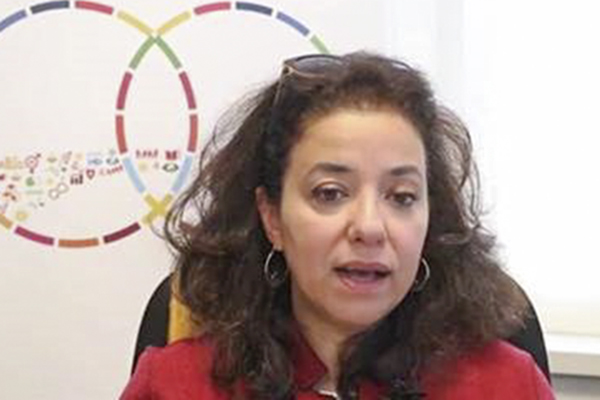
UNOSSC, the United Nations Office for Disaster Risk Reduction Global Education and Training Institute, and the Pan American Health Organization concluded a 2025 joint training programme with South-South exchange showcasing technologies and experiences from six countries, highlighting the role of technological innovations for urban disaster risk reduction and management.
Resilient and inclusive cities are fundamental to achieving global commitments such as the 2030 Agenda for Sustainable Development, the Sendai Framework for Disaster Risk Reduction, and the Paris Agreement on Climate Change. These cities ensure no one is left behind by actively involving all community members, particularly marginalized groups like persons with disabilities and older persons, in resilience planning and decision-making.
In this context, the United Nations Office for South-South Cooperation (UNOSSC), the United Nations Office for Disaster Risk Reduction Global Education and Training Institute (UNDRR GETI), and the Pan American Health Organization (PAHO/WHO) co-organized the 5th Joint Certificate Training programme from 12 to 26 March 2025.
This year’s training series featured three live sessions focusing on disability-inclusive urban health management, elderly and disability-inclusive disaster response, and the critical role of technology in transforming disaster risk management and urban resilience. The programme were attended by over 1,400 participants from 140+ countries and territories, with over 40% women, and 53 persons with disability.
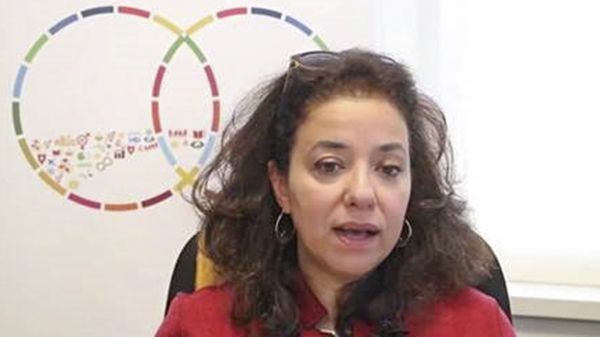 During Opening Session 1, led by UNDRR, on 12 March, Dima Al-Khatib, Director of UNOSSC, reinforced the need for inclusive, sustainable, and resilient urban environments, highlighting the role of South-South and triangular cooperation in advancing technological and policy innovations. “Under the China-UN Global South-South Development Facility, UNOSSC strives to empower developing nations to exchange experiences, co-develop adaptive technologies, and implement localized resilience strategies,” said Dima Al-Khatib.
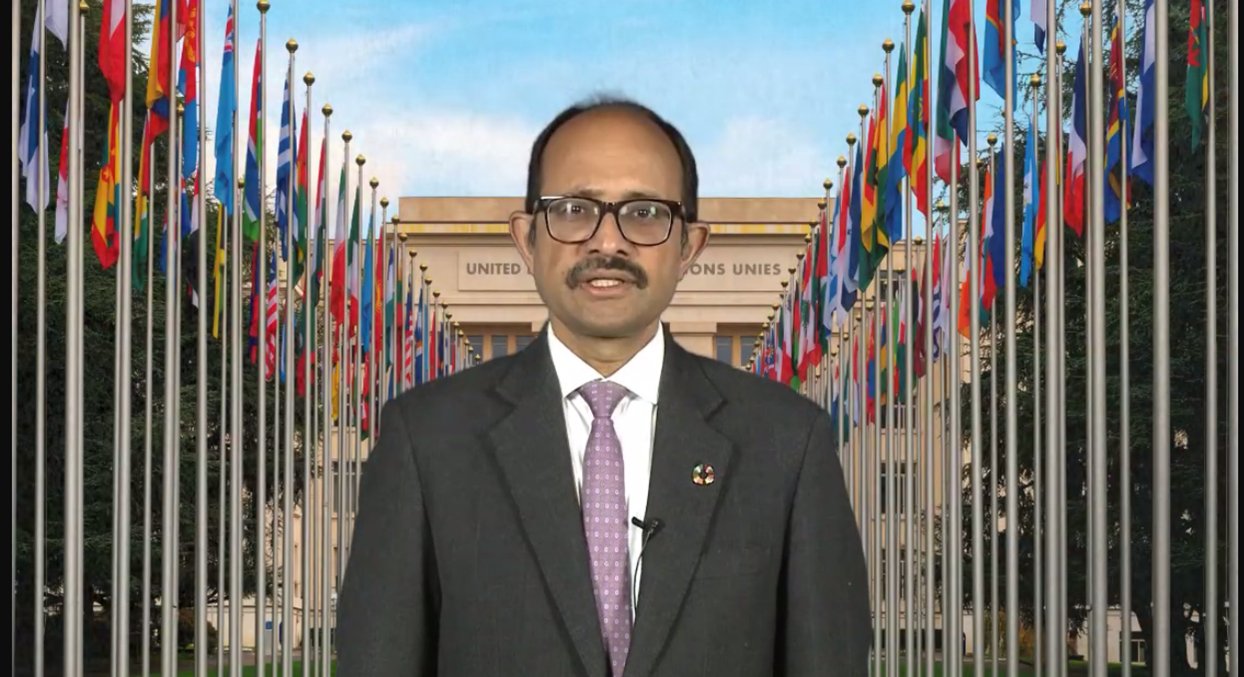 Kamal Kishore, Special Representative of the United Nations Secretary-General (SRSG) for Disaster Risk Reduction and Head of UNDRR, emphasized the urgent need for inclusive disaster risk reduction that addresses the vulnerabilities of at-risk groups, and called for increased international cooperation to ensure the meaningful inclusion of all groups in disaster preparedness and response.
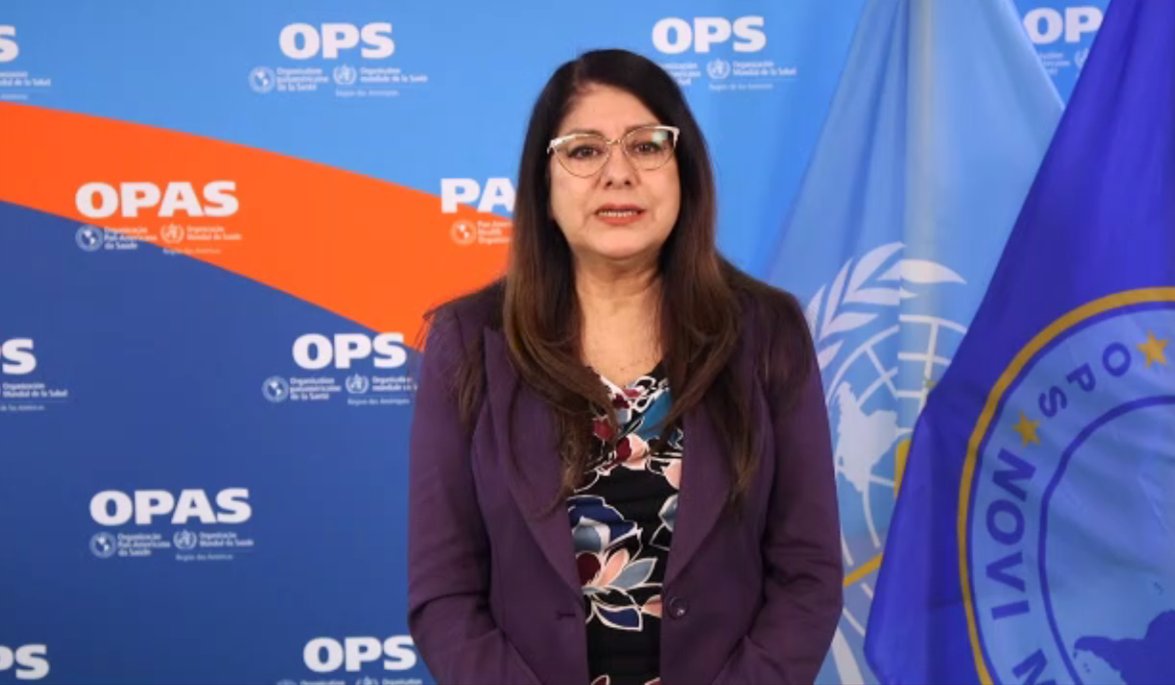 Piedad Huerta, Head of the Office of Country and Subregional Coordination (CSC), PAHO/WHO, stressed the importance of a multi-sectoral approach to disaster risk management, particularly regarding the inclusion of persons with disabilities and older persons in health emergency response.
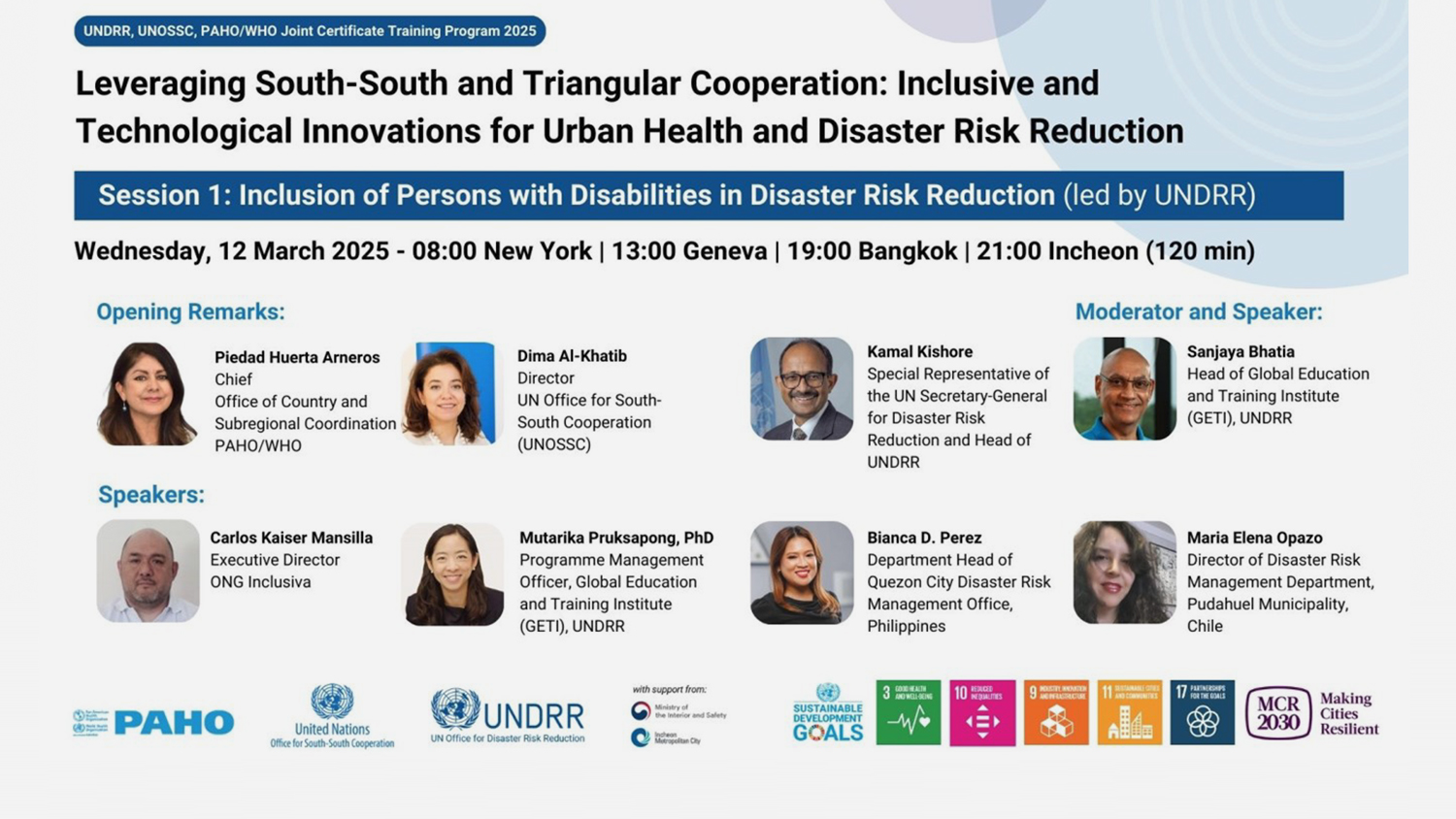
Session 1 focused on the inclusion of persons with disabilities in disaster risk reduction. It became evident that building resilient cities and urban environments requires going beyond structural approaches.
Piedad Huerta, Head of the Office of Country and Subregional Coordination (CSC), PAHO/WHO, stressed the importance of a multi-sectoral approach to disaster risk management, particularly regarding the inclusion of persons with disabilities and older persons in health emergency response.
Session 1 focused on the inclusion of persons with disabilities in disaster risk reduction. It became evident that building resilient cities and urban environments requires going beyond structural approaches.
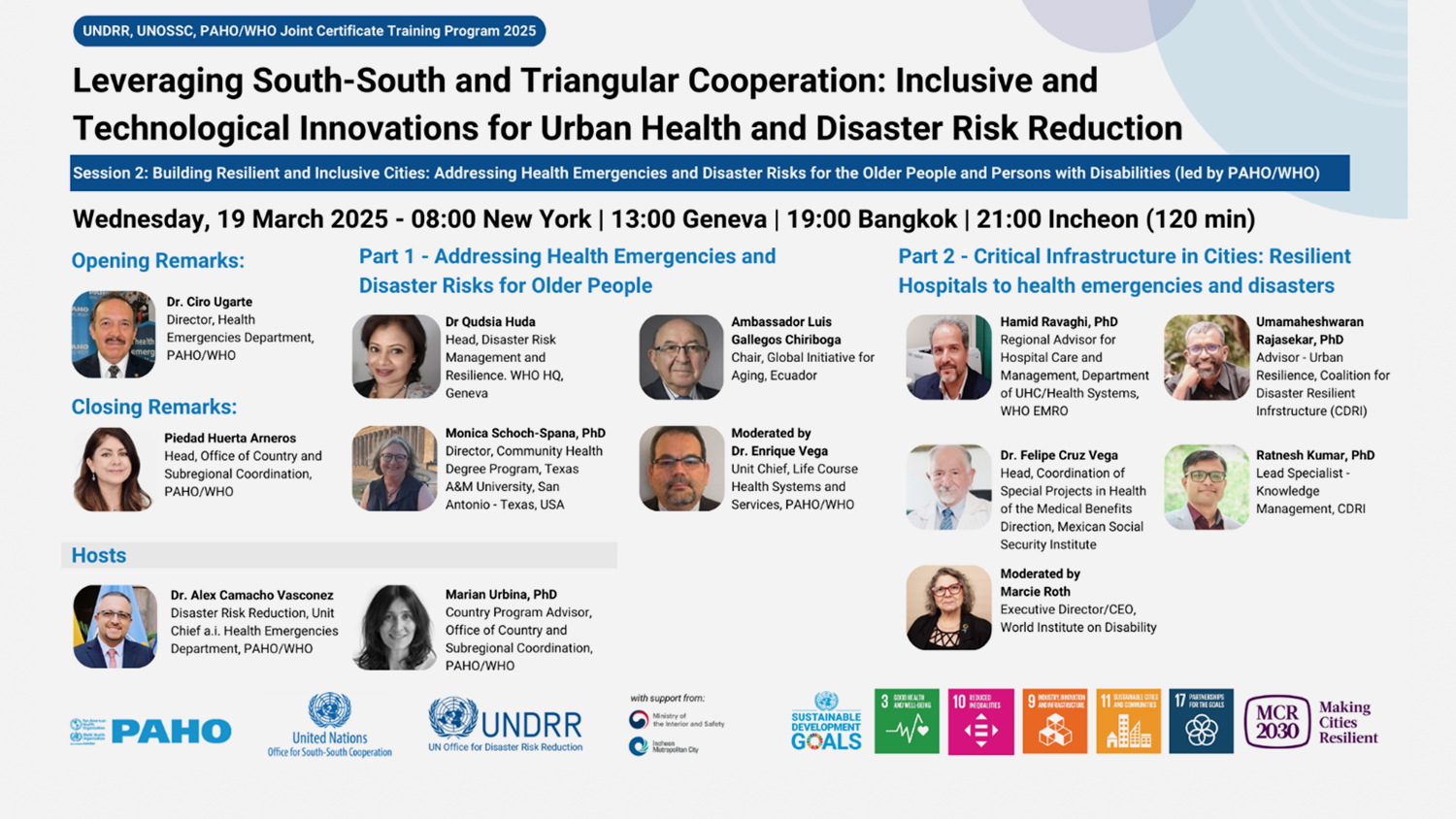
 The Session 2 on 19 March, led by PAHO, reaffirmed that older persons should be recognized not just as recipients of protection, but as active agents of resilience, leveraging their knowledge and experience.
 The final Session 3, held on 26 March, was led by UNOSSC and focused on leveraging technological innovation for urban disaster risk reduction and management.
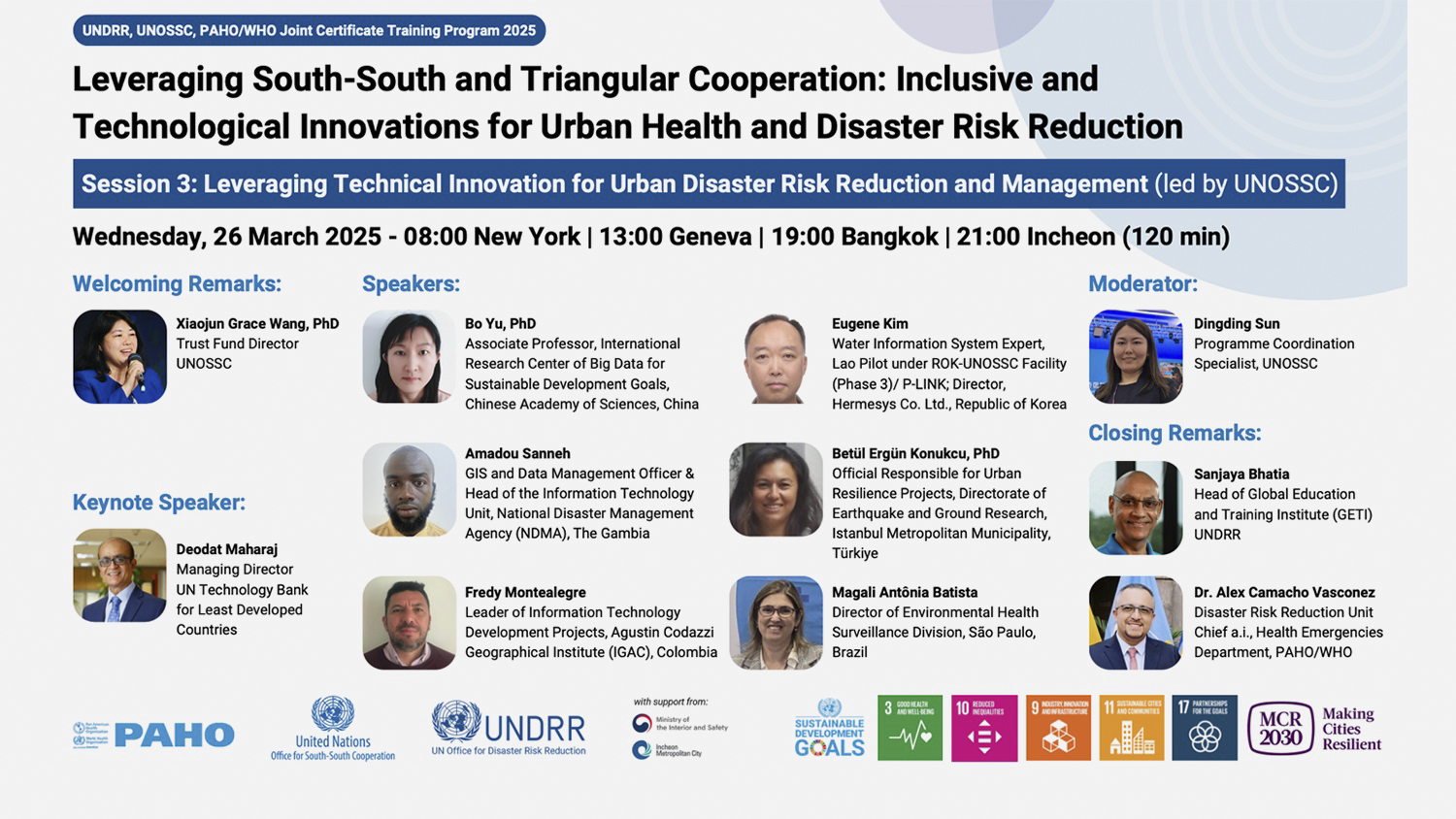 Deodat Maharaj, Managing Director, UN Technology Bank for Least Developed Countries, opened Session 3, emphasizing South-South and triangular cooperation to be key, considering that access to new tools and technologies remains a significant challenge in the world’s most vulnerable regions: “The best solutions are those that are shared, adapted, and implemented through collaboration across countries facing similar challenges.”
Xiaojun Grace Wang, Trust Fund Director of UNOSSC, recognized the vital role of South-South and triangular cooperation in reducing disaster risks and building urban resilience through mutual learning, knowledge sharing, technological exchange, and collaborative capacity building. She highlighted that the Global South-South Development Center (GSSDC) Phase II (2025-2030), funded by the Government of China, aims to foster precisely such technological cooperation in accelerating progress toward the SDGs.
Deodat Maharaj, Managing Director, UN Technology Bank for Least Developed Countries, opened Session 3, emphasizing South-South and triangular cooperation to be key, considering that access to new tools and technologies remains a significant challenge in the world’s most vulnerable regions: “The best solutions are those that are shared, adapted, and implemented through collaboration across countries facing similar challenges.”
Xiaojun Grace Wang, Trust Fund Director of UNOSSC, recognized the vital role of South-South and triangular cooperation in reducing disaster risks and building urban resilience through mutual learning, knowledge sharing, technological exchange, and collaborative capacity building. She highlighted that the Global South-South Development Center (GSSDC) Phase II (2025-2030), funded by the Government of China, aims to foster precisely such technological cooperation in accelerating progress toward the SDGs.
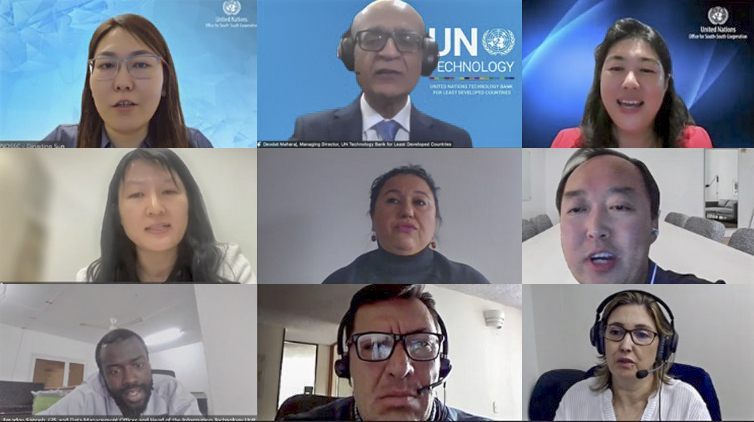 South-South experience sharing in technological innovation in DRR
The main panel featured experts from Brazil, China, Colombia, The Gambia, Republic of Korea, and Türkiye, who shared innovative solutions that are making a tangible impact through South-South cooperation.
Bo Yu, Associate Professor from the International Research Center of Big Data for SDGs of the Chinese Academy of Science, presented the use of AI-driven remote sensing for natural hazard detection and early warning systems. She showcased case studies from China, Nepal and Pakistan, demonstrating how satellite-based remote sensing and core algorithms and models of machine learning are being applied for effective monitoring and adaptive management of landslides, floods and droughts.
Eugene Kim, water information system expert from the Republic of Korea, shared good practices and lessons learned from the UNOSSC P-LINK project in Lao PDR. He discussed the importance of technology selection, regional data integration, and local capacity building in creating effective flood warning systems.
Betül Ergün Konukcu, of the Istanbul Metropolitan Municipality of Türkiye, presented how the city maps social vulnerability to earthquakes, tsunamis, and human health risks, using data-driven modeling to enhance urban resilience and improve risk management analysis.
From the National Disaster Management Agency of The Gambia, Amadou Sanneh showcased a South-South technical cooperation project that utilizes drones from Senegal to improve early warning systems for flood disaster management in The Gambia. Supported by the UNOSSC’s India-UN Development Partnership Fund, the UNESCO implemented project demonstrates the power of technology transfer in building local capacities for disaster preparedness.
Fredy Montealegre, of the Agustín Codazzi Geographical Institute (IGAC) in Colombia, presented a methodological tool for fire prevention and risk management using remote sensing technology. He demonstrated how the collaborative South-South institutional partnership between Argentina and Colombia has enhanced research, optimized territorial development, and facilitated technology transfer and knowledge-sharing.
Magali Antônia Batista, Director of the Environmental Health Surveillance Division of São Paulo, Brazil, introduced the VIGIDESASTRES program, a comprehensive Environmental Health Surveillance initiative aimed at mitigating the health impacts of both natural and technological disasters. Through strategic coordination and the use of real-time disaster monitoring dashboards, the program ensures that actions, such as shelter management, disease surveillance, and public health guidance, are efficiently executed.
Dingding Sun, UNOSSC Programme Coordination Specialist and moderator of Session 3, concluded the Session with key takeaways. Cutting-edge, low-cost technologies like remote sensing, AI, and data-driven modeling are enhancing disaster risk management across various countries, she said. South-South and triangular cooperation, alongside UN partnerships, have been instrumental in technology transfer, capacity building, and institutional strengthening. However, sustaining these efforts requires consistent government financing, investment in data infrastructure, and better access to technology markets. Building local capacities is equally crucial for long-term impact, ensuring that communities can sustain and scale innovations. Finally, continuous learning from the past, effective coordination, and collaboration remain key to making informed decisions and driving meaningful changes.
In the closing segment, Sanjaya Bhatia, Head of UNDRR GETI, and Alex Camacho, Chief of Disaster Risk Reduction Unit, Health Emergencies Department of PAHO/WHO stressed that the use of technological solutions must be guided by principles of universal accessibility, community participation, and sustainability.
The 2025 training programme received 3,200+ online registrations and recorded over 1,400 participants attending the live sessions from 140+ countries and territories. Over 40% of participants were women, and 53 were persons with disabilities.
Session 2 statistics
Since 2020, UNOSSC, UNDRR GETI, and PAHO/WHO have jointly organized four online certificate training programmes, focusing on leveraging South-South and triangular cooperation, disaster risk reduction, and health emergency response. The past four training series have attracted over 9,800 live session participants from 155 countries and territories, and 6,500 self-paced online learners on OpenWHO.org.
South-South experience sharing in technological innovation in DRR
The main panel featured experts from Brazil, China, Colombia, The Gambia, Republic of Korea, and Türkiye, who shared innovative solutions that are making a tangible impact through South-South cooperation.
Bo Yu, Associate Professor from the International Research Center of Big Data for SDGs of the Chinese Academy of Science, presented the use of AI-driven remote sensing for natural hazard detection and early warning systems. She showcased case studies from China, Nepal and Pakistan, demonstrating how satellite-based remote sensing and core algorithms and models of machine learning are being applied for effective monitoring and adaptive management of landslides, floods and droughts.
Eugene Kim, water information system expert from the Republic of Korea, shared good practices and lessons learned from the UNOSSC P-LINK project in Lao PDR. He discussed the importance of technology selection, regional data integration, and local capacity building in creating effective flood warning systems.
Betül Ergün Konukcu, of the Istanbul Metropolitan Municipality of Türkiye, presented how the city maps social vulnerability to earthquakes, tsunamis, and human health risks, using data-driven modeling to enhance urban resilience and improve risk management analysis.
From the National Disaster Management Agency of The Gambia, Amadou Sanneh showcased a South-South technical cooperation project that utilizes drones from Senegal to improve early warning systems for flood disaster management in The Gambia. Supported by the UNOSSC’s India-UN Development Partnership Fund, the UNESCO implemented project demonstrates the power of technology transfer in building local capacities for disaster preparedness.
Fredy Montealegre, of the Agustín Codazzi Geographical Institute (IGAC) in Colombia, presented a methodological tool for fire prevention and risk management using remote sensing technology. He demonstrated how the collaborative South-South institutional partnership between Argentina and Colombia has enhanced research, optimized territorial development, and facilitated technology transfer and knowledge-sharing.
Magali Antônia Batista, Director of the Environmental Health Surveillance Division of São Paulo, Brazil, introduced the VIGIDESASTRES program, a comprehensive Environmental Health Surveillance initiative aimed at mitigating the health impacts of both natural and technological disasters. Through strategic coordination and the use of real-time disaster monitoring dashboards, the program ensures that actions, such as shelter management, disease surveillance, and public health guidance, are efficiently executed.
Dingding Sun, UNOSSC Programme Coordination Specialist and moderator of Session 3, concluded the Session with key takeaways. Cutting-edge, low-cost technologies like remote sensing, AI, and data-driven modeling are enhancing disaster risk management across various countries, she said. South-South and triangular cooperation, alongside UN partnerships, have been instrumental in technology transfer, capacity building, and institutional strengthening. However, sustaining these efforts requires consistent government financing, investment in data infrastructure, and better access to technology markets. Building local capacities is equally crucial for long-term impact, ensuring that communities can sustain and scale innovations. Finally, continuous learning from the past, effective coordination, and collaboration remain key to making informed decisions and driving meaningful changes.
In the closing segment, Sanjaya Bhatia, Head of UNDRR GETI, and Alex Camacho, Chief of Disaster Risk Reduction Unit, Health Emergencies Department of PAHO/WHO stressed that the use of technological solutions must be guided by principles of universal accessibility, community participation, and sustainability.
The 2025 training programme received 3,200+ online registrations and recorded over 1,400 participants attending the live sessions from 140+ countries and territories. Over 40% of participants were women, and 53 were persons with disabilities.
Session 2 statistics
Since 2020, UNOSSC, UNDRR GETI, and PAHO/WHO have jointly organized four online certificate training programmes, focusing on leveraging South-South and triangular cooperation, disaster risk reduction, and health emergency response. The past four training series have attracted over 9,800 live session participants from 155 countries and territories, and 6,500 self-paced online learners on OpenWHO.org.
During Opening Session 1, led by UNDRR, on 12 March, Dima Al-Khatib, Director of UNOSSC, reinforced the need for inclusive, sustainable, and resilient urban environments, highlighting the role of South-South and triangular cooperation in advancing technological and policy innovations. “Under the China-UN Global South-South Development Facility, UNOSSC strives to empower developing nations to exchange experiences, co-develop adaptive technologies, and implement localized resilience strategies,” said Dima Al-Khatib.
Kamal Kishore, Special Representative of the United Nations Secretary-General (SRSG) for Disaster Risk Reduction and Head of UNDRR, emphasized the urgent need for inclusive disaster risk reduction that addresses the vulnerabilities of at-risk groups, and called for increased international cooperation to ensure the meaningful inclusion of all groups in disaster preparedness and response.
Piedad Huerta, Head of the Office of Country and Subregional Coordination (CSC), PAHO/WHO, stressed the importance of a multi-sectoral approach to disaster risk management, particularly regarding the inclusion of persons with disabilities and older persons in health emergency response.
Session 1 focused on the inclusion of persons with disabilities in disaster risk reduction. It became evident that building resilient cities and urban environments requires going beyond structural approaches.
The Session 2 on 19 March, led by PAHO, reaffirmed that older persons should be recognized not just as recipients of protection, but as active agents of resilience, leveraging their knowledge and experience.
The final Session 3, held on 26 March, was led by UNOSSC and focused on leveraging technological innovation for urban disaster risk reduction and management.
Deodat Maharaj, Managing Director, UN Technology Bank for Least Developed Countries, opened Session 3, emphasizing South-South and triangular cooperation to be key, considering that access to new tools and technologies remains a significant challenge in the world’s most vulnerable regions: “The best solutions are those that are shared, adapted, and implemented through collaboration across countries facing similar challenges.”
Xiaojun Grace Wang, Trust Fund Director of UNOSSC, recognized the vital role of South-South and triangular cooperation in reducing disaster risks and building urban resilience through mutual learning, knowledge sharing, technological exchange, and collaborative capacity building. She highlighted that the Global South-South Development Center (GSSDC) Phase II (2025-2030), funded by the Government of China, aims to foster precisely such technological cooperation in accelerating progress toward the SDGs.
South-South experience sharing in technological innovation in DRR
The main panel featured experts from Brazil, China, Colombia, The Gambia, Republic of Korea, and Türkiye, who shared innovative solutions that are making a tangible impact through South-South cooperation.
Bo Yu, Associate Professor from the International Research Center of Big Data for SDGs of the Chinese Academy of Science, presented the use of AI-driven remote sensing for natural hazard detection and early warning systems. She showcased case studies from China, Nepal and Pakistan, demonstrating how satellite-based remote sensing and core algorithms and models of machine learning are being applied for effective monitoring and adaptive management of landslides, floods and droughts.
Eugene Kim, water information system expert from the Republic of Korea, shared good practices and lessons learned from the UNOSSC P-LINK project in Lao PDR. He discussed the importance of technology selection, regional data integration, and local capacity building in creating effective flood warning systems.
Betül Ergün Konukcu, of the Istanbul Metropolitan Municipality of Türkiye, presented how the city maps social vulnerability to earthquakes, tsunamis, and human health risks, using data-driven modeling to enhance urban resilience and improve risk management analysis.
From the National Disaster Management Agency of The Gambia, Amadou Sanneh showcased a South-South technical cooperation project that utilizes drones from Senegal to improve early warning systems for flood disaster management in The Gambia. Supported by the UNOSSC’s India-UN Development Partnership Fund, the UNESCO implemented project demonstrates the power of technology transfer in building local capacities for disaster preparedness.
Fredy Montealegre, of the Agustín Codazzi Geographical Institute (IGAC) in Colombia, presented a methodological tool for fire prevention and risk management using remote sensing technology. He demonstrated how the collaborative South-South institutional partnership between Argentina and Colombia has enhanced research, optimized territorial development, and facilitated technology transfer and knowledge-sharing.
Magali Antônia Batista, Director of the Environmental Health Surveillance Division of São Paulo, Brazil, introduced the VIGIDESASTRES program, a comprehensive Environmental Health Surveillance initiative aimed at mitigating the health impacts of both natural and technological disasters. Through strategic coordination and the use of real-time disaster monitoring dashboards, the program ensures that actions, such as shelter management, disease surveillance, and public health guidance, are efficiently executed.
Dingding Sun, UNOSSC Programme Coordination Specialist and moderator of Session 3, concluded the Session with key takeaways. Cutting-edge, low-cost technologies like remote sensing, AI, and data-driven modeling are enhancing disaster risk management across various countries, she said. South-South and triangular cooperation, alongside UN partnerships, have been instrumental in technology transfer, capacity building, and institutional strengthening. However, sustaining these efforts requires consistent government financing, investment in data infrastructure, and better access to technology markets. Building local capacities is equally crucial for long-term impact, ensuring that communities can sustain and scale innovations. Finally, continuous learning from the past, effective coordination, and collaboration remain key to making informed decisions and driving meaningful changes.
In the closing segment, Sanjaya Bhatia, Head of UNDRR GETI, and Alex Camacho, Chief of Disaster Risk Reduction Unit, Health Emergencies Department of PAHO/WHO stressed that the use of technological solutions must be guided by principles of universal accessibility, community participation, and sustainability.
The 2025 training programme received 3,200+ online registrations and recorded over 1,400 participants attending the live sessions from 140+ countries and territories. Over 40% of participants were women, and 53 were persons with disabilities.
Session 2 statistics
Since 2020, UNOSSC, UNDRR GETI, and PAHO/WHO have jointly organized four online certificate training programmes, focusing on leveraging South-South and triangular cooperation, disaster risk reduction, and health emergency response. The past four training series have attracted over 9,800 live session participants from 155 countries and territories, and 6,500 self-paced online learners on OpenWHO.org.