• Home
  • /
  • Events
  • /
  • UN High-Level Meeting Calls for Inclusive Cooperation with Middle-Income Countries

UN High-Level Meeting Calls for Inclusive Cooperation with Middle-Income Countries


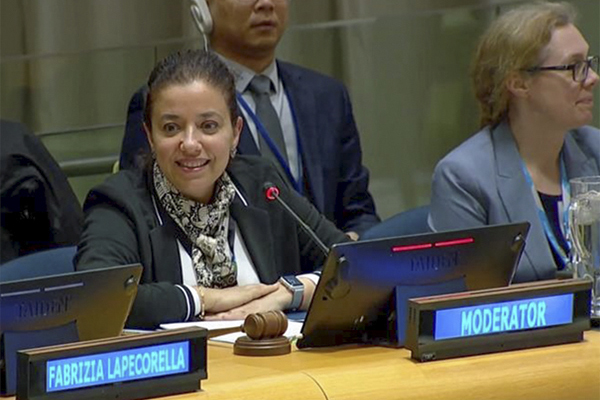
On 1 April, The President of the United Nations General Assembly convened a High-level Meeting on Middle-income Countries (MICs) under the theme “Addressing Structural Barriers to Sustainable Development in Middle-Income Countries.” The gathering, held at UN Headquarters in New York, brought together Member States, international organizations, and development experts to explore new approaches for cooperation with MICs.   Opening Segment: Catalyzing New Commitments Opening the event, the President of the General Assembly underscored the stagnating progress in MICs and called for moving beyond outdated, one-size-fits-all models of development, emphasizing 2025 as a turning point for concrete action aligned with the Pact for the Future. On behalf of the President of the Economic and Social Council (ECOSOC), the Vice President of ECOSOC highlighted that foundational transformations – including diversified economies and strengthened partnerships – were necessary to overcome the “middle-income trap.” Speaking for the Like-Minded Group in Support of Middle-Income Countries, the Permanent Representative of Morocco emphasized the need for a new multidimensional framework for cooperation that includes MICs in key international financing platforms and allows for more equitable access to resources. In her keynote address, the Secretary-General of the United Nations Conference on Trade and Development (UNCTAD) identified persistent poverty, commodity dependence, and trade fragility as structural barriers holding MICs back. She stressed the importance of a rules-based trading system and the need to prepare for new opportunities at UNCTAD 16 later this year. Finally, the Assistant Secretary-General for Economic Development, speaking on behalf of the UN Under-Secretary-General for Economic and Social Affairs, urged for a reimagining of multilateral cooperation, highlighting that MICs are both contributors and beneficiaries in the global development landscape. He announced that the Department of Economic and Social Affairs (DESA) is developing a dedicated response plan to address MIC-specific challenges such as unsustainable debt and digital transitions.   Strengthening South-South Cooperation: A Key Pillar of Development 26 Member States and Observers delivered statements during the plenary segment. A recurring theme throughout the meeting was the essential role of South-South and triangular cooperation in reshaping international development partnerships. Seen as vital complements to traditional North-South cooperation, these collaborative frameworks were recognized as powerful mechanisms for sharing knowledge, fostering resilience, and transferring technology among MICs. Several countries spotlighted national and regional efforts to scale up South-South initiatives – ranging from dedicated cooperation agencies to cross-border innovation networks and joint capacity-building platforms. Emphasis was placed on peer-to-peer learning models, particularly among countries facing similar transitions in their development trajectories. Additionally, many delegations reiterated calls for a comprehensive and system-wide UN response plan tailored specifically to MICs, as mandated in relevant General Assembly resolutions. Such a response must extend beyond policy advice to include concrete and coordinated actions: financial support, infrastructure development, technology access, and human capital investment. As echoed in multiple interventions, South-South and triangular cooperation are not peripheral – they are central to inclusive and sustainable development for MICs.   Panel Discussion: From Middle-Income Traps to Transformative Solutions A panel discussion, titled “International Development Cooperation with Middle-Income Countries, Including Policy and Financial Decisions”, took place in the afternoon and was moderated by Dima Al-Khatib, Director of the United Nations Office for South-South Cooperation. “South-South cooperation – as a complement to North-South Cooperation has evolved into a dynamic vehicle for sharing knowledge, skills, expertise, and resources,” said Ms. Al-Khatib. “Our challenge is how to elevate efforts to match the immensity of challenges.” By fostering partnerships within and with Middle-Income Countries, South-South and triangular cooperation can address some of the bottlenecks associated with the middle-income trap, including digital divide, poverty alleviation measures, innovative financing solutions and sharing of best practices, she noted. The panel discussion brought together experts and stakeholders to explore the complex challenges facing MICs, particularly the multifaceted “middle-income trap.” Panelists identified four interlinked dimensions – productivity, social vulnerability, institutional weaknesses, and environmental unsustainability – that inhibit progress. Emphasis was placed on the need for integrated reforms that promote economic diversification, strengthen governance, and adopt sustainable development pathways, especially in regions like Latin America. Enhanced South-South and triangular cooperation, innovation and digital transformation were underscored as essential to addressing the challenges, with blended financing and support for SMEs highlighted as key enablers. The discussion also emphasized the importance of redefining development beyond GDP, advocating for more nuanced and equitable metrics that reflect well-being, poverty, and environmental sustainability. With the majority of the world’s poor living in MICs, current classification systems were seen as inadequate. Panelists called for inclusive partnerships, encouraging more responsive, country-led, and whole-of-society approaches. They also addressed the escalating debt crisis in MICs, recommending new debt restructuring frameworks and climate-aligned financial tools. The upcoming Fourth International Conference on Financing for Development (FfD4) was highlighted as a pivotal opportunity to advocate ng for South-South and triangular cooperation tools; and to secure long-term, affordable financing that advance equitable global financial reforms.   ?? Watch the Panel Discussion  
Related Post


  • All Post
  • ATCT Featured Publications POM
  • BAPA+40
  • Blog
  • Capacity Development Initiatives
  • CICETE Featured Publications POM
  • CIKD
  • Cities Clusters - Agriculture
  • Cities Clusters - COVID-19
  • Cities Clusters - COVID-19 Knowledge Products
  • Cities Clusters - DRR
  • Cities Clusters - E-commerce
  • Cities Clusters - Tourism
  • Cities Clusters - Tourism Knowledge Products
  • Cities Clusters - Transport
  • Cities Clusters - Waste
  • Cities Project
  • Cities Project COVID-19 Newsletters
  • Cities Project COVID-19 Response
  • Cities Project Knowledge Products
  • Classic (untouched)
  • Climate Action
  • COMSATS Featured Publications POM
  • COMSATS Featured Solutions POM
  • Converted from Divi
  • Converted from Mixed
  • Converted from WPBakery
  • COVID-19
  • COVID-19 Page Featured Solutions
  • DRR Knowledge Products
  • DRR News
  • Empty Post
  • Events
  • Featured Event UN-Habitat POM
  • Financing for Development
  • Financing Mechanisms
  • g7+
  • Gender Events
  • Gender News
  • Good Practices in SSTrC Series
  • Good Practices Publications
  • Good Practices Thematic Series & Special Editions
  • Good Practices Vol. 2
  • Good Practices Vol. 3
  • GSSDC
  • Highlighted
  • Highlighted Publications
  • IAEA Featured Solutions POM
  • IBRAF Featured Publications POM
  • IBSA Fund
  • IBSA Fund Annual Reports
  • IBSA Fund News and Stories
  • IBSA Fund Publication
  • IBSA Fund Story
  • ICGEB Featured Events POM
  • ICGEB Featured Publications POM
  • ICGEB Featured Solutions POM
  • ILO Featured Events POM
  • ILO Featured Publications POM
  • ILO Featured Solutions POM
  • India-UN Development Partnership Fund
  • India-UN Fund Publication
  • India-UN Fund Story
  • IsDB
  • IsDB Featured Publications POM
  • IsDB SCC
  • News
  • Norec Featured Publications POM
  • Norec Featured Solutions POM
  • Peace and Development
  • PGTF Publications
  • PGTF Story
  • PICA Featured News POM
  • PICA Featured Publications POM
  • PICA Featured Solutions POM
  • PIDF Featured Publications POM
  • Publications
  • Regional Updates
  • Research
  • ROK-UNOSSC Facility
  • SGP Featured Publication POM
  • SGP Featured Solutions POM
  • Solution
  • South South in Action
  • South-South Global Thinkers
  • South-South Ideas
  • South-South Ideas Series
  • South-South in Action Series
  • Southern Response to COVID-19
  • SSN4PSI Featured Publications POM
  • SSN4PSI Featured Solutions POM
  • Training
  • UN Day for SSC 2020
  • UN Fund for SSC
  • UN SSC Day Publications
  • UN-Habitat Featured Publications POM
  • UN-HABITAT Featured Solutions POM
  • UNCCT
  • UNEP Featured Publications POM
  • UNFPA
  • UNFSSC Publication
  • UNFSSC Story
  • UNIDO Featured Publications POM
  • UNIDO Featured Solutions POM
  • UNIDO POM Events
  • UNOCT Featured Publications POM
  • UNV
  • UNV Featured Publications POM
  • WB Featured Publications POM
  • WB Featured Solutions POM
  • Webinars
  • WFP Featured Events POM
  • WFP Featured Publication POM
  • WFP Featured Solutions POM
  • WIPO
  • Workshops and Seminars
  • Youth4South
  • z Across the Globe 1
  • z Across the Globe 2
  • z Across the Globe 4
  • z Across the Globe 5
  • z Across the Globe 6
  • z Across the Globe 7
  • z Across the Globe 8
  • z ES BAPA+40
  • z ES Eventos
  • z ES Noticias
  • z ES Noticias Destacadas
  • z ES Publicaciones
  • z ES Publicaciones Destacadas
  • z ES Serie Buenas Prácticas en la CSSyT
  • z ES Serie El Sur-Sur en Acción
  • z FR Actualités
  • z FR BAPA+40
  • z FR Événements
  • z FR Publications
  • z FR Publications en vedette
  • z FR Série Bonnes pratiques en CSST
  • z FR Série Sud-Sud en action
  • z Highlighted News
  • z Photos
  • z Videos
  • z ZH BAPA+40
  • z ZH Events
  • z ZH News

ABOUT

Terms of Service

Privacy Policy

Disclosures

RESOURCES

Terms of Service

Privacy Policy

Disclosures

ENGAGE

Terms of Service

Privacy Policy

Disclosures

Copyright © UNOSSC/UNDP

wpChatIcon
wpChatIcon

Alliance Application Form

Submit an Expression of Interest and/or Demand Signal. UNOSSC reviews submissions on a rolling basis.

1. Official name of organization / institution / government entity (exclusions to apply) *
2. Country *
3. Region *
4. SDG *
Secondary SDG *
5. Partner category *
6. Website *
7. Brief description of your institution (max. 150 words) *
Name for the Lead *
Title for the Lead *
Email address for the Lead *
Name for the co-lead
Title for the co-lead
Email address for the co-lead
Section 3. Expression of Interest in the Alliance *
Additional information on proposed areas of engagement may be requested through the platform following initial review by the Alliance Secretariat.
Section 4. Due Diligence and Integrity Declaration *

Submission Note:

  • Submission of this Expression of Interest form does not automatically confer participation in the Alliance.
  • All submissions will be reviewed by the Alliance Secretariat, including basic eligibility screening and proportionate due diligence, as appropriate.
  • Participation in Alliance activities is determined based on relevance to articulated cooperation needs, alignment with Alliance principles, and integrity considerations.
  • Engagement under the Alliance is voluntary, non-binding, and facilitative in nature, and does not constitute funding approval, contractual commitment, or institutional membership.
  • The Alliance Secretariat may contact submitting entities for additional information or clarification during the review process.

Submission of Demand Form

Description of Demand

Indicate the type of support or cooperation requested through the Alliance.
Please briefly describe the challenge, gap, or priority. (Max. 300 words)

Thematic and Geographic Focus

Please indicate the main focus areas of your demand:

A. Thematic Areas (select up to three)
B. Geographic Focus (select all that apply)

Proposed Engagement Modalities

Please indicate how you would like to engage through the Alliance (select all that apply):

Expected Outcomes

Please indicate the main results you seek to achieve through this engagement. (Max. 200 words)
Examples:
• Capacity strengthened
• Partnerships established
• Sectoral or regional strategies co-developed
• Solutions piloted
• Knowledge generated
• Policies informed

Timeline and Readiness (if applicable)

1. Expected timeframe for engagement:
2. Current stage:

Additional Information

Please provide any additional information, documents, or links relevant to this submission.
(Max. 200 words or upload link)

Submission of Offer Form

Description of Contribution

Indicate the type of contribution your institution can provide and describe the expertise, resources, or solutions you may offer.
Please briefly describe your proposed contribution. (Max. 300 words)

Thematic and Geographic Focus

Please indicate the main focus areas of your interest:

A. Thematic Areas (select up to three)
B. Geographic Focus (select all that apply)

Proposed Engagement Modalities

Please indicate how you would like to engage through the Alliance (select all that apply):

Expected Outcomes

Please indicate the main results you aim to achieve through this engagement. (Max. 200 words)
Examples:
• Capacity strengthened
• Partnerships established
• Sectoral or regional strategies co-developed
• Solutions piloted
• Knowledge generated
• Policies informed

Timeline and Readiness (if applicable)

1. Expected timeframe for engagement:
2. Current stage:

Additional Information

Please provide any additional information, documents, or links relevant to this submission.
(Max. 200 words or upload link)

Organization Registration

Authentication & Due Diligence This prototype simulates identity verification, due diligence confirmation, and an authentication step before submission. *

First Name *
Last Name *
Email address *
Password *
Confirm Password *
Name of institution / organization *
Country / Region *
Organization Type *
Organization other *
Function / role *
Organization logo *
Maximum file size: 1 GB

Login

Login / email *
Password *
Remember me

Forgot password?

Connect form

Your name *
Email *
Organization / institution *
Job title / role *
Reason for connecting:
Short message

Scroll to Top