Efforts to achieve the 2030 Agenda are increasingly recognizing South-South cooperation as a vital pillar of international development. Yet, it remains a major form of development cooperation with limited consistent, global data tracking. This is changing with growing momentum to measure its impact – especially since the UN Statistical Commission endorsed SDG Indicator 17.3.1 in March 2022, along with a voluntary Conceptual Framework to Measure South-South Cooperation. Developed by countries of the Global South, this new UN framework offers a way to make South-South contributions more visible and comparable alongside decades of data on North-South flows, paving the way for more balanced and inclusive reporting.
At a recent
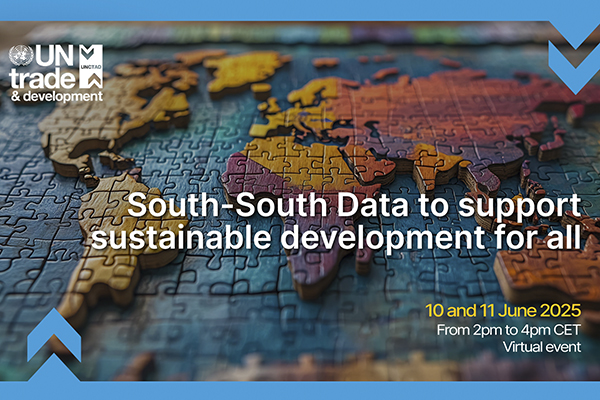
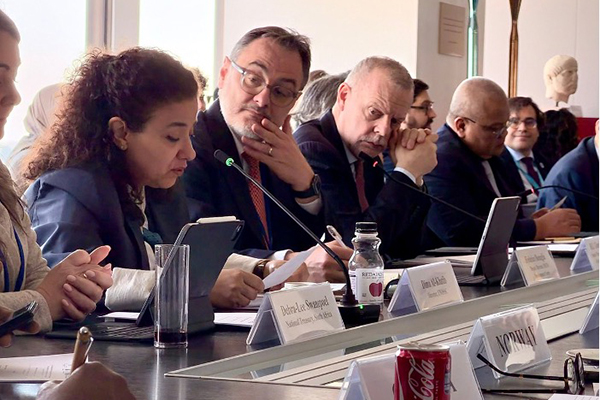
South-South Data to Support Sustainable Development for All event, Ms. Minerva Novero-Belec, Regional Policy Specialist at the United Nations Office for South-South Cooperation (UNOSSC), delivered a comprehensive presentation on behalf of the Office, spotlighting the latest tools and services designed to measure and advance South-South cooperation in support of the 2030 Agenda for Sustainable Development.
UNOSSC’s Mandate and Growing Role
UNOSSC’s central mandate, established by the UN General Assembly, to advocate for and coordinate South-South and triangular cooperation both within the UN system and globally, was highlighted. As the Secretariat of the High-level Committee on South-South Cooperation, UNOSSC provides technical, programmatic, and policy support to ensure that developing countries can leverage South-South and triangular cooperation to achieve their national development priorities.
The Challenge of Measuring South-South Cooperation
The persistent challenge of measuring flows and impact of South-South cooperation was noted. Despite South-South cooperation’s growth in volume, reach, and diversity, many developing countries still face difficulties in accounting for the transfer of human, financial, knowledge, and technological resources. These challenges are compounded by often inconsistent data recording, uneven national capacities, and the diversity of actors involved in South-South and triangular cooperation.
A Milestone in Measurement: The UNCTAD Manual
Toward addressing the challenges, the importance of the November 2024 launch of the
Manual for the Framework to Measure South-South Cooperation: Technical and Procedural Aspects for Pilot Testing by the United Nations Conference on Trade and Development (UNCTAD) was emphasized. Developed in close collaboration with UNOSSC and other UN partners, this manual represents a major milestone in the ongoing effort to provide developing countries with a standardized, voluntary approach to measuring and reporting their South-South cooperation activities.
The framework, now being piloted in Ecuador, Jordan, Malaysia, Namibia, Nigeria, Peru, and Qatar, aims to strengthen national capacities to report on Sustainable Development Goal (SDG) indicator 17.3.1, which tracks the mobilization of financial resources for development.
The manual is “Southern-led, context-sensitive, and designed to reflect the diverse modalities and multifaceted impacts of South-South cooperation.” The pilot countries will provide critical feedback on the feasibility and challenges of applying the framework, paving the way for broader adoption across the Global South.
UNOSSC Tools and Services: Supporting Data and Capacity
Ms. Novero-Belec outlined a suite of UNOSSC tools and services that complement the new measurement framework and support Member States in integrating South-South and triangular cooperation into their national and regional development strategies:
- e-Learning Module: UNOSSC’s new interactive module provides comprehensive guidance for UN staff and partners on integrating South-South and triangular cooperation into UN Sustainable Development Cooperation Frameworks (UNSDCFs) and regional plans. The module features strategic approaches, case studies, access to knowledge networks, and practical tools for planning, implementation, monitoring, and evaluation.
- Support for Voluntary National Reviews (VNRs): UNOSSC assists countries in integrating South-South and triangular cooperation in their VNRs at the High-Level Political Forum on Sustainable Development. In 2024, half of the 36 countries presenting VNRs included references to South-South and triangular cooperation, though Ms. Novero-Belec noted the urgent need for more robust data and methodologies to enable comprehensive reporting.
- Capacity Building: UNOSSC works closely with national statistical offices and cooperation agencies to strengthen institutional capacities, ensuring that measurement efforts enhance the real impact of South-South and triangular cooperation progress.
Participants reaffirmed UNOSSC’s pivotal partnership- and capacity-building- role in equipping countries with the tools and knowledge needed to harness the full potential of South-South cooperation, ensuring that progress towards the SDGs is both measurable and impactful.