• Home
  • /
  • Events
  • /
  • APRM-UNOSSC Roundtable: Advancing the Freetown Declaration Through South-South and Triangular Cooperation for Africa’s Sustainable Development

APRM-UNOSSC Roundtable: Advancing the Freetown Declaration Through South-South and Triangular Cooperation for Africa’s Sustainable Development


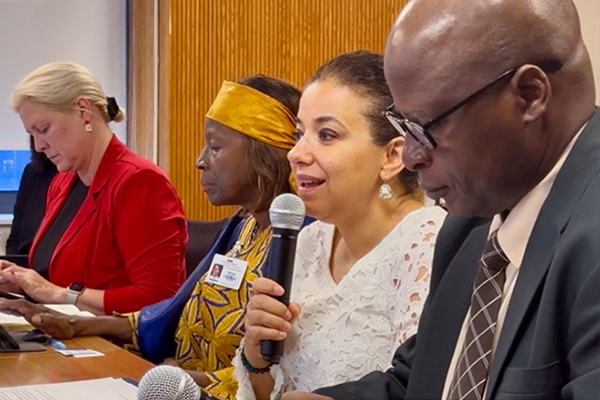
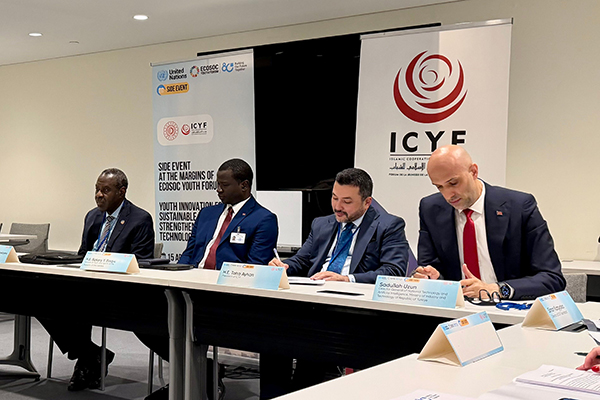
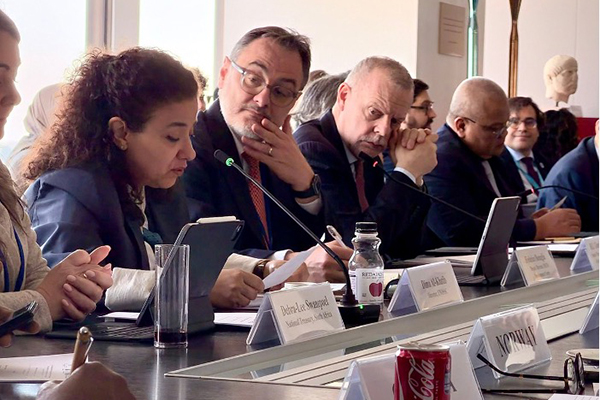
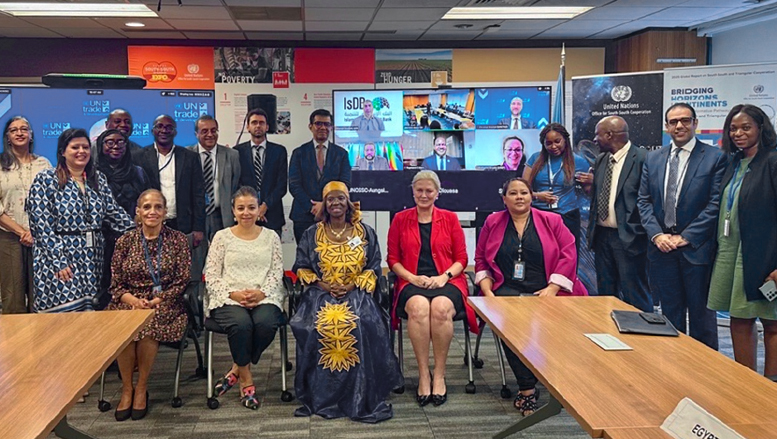
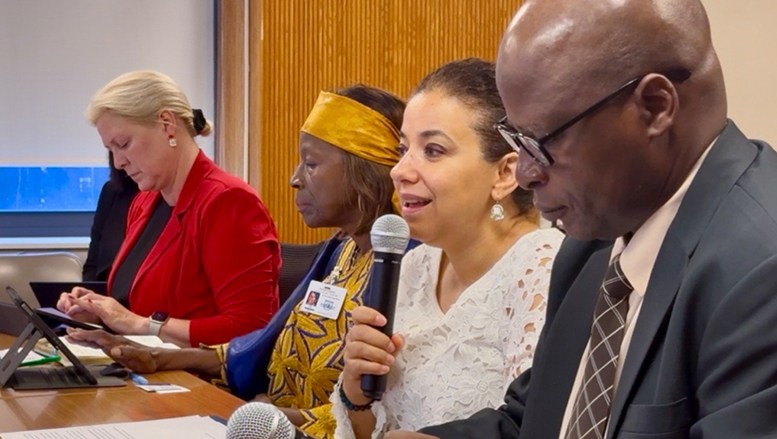
  At a roundtable convened on the margins of the 2025 High-level Political Forum, development partners gathered at the United Nations Office for South-South Cooperation (UNOSSC) to reaffirm commitment to translating the Freetown Declaration into action – transforming the outcomes of the Third Africa High-level Forum on South-South and Triangular Cooperation into bold, regional development solutions. Hosted by UNOSSC and the African Peer Review Mechanism (APRM), the hybrid event, themed “Taking the Freetown Declaration into Action: Leveraging South-South and Triangular Cooperation for Sustainable Development in Africa,” brought together ministers, diplomats, multilateral institutions, and youth voices to exchange strategies for implementing the Freetown Declaration and scaling South-South and triangular cooperation across the continent.   Freetown Forum: From Continental Commitment to Coordinated Action     Opening the dialogue, Ms. Dima Al-Khatib, Director of UNOSSC, emphasized that the success of South-South and triangular cooperation depends on “empowering regional institutions and mechanisms as core agents of cooperation.” She called for targeted capacity-building and robust partnership frameworks to place regional South-South cooperation at the center of SDG and Agenda 2063 implementation. H.E. Kenyeh Barlay, Sierra Leone’s Minister of Planning and Economic Development, reflected on the significance of the May 2025 Forum hosted in Freetown under the leadership of President Julius Maada Bio, calling it “not just a forum – but a continental turning point.” The Freetown Declaration, adopted at the conclusion of the Forum, outlines an ambitious framework to mainstream South-South and triangular cooperation across national governance systems, deepen regional partnerships, promote digital governance and civil service reform, and empower women and youth as agents of transformation. Minister Barlay affirmed Sierra Leone’s commitment to the Declaration, announcing the establishment of a Directorate of South-South Cooperation within her ministry to coordinate implementation and partnerships. “This is not a symbolic gesture,” she said. “We are moving from declaration to delivery – ready to lead by example.”   Sierra Leone’s Strategic Priorities for South-South and Triangular Cooperation In her remarks, Minister Barlay laid out Sierra Leone’s priorities for operationalizing the Freetown Declaration:
  • Institutionalizing South-South and triangular cooperation through national development planning frameworks and an inter-ministerial coordination mechanism;
  • Knowledge exchange on civil service reform (building on collaboration with Egypt), digital governance, and climate-resilient agriculture through Sierra Leone’s Feed Salone initiative;
  • Inclusive development with a focus on youth employment (targeting 500,000 jobs) and gender-responsive entrepreneurship under the African Continental Free Trade Area (AfCFTA);
  • Regional integration, leveraging Sierra Leone’s leadership role as Chairman of the ECOWAS Authority of Heads of State and Government to promote democratic governance, regional security, economic integration, and institutional reform.
The Minister called for strategic, solutions-oriented partnerships to support these priorities – particularly through technical cooperation, peer learning, and joint programming with countries across the Global South. Speaking on behalf of Amb. Marie- Antoinette Rose Quatre, Chief Executive Officer, APRM Continental Secretariat,  the African Peer Review  Chief of Staff reiterated APRM’s  key role and aim of equipping African countries with the frameworks and foresight needed to embed the South-South cooperation into their development plans noting that countries such as Rwanda, Egypt, and Morocco have demonstrated how legal, policy, and institutional reforms can embed South-South Cooperation at the national level and are working to document these best practices and support their scaling across the continent.   Voices from Across Africa and the Global South Professor Sachin Chaturvedi of India reflected on the continuity between regional platforms, from the second to the third Forum, and the growing momentum for Global South solidarity. Mr. Raymond Maro, Co-Founder & CEO, Ele-vate AI Africa, South Africa, brought a youth and private sector perspective, urging structured support for young innovators and entrepreneurs through national and regional platforms. Representatives from Egypt, South Africa, Brazil, Islamic Development Bank, OECD, UNDP, WFP and UNCTAD echoed support for the Freetown Declaration, emphasizing that South-South and triangular cooperation are not merely a modality but a strategy for resilience, equity, and reform.   Charting the Way Forward: Key Takeaways
  • The Freetown Declaration offers a comprehensive framework for mainstreaming South-South and triangular cooperation into Africa’s development agenda, with actionable commitments ranging from governance reform to digital transformation and food security.
  • Sierra Leone has emerged as a continental leader in operationalizing South-South and triangular cooperation through institutional innovation and political leadership, including President Julius Maada Bio’s appointment as Chair of ECOWAS.
  • Partners across the Global South, including the APRM, UNOSSC, and others, are working to replicate successful models, such as the Egypt-Sierra Leone cooperation on civil service reform.
  • Triangular cooperation remains essential, inviting the support of Northern partners in advancing shared goals through knowledge, financing, and technical expertise.
  A Call to Action: From Vision to Execution Participants agreed that the Declaration’s power lies in its actionable vision and its grounding in inclusive dialogue – from governments and institutions to youth and civil society. With sustained political will, capacity support, and peer exchange, the Freetown Declaration can serve as a cornerstone for building the Africa We Want – resilient, self-reliant, and united through South-South solidarity.   Contact: Ms. Cynthia Olouasa, Regional Policy Analyst, UNOSSC | cynthia.olouasa@unossc.org   More Info: ?? Read more on the 3rd Africa High-Level Forum on South-South and Triangular Cooperation ?? WFP video remarks, delivered by Dr. Hameed Nuru, Director, WFP office to the African Union  

Related Post


  • All Post
  • ATCT Featured Publications POM
  • BAPA+40
  • Blog
  • Capacity Development Initiatives
  • CICETE Featured Publications POM
  • CIKD
  • Cities Clusters - Agriculture
  • Cities Clusters - COVID-19
  • Cities Clusters - COVID-19 Knowledge Products
  • Cities Clusters - DRR
  • Cities Clusters - E-commerce
  • Cities Clusters - Tourism
  • Cities Clusters - Tourism Knowledge Products
  • Cities Clusters - Transport
  • Cities Clusters - Waste
  • Cities Project
  • Cities Project COVID-19 Newsletters
  • Cities Project COVID-19 Response
  • Cities Project Knowledge Products
  • Classic (untouched)
  • Climate Action
  • COMSATS Featured Publications POM
  • COMSATS Featured Solutions POM
  • Converted from Divi
  • Converted from Mixed
  • Converted from WPBakery
  • COVID-19
  • COVID-19 Page Featured Solutions
  • DRR Knowledge Products
  • DRR News
  • Empty Post
  • Events
  • Featured Event UN-Habitat POM
  • Financing for Development
  • Financing Mechanisms
  • g7+
  • Gender Events
  • Gender News
  • Good Practices in SSTrC Series
  • Good Practices Publications
  • Good Practices Thematic Series & Special Editions
  • Good Practices Vol. 2
  • Good Practices Vol. 3
  • GSSDC
  • Highlighted
  • Highlighted Publications
  • IAEA Featured Solutions POM
  • IBRAF Featured Publications POM
  • IBSA Fund
  • IBSA Fund Annual Reports
  • IBSA Fund News and Stories
  • IBSA Fund Publication
  • IBSA Fund Story
  • ICGEB Featured Events POM
  • ICGEB Featured Publications POM
  • ICGEB Featured Solutions POM
  • ILO Featured Events POM
  • ILO Featured Publications POM
  • ILO Featured Solutions POM
  • India-UN Development Partnership Fund
  • India-UN Fund Publication
  • India-UN Fund Story
  • IsDB
  • IsDB Featured Publications POM
  • IsDB SCC
  • News
  • Norec Featured Publications POM
  • Norec Featured Solutions POM
  • Peace and Development
  • PGTF Publications
  • PGTF Story
  • PICA Featured News POM
  • PICA Featured Publications POM
  • PICA Featured Solutions POM
  • PIDF Featured Publications POM
  • Publications
  • Regional Updates
  • Research
  • ROK-UNOSSC Facility
  • SGP Featured Publication POM
  • SGP Featured Solutions POM
  • Solution
  • South South in Action
  • South-South Global Thinkers
  • South-South Ideas
  • South-South Ideas Series
  • South-South in Action Series
  • Southern Response to COVID-19
  • SSN4PSI Featured Publications POM
  • SSN4PSI Featured Solutions POM
  • Training
  • UN Day for SSC 2020
  • UN Fund for SSC
  • UN SSC Day Publications
  • UN-Habitat Featured Publications POM
  • UN-HABITAT Featured Solutions POM
  • UNCCT
  • UNEP Featured Publications POM
  • UNFPA
  • UNFSSC Publication
  • UNFSSC Story
  • UNIDO Featured Publications POM
  • UNIDO Featured Solutions POM
  • UNIDO POM Events
  • UNOCT Featured Publications POM
  • UNV
  • UNV Featured Publications POM
  • WB Featured Publications POM
  • WB Featured Solutions POM
  • Webinars
  • WFP Featured Events POM
  • WFP Featured Publication POM
  • WFP Featured Solutions POM
  • WIPO
  • Workshops and Seminars
  • Youth4South
  • z Across the Globe 1
  • z Across the Globe 2
  • z Across the Globe 4
  • z Across the Globe 5
  • z Across the Globe 6
  • z Across the Globe 7
  • z Across the Globe 8
  • z ES BAPA+40
  • z ES Eventos
  • z ES Noticias
  • z ES Noticias Destacadas
  • z ES Publicaciones
  • z ES Publicaciones Destacadas
  • z ES Serie Buenas Prácticas en la CSSyT
  • z ES Serie El Sur-Sur en Acción
  • z FR Actualités
  • z FR BAPA+40
  • z FR Événements
  • z FR Publications
  • z FR Publications en vedette
  • z FR Série Bonnes pratiques en CSST
  • z FR Série Sud-Sud en action
  • z Highlighted News
  • z Photos
  • z Videos
  • z ZH BAPA+40
  • z ZH Events
  • z ZH News

ABOUT

Terms of Service

Privacy Policy

Disclosures

RESOURCES

Terms of Service

Privacy Policy

Disclosures

ENGAGE

Terms of Service

Privacy Policy

Disclosures

Copyright © UNOSSC/UNDP

wpChatIcon
wpChatIcon

Alliance Application Form

Submit an Expression of Interest and/or Demand Signal. UNOSSC reviews submissions on a rolling basis.

1. Official name of organization / institution / government entity (exclusions to apply) *
2. Country *
3. Region *
4. SDG *
Secondary SDG *
5. Partner category *
6. Website *
7. Brief description of your institution (max. 150 words) *
Name for the Lead *
Title for the Lead *
Email address for the Lead *
Name for the co-lead
Title for the co-lead
Email address for the co-lead
Section 3. Expression of Interest in the Alliance *
Additional information on proposed areas of engagement may be requested through the platform following initial review by the Alliance Secretariat.
Section 4. Due Diligence and Integrity Declaration *

Submission Note:

  • Submission of this Expression of Interest form does not automatically confer participation in the Alliance.
  • All submissions will be reviewed by the Alliance Secretariat, including basic eligibility screening and proportionate due diligence, as appropriate.
  • Participation in Alliance activities is determined based on relevance to articulated cooperation needs, alignment with Alliance principles, and integrity considerations.
  • Engagement under the Alliance is voluntary, non-binding, and facilitative in nature, and does not constitute funding approval, contractual commitment, or institutional membership.
  • The Alliance Secretariat may contact submitting entities for additional information or clarification during the review process.

Submission of Demand Form

Description of Demand

Indicate the type of support or cooperation requested through the Alliance.
Please briefly describe the challenge, gap, or priority. (Max. 300 words)

Thematic and Geographic Focus

Please indicate the main focus areas of your demand:

A. Thematic Areas (select up to three)
B. Geographic Focus (select all that apply)

Proposed Engagement Modalities

Please indicate how you would like to engage through the Alliance (select all that apply):

Expected Outcomes

Please indicate the main results you seek to achieve through this engagement. (Max. 200 words)
Examples:
• Capacity strengthened
• Partnerships established
• Sectoral or regional strategies co-developed
• Solutions piloted
• Knowledge generated
• Policies informed

Timeline and Readiness (if applicable)

1. Expected timeframe for engagement:
2. Current stage:

Additional Information

Please provide any additional information, documents, or links relevant to this submission.
(Max. 200 words or upload link)

Submission of Offer Form

Description of Contribution

Indicate the type of contribution your institution can provide and describe the expertise, resources, or solutions you may offer.
Please briefly describe your proposed contribution. (Max. 300 words)

Thematic and Geographic Focus

Please indicate the main focus areas of your interest:

A. Thematic Areas (select up to three)
B. Geographic Focus (select all that apply)

Proposed Engagement Modalities

Please indicate how you would like to engage through the Alliance (select all that apply):

Expected Outcomes

Please indicate the main results you aim to achieve through this engagement. (Max. 200 words)
Examples:
• Capacity strengthened
• Partnerships established
• Sectoral or regional strategies co-developed
• Solutions piloted
• Knowledge generated
• Policies informed

Timeline and Readiness (if applicable)

1. Expected timeframe for engagement:
2. Current stage:

Additional Information

Please provide any additional information, documents, or links relevant to this submission.
(Max. 200 words or upload link)

Organization Registration

Authentication & Due Diligence This prototype simulates identity verification, due diligence confirmation, and an authentication step before submission. *

First Name *
Last Name *
Email address *
Password *
Confirm Password *
Name of institution / organization *
Country / Region *
Organization Type *
Organization other *
Function / role *
Organization logo *
Maximum file size: 1 GB

Login

Login / email *
Password *
Remember me

Forgot password?

Connect form

Your name *
Email *
Organization / institution *
Job title / role *
Reason for connecting:
Short message

Scroll to Top