India-UN Fund: From Resilience to Opportunity: Building Inclusive Futures in Burundi
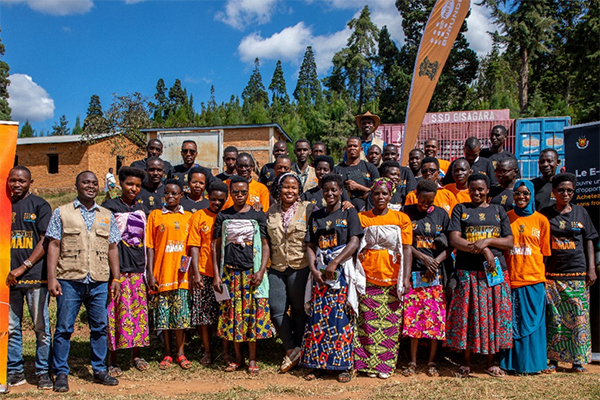
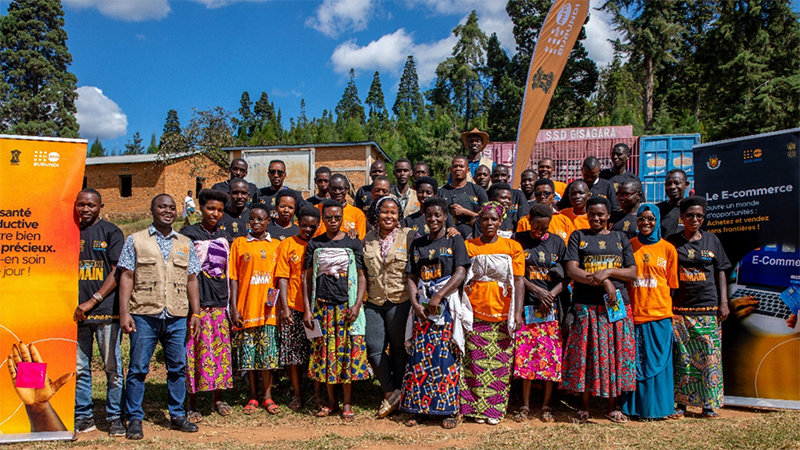 Women and young people in Burundi are gaining new skills, knowledge, and opportunities to build more secure futures, thanks to a transformative initiative supported by the India-UN Development Partnership Fund through the United Nations Office for South-South Cooperation (UNOSSC), and implemented by UNFPA Burundi in collaboration with government and civil society partners.
Through expanded access to vocational training, reproductive health services, and youth-friendly spaces, the project has created new pathways for empowerment and resilience – marking an important step forward for inclusive national development.
For decades, Burundi has grappled with high levels of poverty and inequality, with women and youth disproportionately affected. Limited access to education, health care, and sustainable livelihoods has constrained opportunities, while climate change and fragile governance structures have deepened vulnerabilities. Against this backdrop, the initiative set out to deliver practical solutions that could transform lives and strengthen institutions.
The project integrated a range of interventions to empower communities. Thousands of young people received vocational training to help them secure livelihoods and respond to market needs. Schools and communities introduced comprehensive sexuality education, equipping adolescents with accurate information and life skills. Maternal and reproductive health services were strengthened, ensuring women had greater access to quality care. At the same time, youth-friendly spaces offered safe environments for learning, leadership, and entrepreneurship, while community awareness campaigns worked to challenge stereotypes and promote gender equality.
A defining feature of the initiative was its South-South dimension. Burundian stakeholders exchanged experiences with peers across Africa and beyond, drawing inspiration from successful approaches in similar contexts. These exchanges enriched local solutions and highlighted the power of solidarity among developing nations in addressing shared challenges.
By the close of the project, results were evident across multiple fronts. Women and girls accessed reproductive health services at higher rates, strengthening equality and reducing vulnerabilities. Young people gained practical skills and competencies, better preparing them to participate in the economy and society. Awareness campaigns reached broad audiences, helping shift perceptions of gender roles and youth leadership. Importantly, the initiative also strengthened institutional capacities, embedding inclusive approaches into national policies and strategies.
The impact extends well beyond the individuals directly reached. By reinforcing the role of civil society and strengthening government systems, the project has laid the foundation for lasting policy change and sustainable development.
This progress – made possible through the generosity of the people and Government of India – stands as a powerful example of South-South cooperation in action, turning vulnerability into opportunity, enhancing resilience, and advancing the Sustainable Development Goals.
Women and young people in Burundi are gaining new skills, knowledge, and opportunities to build more secure futures, thanks to a transformative initiative supported by the India-UN Development Partnership Fund through the United Nations Office for South-South Cooperation (UNOSSC), and implemented by UNFPA Burundi in collaboration with government and civil society partners.
Through expanded access to vocational training, reproductive health services, and youth-friendly spaces, the project has created new pathways for empowerment and resilience – marking an important step forward for inclusive national development.
For decades, Burundi has grappled with high levels of poverty and inequality, with women and youth disproportionately affected. Limited access to education, health care, and sustainable livelihoods has constrained opportunities, while climate change and fragile governance structures have deepened vulnerabilities. Against this backdrop, the initiative set out to deliver practical solutions that could transform lives and strengthen institutions.
The project integrated a range of interventions to empower communities. Thousands of young people received vocational training to help them secure livelihoods and respond to market needs. Schools and communities introduced comprehensive sexuality education, equipping adolescents with accurate information and life skills. Maternal and reproductive health services were strengthened, ensuring women had greater access to quality care. At the same time, youth-friendly spaces offered safe environments for learning, leadership, and entrepreneurship, while community awareness campaigns worked to challenge stereotypes and promote gender equality.
A defining feature of the initiative was its South-South dimension. Burundian stakeholders exchanged experiences with peers across Africa and beyond, drawing inspiration from successful approaches in similar contexts. These exchanges enriched local solutions and highlighted the power of solidarity among developing nations in addressing shared challenges.
By the close of the project, results were evident across multiple fronts. Women and girls accessed reproductive health services at higher rates, strengthening equality and reducing vulnerabilities. Young people gained practical skills and competencies, better preparing them to participate in the economy and society. Awareness campaigns reached broad audiences, helping shift perceptions of gender roles and youth leadership. Importantly, the initiative also strengthened institutional capacities, embedding inclusive approaches into national policies and strategies.
The impact extends well beyond the individuals directly reached. By reinforcing the role of civil society and strengthening government systems, the project has laid the foundation for lasting policy change and sustainable development.
This progress – made possible through the generosity of the people and Government of India – stands as a powerful example of South-South cooperation in action, turning vulnerability into opportunity, enhancing resilience, and advancing the Sustainable Development Goals.