• Home
  • /
  • News
  • /
  • Op-Ed: Reinforcing International Development for the 21st Century – Portugal’s Case for Triangular Cooperation

Op-Ed: Reinforcing International Development for the 21st Century – Portugal’s Case for Triangular Cooperation


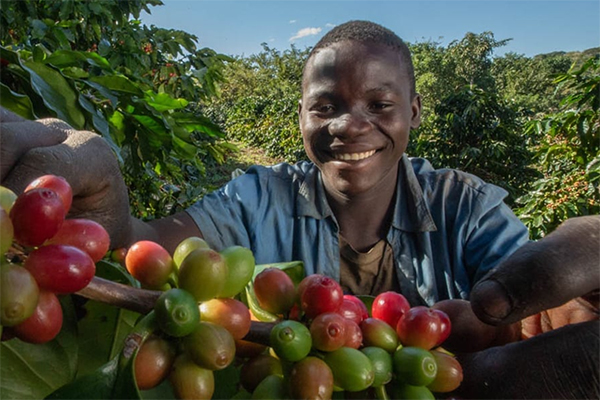
by H.E. Ana Isabel Xavier and Ms. Dima Al-Khatib   As the world searches for more inclusive and effective ways to tackle shared challenges, Portugal and the United Nations Office for South-South Cooperation (UNOSSC) are making a compelling case for triangular cooperation. Together, they are calling on partners – from governments and development agencies to the private sector and civil society – to pool knowledge, resources, and innovation to drive sustainable development. Their message is simple yet powerful: in an era defined by complexity and interdependence, progress depends on partnerships built on trust, solidarity, and shared responsibility.   Triangular cooperation in action In the mountains around Gorongosa National Park, coffee plants are helping to reverse deforestation and restore natural biodiversity, while also increasing income and food security for Gorongosa’s rural communities. Farmers, agriculture specialists, and researchers from three Portuguese-speaking countries meet regularly — not just to cultivate beans, but to cultivate trust and knowledge. The initiative is called Tricafé — a partnership between Mozambique, Brazil and Portugal. Rooted in the principles of mutual benefit, solidarity, and shared responsibility — the key tenets of South-South cooperation — Tricafé is a concrete example of how a new kind of international cooperation is taking root, shedding light on the vital role of trust in building meaningful and lasting partnerships. As those involved like to say, “it is through unity that the project moves forward” (ABC: 2023). That unity has brought tangible results: over the past eight years, Tricafé has improved the lives of more than 1,000 farming families, directly or indirectly involved in the coffee value chain. In its second phase since 2024, the project has expanded its geographical focus to include Chimanimani National Park, part of the Transfrontier Conservation Area with Zimbabwe. Under this initiative, Instituto Superior de Agronomia — a Portuguese University — through the Portuguese Cooperation Agency, Camões, I.P., provides financing, training, and links to European markets. Brazilian experts share their knowledge and best practices about tropical coffee production and cooperative management, while Mozambican farmers lead efforts to adapt sustainable agroforestry methods to their soil and climate. Together, they have trained hundreds of farmers, published research studies and practical guides, and enabled Gorongosa-grown coffee to reach regional and international markets, including Europe (Celebrating ‘A Nossa Gorongosa’). In this partnership, each partner learns, invests, and shares technical and financial responsibility. That circular dynamic of shared knowledge, mutual respect and benefit and collective purpose is at the heart of triangular cooperation.   Rethinking cooperation in a changing world For much of the past eight decades, international cooperation followed a familiar pattern: countries in the Global North provided aid to those in the Global South. While globalisation, a hallmark of this era, brought undeniable progress, it has also deepened power imbalances and widened inequalities — both within and between countries. The world has changed, particularly since COVID-19. Many nations once labeled as “recipients” or “beneficiaries” have grown stronger, with governance built on stable institutions. At the same time, global challenges — from climate change to inequality, migration, and the rise of AI — demand solutions that are responsive, collaborative and grounded in the realities of each context. This is where triangular cooperation comes in. By bringing together two developing countries and a third partner — often another government and/or an international organisation — to co-design and implement initiatives, this modality bridges the gaps and fosters more peaceful and prosperous societies. Triangular cooperation is not a substitute for North-South or South-South cooperation; instead, it complements them, often enhancing their impact. It promotes multilateralism and it is built on multi-actor and multi-level partnerships, that are rooted in exchange and guided by solidarity. (SSC/19/3) Anchored in the Portuguese Cooperation Strategy 2030 (ECP 2030), Portugal is reinforcing its commitment to triangular cooperation both at an institutional and operational level. This is translated through partnerships with like-minded countries from the Global South and the Global North, and through a growing engagement with the multilateral system, most notably with the United Nations Office for South-South Cooperation (UNOSSC), which plays a pivotal role in advancing South-South and triangular cooperation as pathways to a more balanced cooperation among nations and faster progress toward the Sustainable Development Goals (SDGs). Both Portugal and UNOSSC believe that, in the current context of pluri-crises and in rapid transformation, the present and the future depend on building trust, which triangular cooperation embodies at its best.   Translating policy commitments into practice Portugal is investing in triangular cooperation in tangible ways. Through the Portuguese Cooperation Agency Camões, I.P., the country has created the Portugal-Latin America-Africa Triangular Cooperation Fund, managed by the Ibero-American General Secretariat (SEGIB). This mechanism supports initiatives where partners from these regions co-design and implement projects that respond to real, local needs. Portugal also proudly supports the Triangular Cooperation Window under the United Nations Fund for South-South Cooperation (UNFSSC). Through it, we are advancing a Blue Economy pilot project with Angola, Chile, and Jamaica — linking science, policy, and academia/research communities, and building resilience across regions. These efforts position Portugal as a facilitator of interregional cooperation — strengthening ties between Latin America and Africa, drawing lessons from these partnerships, and helping to build the institutional foundations for a more collaborative and resilient world.   Why it matters and the road ahead Development cooperation is at a pivotal moment. In an increasingly complex cooperation landscape — what some describe as a “post-ODA world” — triangular cooperation has never been more relevant. It offers a practical and effective way forward, albeit not always quick or without its own challenges. By combining resources, technical expertise, and innovative approaches from multiple partners, this modality helps ensure that efforts from all partners involved achieve greater reach and impact. Triangular cooperation also strengthens ownership: when countries collaboratively design and implement initiatives, they are more likely to sustain them. In an era marked by fragmentation, triangular cooperation shows us that cooperation is not only about finance, but about trust, solidarity, and shared responsibility. It is precisely within this spirit that Portugal and UNOSSC are working closely with other multilateral organizations, such as the Organisation for Economic Co-operation and Development (OECD), and that Portugal is co-organizing, with the latter, the 9th International Meeting on Triangular Co-operation in Lisbon, 29-30 October.   ?? Read more about the 9th International Meeting on Triangular Co-operation ?? Article – Camões, I.P. ?? Article – O Observador   Ana Isabel Xavier is Secretary of State for Foreign Affairs and Cooperation, Portugal. Dima Al-Khatib is Director of the United Nations Office for South-South Cooperation.  
Related Post


  • All Post
  • ATCT Featured Publications POM
  • BAPA+40
  • Blog
  • Capacity Development Initiatives
  • CICETE Featured Publications POM
  • CIKD
  • Cities Clusters - Agriculture
  • Cities Clusters - COVID-19
  • Cities Clusters - COVID-19 Knowledge Products
  • Cities Clusters - DRR
  • Cities Clusters - E-commerce
  • Cities Clusters - Tourism
  • Cities Clusters - Tourism Knowledge Products
  • Cities Clusters - Transport
  • Cities Clusters - Waste
  • Cities Project
  • Cities Project COVID-19 Newsletters
  • Cities Project COVID-19 Response
  • Cities Project Knowledge Products
  • Classic (untouched)
  • Climate Action
  • COMSATS Featured Publications POM
  • COMSATS Featured Solutions POM
  • Converted from Divi
  • Converted from Mixed
  • Converted from WPBakery
  • COVID-19
  • COVID-19 Page Featured Solutions
  • DRR Knowledge Products
  • DRR News
  • Empty Post
  • Events
  • Featured Event UN-Habitat POM
  • Financing for Development
  • Financing Mechanisms
  • g7+
  • Gender Events
  • Gender News
  • Good Practices in SSTrC Series
  • Good Practices Publications
  • Good Practices Thematic Series & Special Editions
  • Good Practices Vol. 2
  • Good Practices Vol. 3
  • GSSDC
  • Highlighted
  • Highlighted Publications
  • IAEA Featured Solutions POM
  • IBRAF Featured Publications POM
  • IBSA Fund
  • IBSA Fund Annual Reports
  • IBSA Fund News and Stories
  • IBSA Fund Publication
  • IBSA Fund Story
  • ICGEB Featured Events POM
  • ICGEB Featured Publications POM
  • ICGEB Featured Solutions POM
  • ILO Featured Events POM
  • ILO Featured Publications POM
  • ILO Featured Solutions POM
  • India-UN Development Partnership Fund
  • India-UN Fund Publication
  • India-UN Fund Story
  • IsDB
  • IsDB Featured Publications POM
  • IsDB SCC
  • News
  • Norec Featured Publications POM
  • Norec Featured Solutions POM
  • Peace and Development
  • PGTF Publications
  • PGTF Story
  • PICA Featured News POM
  • PICA Featured Publications POM
  • PICA Featured Solutions POM
  • PIDF Featured Publications POM
  • Publications
  • Regional Updates
  • Research
  • ROK-UNOSSC Facility
  • SGP Featured Publication POM
  • SGP Featured Solutions POM
  • Solution
  • South South in Action
  • South-South Global Thinkers
  • South-South Ideas
  • South-South Ideas Series
  • South-South in Action Series
  • Southern Response to COVID-19
  • SSN4PSI Featured Publications POM
  • SSN4PSI Featured Solutions POM
  • Training
  • UN Day for SSC 2020
  • UN Fund for SSC
  • UN SSC Day Publications
  • UN-Habitat Featured Publications POM
  • UN-HABITAT Featured Solutions POM
  • UNCCT
  • UNEP Featured Publications POM
  • UNFPA
  • UNFSSC Publication
  • UNFSSC Story
  • UNIDO Featured Publications POM
  • UNIDO Featured Solutions POM
  • UNIDO POM Events
  • UNOCT Featured Publications POM
  • UNV
  • UNV Featured Publications POM
  • WB Featured Publications POM
  • WB Featured Solutions POM
  • Webinars
  • WFP Featured Events POM
  • WFP Featured Publication POM
  • WFP Featured Solutions POM
  • WIPO
  • Workshops and Seminars
  • Youth4South
  • z Across the Globe 1
  • z Across the Globe 2
  • z Across the Globe 4
  • z Across the Globe 5
  • z Across the Globe 6
  • z Across the Globe 7
  • z Across the Globe 8
  • z ES BAPA+40
  • z ES Eventos
  • z ES Noticias
  • z ES Noticias Destacadas
  • z ES Publicaciones
  • z ES Publicaciones Destacadas
  • z ES Serie Buenas Prácticas en la CSSyT
  • z ES Serie El Sur-Sur en Acción
  • z FR Actualités
  • z FR BAPA+40
  • z FR Événements
  • z FR Publications
  • z FR Publications en vedette
  • z FR Série Bonnes pratiques en CSST
  • z FR Série Sud-Sud en action
  • z Highlighted News
  • z Photos
  • z Videos
  • z ZH BAPA+40
  • z ZH Events
  • z ZH News

ABOUT

Terms of Service

Privacy Policy

Disclosures

RESOURCES

Terms of Service

Privacy Policy

Disclosures

ENGAGE

Terms of Service

Privacy Policy

Disclosures

Copyright © UNOSSC/UNDP

wpChatIcon
wpChatIcon

Alliance Application Form

Submit an Expression of Interest and/or Demand Signal. UNOSSC reviews submissions on a rolling basis.

1. Official name of organization / institution / government entity (exclusions to apply) *
2. Country *
3. Region *
4. SDG *
Secondary SDG *
5. Partner category *
6. Website *
7. Brief description of your institution (max. 150 words) *
Name for the Lead *
Title for the Lead *
Email address for the Lead *
Name for the co-lead
Title for the co-lead
Email address for the co-lead
Section 3. Expression of Interest in the Alliance *
Additional information on proposed areas of engagement may be requested through the platform following initial review by the Alliance Secretariat.
Section 4. Due Diligence and Integrity Declaration *

Submission Note:

  • Submission of this Expression of Interest form does not automatically confer participation in the Alliance.
  • All submissions will be reviewed by the Alliance Secretariat, including basic eligibility screening and proportionate due diligence, as appropriate.
  • Participation in Alliance activities is determined based on relevance to articulated cooperation needs, alignment with Alliance principles, and integrity considerations.
  • Engagement under the Alliance is voluntary, non-binding, and facilitative in nature, and does not constitute funding approval, contractual commitment, or institutional membership.
  • The Alliance Secretariat may contact submitting entities for additional information or clarification during the review process.

Submission of Demand Form

Description of Demand

Indicate the type of support or cooperation requested through the Alliance.
Please briefly describe the challenge, gap, or priority. (Max. 300 words)

Thematic and Geographic Focus

Please indicate the main focus areas of your demand:

A. Thematic Areas (select up to three)
B. Geographic Focus (select all that apply)

Proposed Engagement Modalities

Please indicate how you would like to engage through the Alliance (select all that apply):

Expected Outcomes

Please indicate the main results you seek to achieve through this engagement. (Max. 200 words)
Examples:
• Capacity strengthened
• Partnerships established
• Sectoral or regional strategies co-developed
• Solutions piloted
• Knowledge generated
• Policies informed

Timeline and Readiness (if applicable)

1. Expected timeframe for engagement:
2. Current stage:

Additional Information

Please provide any additional information, documents, or links relevant to this submission.
(Max. 200 words or upload link)

Submission of Offer Form

Description of Contribution

Indicate the type of contribution your institution can provide and describe the expertise, resources, or solutions you may offer.
Please briefly describe your proposed contribution. (Max. 300 words)

Thematic and Geographic Focus

Please indicate the main focus areas of your interest:

A. Thematic Areas (select up to three)
B. Geographic Focus (select all that apply)

Proposed Engagement Modalities

Please indicate how you would like to engage through the Alliance (select all that apply):

Expected Outcomes

Please indicate the main results you aim to achieve through this engagement. (Max. 200 words)
Examples:
• Capacity strengthened
• Partnerships established
• Sectoral or regional strategies co-developed
• Solutions piloted
• Knowledge generated
• Policies informed

Timeline and Readiness (if applicable)

1. Expected timeframe for engagement:
2. Current stage:

Additional Information

Please provide any additional information, documents, or links relevant to this submission.
(Max. 200 words or upload link)

Organization Registration

Authentication & Due Diligence This prototype simulates identity verification, due diligence confirmation, and an authentication step before submission. *

First Name *
Last Name *
Email address *
Password *
Confirm Password *
Name of institution / organization *
Country / Region *
Organization Type *
Organization other *
Function / role *
Organization logo *
Maximum file size: 1 GB

Login

Login / email *
Password *
Remember me

Forgot password?

Connect form

Your name *
Email *
Organization / institution *
Job title / role *
Reason for connecting:
Short message

Scroll to Top