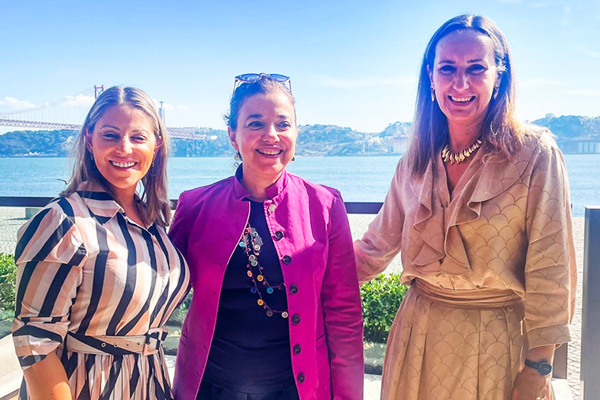
As part of its efforts to strengthen collaboration with key partners to advance South-South and triangular cooperation for sustainable development, the United Nations Office for South-South Cooperation (UNOSSC) conducted a series of high-level meetings and strategic engagements in Lisbon, Portugal.
UNOSSC reinforced cooperation with the Government of Portugal and leading Portuguese institutions in support of developing countries’ priorities under the 2030 Agenda for Sustainable Development. Discussions focused on enhancing collaboration in areas such as the blue economy, science and innovation, and youth empowerment – as well as preparing for the 9th International Meeting on Triangular Cooperation, held in Lisbon on 29-30 October.
“In a world of division, triangular cooperation – as a complement to South-South cooperation and founded on the same principle – is a bridge connecting knowledge, trust, and purpose.
This annual convening reminds us of our collective spirit – essential in navigating today’s fast-changing global development and financing landscape,” Ms. Dima Al-Khatib, Director, UN Office for South-South Cooperation, said in video remarks to the Meeting.
Strengthening Cooperation with the Government of Portugal
UNOSSC Director Ms. Dima Al-Khatib met with H.E. Dr. Ana Isabel Xavier, Secretary of State for Foreign Affairs and Cooperation, and Ms. Florbela Paraíba, President of Camões, I.P., to discuss advancing triangular cooperation within the evolving global development landscape.
The meeting reaffirmed Portugal’s strong commitment to South-South and triangular cooperation, emphasizing its role in fostering bridge-building between Africa and Latin America and its engagement with national and philanthropic partners such as the Aga Khan Foundation, the Gulbenkian Foundation, and the North-South Centre of the Council of Europe.
The discussions underscored the importance of knowledge-sharing, capacity-building, and technical cooperation, as well as follow-up to the Fourth International Conference on Financing for Development (FfD4), particularly in addressing the needs of Small Island Developing States (SIDS) and other vulnerable countries.
Building Partnerships with Foundations and Innovation Actors
UNOSSC’s engagement also included meetings with leading Portuguese foundations and development organizations to explore synergies in advancing South-South and triangular cooperation and the Sustainable Development Goals (SDGs).
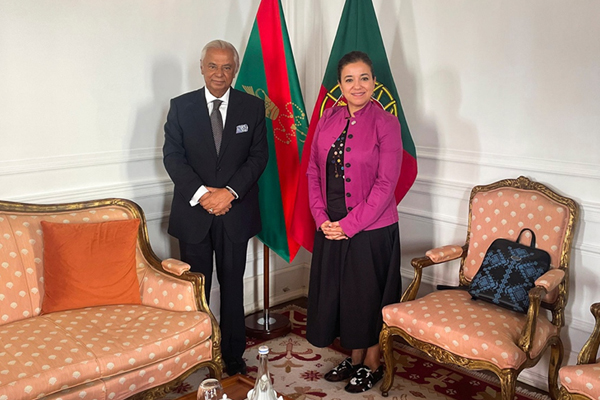 A courtesy meeting with Comendador Nazim Ahmad of the Aga Khan Foundation, joined by former Minister of Foreign Affairs Mr. Luís Amado, explored shared priorities in sustainable development and human capacity-building. Both sides recognized strong complementarities and agreed that UNOSSC would share proposals for future South-South and triangular collaboration.
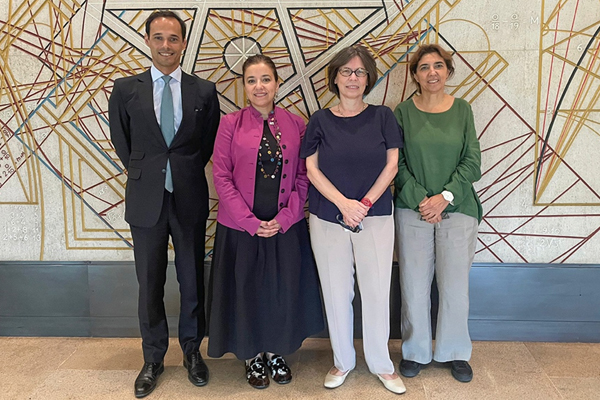 At the Calouste Gulbenkian Foundation, Director Ms. Maria Hermínia Cabral presented the Foundation’s work under its Partnerships for Development Programme, focusing on STEM education, health research, and art in Portuguese-speaking African countries. Based on the Foundation’s mapping of its current operations in these areas potential synergies with UNOSSC will be explored.
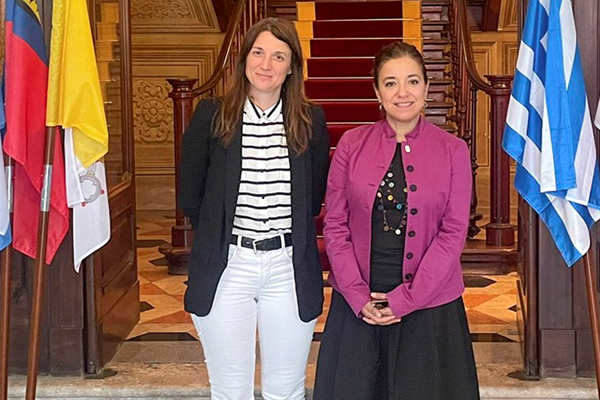 UNOSSC Director Ms. Dima Al-Khatib and Ms. Rocio Cervera, Deputy Executive Director of the North-South Centre of the Council of Europe, discussed expanding cooperation on youth engagement, among others. Both sides agreed to continue collaboration, particularly in advancing youth-focused South-South and triangular cooperation initiatives.
Advancing Collaboration in Science and Technology
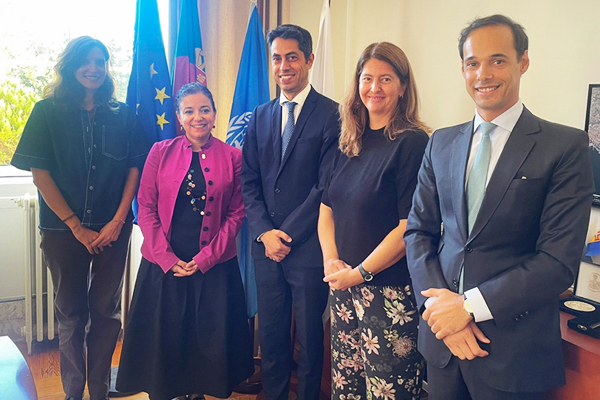
UNOSSC also met with Mr. Hugo André Costa, Director of the Portuguese Space Agency (PSA), to explore cooperation in science, technology, and innovation. The meeting highlighted the UN-Portugal Outer Space Fellowship (2025) – a capacity-building initiative for SIDS, Least Developed Countries (LDCs), and Landlocked Developing Countries (LLDCs) – as a key area of engagement.
UNOSSC Director Ms. Dima Al-Khatib and Ms. Rocio Cervera, Deputy Executive Director of the North-South Centre of the Council of Europe, discussed expanding cooperation on youth engagement, among others. Both sides agreed to continue collaboration, particularly in advancing youth-focused South-South and triangular cooperation initiatives.
Advancing Collaboration in Science and Technology
UNOSSC also met with Mr. Hugo André Costa, Director of the Portuguese Space Agency (PSA), to explore cooperation in science, technology, and innovation. The meeting highlighted the UN-Portugal Outer Space Fellowship (2025) – a capacity-building initiative for SIDS, Least Developed Countries (LDCs), and Landlocked Developing Countries (LLDCs) – as a key area of engagement.
 The programme includes training on space law, data analysis, and space sustainability, offering opportunities to strengthen developing countries’ capacities in the use of space technologies for sustainable development. Both sides expressed interest in building on existing UNOSSC partnerships, including with the European Space Agency (ESA), to advance joint efforts in space-related fellowships and innovation programmes.
Looking Ahead
During the mission Portugal’s role as a vital partner in promoting triangular cooperation and innovation for sustainable development was reaffirmed. Building on the momentum of these engagements, UNOSSC will continue collaborating with government institutions, foundations, and innovation actors to design and implement initiatives that connect knowledge, technology, and expertise across regions – advancing the vision of solidarity and shared progress that defines South-South and triangular cooperation.
While triangular cooperation continues to grow, structural and operational challenges do remain – such as gaps in data and measurement, coordination at multiple levels, and constraints in mobilizing not only financial resources but also human and technological capacities.
The UNOSSC Global Report on South-South and Triangular Cooperation 2025 underscores the need to address these challenges while upholding the principles of solidarity, mutual benefit, and equality. The Report notes that unlocking the full potential of triangular cooperation requires:
The programme includes training on space law, data analysis, and space sustainability, offering opportunities to strengthen developing countries’ capacities in the use of space technologies for sustainable development. Both sides expressed interest in building on existing UNOSSC partnerships, including with the European Space Agency (ESA), to advance joint efforts in space-related fellowships and innovation programmes.
Looking Ahead
During the mission Portugal’s role as a vital partner in promoting triangular cooperation and innovation for sustainable development was reaffirmed. Building on the momentum of these engagements, UNOSSC will continue collaborating with government institutions, foundations, and innovation actors to design and implement initiatives that connect knowledge, technology, and expertise across regions – advancing the vision of solidarity and shared progress that defines South-South and triangular cooperation.
While triangular cooperation continues to grow, structural and operational challenges do remain – such as gaps in data and measurement, coordination at multiple levels, and constraints in mobilizing not only financial resources but also human and technological capacities.
The UNOSSC Global Report on South-South and Triangular Cooperation 2025 underscores the need to address these challenges while upholding the principles of solidarity, mutual benefit, and equality. The Report notes that unlocking the full potential of triangular cooperation requires:
A courtesy meeting with Comendador Nazim Ahmad of the Aga Khan Foundation, joined by former Minister of Foreign Affairs Mr. Luís Amado, explored shared priorities in sustainable development and human capacity-building. Both sides recognized strong complementarities and agreed that UNOSSC would share proposals for future South-South and triangular collaboration.
At the Calouste Gulbenkian Foundation, Director Ms. Maria Hermínia Cabral presented the Foundation’s work under its Partnerships for Development Programme, focusing on STEM education, health research, and art in Portuguese-speaking African countries. Based on the Foundation’s mapping of its current operations in these areas potential synergies with UNOSSC will be explored.
UNOSSC Director Ms. Dima Al-Khatib and Ms. Rocio Cervera, Deputy Executive Director of the North-South Centre of the Council of Europe, discussed expanding cooperation on youth engagement, among others. Both sides agreed to continue collaboration, particularly in advancing youth-focused South-South and triangular cooperation initiatives.
Advancing Collaboration in Science and Technology
UNOSSC also met with Mr. Hugo André Costa, Director of the Portuguese Space Agency (PSA), to explore cooperation in science, technology, and innovation. The meeting highlighted the UN-Portugal Outer Space Fellowship (2025) – a capacity-building initiative for SIDS, Least Developed Countries (LDCs), and Landlocked Developing Countries (LLDCs) – as a key area of engagement.
The programme includes training on space law, data analysis, and space sustainability, offering opportunities to strengthen developing countries’ capacities in the use of space technologies for sustainable development. Both sides expressed interest in building on existing UNOSSC partnerships, including with the European Space Agency (ESA), to advance joint efforts in space-related fellowships and innovation programmes.
Looking Ahead
During the mission Portugal’s role as a vital partner in promoting triangular cooperation and innovation for sustainable development was reaffirmed. Building on the momentum of these engagements, UNOSSC will continue collaborating with government institutions, foundations, and innovation actors to design and implement initiatives that connect knowledge, technology, and expertise across regions – advancing the vision of solidarity and shared progress that defines South-South and triangular cooperation.
While triangular cooperation continues to grow, structural and operational challenges do remain – such as gaps in data and measurement, coordination at multiple levels, and constraints in mobilizing not only financial resources but also human and technological capacities.
The UNOSSC Global Report on South-South and Triangular Cooperation 2025 underscores the need to address these challenges while upholding the principles of solidarity, mutual benefit, and equality. The Report notes that unlocking the full potential of triangular cooperation requires:
- Strengthening national ecosystems and regional frameworks;
- Creating integrated platforms for knowledge exchange, financing, and innovation;
- Establishing robust results frameworks for accountability and learning;
- Advancing digital transformation to expand reach, efficiency, and inclusivity; and
- Fostering genuine multi-stakeholder partnerships that place developing countries at the center.