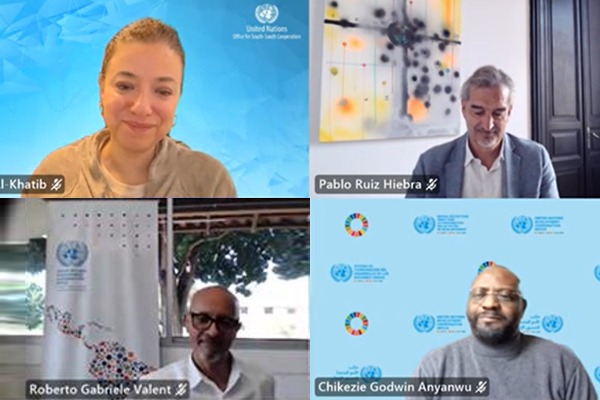
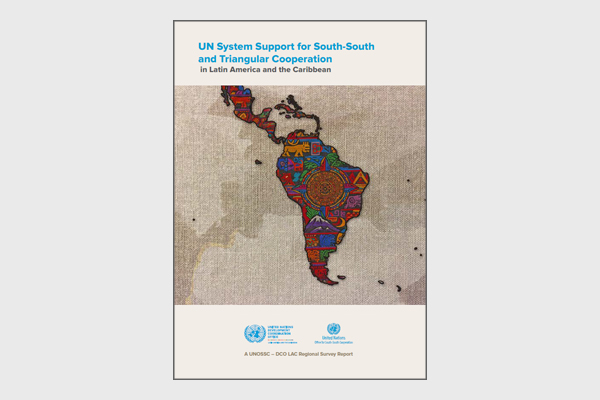
The United Nations Office for South South Cooperation (UNOSSC) and the United Nations Development Coordination Office for Latin America and the Caribbean (DCO LAC), officially launched the 2025 Regional Survey Report on UN System Support for South South and Triangular Cooperation in Latin America and the Caribbean at a virtual event held on 18 February 2026.
The launch marked a significant milestone in advancing system wide coherence, evidence based policymaking, and country level impact for South South and triangular cooperation across one of the world’s most dynamic cooperation regions.
Reflecting on the significance of the report, Dima Al Khatib, Director of UNOSSC, underscored its value as a shared evidence base for collective action: “This joint endeavor allows us, for the first time, to collectively get an evidence based assessment of the engagement of the UN system in the region in advancing South South and triangular cooperation.”
A first of its kind regional evidence base
The report is the outcome of the first comprehensive regional survey examining how Resident Coordinators (RCs) and UN Country Teams (UNCTs) support South South and triangular cooperation across Latin America and the Caribbean. With a 100 per cent response rate from all 24 Resident Coordinator Offices in the region, including multi country offices, the survey provides an unprecedented, system wide snapshot of current practices, institutional arrangements, partnerships, financing mechanisms, and results.
Anchored in the mandates of the Buenos Aires Plan of Action (BAPA) and the BAPA+40 Outcome Document and aligned with successive UN General Assembly resolutions calling for strengthened UN support to South-South and triangular cooperation at country level, the report responds directly to Member States’ requests for greater visibility, coordination, and effectiveness in advancing the 2030 Agenda.
Key insights from the LAC regionThe survey findings confirm that South-South and triangular cooperation are deeply embedded in the development landscape of Latin America and the Caribbean. A strong majority of governments officially prioritize these modalities in national development strategies, and UNCTs are actively responding to government requests through technical assistance, knowledge exchange, partnership facilitation, and joint programming.At the same time, the report identifies critical gaps that must be addressed to scale impact. Financing remains largely ad hoc, monitoring and reporting frameworks are uneven, and institutional capacities vary across contexts.From the regional coordination perspective, Roberto Valent, DCO LAC Regional Director, emphasized why the report is timely and operationally relevant. “This is the first systematic attempt to take stock of how Resident Coordinators and UN Country Teams in Latin America and the Caribbean are supporting South South and triangular cooperation in practice… and it generates actionable recommendations that can help strengthen the RC function as a catalyst,”
UNOSSC’s system-wide role in action
Throughout the report, UNOSSC is recognized for its dual normative and operational role in advancing South South and triangular cooperation. UN Country Teams across the region cited UNOSSC’s guidelines, knowledge platforms, and South South cooperation Trust Funds as key enablers of country driven initiatives – supporting results ranging from clean energy access and food security to Indigenous livelihoods and digital innovation.
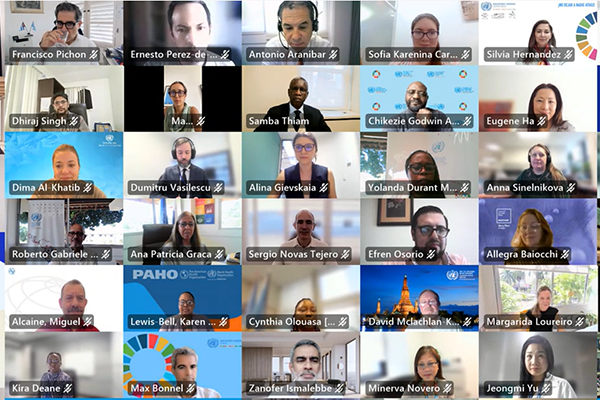
A platform for collective reflection and next stepsThe launch event brought together UNOSSC and regional DCO LAC leadership, LAC Resident Coordinators and representatives from Resident Coordinator Offices as well representatives from other regional DCOs creating space for collective reflection on the findings and their implications for future action. Discussions emphasized among other things, the importance of translating evidence into practice.Looking ahead, the report provides a clear roadmap for advancing South South and triangular cooperation in Latin America and the Caribbean, including concrete recommendations to:
- Further institutionalize South-South cooperation and triangular cooperation in national policies and UN Cooperation Frameworks
- Strengthen South-South and triangular cooperation monitoring, evaluation, and reporting systems
- Broaden South-South cooperation and triangular cooperation partnerships to include the private sector, academia, and civil society
- Mobilize catalytic and diversified financing to increase predictability of South South and triangular cooperation financing
Through this joint initiative, UNOSSC and DCO LAC reaffirm their commitment to supporting Resident Coordinators and UN Country Teams in unlocking the full transformative potential of South South and triangular cooperation – ensuring that cooperation among countries of the Global South continues to deliver tangible, inclusive, and sustainable development results.
Read the full report here
Download the Powerpoint Presentation here