Article by Beakal Fasil (Knowledge Management Officer, Development Effectiveness & South-South Cooperation Team, UNDP Regional Service Center for Africa).
 Under the overall coordination of the UNDP Regional Service Center for Africa, and in collaboration with NEPAD’s Planning and Coordinating Agency, African countries are developing the First African South-South Cooperation (SSC) Report.
The African countries have agreed to start measuring and reporting their activities in the SSC, which is an increasingly predominant means of implementing their 2030 and 2063 agendas. The regional reporting is also an opportunity to reflect on and promote policy discussions to define the African priorities in South-South Cooperation and ensure that the partnerships in Africa respond to the national and regional development priorities. The objective is to have this First African SSC Report endorsed by the AU Summit and presented at the High-Level Meeting on SSC, the Buenos Aires Plan of Action (BAPA+40) in March 2019.
After an initial attempt to mobilize volunteer countries for reporting in December 2016, representatives from 15 African nations gathered on April 2018 to reinvigorate the reporting discussion and formally launch the SSC Report. The countries agreed on the overall content of the 1st African regional report, an updated timeline and the system for data collection – which is an excel template for collecting data on SSC activities. The reporting guidelines were jointly developed by UNDP and the Islamic Development Bank (IsDB) to clarify the key questions and elements of the reporting. Since April, the countries have undertaken their national level assessments to collect the data, including the sectors, partners and modalities of such exchanges.
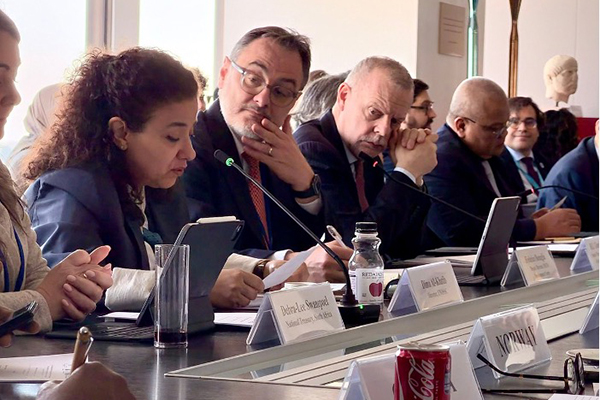
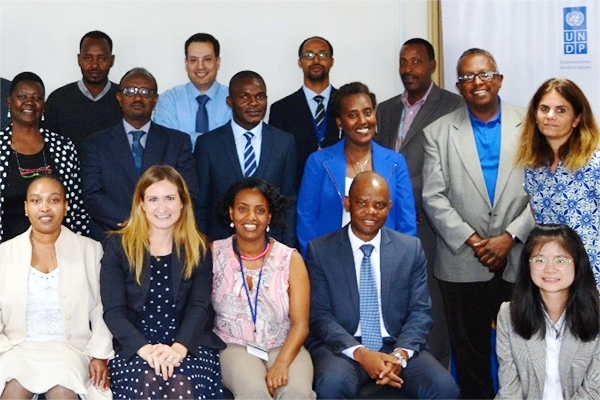
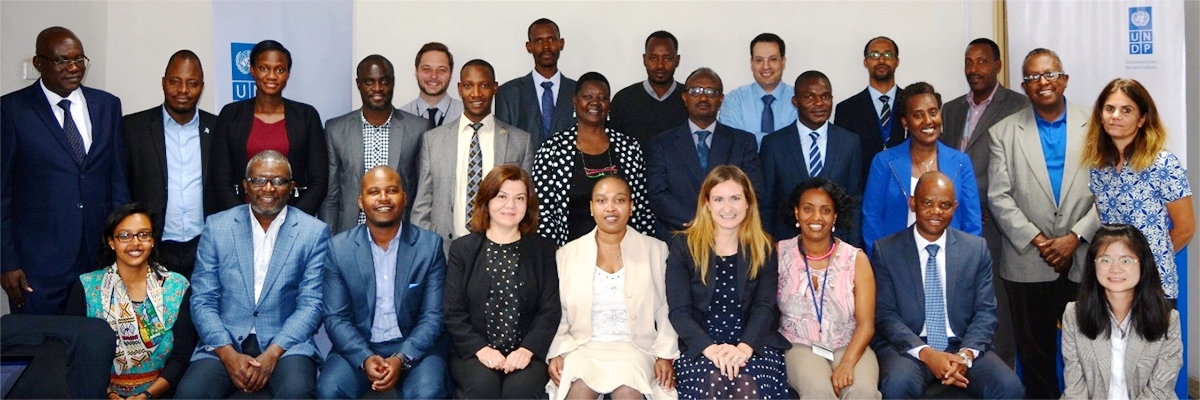
Two weeks ago, the group of volunteer SSC reporting countries in Africa gathered again at the Mid-Term reporting meeting to discuss and share with their peers their experiences so far – key trends, successes, challenges, opportunities as well as preliminary findings of the aggregated data on SSC.
The participants were delegations from 12 African countries, including Botswana, Cote d’Ivoire, Djibouti, Equatorial Guinea, Ethiopia, Kenya, Lesotho, Madagascar, Rwanda, Sudan, South Africa and Uganda. Prior to the meeting, a survey was conducted to collect firsthand information on the reporting and results, and to gather the key institutional challenges and opportunities within their countries to promote the SSC.
The summary of the responses was then presented during the workshop to generate group discussions. Through the survey, the UNDP found that many African countries are now becoming active SSC partners (SSC providers), but still need to strengthen their national institutional frameworks. The importance of continuing to gather SSC-related data was also determined through the survey. It will help to define best practices that should be promoted in the way forward, especially in terms of defining the criteria for success, the importance of mapping resources centers and the linkage of the reporting with the national systems of monitoring and evaluation.
With technical and financial support from the IsDB and the Turkish Cooperation and Coordination Agency (TIKA), the African countries were also able to learn from their experiences in establishing reporting mechanisms, identifying SSC models, conducting mapping for resource centers and learning about the key elements that would constitute the national ecosystems for the SSC.
The last session of the meeting concentrated on the next steps, which were agreed by the countries. These included continuing the data collection and aggregate it at the national level, drafting the report and having it endorsed at the AU Summit. A deadline was also set to have the final report by December 10th.
The countries were committed to the next steps and were inspired to meet the deadline as well as realize this ambitious yet historic goal. Finally, a Google group has been created so that the countries can continue exchanging ideas throughout the reporting and have access to one another’s documents to resolve uncertainties and share the solutions in a user-friendly manner.
Under the overall coordination of the UNDP Regional Service Center for Africa, and in collaboration with NEPAD’s Planning and Coordinating Agency, African countries are developing the First African South-South Cooperation (SSC) Report.
The African countries have agreed to start measuring and reporting their activities in the SSC, which is an increasingly predominant means of implementing their 2030 and 2063 agendas. The regional reporting is also an opportunity to reflect on and promote policy discussions to define the African priorities in South-South Cooperation and ensure that the partnerships in Africa respond to the national and regional development priorities. The objective is to have this First African SSC Report endorsed by the AU Summit and presented at the High-Level Meeting on SSC, the Buenos Aires Plan of Action (BAPA+40) in March 2019.
After an initial attempt to mobilize volunteer countries for reporting in December 2016, representatives from 15 African nations gathered on April 2018 to reinvigorate the reporting discussion and formally launch the SSC Report. The countries agreed on the overall content of the 1st African regional report, an updated timeline and the system for data collection – which is an excel template for collecting data on SSC activities. The reporting guidelines were jointly developed by UNDP and the Islamic Development Bank (IsDB) to clarify the key questions and elements of the reporting. Since April, the countries have undertaken their national level assessments to collect the data, including the sectors, partners and modalities of such exchanges.
Two weeks ago, the group of volunteer SSC reporting countries in Africa gathered again at the Mid-Term reporting meeting to discuss and share with their peers their experiences so far – key trends, successes, challenges, opportunities as well as preliminary findings of the aggregated data on SSC.
The participants were delegations from 12 African countries, including Botswana, Cote d’Ivoire, Djibouti, Equatorial Guinea, Ethiopia, Kenya, Lesotho, Madagascar, Rwanda, Sudan, South Africa and Uganda. Prior to the meeting, a survey was conducted to collect firsthand information on the reporting and results, and to gather the key institutional challenges and opportunities within their countries to promote the SSC.
The summary of the responses was then presented during the workshop to generate group discussions. Through the survey, the UNDP found that many African countries are now becoming active SSC partners (SSC providers), but still need to strengthen their national institutional frameworks. The importance of continuing to gather SSC-related data was also determined through the survey. It will help to define best practices that should be promoted in the way forward, especially in terms of defining the criteria for success, the importance of mapping resources centers and the linkage of the reporting with the national systems of monitoring and evaluation.
With technical and financial support from the IsDB and the Turkish Cooperation and Coordination Agency (TIKA), the African countries were also able to learn from their experiences in establishing reporting mechanisms, identifying SSC models, conducting mapping for resource centers and learning about the key elements that would constitute the national ecosystems for the SSC.
The last session of the meeting concentrated on the next steps, which were agreed by the countries. These included continuing the data collection and aggregate it at the national level, drafting the report and having it endorsed at the AU Summit. A deadline was also set to have the final report by December 10th.
The countries were committed to the next steps and were inspired to meet the deadline as well as realize this ambitious yet historic goal. Finally, a Google group has been created so that the countries can continue exchanging ideas throughout the reporting and have access to one another’s documents to resolve uncertainties and share the solutions in a user-friendly manner.
Under the overall coordination of the UNDP Regional Service Center for Africa, and in collaboration with NEPAD’s Planning and Coordinating Agency, African countries are developing the First African South-South Cooperation (SSC) Report.
The African countries have agreed to start measuring and reporting their activities in the SSC, which is an increasingly predominant means of implementing their 2030 and 2063 agendas. The regional reporting is also an opportunity to reflect on and promote policy discussions to define the African priorities in South-South Cooperation and ensure that the partnerships in Africa respond to the national and regional development priorities. The objective is to have this First African SSC Report endorsed by the AU Summit and presented at the High-Level Meeting on SSC, the Buenos Aires Plan of Action (BAPA+40) in March 2019.
After an initial attempt to mobilize volunteer countries for reporting in December 2016, representatives from 15 African nations gathered on April 2018 to reinvigorate the reporting discussion and formally launch the SSC Report. The countries agreed on the overall content of the 1st African regional report, an updated timeline and the system for data collection – which is an excel template for collecting data on SSC activities. The reporting guidelines were jointly developed by UNDP and the Islamic Development Bank (IsDB) to clarify the key questions and elements of the reporting. Since April, the countries have undertaken their national level assessments to collect the data, including the sectors, partners and modalities of such exchanges.
Two weeks ago, the group of volunteer SSC reporting countries in Africa gathered again at the Mid-Term reporting meeting to discuss and share with their peers their experiences so far – key trends, successes, challenges, opportunities as well as preliminary findings of the aggregated data on SSC.
The participants were delegations from 12 African countries, including Botswana, Cote d’Ivoire, Djibouti, Equatorial Guinea, Ethiopia, Kenya, Lesotho, Madagascar, Rwanda, Sudan, South Africa and Uganda. Prior to the meeting, a survey was conducted to collect firsthand information on the reporting and results, and to gather the key institutional challenges and opportunities within their countries to promote the SSC.
The summary of the responses was then presented during the workshop to generate group discussions. Through the survey, the UNDP found that many African countries are now becoming active SSC partners (SSC providers), but still need to strengthen their national institutional frameworks. The importance of continuing to gather SSC-related data was also determined through the survey. It will help to define best practices that should be promoted in the way forward, especially in terms of defining the criteria for success, the importance of mapping resources centers and the linkage of the reporting with the national systems of monitoring and evaluation.
With technical and financial support from the IsDB and the Turkish Cooperation and Coordination Agency (TIKA), the African countries were also able to learn from their experiences in establishing reporting mechanisms, identifying SSC models, conducting mapping for resource centers and learning about the key elements that would constitute the national ecosystems for the SSC.
The last session of the meeting concentrated on the next steps, which were agreed by the countries. These included continuing the data collection and aggregate it at the national level, drafting the report and having it endorsed at the AU Summit. A deadline was also set to have the final report by December 10th.
The countries were committed to the next steps and were inspired to meet the deadline as well as realize this ambitious yet historic goal. Finally, a Google group has been created so that the countries can continue exchanging ideas throughout the reporting and have access to one another’s documents to resolve uncertainties and share the solutions in a user-friendly manner.