• Home
  • /
  • News
  • /
  • Five Years of Collective Learning: How Cities Are Shaping the Future of Urban Resilience in Collaboration with the United Nations

Five Years of Collective Learning: How Cities Are Shaping the Future of Urban Resilience in Collaboration with the United Nations


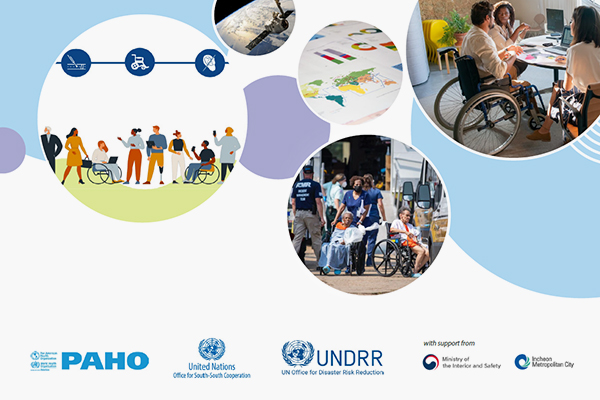
By: Kamal Kishore (Special Representative of the United Nations Secretary-General for Disaster Risk Reduction, and Head of United Nations Office for Disaster Risk Reduction), Jarbas Barbosa (Director, Pan American Health Organization), Dima Al-Khatib (Director, United Nations Office for South-South Cooperation)   The Urgency of Coordination The Midterm Review of the Sendai Framework for Disaster Risk Reduction (2015-2030) reveals a stark reality: risk creation is outpacing risk reduction. This is most clearly seen in our cities. As climate change accelerates and urban populations swell, cities worldwide are at the forefront of today’s most pressing development challenges – from disasters to health emergencies. These challenges are multi-dimensional and transcend geographic boundaries. Therefore, addressing them demands three things: that we break bureaucratic silos for better coordination among sectors, involve all members of society to ensure no one is left behind, and foster international cooperation to share best practices and innovations.   Five Years of Transformative Learning This is why the United Nations Office for South-South Cooperation (UNOSSC), the United Nations for Disaster Risk Reduction (UNDRR), and the Pan American Health Organization (PAHO/WHO) have been partnering together for the past five years, to turn shared knowledge and practical tools into tangible urban resilience. By facilitating peer learning and scaling localized solutions, South-South and triangular cooperation bridges the gap between policy and practice. This UN partnership started at the onset of the COVID-19 pandemic in 2020, and has resulted in five annual certificate training programmes, delivered via both live sessions and self-paced e-learning modules. This joint effort has to date benefited over 17,500 practitioners across more than 1,100 cities from 155 countries. During our most recent joint training that concluded in March 2025, 1,846 participants from more than 700 cities across 151 countries and territories were convened. We are proud of the diverse makeup of the participants, as 44.2% were female, nearly half were youth (48.5% under age 35), and we had meaningful inclusion of persons with disabilities (3% of participants). Moreover, 30% of participants represented local and national governments, ensuring the solutions shared take root where they are needed most. That said, the most important metric has been the real-world impact. According to the post-training survey, 93% of participants said they gained actionable tools, 91% gained insights to address gaps in their DRR strategies, and 89% reported being satisfied with the training. Here are some samples of the feedback from participants:
  • “The integration of AI and GIS in disaster management was groundbreaking. I’m already applying these tools in my work,” said an urban planner from Türkiye.
  • “Learning how communities, governments, and organizations collaborate to mitigate risks was eye-opening,” a Nigerian participant noted.
  • A woman with disabilities and a leader of an Organization of Persons with Disabilities (OPD) in Cameroon said “The inclusive approach and emphasis on good practices were truly commendable. I am confident that such initiatives will continue to multiply, fostering greater resilience and sustainable development globally.” 
  • “This course showed how cities can transform preparedness into action,” said a participant from the Philippines.
  A Blueprint for Inclusive Resilience  Across the UN system, we know that collaboration is essential. By combining our specialization, expertise, networks and resources, UN agencies are helping countries and cities build more resilient, inclusive and sustainable urban futures. This is in line with the one-UN approach and the goal of the UN80 Initiative of harnessing efficiencies. Specifically, through this joint programme, we have been able to leverage each organization’s unique strengths:
  • UNDRR advanced inclusive DRR by offering tools such as the MCR2030 Scorecard Annex to integrate persons with, and to capture their needs in the planning processes and ensure no one is left behind.
  • PAHO/WHO focused on integrating health disaster risk reduction into building resilient cities and societies, including urban preparedness, response, and recovery, and addressing the disproportionate impact of health emergencies and disasters on populations in vulnerable situations, for a more inclusive and resilient future.
  • UNOSSC supported the initiative under its “China-UN Global South-South Development Facility”, and showcased proven solutions and connected cities globally, fostering a global community of practice for local actors.
  • UN + Countries + Cities collaborated through pooled funding, specializations, expertise and networks that amplify impact, peer-to-peer exchanges of urban solutions, and shared technological innovation. It has fostered a living network where national policy makers, city mayors, disaster risk managers, health professionals and their stakeholders co-create solutions, proving that multilateral cooperation is not just about resources, it is about transforming how we collectively build resilience.
  The Path Ahead The lesson is clear: resilience cannot be standardized and achieved alone. It thrives on localized knowledge, cross-border partnerships, innovation, and the whole-of-society approach. Our initiative has evolved into a movement – one that must grow further. To build cities that withstand shocks and stress, we need to: 1. Operationalize policy frameworks and practical tools through local implementation Continue building the awareness and capacity of institutions and staff and equip them with skills to apply practical tools (e.g., the UNDRR’s Disaster Resilience Scorecard for Cities, and the Extreme Urban Heat Risk Management Resource Package, with PAHO’s health emergency frameworks and methodologies) and embed inclusive design in all resilience planning, ensuring at-risk groups co-create strategies. 2. Amplify Peer-to-Peer Learning Engage in global peer-to-peer partnership initiatives such as the Making Cities Resilient 2030 (MCR2030) and leverage digital platforms like South-South Galaxy’s Cities Clusters to connect local actors globally, fostering real-time exchange and co-creation of proven solutions. 3. Harness Frontier Technologies Scale technological advancements like AI, GIS, big data and early-warning systems, and facilitate technological cooperation and capacity development through training. 4. Mobilize Cross-Sector and transboundary Coalitions Break silos by aligning UN agencies, governments, communities and the private sector around shared targets. Strengthen multisectoral mobilization and multilateral partnerships to match the complexity of risks.   Resilience is not a luxury; it is a necessity. And its foundation is collaboration. Together, we can ensure cities don’t just survive but thrive. Together, let us make our cities not just resilient for a few, but resilient for all.   ?? Download the report Leveraging South-South and Triangular Cooperation: Inclusive and Technological Innovations for Urban Health and Disaster Risk Reduction (2025). ?? PAHO: Articles and Opinion pieces by Dr. Jarbas Barbosa ?? UNDRR: Cities and UN mark 5 Years of shaping urban resilience together  

Related Post


  • All Post
  • ATCT Featured Publications POM
  • BAPA+40
  • Blog
  • Capacity Development Initiatives
  • CICETE Featured Publications POM
  • CIKD
  • Cities Clusters - Agriculture
  • Cities Clusters - COVID-19
  • Cities Clusters - COVID-19 Knowledge Products
  • Cities Clusters - DRR
  • Cities Clusters - E-commerce
  • Cities Clusters - Tourism
  • Cities Clusters - Tourism Knowledge Products
  • Cities Clusters - Transport
  • Cities Clusters - Waste
  • Cities Project
  • Cities Project COVID-19 Newsletters
  • Cities Project COVID-19 Response
  • Cities Project Knowledge Products
  • Classic (untouched)
  • Climate Action
  • COMSATS Featured Publications POM
  • COMSATS Featured Solutions POM
  • Converted from Divi
  • Converted from Mixed
  • Converted from WPBakery
  • COVID-19
  • COVID-19 Page Featured Solutions
  • DRR Knowledge Products
  • DRR News
  • Empty Post
  • Events
  • Featured Event UN-Habitat POM
  • Financing for Development
  • Financing Mechanisms
  • g7+
  • Gender Events
  • Gender News
  • Good Practices in SSTrC Series
  • Good Practices Publications
  • Good Practices Thematic Series & Special Editions
  • Good Practices Vol. 2
  • Good Practices Vol. 3
  • GSSDC
  • Highlighted
  • Highlighted Publications
  • IAEA Featured Solutions POM
  • IBRAF Featured Publications POM
  • IBSA Fund
  • IBSA Fund Annual Reports
  • IBSA Fund News and Stories
  • IBSA Fund Publication
  • IBSA Fund Story
  • ICGEB Featured Events POM
  • ICGEB Featured Publications POM
  • ICGEB Featured Solutions POM
  • ILO Featured Events POM
  • ILO Featured Publications POM
  • ILO Featured Solutions POM
  • India-UN Development Partnership Fund
  • India-UN Fund Publication
  • India-UN Fund Story
  • IsDB
  • IsDB Featured Publications POM
  • IsDB SCC
  • News
  • Norec Featured Publications POM
  • Norec Featured Solutions POM
  • Peace and Development
  • PGTF Publications
  • PGTF Story
  • PICA Featured News POM
  • PICA Featured Publications POM
  • PICA Featured Solutions POM
  • PIDF Featured Publications POM
  • Publications
  • Regional Updates
  • Research
  • ROK-UNOSSC Facility
  • SGP Featured Publication POM
  • SGP Featured Solutions POM
  • Solution
  • South South in Action
  • South-South Global Thinkers
  • South-South Ideas
  • South-South Ideas Series
  • South-South in Action Series
  • Southern Response to COVID-19
  • SSN4PSI Featured Publications POM
  • SSN4PSI Featured Solutions POM
  • Training
  • UN Day for SSC 2020
  • UN Fund for SSC
  • UN SSC Day Publications
  • UN-Habitat Featured Publications POM
  • UN-HABITAT Featured Solutions POM
  • UNCCT
  • UNEP Featured Publications POM
  • UNFPA
  • UNFSSC Publication
  • UNFSSC Story
  • UNIDO Featured Publications POM
  • UNIDO Featured Solutions POM
  • UNIDO POM Events
  • UNOCT Featured Publications POM
  • UNV
  • UNV Featured Publications POM
  • WB Featured Publications POM
  • WB Featured Solutions POM
  • Webinars
  • WFP Featured Events POM
  • WFP Featured Publication POM
  • WFP Featured Solutions POM
  • WIPO
  • Workshops and Seminars
  • Youth4South
  • z Across the Globe 1
  • z Across the Globe 2
  • z Across the Globe 4
  • z Across the Globe 5
  • z Across the Globe 6
  • z Across the Globe 7
  • z Across the Globe 8
  • z ES BAPA+40
  • z ES Eventos
  • z ES Noticias
  • z ES Noticias Destacadas
  • z ES Publicaciones
  • z ES Publicaciones Destacadas
  • z ES Serie Buenas Prácticas en la CSSyT
  • z ES Serie El Sur-Sur en Acción
  • z FR Actualités
  • z FR BAPA+40
  • z FR Événements
  • z FR Publications
  • z FR Publications en vedette
  • z FR Série Bonnes pratiques en CSST
  • z FR Série Sud-Sud en action
  • z Highlighted News
  • z Photos
  • z Videos
  • z ZH BAPA+40
  • z ZH Events
  • z ZH News

ABOUT

Terms of Service

Privacy Policy

Disclosures

RESOURCES

Terms of Service

Privacy Policy

Disclosures

ENGAGE

Terms of Service

Privacy Policy

Disclosures

Copyright © UNOSSC/UNDP

wpChatIcon
wpChatIcon

Alliance Application Form

Submit an Expression of Interest and/or Demand Signal. UNOSSC reviews submissions on a rolling basis.

1. Official name of organization / institution / government entity (exclusions to apply) *
2. Country *
3. Region *
4. SDG *
Secondary SDG *
5. Partner category *
6. Website *
7. Brief description of your institution (max. 150 words) *
Name for the Lead *
Title for the Lead *
Email address for the Lead *
Name for the co-lead
Title for the co-lead
Email address for the co-lead
Section 3. Expression of Interest in the Alliance *
Additional information on proposed areas of engagement may be requested through the platform following initial review by the Alliance Secretariat.
Section 4. Due Diligence and Integrity Declaration *

Submission Note:

  • Submission of this Expression of Interest form does not automatically confer participation in the Alliance.
  • All submissions will be reviewed by the Alliance Secretariat, including basic eligibility screening and proportionate due diligence, as appropriate.
  • Participation in Alliance activities is determined based on relevance to articulated cooperation needs, alignment with Alliance principles, and integrity considerations.
  • Engagement under the Alliance is voluntary, non-binding, and facilitative in nature, and does not constitute funding approval, contractual commitment, or institutional membership.
  • The Alliance Secretariat may contact submitting entities for additional information or clarification during the review process.

Submission of Demand Form

Description of Demand

Indicate the type of support or cooperation requested through the Alliance.
Please briefly describe the challenge, gap, or priority. (Max. 300 words)

Thematic and Geographic Focus

Please indicate the main focus areas of your demand:

A. Thematic Areas (select up to three)
B. Geographic Focus (select all that apply)

Proposed Engagement Modalities

Please indicate how you would like to engage through the Alliance (select all that apply):

Expected Outcomes

Please indicate the main results you seek to achieve through this engagement. (Max. 200 words)
Examples:
• Capacity strengthened
• Partnerships established
• Sectoral or regional strategies co-developed
• Solutions piloted
• Knowledge generated
• Policies informed

Timeline and Readiness (if applicable)

1. Expected timeframe for engagement:
2. Current stage:

Additional Information

Please provide any additional information, documents, or links relevant to this submission.
(Max. 200 words or upload link)

Submission of Offer Form

Description of Contribution

Indicate the type of contribution your institution can provide and describe the expertise, resources, or solutions you may offer.
Please briefly describe your proposed contribution. (Max. 300 words)

Thematic and Geographic Focus

Please indicate the main focus areas of your interest:

A. Thematic Areas (select up to three)
B. Geographic Focus (select all that apply)

Proposed Engagement Modalities

Please indicate how you would like to engage through the Alliance (select all that apply):

Expected Outcomes

Please indicate the main results you aim to achieve through this engagement. (Max. 200 words)
Examples:
• Capacity strengthened
• Partnerships established
• Sectoral or regional strategies co-developed
• Solutions piloted
• Knowledge generated
• Policies informed

Timeline and Readiness (if applicable)

1. Expected timeframe for engagement:
2. Current stage:

Additional Information

Please provide any additional information, documents, or links relevant to this submission.
(Max. 200 words or upload link)

Organization Registration

Authentication & Due Diligence This prototype simulates identity verification, due diligence confirmation, and an authentication step before submission. *

First Name *
Last Name *
Email address *
Password *
Confirm Password *
Name of institution / organization *
Country / Region *
Organization Type *
Organization other *
Function / role *
Organization logo *
Maximum file size: 1 GB

Login

Login / email *
Password *
Remember me

Forgot password?

Connect form

Your name *
Email *
Organization / institution *
Job title / role *
Reason for connecting:
Short message

Scroll to Top