 High-Level Dialogue at UN Headquarters Spotlights Southern COP Presidencies and Innovation for Climate Action
New York, 21 July 2025
High-Level Dialogue at UN Headquarters Spotlights Southern COP Presidencies and Innovation for Climate Action
New York, 21 July 2025 — The Global South’s rising leadership in shaping the international climate agenda took center stage at a high-level policy dialogue titled
“From Marrakech to Belém: The Global South’s Role in Climate Agenda and Innovation”, co-organized by the Chair of the Group of 77 and China and the United Nations Office for South-South Cooperation (UNOSSC). Held on the margins of the 2025 High-Level Political Forum, the event brought together Member States, UN leaders, and development experts to reflect on recent achievements and prepare the ground for Brazil’s upcoming COP30 presidency.
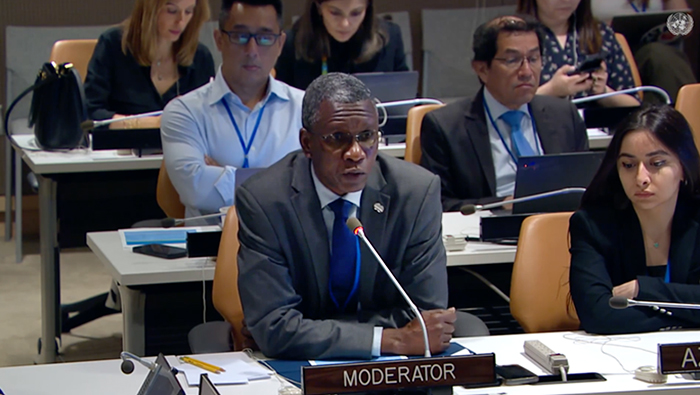
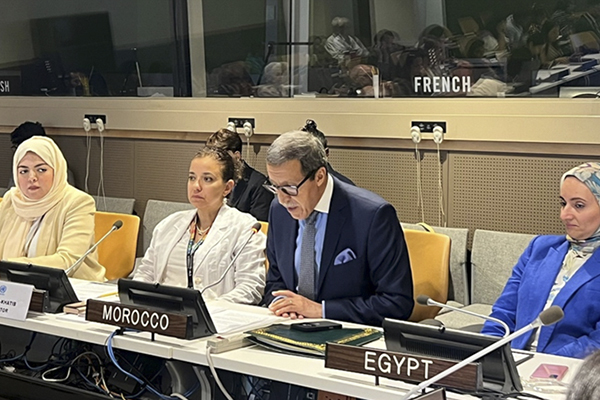
The session was moderated by Mr. Samba Thiam, Senior Programme Advisor at UNOSSC, and convened senior representatives from Morocco, Egypt, the United Arab Emirates, Azerbaijan, and Brazil – countries that have led or will lead key UN Conferences of the Parties climate conferences (COPs). The event also featured high-level contributions from UNDP and the UN Framework Convention on Climate Change (UNFCCC).
Southern Presidencies: From Implementation to Innovation
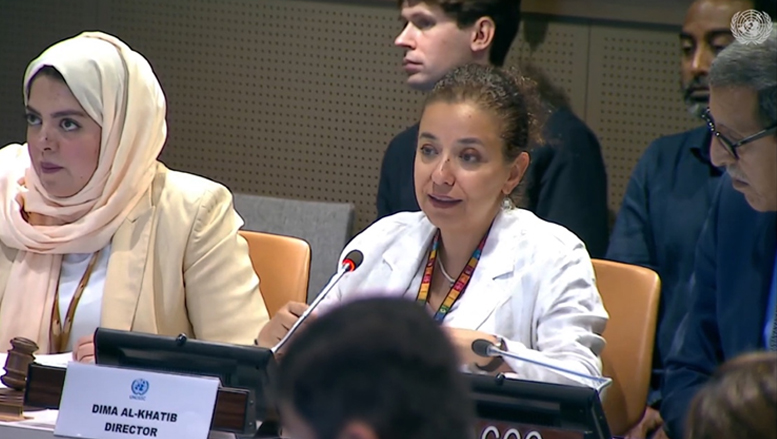
In her welcoming remarks,
Ms. Dima Al-Khatib, Director of UNOSSC, highlighted the transformative role played by Southern countries in global climate governance. “From the groundbreaking Marrakech Implementation COP to the upcoming Belém Conference, host countries from the South have made real and lasting contributions,” she said, citing Morocco’s renewable energy leadership, the establishment of the historic Loss and Damage Fund at COP27 in Egypt, and the launch of the first global stocktake during COP28 in the UAE. “South-South and triangular cooperation are not only development modalities – they are the engines of resilience, adaptation, and innovation,” she added, pointing to initiatives such as the Africa Adaptation Initiative, ASEAN Climate Resilience Network, and Brazil’s Amazon Basin collaboration.
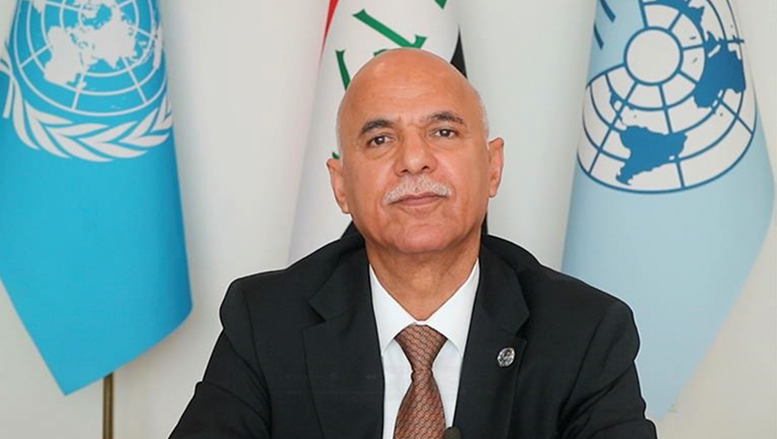
“As we look to Belem and COP30 under Brazil’s Presidency, the ambitions remain equally bold and transformative,” said H.E. Abbas Kadhom Obaid, Chair of the Group of 77 and China. “We must accelerate the just and equitable energy transition; achieve meaningful progress on biodiversity and deforestation; close the mitigation gap through robust NDCs supported by enhanced means of implementation, and a reaffirm our commitment to universality of energy access.” He noted that the collective journey from Marrakech to Belem illustrates not only the expanding footprint of the Global South in climate diplomacy, but also the potential for enhanced solidarity, innovation, and agency in shaping a more sustainable and equitable world order.
Key Highlights from Host of Conferences of the Parties
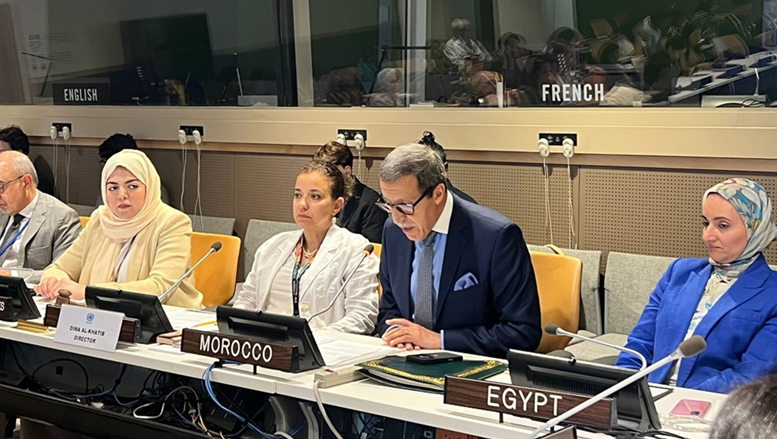
H.E. Mr. Omar Hilale, Morocco’s Ambassador to the United Nations, recalled that COP22 in Marrakech, held shortly after the Paris Agreement’s ratification, was a defining moment. “COP22 was rightly called the COP of Action,” he said, emphasizing that it launched partnerships like the NDC Partnership and Africa-led initiatives including the Africa Adaptation Initiative and regional climate commissions.
H.E. Ms. Heba Mustafa, Egypt’s Deputy Permanent Representative, described the breakthrough negotiations that led to the creation of the Loss and Damage Fund at COP27 in Sharm El-Sheikh. “We worked tirelessly across groups to maintain the priorities of the Global South,” she said. Despite limited resources, Egypt’s presidency successfully negotiated landmark outcomes that gave voice to vulnerable countries.
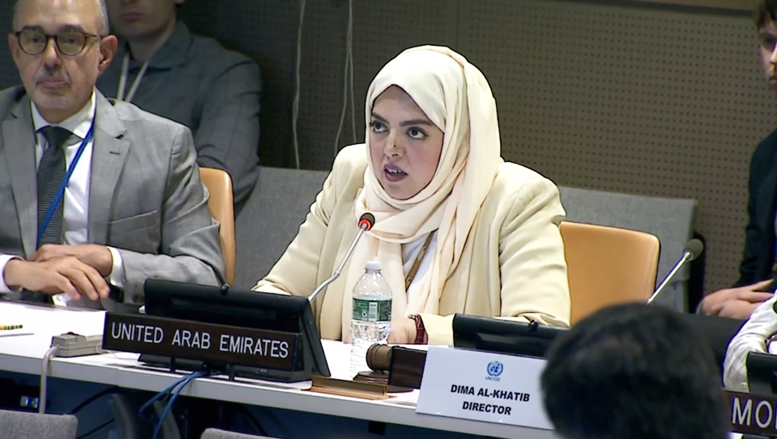 H.E. Ms. Fatema Yousef
,
Deputy Permanent Representative of the UAE, reflected on COP28’s milestones, which included the operationalization of the Loss and Damage Fund, pledges to triple renewable energy capacity, and the convening of the first-ever G77 and China Leaders’ Summit on the margins of a COP. “Balancing global ambition with a just energy transition is a core principle,” she said.
Forward Momentum: COP29 to COP30
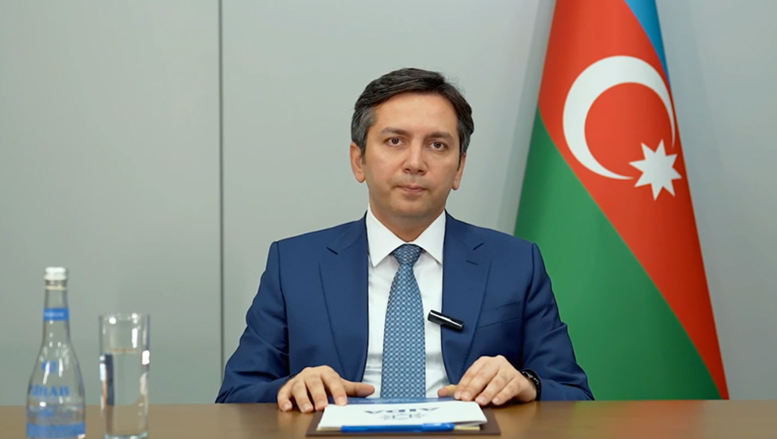 Mr. Elmaddin Mehdiyev
, Director General of Azerbaijan’s International Development Agency (AIDA), presented COP29’s achievements, notably the
Baku Climate Unity Pact, which set an ambitious new climate finance goal of at least $1.3 trillion annually by 2035. He emphasized Azerbaijan’s commitment to supporting future Southern presidencies in building negotiation capacity and enhancing Nationally Determined Contributions (NDCs).
Brazil’s Deputy Permanent Representative Norberto Moretti outlined the country’s priorities for COP30 in Belém, including ending deforestation, submitting enhanced NDCs, and accelerating an equitable energy transition. He also recalled Brazil’s legacy as a convening power in the climate arena – from the 1992 Rio Earth Summit to today’s leadership on climate justice and biodiversity.
UN System Support and Policy Takeaways
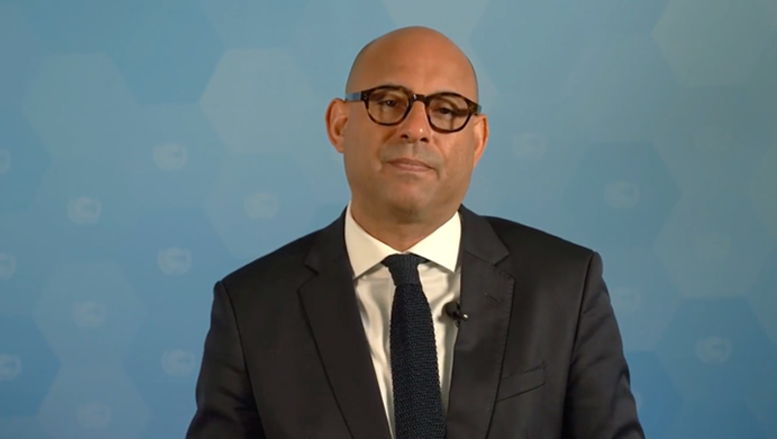
Delivering a keynote via video,
Mr. Simon Stiell, Executive Secretary of UNFCCC, commended the leadership of the Global South and the G77 and China for “forging consensus in complex negotiations” and advancing ambitious climate action grounded in justice. “The Global South is driving climate solutions powered by local knowledge and innovation,” he said, pledging continued UNFCCC support to future COP hosts.
Mr. Marcos Neto, UN Assistant Secretary-General and Director of UNDP’s Bureau for Policy and Programme Support, stressed the centrality of NDCs as a platform for sustainable development. Through its Climate Promise initiative, UNDP has supported over 140 countries to enhance climate pledges aligned with their development goals. Climate action is not just about averting environmental disaster – it is about unlocking economic transformation, innovation, and human development, he said.
Looking Ahead: Climate Action in the AI Era
In conclusion, Director Al-Khatib underscored the dual opportunity and challenge of integrating digital innovation and artificial intelligence into climate solutions.
Key Takeaways
- The Global South has emerged as a central force in climate negotiations, contributing landmark outcomes such as the Loss and Damage Fund, new finance goals, and enhanced global stocktakes.
- South-South cooperation is a proven modality for scaling climate solutions, including renewable energy, climate-resilient agriculture, and ecosystem protection.
- Capacity building and negotiation preparedness remain top priorities, especially for upcoming COP hosts.
- Innovation – including digital tools and AI – can amplify Global South leadership if paired with inclusive strategies and equitable finance.
- The road to COP30 in Belém is not just geographical, but strategic, building on a decade of Southern-led climate diplomacy and action.
“Let this be a launchpad for rethinking climate leadership in the digital era,” the Director said. She reaffirmed UNOSSC’s commitment to providing a platform for peer learning, capacity-building, and technical cooperation among developing countries. “We must continue to support Southern leadership not just at COPs, but across all arenas where the future of our planet is shaped,” she concluded.
??
Watch the UNWebTV Broadcast