• Home
  • /
  • News
  • /
  • Global South Perspectives on the Peace-Development Nexus: The Role of South-South and Triangular Cooperation

Global South Perspectives on the Peace-Development Nexus: The Role of South-South and Triangular Cooperation


FRAMING REFLECTION – Global South Perspectives on the Peace and Development Nexus: Potential of South-South and Triangular Cooperation in Addressing the Impact of Conflict on Global South Countries

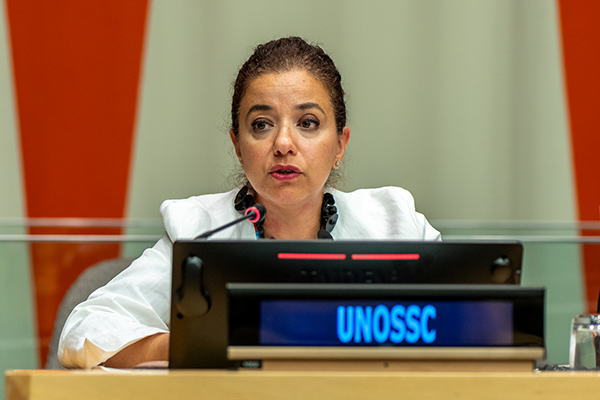
by Dima Al Khatib, Director, United Nations Office for South-South Cooperation

March 2026

The development efforts of the United Nations system have long recognized the centrality of peace and security to development. There can be no peace without development, and no development without peace. The “peace-development nexus”, within the broader “humanitarian-development-peace “triple nexus”, is gaining renewed relevance as the impact of contemporary conflicts reverberates far beyond countries directly affected, or in conflict.

In increasingly interconnected regional and global economies, conflicts generate destabilizing shocks that transcend borders. These impacts reach even societies and economies far from the front lines, affecting even those considered stable. Depending on countries’ resilience profile, these ripples could trigger transient shocks or profound long-term setbacks.

The Global South is in a pivotal period.

Just when the Global South’s significant place in the global economy has been established, it faces threats that could unravel gains decades in the making, with disproportionate impacts on the most vulnerable.

Once known largely as “aid receiving countries” with marginal or peripheral role in geopolitical and economic systems, the Global South has evolved into a heterogeneous group that now includes some of the world’s most dynamic economies. Countries considered poor at the birth of the United Nations 80 years ago now contribute about 40% of the global GDP. Their total economic output has grown more than fivefold since the beginning of the 21st century, averaging 5% annual growth and exceeding the 3.5% global average.

Accelerated industrialization and increased trade played a significant role in the rapid growth of the Global South, leading to its significant slice by 2024 of the global goods exports (46%), global foreign direct investment inflows (57%), global manufacturing output (45%), and global intermediate goods exports (50%).

These gains have translated into tangible development outcomes. Poverty has declined significantly, including for more than one billion in Asia alone since 1990. Access to electricity has expanded to 1.5 billion people. Participation in higher education has increased from 13% to 38% across regions. Life expectancy has risen by an average of 7 years.

This growth has been underpinned by global economic integration, which thrives on a peaceful, stable and predictable environment. Contemporary conflicts now threaten to roll these back.

Recent disruptions to the energy supply illustrate vulnerabilities. For instance, economies in Asia which rely heavily on imported energy, are particularly exposed to price volatility, with the manufacturing-intensive nature of the emerging economies in the region making it highly sensitive to price increases. Some experts note that a sustained 50% spike in oil prices could lead to a reduction in global GDP of 1.5 percentage points, with heavily import-dependent Asian countries bearing the brunt of disruptions (see recent analysis from across the UN here, here, and here). Countries in Latin America and Africa with significant agriculture industries are expected to face serious uncertainties due to disruptions to supply of fertilizer and farming inputs.

The period is pivotal to the Global South beyond economic terms.

The growth of the Global South elevated countries in global and regional systems, demonstrating their new capacities as they took on new and broader roles and positions befitting their new aspirations. This “ascendancy” evolved with the growing strength of their individual economies and collective political confidence, emerging as a “bloc” bigger in size and more connected through the years, and expected to play a significant role in shaping the world.

Contemporary conflicts are testing this trajectory.

South-South principles of cooperation, including solidarity, respect for sovereignty, self-reliance and mutual benefit have long guided countries of the Global South since the Bandung Conference in 1955. These principles became the compass for South-South cooperation that played out visibly through trade. Trade among Global South countries has grown faster than the global average, surpassing North-South trade in the last decade.

Trends indicate increasing cooperation and self-reliance among the countries of the Global South. Developing countries have become each other’s trade partners, sources of crucial materials and markets for products and services that advance each one’s economies. They have found new channels for advancing growth through economic cooperation, increasingly collaborating on improving supply and value chains within and between their regions, together building critical infrastructure and capacities that support mutual needs and goals. They have been expanding each other’s access to critical knowledge, tools and opportunities for mutual growth, leveraging their own experience and expertise, enabling exchanges in a manner that poses no burden.

As contemporary conflicts add complexities to the economic and political reordering underway around the globe, countries of the Global South could more strategically use their ready compass for navigating uncertainties the way they have since the Bandung Conference.

As in the past, South-South cooperation can help address tectonic shifts.

South-South cooperation, from inception, is about addressing tectonic, multidimensional shifts. Its evolution since the period when 29 developing countries (many just emerging from colonial rule) met in Bandung in 1955 had been shaped by both stability and crisis. Collaborations among them have established channels of cooperation and strong ties that enabled self-driven, context-specific, adaptable approaches suited to their needs. UNOSSC has gathered examples of these and have facilitated further South-South exchanges that capitalize on insights and lessons gained from these efforts. The Global Report on South-South and Triangular Cooperation 2025: Bridging Horizons and Continents – Forging Transformative Pathways in South-South and Triangular Cooperation highlights the evolution of these collaborations and presents a framework for responding to a changing global landscape.

Looking ahead, it is essential to ensure that the development impacts of contemporary conflicts on the Global South – home to 80% of the world’s population – are fully recognized and understood, and is not lost, missed, or undervalued. These impacts must inform forward-looking strategies to protect development gains and sustain progress towards the 2030 Agenda.

This series of reflections from prominent thinkers aims to contribute to that effort.
Related Post


  • All Post
  • ATCT Featured Publications POM
  • BAPA+40
  • Blog
  • Capacity Development Initiatives
  • CICETE Featured Publications POM
  • CIKD
  • Cities Clusters - Agriculture
  • Cities Clusters - COVID-19
  • Cities Clusters - COVID-19 Knowledge Products
  • Cities Clusters - DRR
  • Cities Clusters - E-commerce
  • Cities Clusters - Tourism
  • Cities Clusters - Tourism Knowledge Products
  • Cities Clusters - Transport
  • Cities Clusters - Waste
  • Cities Project
  • Cities Project COVID-19 Newsletters
  • Cities Project COVID-19 Response
  • Cities Project Knowledge Products
  • Classic (untouched)
  • Climate Action
  • COMSATS Featured Publications POM
  • COMSATS Featured Solutions POM
  • Converted from Divi
  • Converted from Mixed
  • Converted from WPBakery
  • COVID-19
  • COVID-19 Page Featured Solutions
  • DRR Knowledge Products
  • DRR News
  • Empty Post
  • Events
  • Featured Event UN-Habitat POM
  • Financing for Development
  • Financing Mechanisms
  • g7+
  • Gender Events
  • Gender News
  • Good Practices in SSTrC Series
  • Good Practices Publications
  • Good Practices Thematic Series & Special Editions
  • Good Practices Vol. 2
  • Good Practices Vol. 3
  • GSSDC
  • Highlighted
  • Highlighted Publications
  • IAEA Featured Solutions POM
  • IBRAF Featured Publications POM
  • IBSA Fund
  • IBSA Fund Annual Reports
  • IBSA Fund News and Stories
  • IBSA Fund Publication
  • IBSA Fund Story
  • ICGEB Featured Events POM
  • ICGEB Featured Publications POM
  • ICGEB Featured Solutions POM
  • ILO Featured Events POM
  • ILO Featured Publications POM
  • ILO Featured Solutions POM
  • India-UN Development Partnership Fund
  • India-UN Fund Publication
  • India-UN Fund Story
  • IsDB
  • IsDB Featured Publications POM
  • IsDB SCC
  • News
  • Norec Featured Publications POM
  • Norec Featured Solutions POM
  • Peace and Development
  • PGTF Publications
  • PGTF Story
  • PICA Featured News POM
  • PICA Featured Publications POM
  • PICA Featured Solutions POM
  • PIDF Featured Publications POM
  • Publications
  • Regional Updates
  • Research
  • ROK-UNOSSC Facility
  • SGP Featured Publication POM
  • SGP Featured Solutions POM
  • Solution
  • South South in Action
  • South-South Global Thinkers
  • South-South Ideas
  • South-South Ideas Series
  • South-South in Action Series
  • Southern Response to COVID-19
  • SSN4PSI Featured Publications POM
  • SSN4PSI Featured Solutions POM
  • Training
  • UN Day for SSC 2020
  • UN Fund for SSC
  • UN SSC Day Publications
  • UN-Habitat Featured Publications POM
  • UN-HABITAT Featured Solutions POM
  • UNCCT
  • UNEP Featured Publications POM
  • UNFPA
  • UNFSSC Publication
  • UNFSSC Story
  • UNIDO Featured Publications POM
  • UNIDO Featured Solutions POM
  • UNIDO POM Events
  • UNOCT Featured Publications POM
  • UNV
  • UNV Featured Publications POM
  • WB Featured Publications POM
  • WB Featured Solutions POM
  • Webinars
  • WFP Featured Events POM
  • WFP Featured Publication POM
  • WFP Featured Solutions POM
  • WIPO
  • Workshops and Seminars
  • Youth4South
  • z Across the Globe 1
  • z Across the Globe 2
  • z Across the Globe 4
  • z Across the Globe 5
  • z Across the Globe 6
  • z Across the Globe 7
  • z Across the Globe 8
  • z ES BAPA+40
  • z ES Eventos
  • z ES Noticias
  • z ES Noticias Destacadas
  • z ES Publicaciones
  • z ES Publicaciones Destacadas
  • z ES Serie Buenas Prácticas en la CSSyT
  • z ES Serie El Sur-Sur en Acción
  • z FR Actualités
  • z FR BAPA+40
  • z FR Événements
  • z FR Publications
  • z FR Publications en vedette
  • z FR Série Bonnes pratiques en CSST
  • z FR Série Sud-Sud en action
  • z Highlighted News
  • z Photos
  • z Videos
  • z ZH BAPA+40
  • z ZH Events
  • z ZH News

ABOUT

Terms of Service

Privacy Policy

Disclosures

RESOURCES

Terms of Service

Privacy Policy

Disclosures

ENGAGE

Terms of Service

Privacy Policy

Disclosures

Copyright © UNOSSC/UNDP

wpChatIcon
wpChatIcon

Alliance Application Form

Submit an Expression of Interest and/or Demand Signal. UNOSSC reviews submissions on a rolling basis.

1. Official name of organization / institution / government entity (exclusions to apply) *
2. Country *
3. Region *
4. SDG *
Secondary SDG *
5. Partner category *
6. Website *
7. Brief description of your institution (max. 150 words) *
Name for the Lead *
Title for the Lead *
Email address for the Lead *
Name for the co-lead
Title for the co-lead
Email address for the co-lead
Section 3. Expression of Interest in the Alliance *
Additional information on proposed areas of engagement may be requested through the platform following initial review by the Alliance Secretariat.
Section 4. Due Diligence and Integrity Declaration *

Submission Note:

  • Submission of this Expression of Interest form does not automatically confer participation in the Alliance.
  • All submissions will be reviewed by the Alliance Secretariat, including basic eligibility screening and proportionate due diligence, as appropriate.
  • Participation in Alliance activities is determined based on relevance to articulated cooperation needs, alignment with Alliance principles, and integrity considerations.
  • Engagement under the Alliance is voluntary, non-binding, and facilitative in nature, and does not constitute funding approval, contractual commitment, or institutional membership.
  • The Alliance Secretariat may contact submitting entities for additional information or clarification during the review process.

Submission of Demand Form

Description of Demand

Indicate the type of support or cooperation requested through the Alliance.
Please briefly describe the challenge, gap, or priority. (Max. 300 words)

Thematic and Geographic Focus

Please indicate the main focus areas of your demand:

A. Thematic Areas (select up to three)
B. Geographic Focus (select all that apply)

Proposed Engagement Modalities

Please indicate how you would like to engage through the Alliance (select all that apply):

Expected Outcomes

Please indicate the main results you seek to achieve through this engagement. (Max. 200 words)
Examples:
• Capacity strengthened
• Partnerships established
• Sectoral or regional strategies co-developed
• Solutions piloted
• Knowledge generated
• Policies informed

Timeline and Readiness (if applicable)

1. Expected timeframe for engagement:
2. Current stage:

Additional Information

Please provide any additional information, documents, or links relevant to this submission.
(Max. 200 words or upload link)

Submission of Offer Form

Description of Contribution

Indicate the type of contribution your institution can provide and describe the expertise, resources, or solutions you may offer.
Please briefly describe your proposed contribution. (Max. 300 words)

Thematic and Geographic Focus

Please indicate the main focus areas of your interest:

A. Thematic Areas (select up to three)
B. Geographic Focus (select all that apply)

Proposed Engagement Modalities

Please indicate how you would like to engage through the Alliance (select all that apply):

Expected Outcomes

Please indicate the main results you aim to achieve through this engagement. (Max. 200 words)
Examples:
• Capacity strengthened
• Partnerships established
• Sectoral or regional strategies co-developed
• Solutions piloted
• Knowledge generated
• Policies informed

Timeline and Readiness (if applicable)

1. Expected timeframe for engagement:
2. Current stage:

Additional Information

Please provide any additional information, documents, or links relevant to this submission.
(Max. 200 words or upload link)

Organization Registration

Authentication & Due Diligence This prototype simulates identity verification, due diligence confirmation, and an authentication step before submission. *

First Name *
Last Name *
Email address *
Password *
Confirm Password *
Name of institution / organization *
Country / Region *
Organization Type *
Organization other *
Function / role *
Organization logo *
Maximum file size: 1 GB

Login

Login / email *
Password *
Remember me

Forgot password?

Connect form

Your name *
Email *
Organization / institution *
Job title / role *
Reason for connecting:
Short message

Scroll to Top