Tunis, Tunisia – In early January 2025, the UN Secretary General underlined that our path ahead is uneven – Global economic growth is projected to remain low, at 2.8 percent in 2025, which is unchanged from last year when the global community was hoping for significant progress after the setbacks from the Covid-19 pandemic, and still well below the 3.2 percent of the pre-pandemic decade (2010-2019).
The UN World Economic Situation and Prospects 2025 note that developed and developing countries alike are grappling with high public debt and shrinking fiscal space; some parts are facing rising food insecurity and poverty; while extreme weather events and increased climate risks are unfolding around the world with devastating impact on lives and livelihoods.
Global economic losses from natural disasters alone caused $310 billion in 2024. Various other challenges are disrupting supply chains, hampering investments, and disrupting trade relations and arrangements. Some regions fare better than others, but the vulnerable and low-income countries across all regions are particularly affected, putting at risk the achievement of our sustainable development goals by 2030.
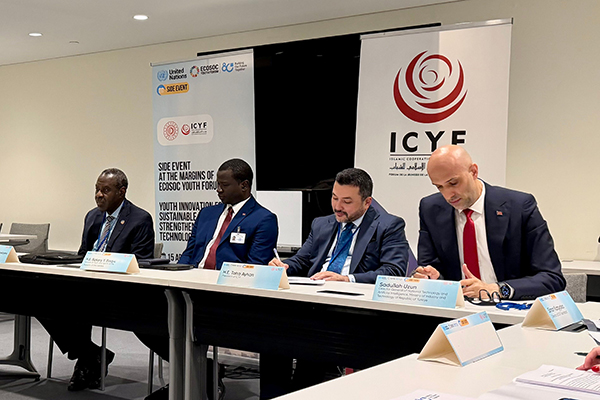
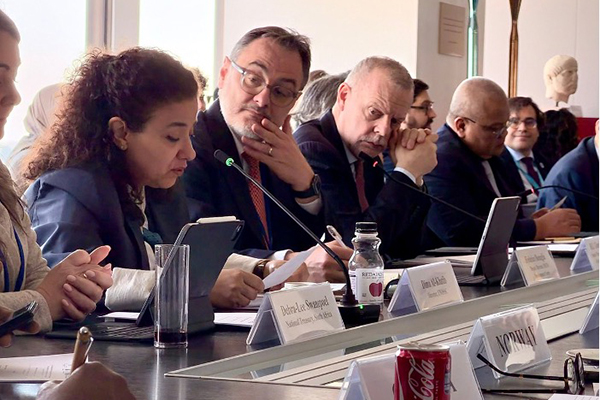
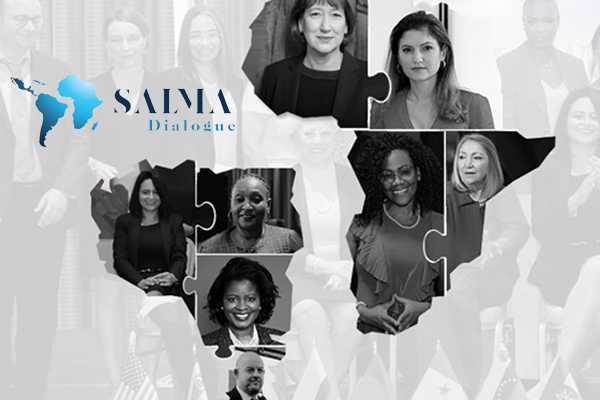
The UN Secretary-General has pointed out that “countries cannot ignore these perils” and has called for decisive, concerted action that recognizes the interconnectedness of our economy. UNOSSC Director Dima Al-Khatib highlighted this call at the inaugural session of the Business Forum convened by Tunis-based SALMA Dialogue, with partners from across regions and countries from both North and South. The Forum was designed to facilitate exchange and foster collaborations among decision-makers, policymakers and stakeholders (governments, private sector, civil society, etc.) and to open opportunities to advance economic integration. The Director underlined that what is crucial for shared progress is economic growth that benefits all, and this requires regional and global integration anchored in the principles of South-South and triangular cooperation.
View the Director’s full message to the SALMA Dialogue:
South-South and triangular cooperation is a collaboration modality that is, at its core, about solidarity, and it has been evolving:- Trade among countries of the global South surpassed North-South trade in the last decades and is growing faster than the world average. The Global South’s share of global GDP rose to about 40 percent in 2022 from only 18 percent in 1993; the value of South-South trade rose from $600 billion in 1995 to $5.3 trillion in 2021.
- Regional Trade Agreements (RTAs) have risen in number and scope: covering more than half of global trade today in such areas as investment, movement of capital and persons, and e-commerce.
- Trends indicate increasing cooperation and self-reliance among the countries of the Global South:
- Developing countries are becoming each other’s trade partners (sources of crucial materials and markets for products and services that advance each ones’ economies);
- increasingly collaborating on improving supply and value chains, together building critical infrastructure and capacities that support mutual needs and aspirations; and,
- enabling or expanding each one’s access to critical knowledge, tools and opportunities for mutual growth.
- Strategies and approaches that align with their unique capacities and priorities.
- Partners that can accompany their development journey, in building industries and competitiveness suited to their context across dimensions – institutional, technological, in human capital, and geopolitical.
- Investments and support that impose no additional burden, and transborder arrangements that guarantee mutual benefit.