The 6th Asia-Pacific Directors General Forum for South-South and Triangular Cooperation convened to facilitate South-South and triangular cooperation among ESCAP’s 62 Member States and associate members to address development challenges and harness opportunities.
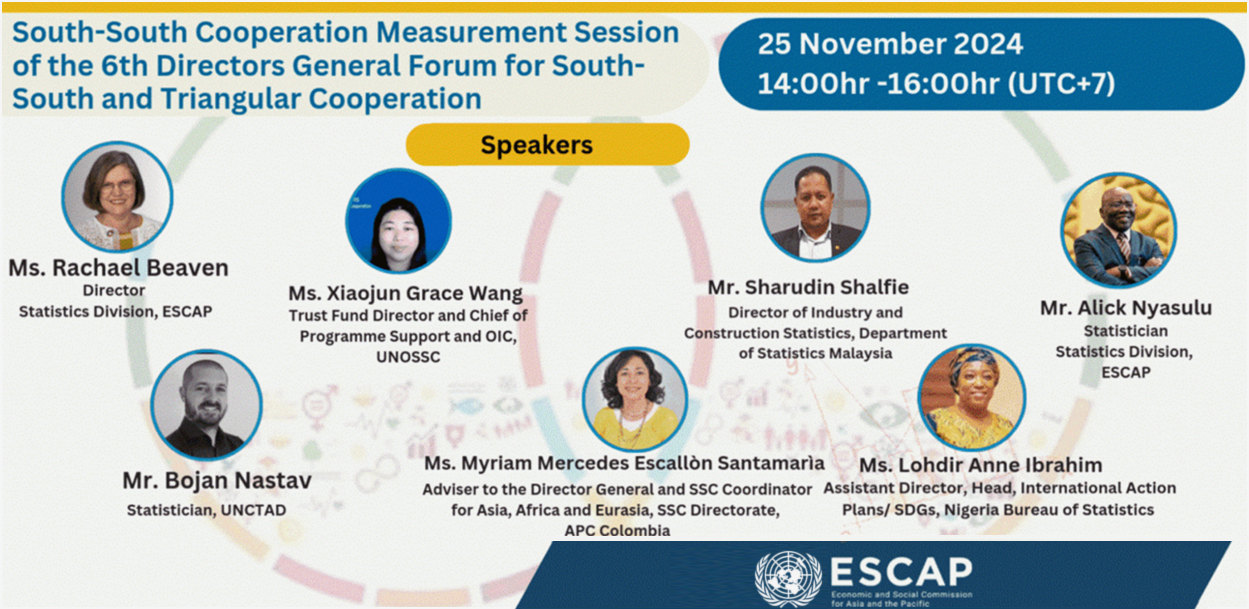
Xiaojun Grace Wang, UNOSSC Trust Fund Director, addressed the Sixth Directors General Forum for South-South and Triangular Cooperation session focused on South-South cooperation measurement.
In partnership with TICA Cooperation of Thailand and United Nations ESCAP, the Forum brought together technical cooperation agencies and experts to explore solutions for resilient and sustainable urban development. The Forum highlighted how South-South cooperation can empower cities in the Asia Pacific to tackle shared urban challenges and build resilience.
“Rooted in principles of solidarity, mutual benefit, and respect for national sovereignty, South-South cooperation has made important contributions across all 17 Sustainable Development Goals. As the UN Secretary-General’s latest report on South-South cooperation highlights, countries in the Global South are spearheading progress in areas from sustainable agriculture to digital innovation and continue to showcase the power of solidarity and partnership,” said Xiaojun Grace Wang. “Yet one area that continues to lag behind is data. The collection and analysis of data related to South-South cooperation and its contribution to the SDGs have not kept pace with the fast-evolving agenda. Without robust data, we cannot fully capture the contribution of South-South cooperation, inform better and more cooperation policies and programmes, or identify areas where further collaboration and investment are needed.”
 At the core of South-South cooperation is a mechanism that fosters inclusive and sustainable development. It also puts in the picture progress made by countries to improve the quality of life for all on the planet through the power of partnerships.
South-South cooperation is an integral part of SDG Goal 17. Goal 17 is critical to support progress towards all the goals. Technical cooperation is a critical aspect of attaining Goal 17 through South-South cooperation and other financing channels of development. It is imperative that efforts to centralize measurement of South-South technical cooperation are put in place through national collaboration amongst agencies utilising existing frameworks.
Considering the need to effectively quantify South-South and triangular cooperation, the forum provided a platform to discuss how national agencies led by their technical cooperation agencies can formalize measurement of SDG 17.3.1 relating to South-South cooperation leveraging the United Nations Statistical Commission conceptual framework on measuring South-South cooperation. ESCAP’s Statistics Division and UNCTAD are jointly working together to evaluate the conceptual framework.
UNOSSC has actively contributed to this agenda, supporting UNCTAD’s work in expert meetings in Brazil and Qatar, and facilitating dialogue through our global networks of cooperation agencies and United Nations Inter-Agency Mechanism for South-South and Triangular Cooperation. The Office has also introduced the framework in our Guidelines for UN Country Teams on South-South and triangular cooperation and training modules on integrating South-South cooperation into Voluntary National Revews. Moving forward, UNOSSC will continue to support the testing and voluntary use of the measurement framework, leverage our platforms and networks to support capacity-development efforts. We will also analyze and use the data once collected to inform our work in advancing the South-South cooperation agenda globally.
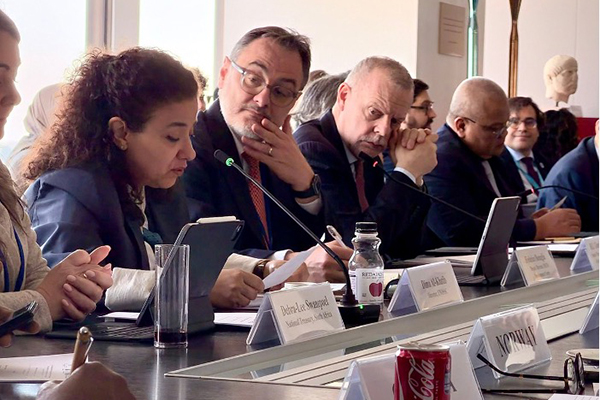
Participants discussed conceptual issues regarding the measurement of South-South cooperation; showcased examples of how other countries have addressed challenges to measure South-South cooperation; and raised awareness amongst ESCAP members of how they can take practical steps to formalize measurement of South-South cooperation within their respective countries.
Watch Xiaojun Grace Wang’s message to the Sixth Asia-Pacific Directors General Forum for South-South and Triangular Cooperation here.
At the core of South-South cooperation is a mechanism that fosters inclusive and sustainable development. It also puts in the picture progress made by countries to improve the quality of life for all on the planet through the power of partnerships.
South-South cooperation is an integral part of SDG Goal 17. Goal 17 is critical to support progress towards all the goals. Technical cooperation is a critical aspect of attaining Goal 17 through South-South cooperation and other financing channels of development. It is imperative that efforts to centralize measurement of South-South technical cooperation are put in place through national collaboration amongst agencies utilising existing frameworks.
Considering the need to effectively quantify South-South and triangular cooperation, the forum provided a platform to discuss how national agencies led by their technical cooperation agencies can formalize measurement of SDG 17.3.1 relating to South-South cooperation leveraging the United Nations Statistical Commission conceptual framework on measuring South-South cooperation. ESCAP’s Statistics Division and UNCTAD are jointly working together to evaluate the conceptual framework.
UNOSSC has actively contributed to this agenda, supporting UNCTAD’s work in expert meetings in Brazil and Qatar, and facilitating dialogue through our global networks of cooperation agencies and United Nations Inter-Agency Mechanism for South-South and Triangular Cooperation. The Office has also introduced the framework in our Guidelines for UN Country Teams on South-South and triangular cooperation and training modules on integrating South-South cooperation into Voluntary National Revews. Moving forward, UNOSSC will continue to support the testing and voluntary use of the measurement framework, leverage our platforms and networks to support capacity-development efforts. We will also analyze and use the data once collected to inform our work in advancing the South-South cooperation agenda globally.
Participants discussed conceptual issues regarding the measurement of South-South cooperation; showcased examples of how other countries have addressed challenges to measure South-South cooperation; and raised awareness amongst ESCAP members of how they can take practical steps to formalize measurement of South-South cooperation within their respective countries.
Watch Xiaojun Grace Wang’s message to the Sixth Asia-Pacific Directors General Forum for South-South and Triangular Cooperation here.
At the core of South-South cooperation is a mechanism that fosters inclusive and sustainable development. It also puts in the picture progress made by countries to improve the quality of life for all on the planet through the power of partnerships.
South-South cooperation is an integral part of SDG Goal 17. Goal 17 is critical to support progress towards all the goals. Technical cooperation is a critical aspect of attaining Goal 17 through South-South cooperation and other financing channels of development. It is imperative that efforts to centralize measurement of South-South technical cooperation are put in place through national collaboration amongst agencies utilising existing frameworks.
Considering the need to effectively quantify South-South and triangular cooperation, the forum provided a platform to discuss how national agencies led by their technical cooperation agencies can formalize measurement of SDG 17.3.1 relating to South-South cooperation leveraging the United Nations Statistical Commission conceptual framework on measuring South-South cooperation. ESCAP’s Statistics Division and UNCTAD are jointly working together to evaluate the conceptual framework.
UNOSSC has actively contributed to this agenda, supporting UNCTAD’s work in expert meetings in Brazil and Qatar, and facilitating dialogue through our global networks of cooperation agencies and United Nations Inter-Agency Mechanism for South-South and Triangular Cooperation. The Office has also introduced the framework in our Guidelines for UN Country Teams on South-South and triangular cooperation and training modules on integrating South-South cooperation into Voluntary National Revews. Moving forward, UNOSSC will continue to support the testing and voluntary use of the measurement framework, leverage our platforms and networks to support capacity-development efforts. We will also analyze and use the data once collected to inform our work in advancing the South-South cooperation agenda globally.
Participants discussed conceptual issues regarding the measurement of South-South cooperation; showcased examples of how other countries have addressed challenges to measure South-South cooperation; and raised awareness amongst ESCAP members of how they can take practical steps to formalize measurement of South-South cooperation within their respective countries.
Watch Xiaojun Grace Wang’s message to the Sixth Asia-Pacific Directors General Forum for South-South and Triangular Cooperation here.