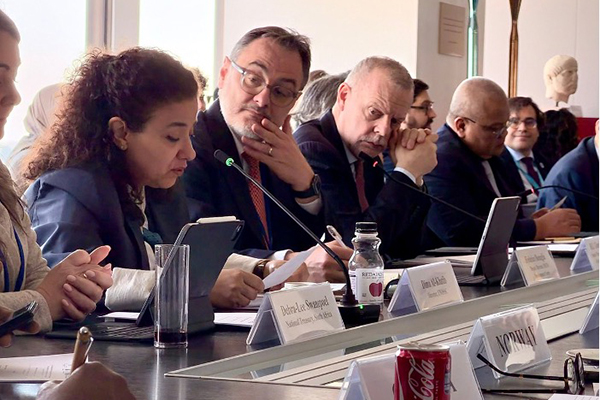
Since 2008, the
Development Cooperation Forum has advanced an inclusive, dynamic approach to international development cooperation among UN Member States and all relevant actors and stakeholders. It serves as the global platform for evidence-based, balanced and forward-looking discussion of the latest trends, progress and emerging issues in international development cooperation.
By providing all relevant actors a space to identify priorities and share knowledge and experiences, the Forum strengthens coherence and coordination across diverse development cooperation efforts and modalities.
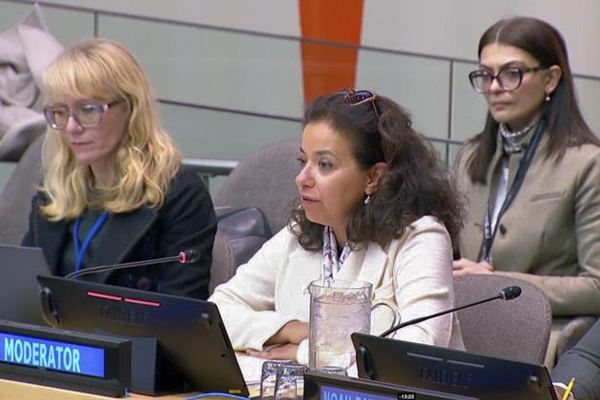
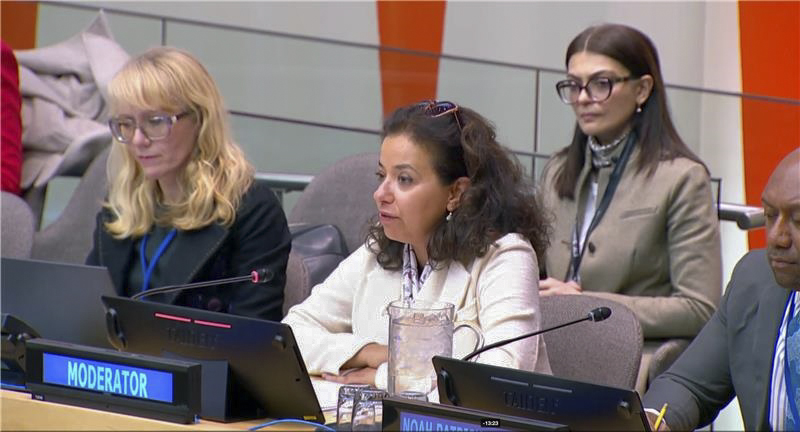
UNOSSC Director Dima Al-Khatib moderated Panel 4 of the meeting, which was focused on ‘Strengthening country-led coordination’, which was chaired by Lok Bahadur Thapa, Vice-President of the United Nations Economic and Social Council (ECOSOC). Participants provided tangible examples of enhancing nationally-led coordination, showcasing efforts to align nationally-owned plans with financing strategies and country-led coordination platforms that engage multiple partners. These efforts included collaboration with Multilateral Development Banks, public development banks, development partners, the UN system, and the private sector. Member States shared insights on formulating and executing nationally owned plans and financing strategies, fostering inclusive dialogue mechanisms that engage diverse stakeholders while ensuring strategic focus, and strengthening institutional capacity for effective coordination and monitoring.
“South-South cooperation is a transformative factor in international development cooperation,” said Director Dima Al-Khatib. She highlighted the
UN Secretary-General’s Report on Trends and Progress in International Development Cooperation, which underscores the urgent need to revitalize and strengthen international development cooperation. In addition, the report highlights the emergence and potential to scale up triangular cooperation as an impactful modality that enhances South-South knowledge-sharing while leveraging North-South partnerships.
Questions addressed by the panel included:
- How can countries design and implement nationally owned plans and financing strategies that effectively align with diverse development partners, including MDBs, UN agencies, and the private sector?
- What mechanisms have been effective in fostering inclusive dialogue among stakeholders while maintaining strategic direction and coherence in development cooperation efforts?
- What institutional reforms or capacity-building efforts have proven successful in strengthening country-led coordination platforms and ensuring effective monitoring of development cooperation?
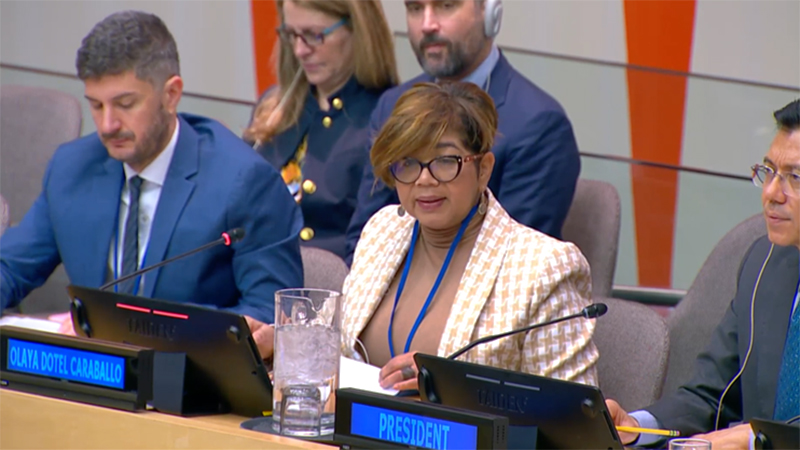
Ms. Olaya Dotel Caraballo, Vice Minister of International Cooperation of the Dominican Republic, shared the experience of her country with regard to an inclusive approach, regional cooperation, and diversification of sources of financing.
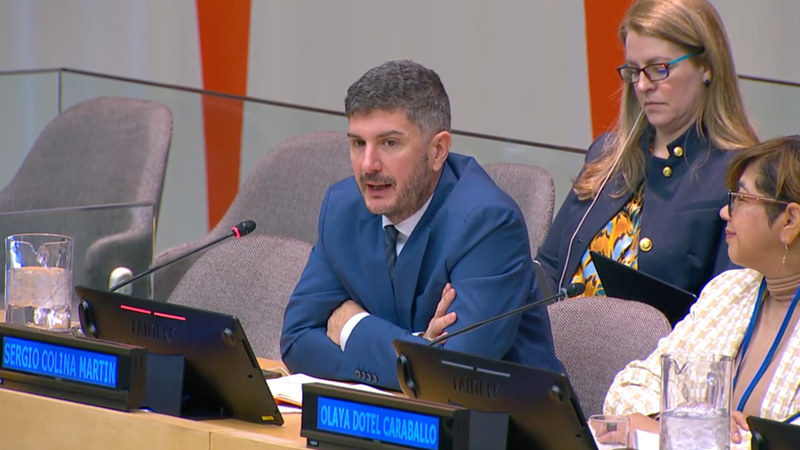
Mr. Sergio Colina Martín, DG for Sustainable Development Policies of Spain, noted the importance of efficiency and joint action, and highlighted the South-South and triangular cooperation experience of Ibero-America in data collection and analysis of trends and best practices.
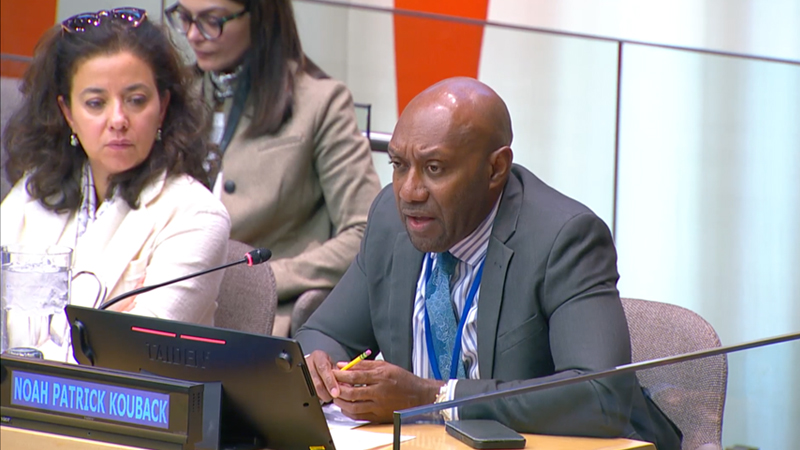
South-South and triangular cooperation were very important following the 2024 Port Vila earthquake, said Mr. Noah Patrick Kouback, Director-General of the Ministry of Foreign Affairs of Vanuatu, noting the valuable assistance of Timor-Leste, Fiji and Papua New Guinea.
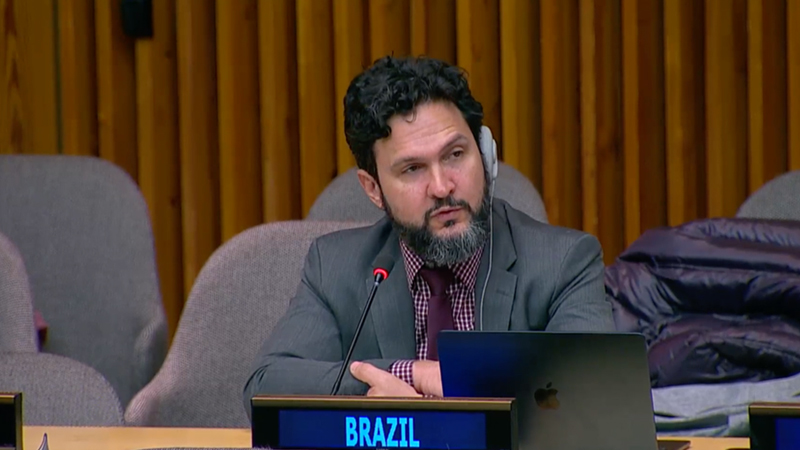
Highlighting the importance of coordination and monitoring, the delegation of Brazil noted the longstanding partnership with UNOSSC and JICA that is facilitating exchanges of best practices among developing countries on managing cooperation.
Core Objectives of the 2025 DCF included:
- Sharpening understanding of what international development cooperation must deliver in a world with rapidly evolving needs, priorities and vulnerabilities
- Promoting better alignment between international development cooperation with nationally identified sustainable development needs and objectives
- Updating and strengthening, through universal participation, the principles for effective, high quality and high impact international development
- Generating concrete recommendations for action at country, regional and global levels to create a more coherent and responsive development cooperation system