As we mark the United Nations Day for South-South Cooperation 2025, UNDP is proud to celebrate the role of South-South and Triangular Cooperation (SSTC) in accelerating progress towards Nature-positive, low-carbon, resilient development pathways for current and future generations. Countries are increasingly turning to SSTC to exchange knowledge, strengthen capacities, and scale up integrated solutions that address the drivers of biodiversity loss, environmental degradation, and changing climate, while fostering new opportunities for peace and prosperity on a healthy planet.
To help countries meet these aspirations, UNDP leverages SSTC as a key delivery modality for its Strategic Plan. In the programming cycle through 2024, 66% of UNDP country offices explicitly included support for SSTC.
In line with its new Strategic Plan, UNDP, Member States, and partners are facilitating SSTC including through the UNDP Nature Pledge— a global strategy to halt biodiversity loss, foster sustainable human development, and achieve the interlinked targets of the Kunming-Montreal Global Biodiversity Framework, Paris Agreement, and 2030 Agenda. Nature-based solutions are essential for catalyzing the large-scale transformative change needed to achieve the Sustainable Development Goals.
SSTC in the Global Biodiversity Framework
The Kunming-Montreal Global Biodiversity Framework (GBF) recognizes SSTC as a key modality for implementation.
Target 20 calls for enhanced capacity-building, innovation, and technology transfer—including through South-South and Triangular modalities—to implement global biodiversity goals. SSTC offers a range of ways to mobilize resources, deepen peer learning, and translate commitments into results.
UNDP is aligning its work with this ambition and documenting how countries are using SSTC to develop shared solutions for biodiversity conservation, sustainable land use, water and ocean governance, food systems, gender equality, digitalization, and finance.
Stories of Impact from the Global South
Earlier this year, the UNDP Nature Hub launched a report on Strengthening South-South and Triangular Cooperation: For People and Planet. The publication documents examples of SSTC in action—from transboundary conservation and biodiversity finance to gender-responsive agriculture and circular economy. These stories demonstrate the power of solidarity and shared learning in delivering local solutions with global impact. For instance:
 Looking Ahead
The UN Day for South-South Cooperation is an opportunity to take stock of successful SSTC approaches. It is also a chance to look forward to new opportunities for collaboration and partnerships that identify and scale innovative solutions from the Global South and accelerate integrated Nature-Climate action on the ground and across our oceans.
Over the coming months, UNDP will continue to work with the United Nations Office for South-South Cooperation and all partners to translate the high-ambition Global Goals of the Rio Conventions and linked environmental agreements into real results at the community, country, and transboundary levels.
Looking Ahead
The UN Day for South-South Cooperation is an opportunity to take stock of successful SSTC approaches. It is also a chance to look forward to new opportunities for collaboration and partnerships that identify and scale innovative solutions from the Global South and accelerate integrated Nature-Climate action on the ground and across our oceans.
Over the coming months, UNDP will continue to work with the United Nations Office for South-South Cooperation and all partners to translate the high-ambition Global Goals of the Rio Conventions and linked environmental agreements into real results at the community, country, and transboundary levels.
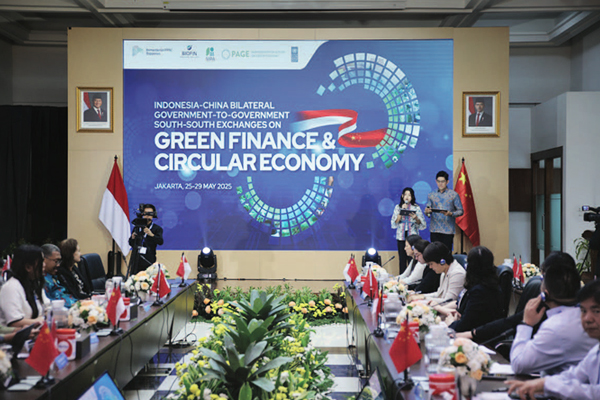
- In May 2025, the Government of Indonesia hosted a bilateral South-South Exchange with China on green finance and circular economy approaches, organized by BAPPENAS and UNDP through the Partnership for Action on Green Economy (PAGE), the OECD Sustainable Infrastructure Programme in Asia (SIPA), and Biodiversity Finance Initiative (BIOFIN). The exchange strengthened collaboration between the two countries to address environmental challenges, share policy instruments, and promote sustainable development within the Global South. This ongoing exchange has informed national reforms and catalyzed action on circular economy and biodiversity-linked finance. More details are available here.
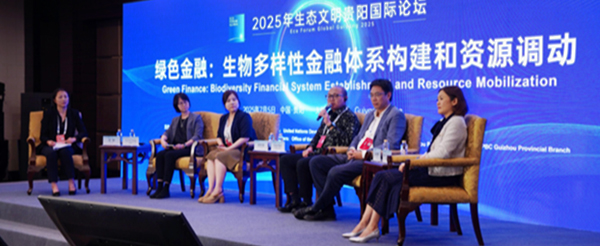
- As a follow-up to the May exchange hosted by Indonesia, China hosted a second exchange in early July. Facilitated by PAGE and BIOFIN, the exchange showcased innovative approaches to advancing Nature-based solutions through integrated fiscal planning, smart regulatory alignment, and targeted private sector engagement.
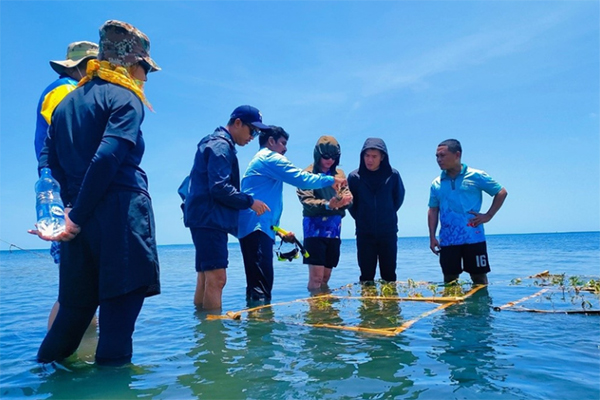
- SSTC approaches are also central to UNDP’s Ocean Innvoation Challenge (OIC) funded by Sweden and Norway. For example, Fundacion One Sea established a “Network for the Promotion of Laws for our Oceans” with 35 Latin American organizations and a technical network with 5 European organizations to promote ocean laws through stakeholder engagement. OneSea’s “Declaration of Peace for the Ocean”, developed under OIC, has been adopted by the Government of Costa Rica and signed by more than 20 countries.
Looking Ahead
The UN Day for South-South Cooperation is an opportunity to take stock of successful SSTC approaches. It is also a chance to look forward to new opportunities for collaboration and partnerships that identify and scale innovative solutions from the Global South and accelerate integrated Nature-Climate action on the ground and across our oceans.
Over the coming months, UNDP will continue to work with the United Nations Office for South-South Cooperation and all partners to translate the high-ambition Global Goals of the Rio Conventions and linked environmental agreements into real results at the community, country, and transboundary levels.