UNESCO: Green Economy in Nigeria gets a boost from India-UN Fund


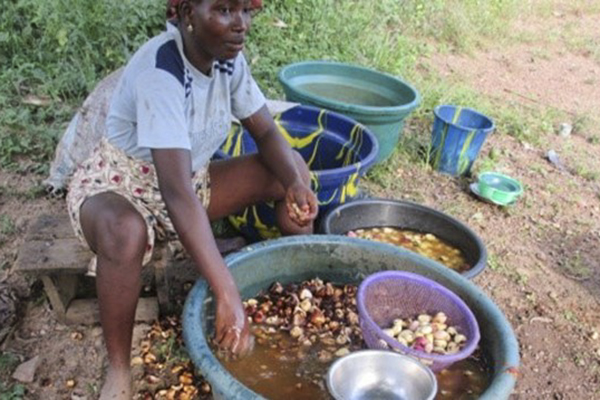
Jointly advancing environmental sustainability and poverty reduction is a challenge the government of Nigeria holds at heart. In pursuit of these interlinked objectives, the Ministry of the Environment and the Man and the Biosphere National Committee of Nigeria proposed a project titled “Biodiversity Businesses in Omo and Shere Hills: A Means to Poverty Reduction, Biodiversity Conservation and Sustainable Development.” This initiative, a unique example of triangular partnership between the Government of Nigeria, the Government of India and UNESCO – was recently approved in principle by the India-UN Development Partnership Fund Board to receive $1 million.   “Conservation of biodiversity and effective management of Nigeria forest resources are critical to attaining SDGs 13 and 15. Effective green-economy businesses that will conserve the natural resource base as well as promote the livelihoods and socio-economic status of local communities living within the forest reserves should be promoted and implemented for environmental sustainability,” commented Surveyor Suleiman Hassan Zarma, the Minister of Environment of Nigeria. The project will increase biodiversity-friendly livelihoods in these two regions of Nigeria. It will offer training to local communities, with a focus on women and youth, on simple nature-based business techniques such as apiculture (bees), snail rearing, eatable mushroom and other rare species harvesting. It will contribute supplies and simple equipment, incubate businesses by providing support on business plan development to accessing markets, and help locals develop business skills including bookkeeping and product marketing. “This is the first project the India-UN Fund is launching in Nigeria, and one of the first with UNESCO. We are excited to see how it can support people to lift themselves out of poverty in an environmentally sustainable way, and hope it can serve as an example for other countries looking to do the same. It is yet another example of the great commitment India has to further sustainable development through the solidarity-based model of South-South Cooperation” said Jorge Chediek, the Secretary-General’s Envoy on South-South Cooperation and Director of the UN Office for South-South Cooperation, UNOSSC. Omo Biosphere Reserve was designated a Biosphere Reserve by UNESCO in 1977. It comprises over 130,000 hectares and is home to over 5,000 people. Their major economic activities include timber exploitation, fuel wood harvesting, cultivation of arable crops, hunting and fishing. The Shere Hills forest comprises over 35,000 hectares of undulating hills on the Jos Plateau, Nigeria.  It has numerous high peaks, with the highest peak reaching a height of about 1,829 metres above sea level. Currently, both sites are under threat for losses in their biodiversity.  Participatory governance of the ecosystem; improved sustainable livelihoods for local people; and enhanced social, economic and cultural conditions are key to preserving biodiversity and ensuring environmental sustainability. This project and the support by India are, therefore, highly relevant and timely. The project will be implemented by UNESCO in close collaboration with the Ministry of Environment of Nigeria, the Forestry Research Institute of Nigeria, and the Nigeria MAB National Committee. “Convinced that inter-sectoriality and holistic approaches to development are critical to advance on the SDGs, India is supporting the UN System across its various Agencies, Funds and Programmes. We are pleased to work with UNESCO, and we hope this project a harbinger of more to come,”  affirmed H.E. Syed Akbaruddin, Permanent Representative of India to the United Nations in New York. “Environmental conservation programmes and green-economy business activities in biosphere/forest reserves should lay much emphasis in activities that create employment opportunities for women and youths who are more vulnerable to the vagaries of climate change. Such activities should improve their social, economic and cultural conditions for environmental sustainability,” commented Dr. Adeshola Adepoju, Director-General of the Forestry Research Institute of Nigeria. “UNESCO’s expertise in promoting biodiversity-friendly jobs is highly relevant for populations living in rural and protected areas. We are very thankful to the Government of India for its support, which will enable us to expand our support incubating small businesses in bee-keeping, snail rearing, mushroom farming, carbon sequestration in biomass, watershed protection, bioprospecting and ecotourism in Nigeria, among others” commented Mr. Yao Ydo, Regional Director of UNESCO Multisectoral Regional Office Abuja. The United Nations Office for South-South Cooperation (UNOSSC) is the Fund Manager and Secretariat of the Board of Directors of the India-UN Development Partnership Fund. It supports the work of the Fund through the overall project cycle. Launched in June 2017, it’s project portfolio encompasses 31 projects across Africa, Asia Pacific, Latin America and the Caribbean.      
Related Post


  • All Post
  • ATCT Featured Publications POM
  • BAPA+40
  • Blog
  • Capacity Development Initiatives
  • CICETE Featured Publications POM
  • CIKD
  • Cities Clusters - Agriculture
  • Cities Clusters - COVID-19
  • Cities Clusters - COVID-19 Knowledge Products
  • Cities Clusters - DRR
  • Cities Clusters - E-commerce
  • Cities Clusters - Tourism
  • Cities Clusters - Tourism Knowledge Products
  • Cities Clusters - Transport
  • Cities Clusters - Waste
  • Cities Project
  • Cities Project COVID-19 Newsletters
  • Cities Project COVID-19 Response
  • Cities Project Knowledge Products
  • Classic (untouched)
  • Climate Action
  • COMSATS Featured Publications POM
  • COMSATS Featured Solutions POM
  • Converted from Divi
  • Converted from Mixed
  • Converted from WPBakery
  • COVID-19
  • COVID-19 Page Featured Solutions
  • DRR Knowledge Products
  • DRR News
  • Empty Post
  • Events
  • Featured Event UN-Habitat POM
  • Financing for Development
  • Financing Mechanisms
  • g7+
  • Gender Events
  • Gender News
  • Good Practices in SSTrC Series
  • Good Practices Publications
  • Good Practices Thematic Series & Special Editions
  • Good Practices Vol. 2
  • Good Practices Vol. 3
  • GSSDC
  • Highlighted
  • Highlighted Publications
  • IAEA Featured Solutions POM
  • IBRAF Featured Publications POM
  • IBSA Fund
  • IBSA Fund Annual Reports
  • IBSA Fund News and Stories
  • IBSA Fund Publication
  • IBSA Fund Story
  • ICGEB Featured Events POM
  • ICGEB Featured Publications POM
  • ICGEB Featured Solutions POM
  • ILO Featured Events POM
  • ILO Featured Publications POM
  • ILO Featured Solutions POM
  • India-UN Development Partnership Fund
  • India-UN Fund Publication
  • India-UN Fund Story
  • IsDB
  • IsDB Featured Publications POM
  • IsDB SCC
  • News
  • Norec Featured Publications POM
  • Norec Featured Solutions POM
  • Peace and Development
  • PGTF Publications
  • PGTF Story
  • PICA Featured News POM
  • PICA Featured Publications POM
  • PICA Featured Solutions POM
  • PIDF Featured Publications POM
  • Publications
  • Regional Updates
  • Research
  • ROK-UNOSSC Facility
  • SGP Featured Publication POM
  • SGP Featured Solutions POM
  • Solution
  • South South in Action
  • South-South Global Thinkers
  • South-South Ideas
  • South-South Ideas Series
  • South-South in Action Series
  • Southern Response to COVID-19
  • SSN4PSI Featured Publications POM
  • SSN4PSI Featured Solutions POM
  • Training
  • UN Day for SSC 2020
  • UN Fund for SSC
  • UN SSC Day Publications
  • UN-Habitat Featured Publications POM
  • UN-HABITAT Featured Solutions POM
  • UNCCT
  • UNEP Featured Publications POM
  • UNFPA
  • UNFSSC Publication
  • UNFSSC Story
  • UNIDO Featured Publications POM
  • UNIDO Featured Solutions POM
  • UNIDO POM Events
  • UNOCT Featured Publications POM
  • UNV
  • UNV Featured Publications POM
  • WB Featured Publications POM
  • WB Featured Solutions POM
  • Webinars
  • WFP Featured Events POM
  • WFP Featured Publication POM
  • WFP Featured Solutions POM
  • WIPO
  • Workshops and Seminars
  • Youth4South
  • z Across the Globe 1
  • z Across the Globe 2
  • z Across the Globe 4
  • z Across the Globe 5
  • z Across the Globe 6
  • z Across the Globe 7
  • z Across the Globe 8
  • z ES BAPA+40
  • z ES Eventos
  • z ES Noticias
  • z ES Noticias Destacadas
  • z ES Publicaciones
  • z ES Publicaciones Destacadas
  • z ES Serie Buenas Prácticas en la CSSyT
  • z ES Serie El Sur-Sur en Acción
  • z FR Actualités
  • z FR BAPA+40
  • z FR Événements
  • z FR Publications
  • z FR Publications en vedette
  • z FR Série Bonnes pratiques en CSST
  • z FR Série Sud-Sud en action
  • z Highlighted News
  • z Photos
  • z Videos
  • z ZH BAPA+40
  • z ZH Events
  • z ZH News

ABOUT

Terms of Service

Privacy Policy

Disclosures

RESOURCES

Terms of Service

Privacy Policy

Disclosures

ENGAGE

Terms of Service

Privacy Policy

Disclosures

Copyright © UNOSSC/UNDP

wpChatIcon
wpChatIcon

Alliance Application Form

Submit an Expression of Interest and/or Demand Signal. UNOSSC reviews submissions on a rolling basis.

1. Official name of organization / institution / government entity (exclusions to apply) *
2. Country *
3. Region *
4. SDG *
Secondary SDG *
5. Partner category *
6. Website *
7. Brief description of your institution (max. 150 words) *
Name for the Lead *
Title for the Lead *
Email address for the Lead *
Name for the co-lead
Title for the co-lead
Email address for the co-lead
Section 3. Expression of Interest in the Alliance *
Additional information on proposed areas of engagement may be requested through the platform following initial review by the Alliance Secretariat.
Section 4. Due Diligence and Integrity Declaration *

Submission Note:

  • Submission of this Expression of Interest form does not automatically confer participation in the Alliance.
  • All submissions will be reviewed by the Alliance Secretariat, including basic eligibility screening and proportionate due diligence, as appropriate.
  • Participation in Alliance activities is determined based on relevance to articulated cooperation needs, alignment with Alliance principles, and integrity considerations.
  • Engagement under the Alliance is voluntary, non-binding, and facilitative in nature, and does not constitute funding approval, contractual commitment, or institutional membership.
  • The Alliance Secretariat may contact submitting entities for additional information or clarification during the review process.

Submission of Demand Form

Description of Demand

Indicate the type of support or cooperation requested through the Alliance.
Please briefly describe the challenge, gap, or priority. (Max. 300 words)

Thematic and Geographic Focus

Please indicate the main focus areas of your demand:

A. Thematic Areas (select up to three)
B. Geographic Focus (select all that apply)

Proposed Engagement Modalities

Please indicate how you would like to engage through the Alliance (select all that apply):

Expected Outcomes

Please indicate the main results you seek to achieve through this engagement. (Max. 200 words)
Examples:
• Capacity strengthened
• Partnerships established
• Sectoral or regional strategies co-developed
• Solutions piloted
• Knowledge generated
• Policies informed

Timeline and Readiness (if applicable)

1. Expected timeframe for engagement:
2. Current stage:

Additional Information

Please provide any additional information, documents, or links relevant to this submission.
(Max. 200 words or upload link)

Submission of Offer Form

Description of Contribution

Indicate the type of contribution your institution can provide and describe the expertise, resources, or solutions you may offer.
Please briefly describe your proposed contribution. (Max. 300 words)

Thematic and Geographic Focus

Please indicate the main focus areas of your interest:

A. Thematic Areas (select up to three)
B. Geographic Focus (select all that apply)

Proposed Engagement Modalities

Please indicate how you would like to engage through the Alliance (select all that apply):

Expected Outcomes

Please indicate the main results you aim to achieve through this engagement. (Max. 200 words)
Examples:
• Capacity strengthened
• Partnerships established
• Sectoral or regional strategies co-developed
• Solutions piloted
• Knowledge generated
• Policies informed

Timeline and Readiness (if applicable)

1. Expected timeframe for engagement:
2. Current stage:

Additional Information

Please provide any additional information, documents, or links relevant to this submission.
(Max. 200 words or upload link)

Organization Registration

Authentication & Due Diligence This prototype simulates identity verification, due diligence confirmation, and an authentication step before submission. *

First Name *
Last Name *
Email address *
Password *
Confirm Password *
Name of institution / organization *
Country / Region *
Organization Type *
Organization other *
Function / role *
Organization logo *
Maximum file size: 1 GB

Login

Login / email *
Password *
Remember me

Forgot password?

Connect form

Your name *
Email *
Organization / institution *
Job title / role *
Reason for connecting:
Short message

Scroll to Top