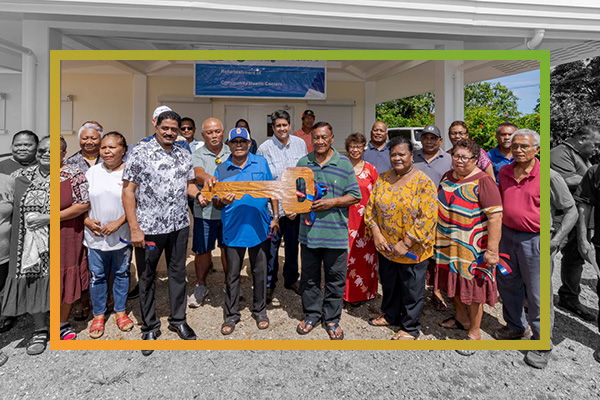
What do you do when your child is sick but the nearest medical facility is a costly, over-two-hour boat ride away and you cannot afford to lose a day’s pay? For many people in the Pacific Island country of Palau, this is a regular, but no less vexing, conundrum, one with no easy answers but one with cascading implications. Now, however, more than 2,000 people of Palau have access to better health centres.
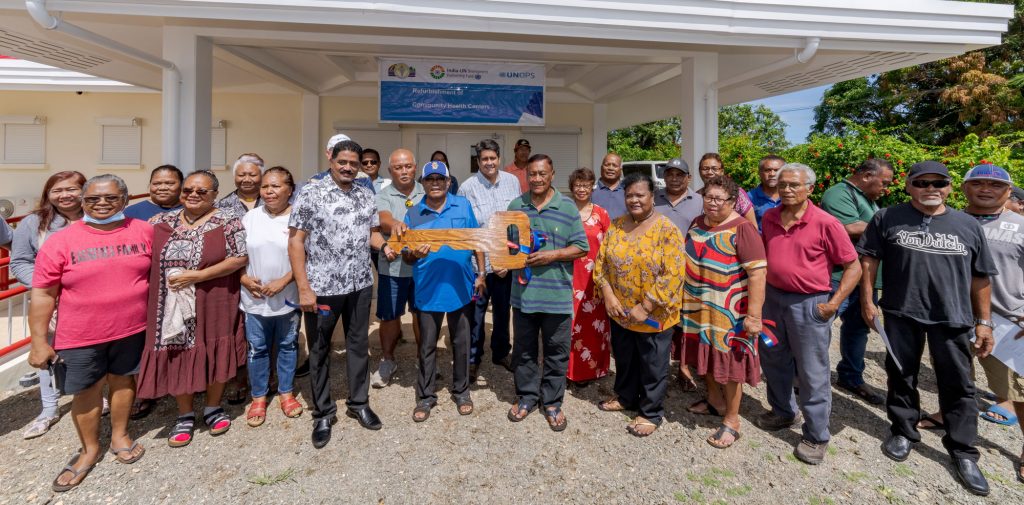
With the financial support of $1.65 million from the India-UN Fund, the Ministry of Health and Human Services and UNOPS set out to tackle the disparities in accessing health facilities that stem from remoteness and socioeconomic conditions. The central focus of the initiative was the rehabilitation of three community health clinics in three strategically located States and serving more than 2,000 people: one each in Ngarchelong, Peleliu and Ngaremlengui.
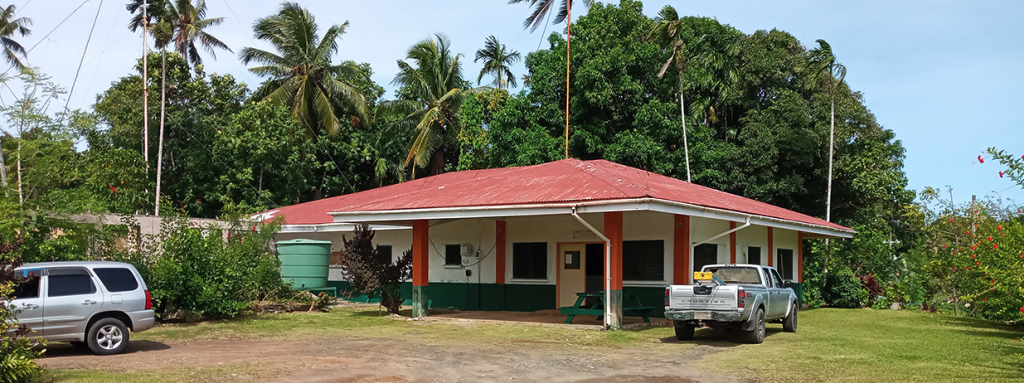
Infrastructure was an issue for the community health centres. Most centres were more than 15 years old, with heavy wear due to challenging climatic conditions including high wind, storm surges, heavy rain, and salty and humid conditions that affect the durability of materials. Problems included termite infestations, corroded or damaged roofs, a lack of outside drainage, and unpredictable energy supplies and the provision of medical and communications equipment. Furthermore, the country’s geography posed the challenge of accessibility.
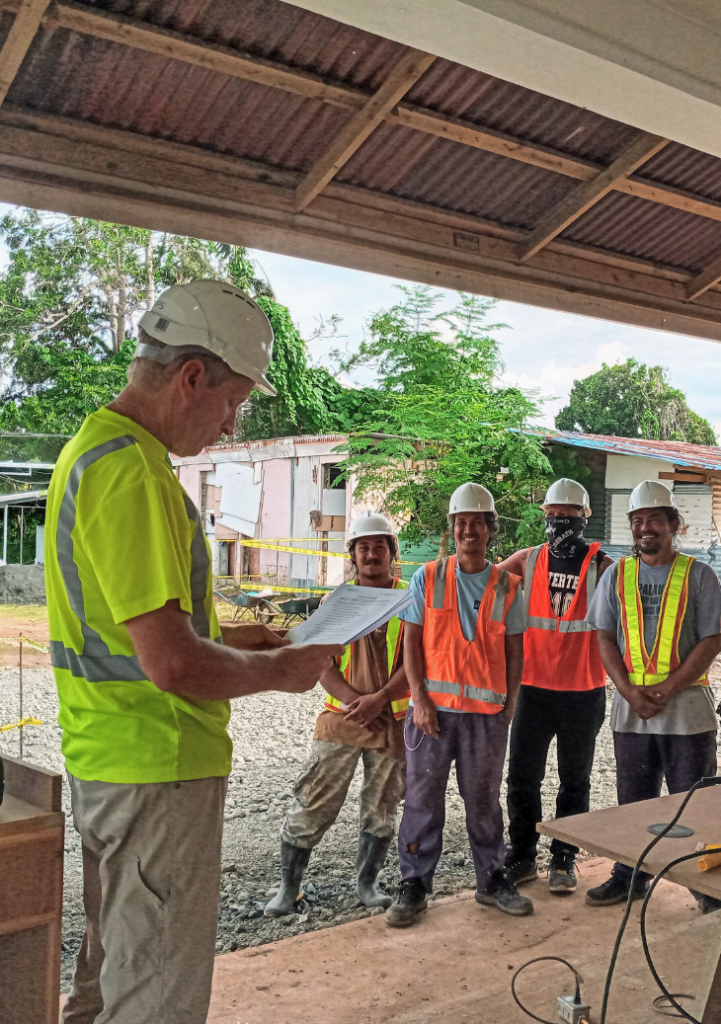
The rehabilitation of the health centres included replacing the septic system, cabinetry and related plumbing, electrical works, air conditioning installation and roofing. Additionally, the centres have been made ready for renewable-energy upgrades (photovoltaic systems) and emergency backup power. The facilities have been made accessible to people living with disabilities, including upgrades to the bathrooms and treatment rooms. Importantly, the improvements have created a more conducive work atmosphere for the frontline workers and staff of the centres.
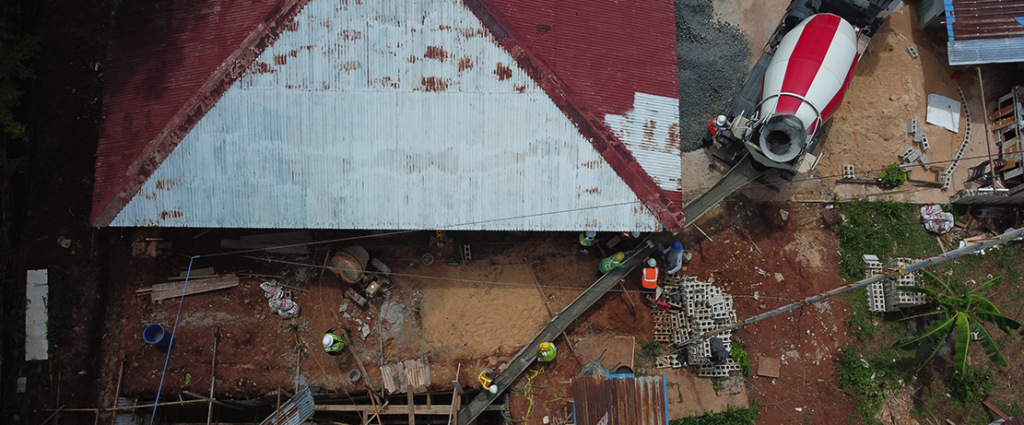
Of equal importance to the site improvements was the training of 18 construction workers (14 male/4 female). Palau had not yet adopted construction codes or practices adhering to International Standards Organization (ISO) specifications and international best practices, practices that are central to the UNOPS approach to sustainability. Through their training, the 18 workers gained valuable hands-on knowledge of sustainable construction standards, including resistance to weather hazards. Those men and women are now in a position to pass that knowledge on to colleagues throughout the construction industry.
The project was designed to support the Ministry’s ambitious agenda to help to ensure happy and purposeful lives for its population by enhancing primary care through a staged centre-upgrade approach. Along with the rehabilitations, UNOPS provided support and advice to the Ministry in achieving its long-term goals as well as to address the additional challenges brought on by the pandemic.
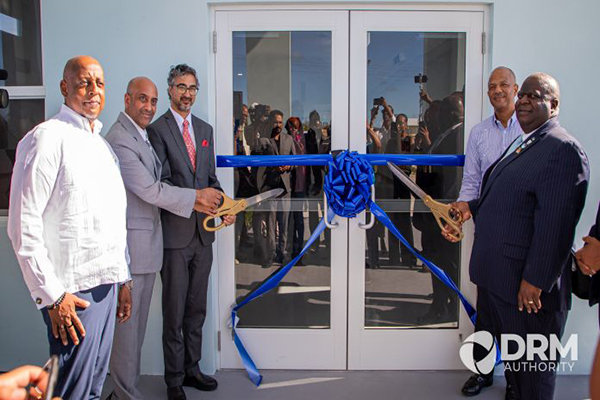
“On behalf of the people of Palau, I wish to extend my deepest appreciation to UNOPS, the United Nations Office for South-South Cooperation, the India-UN Partnership Development Fund and the Government and people of the Republic of India for their great partnership and support in the rehabilitation project of the Northern Community Health Centre. I strongly believe that this newly improved infrastructure will provide an accessible, safe and comfortable space for community members to receive quality and efficient primary health-care services,”
President Surangel S. Whipps, Jr., said during the handover ceremony of the Northern Community Health Centre in Ngarchelong.
“UNOSSC, through the India-UN Fund, was pleased to support Palau’s infrastructure to provide better health services in response to the COVID-19 pandemic. As we work to build back better, with more resilient systems and services, the relevance of this support is most evident,”
Mr. Adel Abdellatif, Director a.i., UNOSSC, stated.
“UNOPS is glad to be handing over the rehabilitated community health centres to the Ministry of Health and Human Services and the people of Palau in the knowledge that people across Palau now have improved quality health delivery and patient care. We are proud to have been a part of [this] South-South cooperation and remain committed to improving the lives of Palauans by building the future through infrastructure for climate action,”
Ms. Samina Kadwani, UNOPS Director for the Pacific, Thailand and Indonesia, said.
Final handover of the three facilities was completed in November 2021.