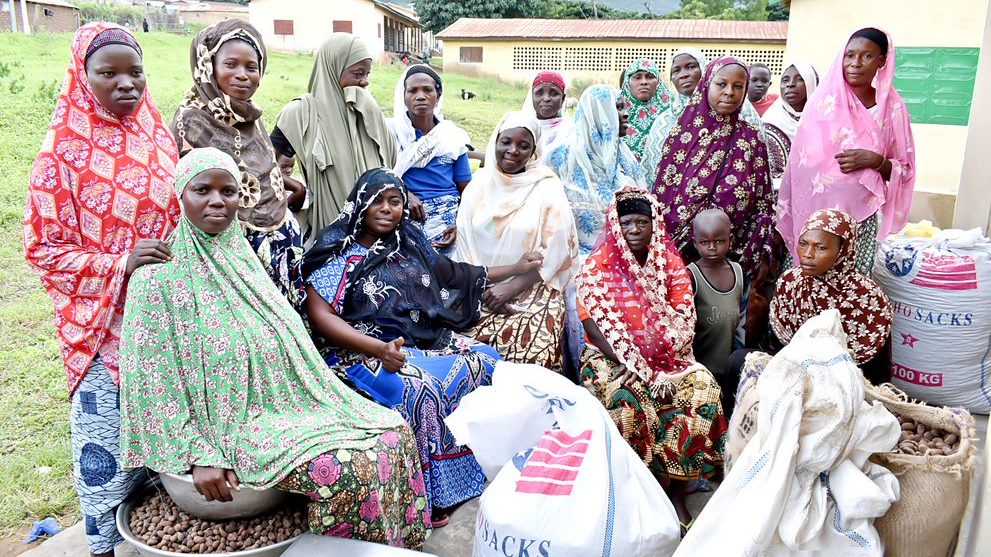
Biodiversity is under threat across the globe. The causes are many and varied and include population growth and the resulting change in land use, as well as the more rapid exploitation of resources such as wood, wildlife, minerals, non-forest timber products, and food. The 2022 Intergovernmental Platform on Biodiversity and Ecosystems Services report notes that a record 1 million animal and plant species are currently under threat of extinction, and logging, mining and coastal development have altered or damaged about 75% of the land-based environment and about 66% of the marine environment. No country is exempt. Not surprisingly, it is the smaller developing countries, such as Togo in West Africa, that are the most challenged.
As a component of the country’s National Development Plan (2012-22), the Togo Ministry of Environment, Sustainable Development and Nature Conservation, in partnership with UNESCO and with the financial support of the India-UN Development Partnership Fund, launched a programme to support rural communities in the vicinity of the Fazao-Malfakassa National Park, the largest of the country’s three national parks. By leveraging the potential of biodiversity-positive businesses, the initiative was designed to reduce poverty and contribute to the local communities’ sustainable development. At the same time, the project would lay the groundwork for establishing a Biosphere Reserve in the Park, the country’s third reserve.
Guided by the goals of SDG 15, Life on Land, the project developed biodiversity-friendly green-economy activities for families through improved knowledge about diversity, the establishment of new small businesses, enhanced access to markets, and comprehensive start-up business-incubation services to support youth- and women-led entrepreneurship.
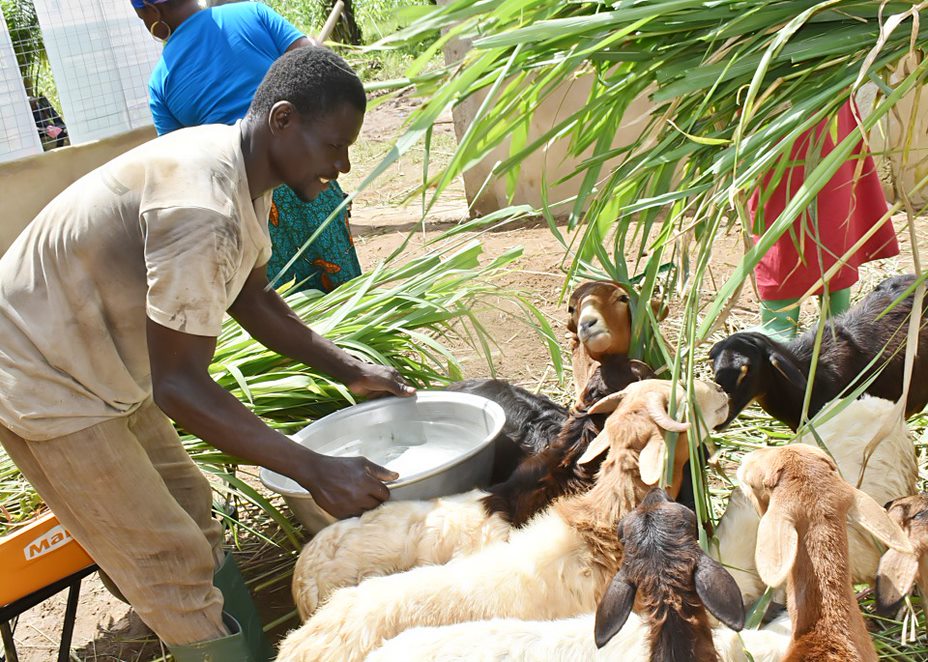
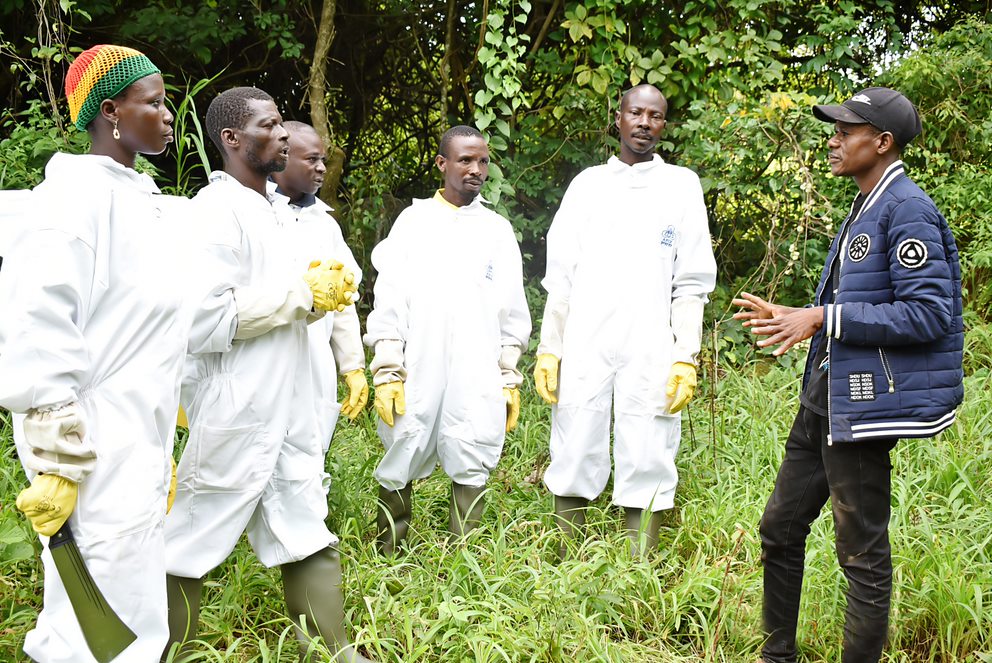
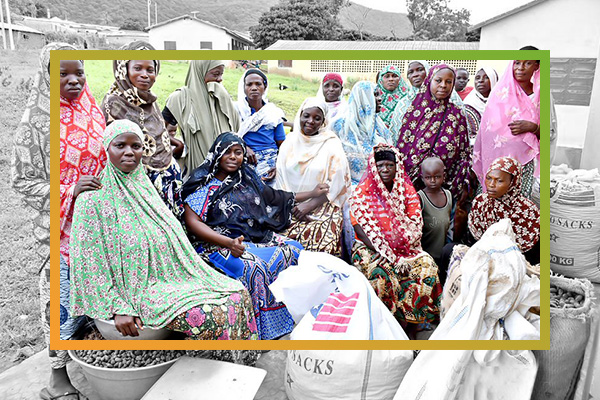
Training men and women in the successful creation and management of green-economy businesses – shea butter development, beekeeping, and ruminant breeding – was the principal focus. This included training in business-specific processes, accounting, and the building of a business plan. Beekeepers learned techniques for placing hives, monitoring, and collecting, processing and storing honey. Hunters from 12 communities learned the rudiments of sheep and goat breeding systems, feeding, reproduction and monitoring and health management, as well as the relationship between livestock, agriculture, hunting and biodiversity conservation. And shea butter collectors worked on best practices for collecting, processing, and storing shea kernels and stock management, for the effective administration of a cooperative society.
The project yielded impressive results. Twenty-eight cooperating societies engaging 610 people (310 women) were formed. And more than 1,600 people from 12 communes bordering the park were provided training in improving their livelihoods through sustainable, biodiversity-positive small-scale businesses. In addition, a catalogue detailing the Park’s rich biodiversity was created and will be instrumental in establishing the proposed biosphere.
More India-UN Fund Stories