Spread out over 29 coral atolls and five islands scattered across 2.13 million sq/km in the Central Pacific Ocean, the people of the Republic of the Marshall Islands face many of the same, as well as numerous unique, challenges of other small island developing countries. These include water shortages, limited availability of transportation, relatively poor soil that limits agricultural activities and diminishing returns from coral reef-based shore fisheries.
Many of these challenges are now further exacerbated by climate change, which is driving accelerated sea level rise, salinization of soil and contamination of limited ground water. Further, the Republic of the Marshall Islands’ rapid population growth and the contamination of its natural environment are increasing the pressure on subsistence farming and fishing. Urbanization is placing stress on land and water and increasing the demand for housing, classrooms, energy, and waste management. Among the Republic of the Marshall Islands’ most vulnerable island clusters is Mili Atoll, 93 miles southeast of the country’s capital and largest city and home to 1,500 people. Mili Atoll is seeing the rise in food insecurity as an increasingly prominent hardship.
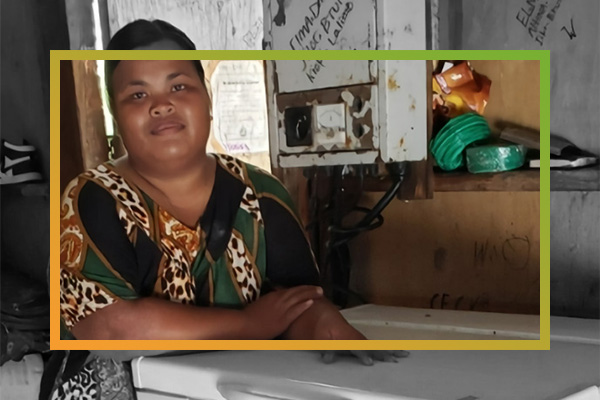
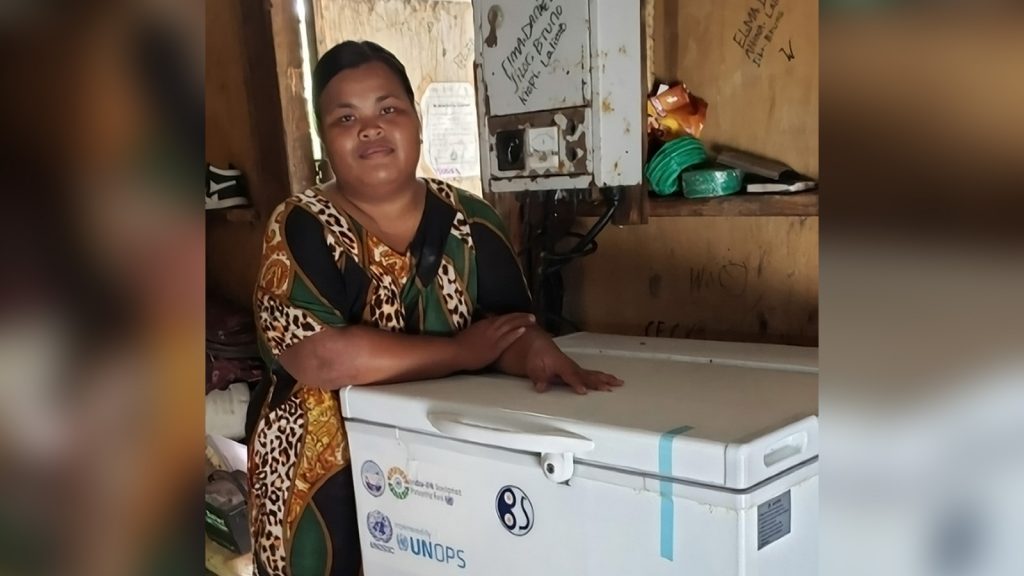
In partnership with the Ministry of Works, Utility and Infrastructure, and with funding from the India-UN Fund, UNOPS has delivered and installed 120 solar-powered freezer chests in 100 households across Mili Atoll, Addressing the growing food security of the region is the principal goal of the project.These sustainable, environmentally friendly freezers will allow local communities to freeze food obtained from subsistence farming and fishing and store it for longer periods of time.
“Being able to freeze food will allow households to bridge the gaps between fluctuations in food production and fisheries more easily. By being able to store food for longer periods of time, families can not only effectively plan and ration food consumption and resources but will also be able to reduce the time, money and energy that was traditionally spent on longer and more frequent food purchasing trips.”
? Ms Samina Kadwani, UNOPS Director for the Pacific, Thailand, Indonesia, and Papua New Guinea.
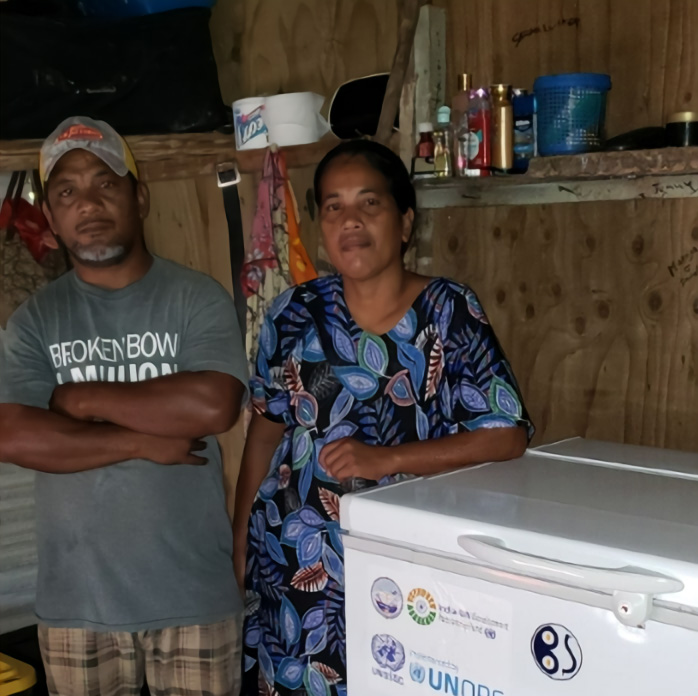
Having chest freezers that are solar-powered will allow communities to circumvent the particularly high fuel costs of remote atolls, while at the same time ensuring a more regular and sustainable source of energy. The project also provided simple training in the installation and maintenance of the solar-powered systems, to ensure that communities gain the technical knowledge necessary for servicing their equipment.
In addition, to further strengthen food security, the project provided farm tractors, pickup trucks and generators aimed at improving the agricultural productivity and food quality of subsistence farming.
More India-UN Fund Stories