More than a year after COVID-19 was declared a global pandemic, the remote Pacific Ocean country of Kiribati was one of the very few countries that had zero confirmed cases of the virus. Its remoteness and the speed with which they were able to shut their borders were major contributing factors, as they were for other Oceania countries. But dodging an early catastrophe did not mean that the Government did not need to take the necessary measures to protect this small island nation.
So, in early 2021, in partnership with UNICEF and benefiting from the financial support of the India-UN Development Partnership Fund, the Risk Communication and Community Engagement Committee was formed to lead the country’s preparedness activities. The Committee mandate was to ensure that enhanced risk communication and community engagement mechanisms were established to effectively communicate and engage with vulnerable and at-risk populations as well as with the general population.
Among the key activities undertaken were training of health workers in effective COVID-19 response as well as continuity of essential health services. The project developed and distributed information and education materials through print, radio, songs and short dramatic-arts plays. Health-care workers made home visits and led community dialogues on detecting and treating COVID-19. And they engaged with religious leaders, Island Councils and NGOs.
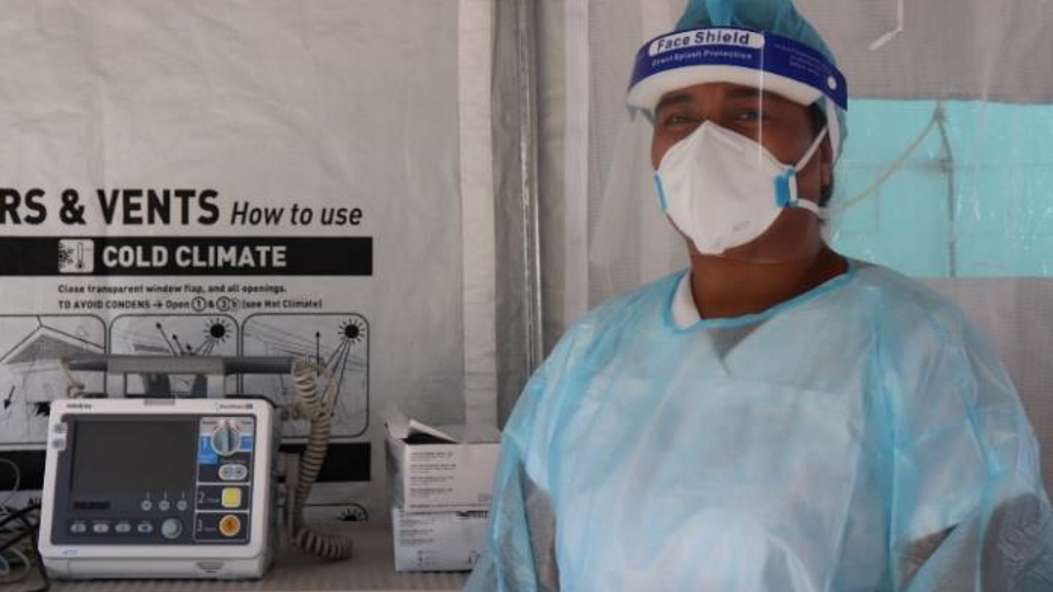
The support of the India-UN Fund ensured that the Government was able to purchase and distribute medical equipment to 34 health facilities across the country. A cold-chain and vaccine logistics gap analysis was conducted in early 2022, resulting in the procurement of essential cold-chain equipment. Additionally, the project secured 10 solar direct drive refrigerators and 30 on-grid electric refrigerator/freezers. UNICEF was able to purchase WASH kits, water purification tablets and water containers to facilitate safe sanitation practices that are critical for infection prevention and control. The project also provided waste management supplies for health-care facilities, including trolleys for medical waste, paper towels and bleach to ensure adequate sanitization.
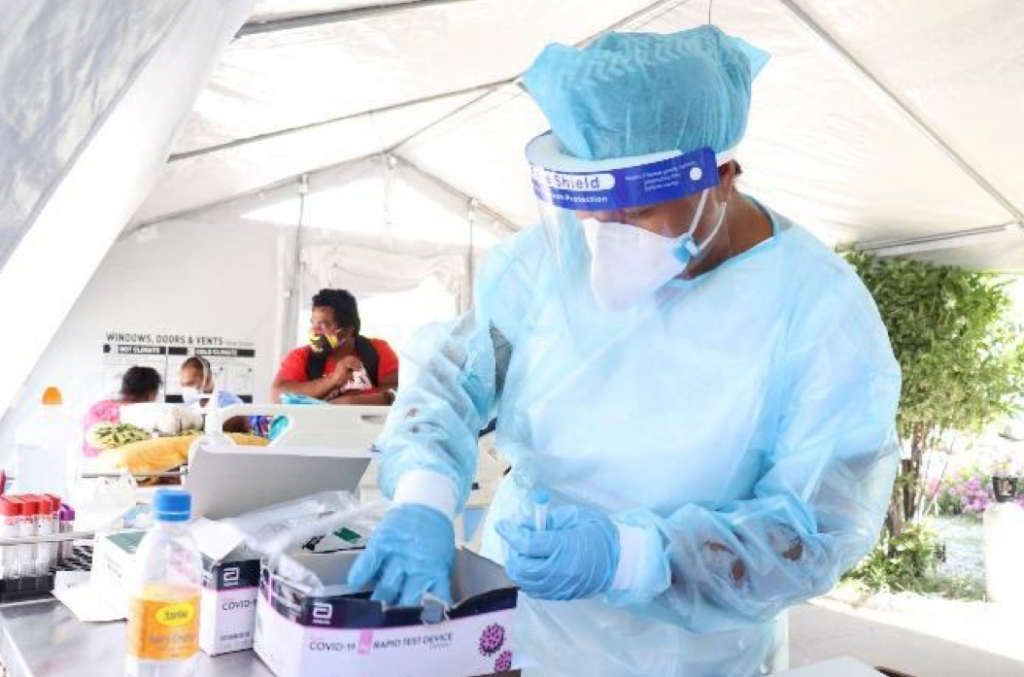
“When we found out that COVID-19 was being transmitted in the community, we were taken by surprise!. But we were fully ready to respond to the outbreak because of the technical support and supplies we’d received.”
? Katerine Tebwaki, a frontline health worker in Kiribati.
More than 10,500 people had been impacted by the time the project was completed in April 2022. That included 330 health-care and frontline workers and 9,000 community members as well 1,500 children under 5 years of age and pregnant women.