• Home
  • /
  • India-UN Fund Story
  • /
  • Increasing healthcare access for rural and indigenous women and children in Paraguay’s remote Chaco region

Increasing healthcare access for rural and indigenous women and children in Paraguay’s remote Chaco region


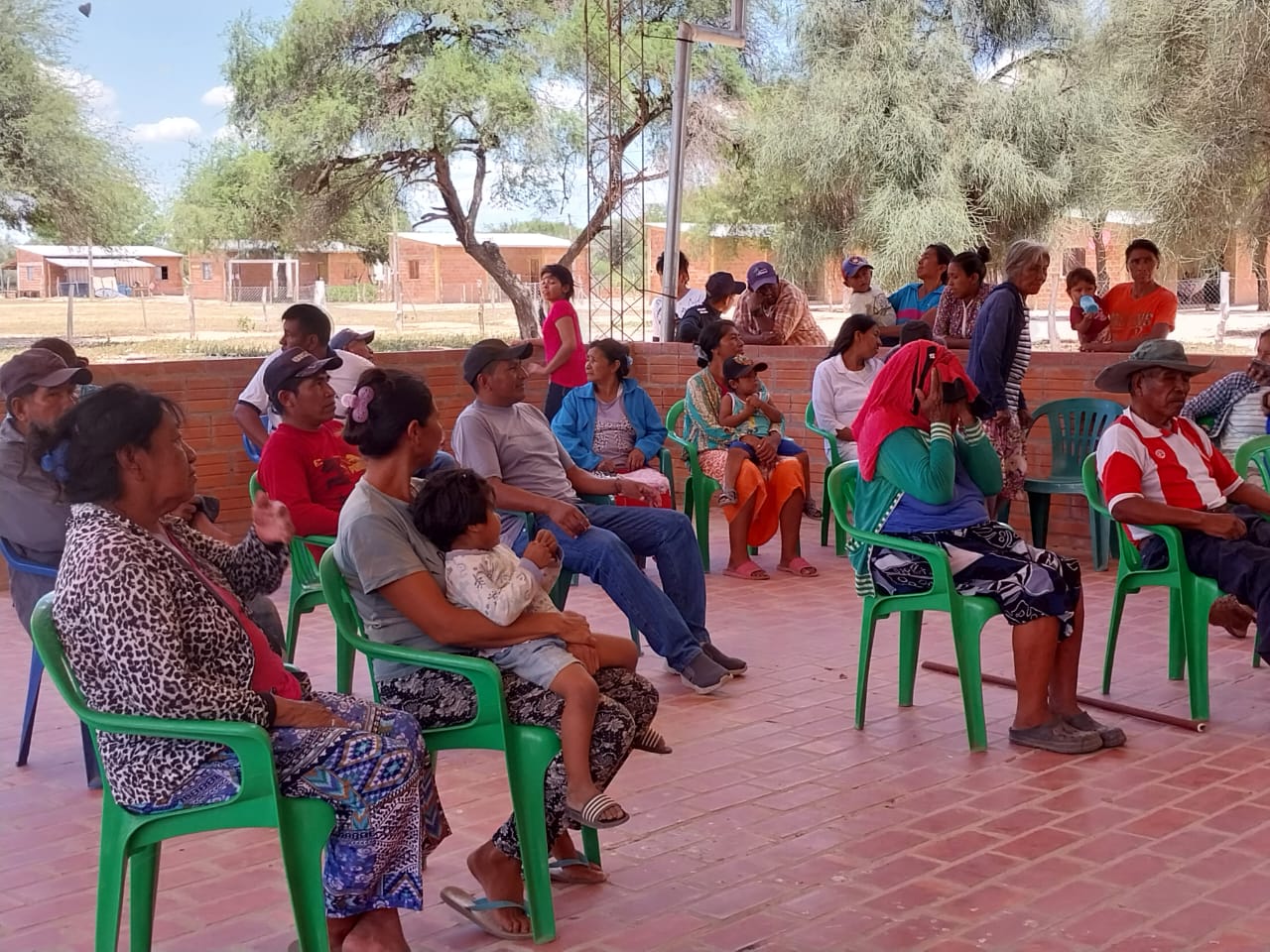
Dialogue with Indigenous communities
Dialogue with indigenous communities ©PAHO


The South American Chaco, a vast 1,280,000 km² territory shared by Argentina, Bolivia and Paraguay, is one of South America’s last agricultural frontiers. A semi-arid region, it has both a low population density and one of the highest rates of deforestation in the world. The 20 percent of the region that lies within Paraguay’s borders faces a variety of challenges. The population is dispersed throughout the territory in small settlements on the riverbanks of rivers. Road access and communications are challenging, especially in times of floods or extreme drought. For decades, the economic model, which is focused on the extraction industry, agricultural expansion and mining development, has had serious negative impacts on its natural assets and indigenous territories and communities, particularly impacting women. These issues further exacerbate the region’s limited access to healthcare services.

In early 2023, Paraguay’s Ministry of Health partnered with Pan American Health Organization/World Health Organization (PAHO/WHO) to launch a comprehensive effort to increase both access and coverage of maternal and child health in the region’s dispersed rural areas, indigenous communities and border areas. Funded by the India-UN Development Partnership Fund, the project contributes directly to the achievement of Sustainable Development Goal (SDG) 3, ensuring good health and well-being, specifically in the areas of maternal, neonatal and child health. The project will run through 2024.

It is an ambitious effort both in reach and scope. The project is designed to reach 64,305 inhabitants including 93 indigenous communities and is focused on four key areas: providing maternal and child healthcare services for those in dispersed rural, indigenous and border areas; reducing maternal and child mortality; enabling safe water systems, basic sanitation and hygiene in healthcare service centres; and coordinating with indigenous communities and cross-border informal health networks that participate actively in healthcare, with intersectoral and intercultural approaches. 

In addition to providing equipment, furniture and basic supplies to the first level of care for healthcare centres and service providers, the project also includes capacity-building activities in remote areas to strengthen the informal health networks that actively participate in enabling access to women’s and children’s healthcare in indigenous and cross-border communities.
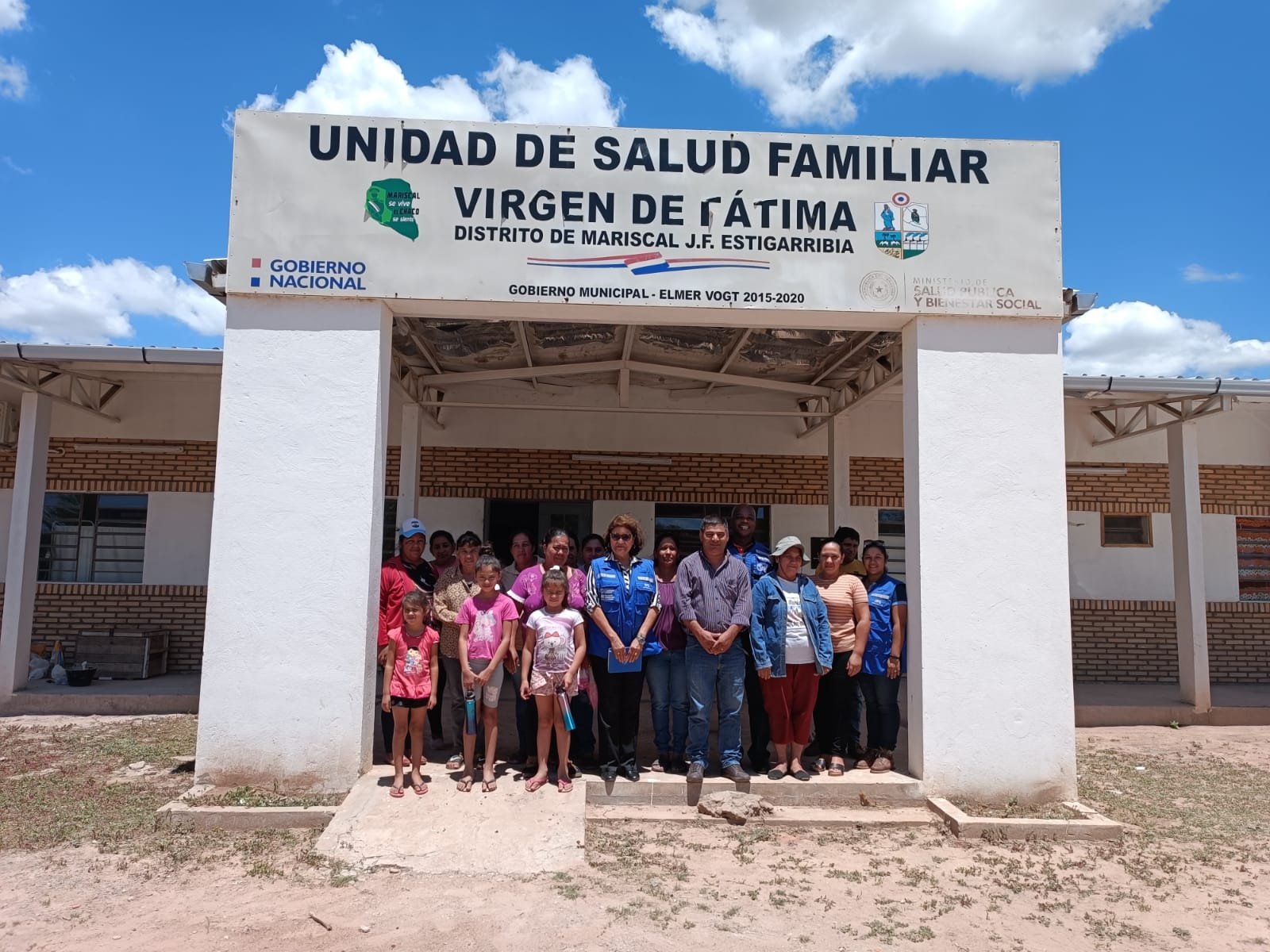
 

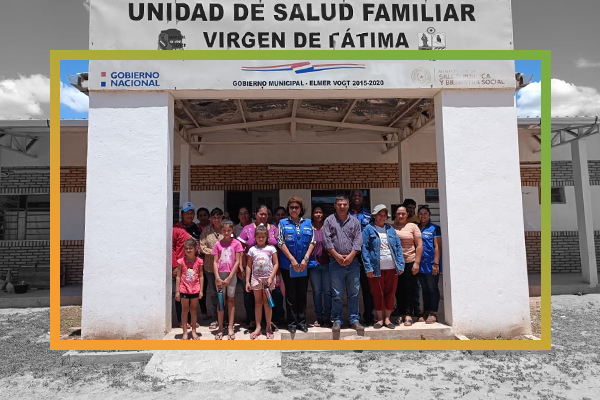
Health Center Virgen de Fatima
Health Centre Virgen de Fatima ©PAHO


South-South cooperation plays an important role in both development and implementation. The project is guided by successful practices from the PAHO-implemented initiative, Hacia la Salud Universal de la población del Chaco Suramericano (Towards Universal Health for the population of the South American Chaco), a South-South initiative involving Argentina, Bolivia, Brazil and Paraguay, which brought to the forefront local practices on adequate and culturally appropriate care for obstetric and paediatric emergency and health services for women and children.

It also incorporates successful PAHO/WHO knowledge methodology that enables intercultural exchanges between groups or individuals and trained health personnel in order to improve access to health services and build culturally aligned health practices. An emphasis is placed on solving previously raised problems to enable access to care, as well as following suitable medical protocols and their causes, and with a strong focus on mutual understanding.

By safeguarding and integrating ancestral indigenous practices such as adapting delivery rooms for horizontal birthing (i.e. sitting, squatting, or standing) as opposed to the Western-oriented vertical birthing, as well as reproductive health practices, these projects are providing alternatives. They also strengthen the capacities of healthcare teams at hospitals and family health units (USF) on code red (with obstetric risk factors) in indigenous communities. Moreover, they improve health services networks for referral/counter-referral and epidemiological surveillance of maternal mortality.

The sharing of information in epidemiological surveillance will enable joint actions to control diseases with epidemic potential such as COVID-19, dengue and other arboviruses. The project will ensure an intercultural approach, strengthening the dialogue between health personnel and indigenous populations on health issues, including access to safe water in health services, among others.
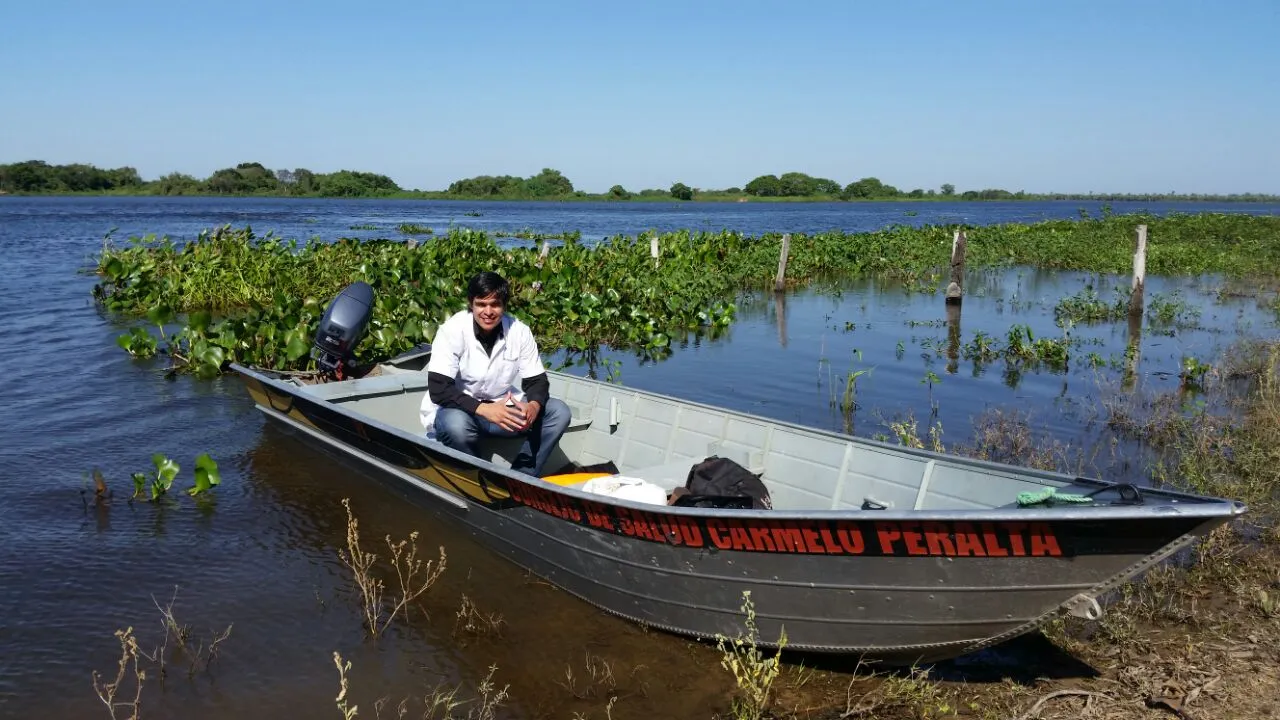
 

A health provider at a remote location in Chaco
A health provider at a remote location in Chaco ©PAHO


For more information, please contact Ms. Ines Tofalo, Trust Fund and Project Management Specialist at UNOSSC: ines.tofalo@unoscc.org

More India-UN Fund Stories


Related Post


  • All Post
  • ATCT Featured Publications POM
  • BAPA+40
  • Blog
  • Capacity Development Initiatives
  • CICETE Featured Publications POM
  • CIKD
  • Cities Clusters - Agriculture
  • Cities Clusters - COVID-19
  • Cities Clusters - COVID-19 Knowledge Products
  • Cities Clusters - DRR
  • Cities Clusters - E-commerce
  • Cities Clusters - Tourism
  • Cities Clusters - Tourism Knowledge Products
  • Cities Clusters - Transport
  • Cities Clusters - Waste
  • Cities Project
  • Cities Project COVID-19 Newsletters
  • Cities Project COVID-19 Response
  • Cities Project Knowledge Products
  • Classic (untouched)
  • Climate Action
  • COMSATS Featured Publications POM
  • COMSATS Featured Solutions POM
  • Converted from Divi
  • Converted from Mixed
  • Converted from WPBakery
  • COVID-19
  • COVID-19 Page Featured Solutions
  • DRR Knowledge Products
  • DRR News
  • Empty Post
  • Events
  • Featured Event UN-Habitat POM
  • Financing for Development
  • Financing Mechanisms
  • g7+
  • Gender Events
  • Gender News
  • Good Practices in SSTrC Series
  • Good Practices Publications
  • Good Practices Thematic Series & Special Editions
  • Good Practices Vol. 2
  • Good Practices Vol. 3
  • GSSDC
  • Highlighted
  • Highlighted Publications
  • IAEA Featured Solutions POM
  • IBRAF Featured Publications POM
  • IBSA Fund
  • IBSA Fund Annual Reports
  • IBSA Fund News and Stories
  • IBSA Fund Publication
  • IBSA Fund Story
  • ICGEB Featured Events POM
  • ICGEB Featured Publications POM
  • ICGEB Featured Solutions POM
  • ILO Featured Events POM
  • ILO Featured Publications POM
  • ILO Featured Solutions POM
  • India-UN Development Partnership Fund
  • India-UN Fund Publication
  • India-UN Fund Story
  • IsDB
  • IsDB Featured Publications POM
  • IsDB SCC
  • News
  • Norec Featured Publications POM
  • Norec Featured Solutions POM
  • Peace and Development
  • PGTF Publications
  • PGTF Story
  • PICA Featured News POM
  • PICA Featured Publications POM
  • PICA Featured Solutions POM
  • PIDF Featured Publications POM
  • Publications
  • Regional Updates
  • Research
  • ROK-UNOSSC Facility
  • SGP Featured Publication POM
  • SGP Featured Solutions POM
  • Solution
  • South South in Action
  • South-South Global Thinkers
  • South-South Ideas
  • South-South Ideas Series
  • South-South in Action Series
  • Southern Response to COVID-19
  • SSN4PSI Featured Publications POM
  • SSN4PSI Featured Solutions POM
  • Training
  • UN Day for SSC 2020
  • UN Fund for SSC
  • UN SSC Day Publications
  • UN-Habitat Featured Publications POM
  • UN-HABITAT Featured Solutions POM
  • UNCCT
  • UNEP Featured Publications POM
  • UNFPA
  • UNFSSC Publication
  • UNFSSC Story
  • UNIDO Featured Publications POM
  • UNIDO Featured Solutions POM
  • UNIDO POM Events
  • UNOCT Featured Publications POM
  • UNV
  • UNV Featured Publications POM
  • WB Featured Publications POM
  • WB Featured Solutions POM
  • Webinars
  • WFP Featured Events POM
  • WFP Featured Publication POM
  • WFP Featured Solutions POM
  • WIPO
  • Workshops and Seminars
  • Youth4South
  • z Across the Globe 1
  • z Across the Globe 2
  • z Across the Globe 4
  • z Across the Globe 5
  • z Across the Globe 6
  • z Across the Globe 7
  • z Across the Globe 8
  • z ES BAPA+40
  • z ES Eventos
  • z ES Noticias
  • z ES Noticias Destacadas
  • z ES Publicaciones
  • z ES Publicaciones Destacadas
  • z ES Serie Buenas Prácticas en la CSSyT
  • z ES Serie El Sur-Sur en Acción
  • z FR Actualités
  • z FR BAPA+40
  • z FR Événements
  • z FR Publications
  • z FR Publications en vedette
  • z FR Série Bonnes pratiques en CSST
  • z FR Série Sud-Sud en action
  • z Highlighted News
  • z Photos
  • z Videos
  • z ZH BAPA+40
  • z ZH Events
  • z ZH News

ABOUT

Terms of Service

Privacy Policy

Disclosures

RESOURCES

Terms of Service

Privacy Policy

Disclosures

ENGAGE

Terms of Service

Privacy Policy

Disclosures

Copyright © UNOSSC/UNDP

wpChatIcon
wpChatIcon

Alliance Application Form

Submit an Expression of Interest and/or Demand Signal. UNOSSC reviews submissions on a rolling basis.

1. Official name of organization / institution / government entity (exclusions to apply) *
2. Country *
3. Region *
4. SDG *
Secondary SDG *
5. Partner category *
6. Website *
7. Brief description of your institution (max. 150 words) *
Name for the Lead *
Title for the Lead *
Email address for the Lead *
Name for the co-lead
Title for the co-lead
Email address for the co-lead
Section 3. Expression of Interest in the Alliance *
Additional information on proposed areas of engagement may be requested through the platform following initial review by the Alliance Secretariat.
Section 4. Due Diligence and Integrity Declaration *

Submission Note:

  • Submission of this Expression of Interest form does not automatically confer participation in the Alliance.
  • All submissions will be reviewed by the Alliance Secretariat, including basic eligibility screening and proportionate due diligence, as appropriate.
  • Participation in Alliance activities is determined based on relevance to articulated cooperation needs, alignment with Alliance principles, and integrity considerations.
  • Engagement under the Alliance is voluntary, non-binding, and facilitative in nature, and does not constitute funding approval, contractual commitment, or institutional membership.
  • The Alliance Secretariat may contact submitting entities for additional information or clarification during the review process.

Submission of Demand Form

Description of Demand

Indicate the type of support or cooperation requested through the Alliance.
Please briefly describe the challenge, gap, or priority. (Max. 300 words)

Thematic and Geographic Focus

Please indicate the main focus areas of your demand:

A. Thematic Areas (select up to three)
B. Geographic Focus (select all that apply)

Proposed Engagement Modalities

Please indicate how you would like to engage through the Alliance (select all that apply):

Expected Outcomes

Please indicate the main results you seek to achieve through this engagement. (Max. 200 words)
Examples:
• Capacity strengthened
• Partnerships established
• Sectoral or regional strategies co-developed
• Solutions piloted
• Knowledge generated
• Policies informed

Timeline and Readiness (if applicable)

1. Expected timeframe for engagement:
2. Current stage:

Additional Information

Please provide any additional information, documents, or links relevant to this submission.
(Max. 200 words or upload link)

Submission of Offer Form

Description of Contribution

Indicate the type of contribution your institution can provide and describe the expertise, resources, or solutions you may offer.
Please briefly describe your proposed contribution. (Max. 300 words)

Thematic and Geographic Focus

Please indicate the main focus areas of your interest:

A. Thematic Areas (select up to three)
B. Geographic Focus (select all that apply)

Proposed Engagement Modalities

Please indicate how you would like to engage through the Alliance (select all that apply):

Expected Outcomes

Please indicate the main results you aim to achieve through this engagement. (Max. 200 words)
Examples:
• Capacity strengthened
• Partnerships established
• Sectoral or regional strategies co-developed
• Solutions piloted
• Knowledge generated
• Policies informed

Timeline and Readiness (if applicable)

1. Expected timeframe for engagement:
2. Current stage:

Additional Information

Please provide any additional information, documents, or links relevant to this submission.
(Max. 200 words or upload link)

Organization Registration

Authentication & Due Diligence This prototype simulates identity verification, due diligence confirmation, and an authentication step before submission. *

First Name *
Last Name *
Email address *
Password *
Confirm Password *
Name of institution / organization *
Country / Region *
Organization Type *
Organization other *
Function / role *
Organization logo *
Maximum file size: 1 GB

Login

Login / email *
Password *
Remember me

Forgot password?

Connect form

Your name *
Email *
Organization / institution *
Job title / role *
Reason for connecting:
Short message

Scroll to Top