UNOSSC is engaged in the preparatory process for the 4th International Conference on Financing for Development, which will take place in Seville, Spain 30 June to 3 July, 2025.
The current international financial architecture falls short in mobilizing the long-term financing necessary to address multiple challenges, including governance deficits, a widening development finance gap, and an escalating debt crisis in developing countries, all requiring urgent and coordinated action. The conference will provide a platform for countries to discuss innovative financing mechanisms essential for achieving sustainable equitable development. South-South cooperation, involving resource and knowledge-sharing among developing countries, is recognized as a critical element in bridging the financing gaps.
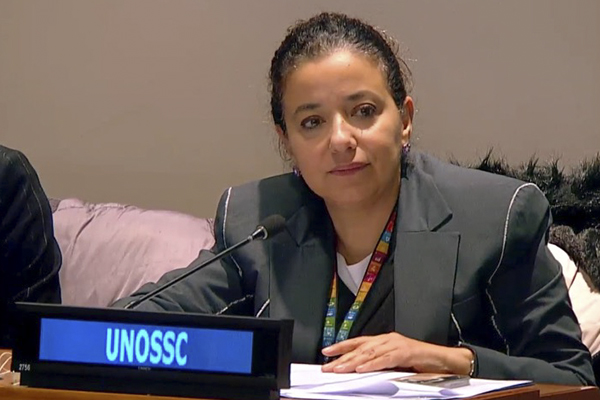
“The Fourth Conference on Financing for Development provides a unique opportunity to integrate South-South and triangular cooperation as one of the key mechanisms for the implementation of the outcomes of the conference in partnership with all stakeholders for the advancement of a more inclusive and sustainable financial system that works for all,” said UNOSSC Director Dima Al-Khatib.
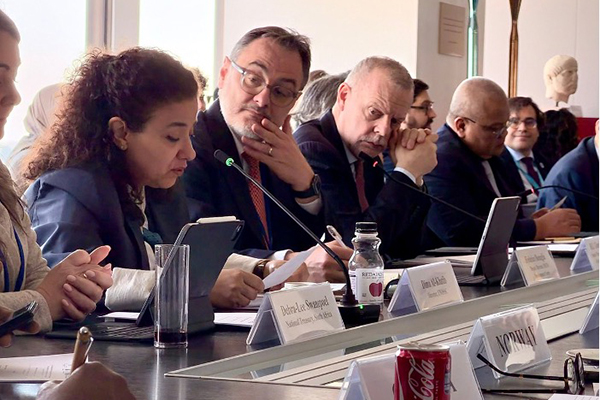
“South-South and triangular cooperation share successful sovereign financing and debt management strategies, promoting long-term fiscal sustainability,” said Director Dima Al-Khatib, during the second session of the Preparatory Committee for the Fourth International Conference on Financing for Development in New York. “While radical measures are needed, innovative solutions for debt relief and development finance tested in the Global South deserve special consideration and popularization.”
For example, South-South cooperation has been a transformative force in Ethiopia’s journey toward structural transformation – driving industrial growth, job creation, and export diversification. Strategic investments in Ethiopia’s industrial parks by countries like China, India, Saudi Arabia, and Türkiye – totaling billions of dollars – have revitalized key sectors such as textiles, advanced manufacturing, and agro-industry. China’s investments have created over 100,000 jobs, catalyzing industrial diversification. India’s $5 billion investment brings technology transfer, workforce capacity building, and expertise in textiles and pharmaceuticals. Türkiye’s $2.5 billion investments have improved Ethiopia’s productivity in textiles, while Saudi Arabia’s contributions propel agricultural modernization, which has created over 20,000 jobs. These efforts illustrate South-South cooperations’ unparalleled impact in reshaping Ethiopia’s economic future. They also show a pathway for financing sustainable development through South-South partnerships across developing countries which the Fourth International Conference on Financing for Development may galvanize.
The Fourth International Conference on Financing for Development Elements Paper, released by the conference co-facilitators (Mexico, Nepal, Norway and Zambia), includes a section emphasizing the importance of South-South and triangular cooperation. The elements paper presents a broad set of proposals that reflect the high level of ambition for impactful solutions contained in the almost 300 submissions that were received. It responds to Member States position, stressing the complementarity of South-South financing, and on the ambition of the conference to marshal resources for development at a scale that corresponds to needs. Among the proposals are the following:
- Increase the quantity and quality of South-South cooperation and encourage multi-actor partnerships for funding.
- Building on the existing UN Conceptual Framework to measure South-South Cooperation, and the results of the pilot project, encourage broader reporting by South-South providers to facilitate a better understanding of the impact of South-South cooperation on sustainable development.
- Consider establishing a triangular cooperation marker in reporting.