• Home
  • /
  • News
  • /
  • UN Fund for South-South Cooperation Drives Innovation and Resilience Across the Mekong Region

UN Fund for South-South Cooperation Drives Innovation and Resilience Across the Mekong Region


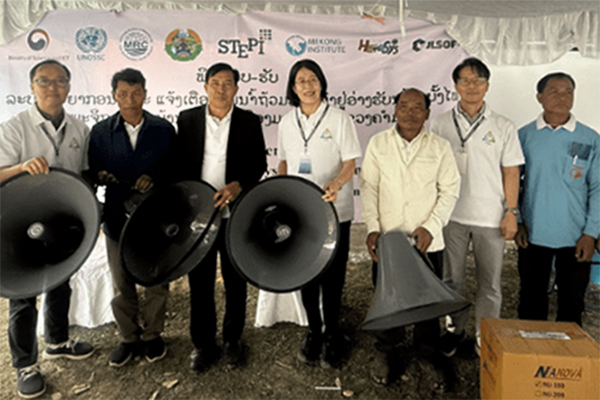
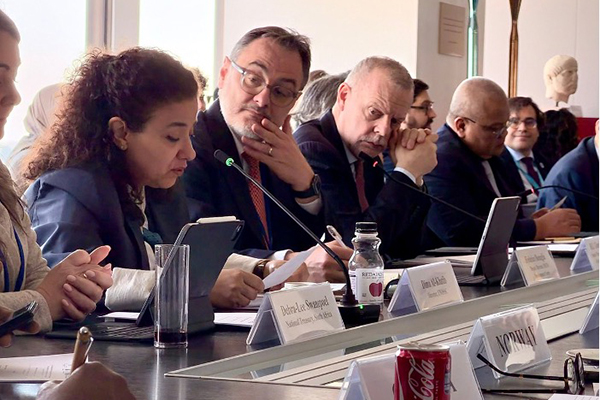
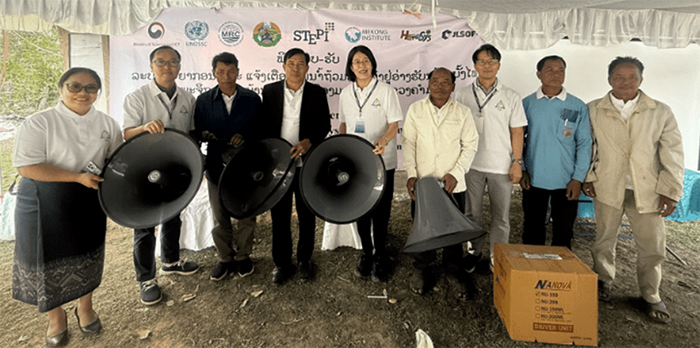
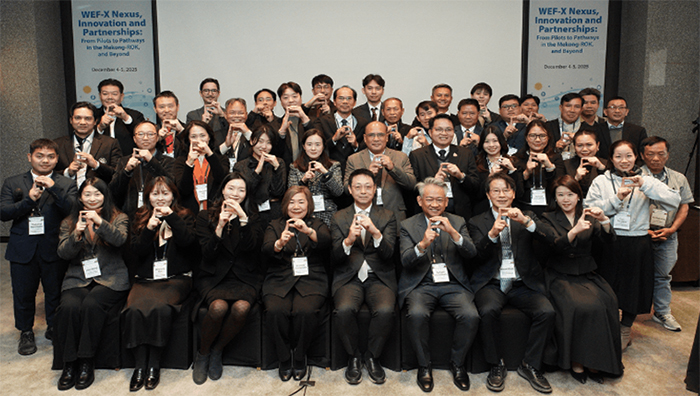
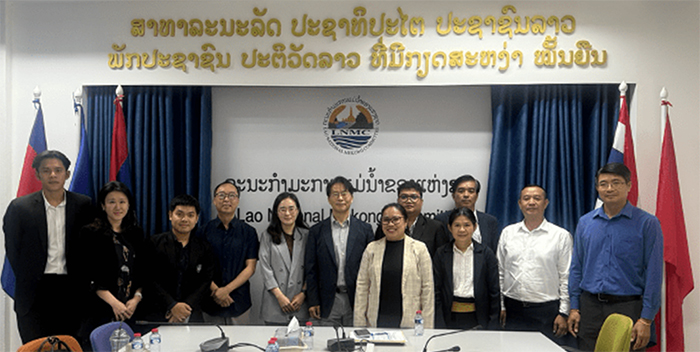
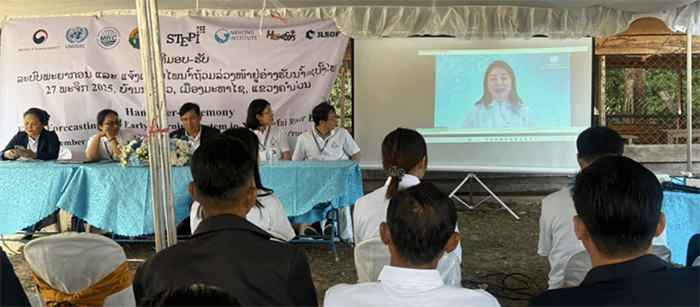
  From regional policy forums to village-level innovations, the United Nations Fund for South-South Cooperation (UNFSSC) is helping countries in the Mekong region transform water, energy, and food governance through science, technology, and partnership. Over the past month, a series of P-LINK events – supported by the Government of the Republic of Korea – have highlighted the power of triangular cooperation to link national planning, local innovation, and regional collaboration.   Regional Forum Charts Pathways for Water-Energy-Food Nexus Solutions     On 4-5 December 2025, the Final Regional Stakeholder Forum of the ROK-UNOSSC Facility (Phase 3)/P-LINK in Seoul, convened government officials, regional institutions, academia, private-sector innovators, and development partners. Under the theme “WEF-X Nexus, Innovation and Partnerships: From Pilots to Pathways in the Mekong–ROK, and Beyond,” the two-day forum celebrated five years of collaborative innovation and explored pathways to scale Water-Energy-Food Nexus solutions across the Mekong region. In opening remarks, Mr. Sunghoon Hwang, Director-General of Korea’s Ministry of Science and ICT (MSIT), emphasized the impact of science and technology on communities, citing pilots that expanded access to clean water and deployed smarter early-warning systems. Dr. Ji Woong Yoon, President of the Science and Technology Policy Institute (STEPI), highlighted that innovation only achieves lasting impact when paired with robust policy pathways; while Mekong Institute Executive Director Suriyan Vichitlekarn underscored capacity development as a driver of long-term Water-Energy-Food Nexus leadership. Keynote speaker Mr. Lorenzo Santucci of UN-ESCAP emphasized the Water-Energy-Food Nexus as a policy lens to transform trade-offs into synergies, while UNOSSC Director Dima Al-Khatib noted that peer-to-peer learning and joint problem-solving are central to P-LINK’s success. Across discussions, participants stressed youth engagement, academic collaboration, and community ownership as essential to scaling and sustaining Nexus solutions.   Lao PDR Advances Water Governance Reform     In parallel with the regional discussions, Lao PDR convened a high-level national dialogue on 25 November 2025 to review the proposed Improvement Plan for its National Water Resources Data Management Center (NWRDMC). Chaired by Mrs. Soudavee Keopaseuth, Deputy Secretary-General of the Lao National Mekong Committee, the meeting underscored the country’s commitment to modernizing water-information systems, strengthening flood and drought forecasting, and embedding climate-resilient planning through science and technology. Korean technical expert Eugene (Yoojin) Kim presented the NWRDMC Improvement Plan, focusing on integrating hydrological, meteorological, and hydropower data, introducing AI-enabled forecasting tools, and strengthening cross-agency coordination. Participants recognized the P-LINK Lao pilot as a model linking national policy with local resilience, demonstrating how innovation, policy, and community ownership can reinforce one another.   AI-Enabled Early Warning Strengthens Community Resilience in Nakio Village     On 27 November 2025, Nakio Village in Mahaxay District became the first community in Lao PDR to benefit from P-LINK’s AI-based Flood Forecasting and Warning System (FFWS). The system, featuring solar-powered hydrological stations, automated siren towers, and multi-channel alerts via SMS and other tools, equips residents with early warnings to safeguard lives, livestock, and crops. The handover ceremony brought together district authorities, national water agencies, youth volunteers, and partners including the Mekong Institute, STEPI, and UNOSSC. Mr. Sengchanh Samontri, Chief of Mahaxay District Administration, praised the system as a lifeline for his community, while Ms. Soudavee Keopaseuth highlighted its role in linking national water-data reforms with local action. Villagers and youth volunteers completed hands-on training to operate the system and respond effectively to alerts, ensuring strong local ownership. Ms. Xiaojun Grace Wang, UNOSSC Trust Fund Director, noted that the project exemplifies South-South and triangular cooperation in practice – transforming knowledge into capacity and pilots into pathways for resilience. The Nakio pilot is expected to serve as a blueprint for replication across the Mekong region, reinforcing P-LINK’s mission to advance people-centred, climate-resilient development through integrated Water-Energy-Food Nexus solutions.     Looking Ahead The ROK-UNOSSC Facility illustrates the value of combining regional knowledge exchange, national-level policy reform, and community-focused innovation. With continued engagement from Korea, regional partners, and local stakeholders, P-LINK is poised to expand its impact through digital innovation, evidence-based solutions, and strengthened regional cooperation – ensuring a water-secure, resilient future for the Mekong and beyond.  

Related Post


  • All Post
  • Agriculture and Food Security Publications
  • ATCT Featured Publications POM
  • BAPA+40
  • Blog
  • Capacity Development Initiatives
  • CASS Featured Publications POM
  • CICETE Featured Publications POM
  • CIKD
  • Cities Clusters - Agriculture
  • Cities Clusters - COVID-19
  • Cities Clusters - COVID-19 Knowledge Products
  • Cities Clusters - DRR
  • Cities Clusters - DRR Knowledge Products
  • Cities Clusters - E-commerce
  • Cities Clusters - E-commerce Knowledge Products
  • Cities Clusters - Tourism
  • Cities Clusters - Tourism Knowledge Products
  • Cities Clusters - Transport
  • Cities Clusters - Waste
  • Cities Project
  • Cities Project COVID-19 Newsletters
  • Cities Project COVID-19 Response
  • Cities Project Knowledge Products
  • Classic (untouched)
  • Climate Action
  • Climate Publications
  • COMSATS Featured Publications POM
  • COMSATS Featured Solutions POM
  • Converted from Divi
  • Converted from Mixed
  • Converted from WPBakery
  • COVID-19
  • COVID-19 Page Featured Solutions
  • DRR Knowledge Products
  • DRR News
  • Empty Post
  • ESCWA Featured Publications POM
  • Events
  • FAO Featured Publications POM
  • Featured Event UN-Habitat POM
  • Featured Partner Publications Panama
  • Financing for Development
  • Financing Mechanisms
  • g7+
  • Gender Events
  • Gender News
  • Gender Publications
  • Good Practices in SSTrC Series
  • Good Practices Publications
  • Good Practices Thematic Series & Special Editions
  • Good Practices Vol. 2
  • Good Practices Vol. 3
  • GSSDC
  • Handbook
  • Highlighted
  • Highlighted Publications
  • IAEA Featured Solutions POM
  • IBRAF Featured Publications POM
  • IBSA Fund
  • IBSA Fund Annual Reports
  • IBSA Fund News and Stories
  • IBSA Fund Publication
  • IBSA Fund Story
  • ICGEB Featured Events POM
  • ICGEB Featured Publications POM
  • ICGEB Featured Solutions POM
  • IFAD Featured Publications POM
  • ILO Featured Events POM
  • ILO Featured Publications POM
  • ILO Featured Solutions POM
  • India-UN Development Partnership Fund
  • India-UN Fund Publication
  • India-UN Fund Story
  • IsDB
  • IsDB Featured Publications POM
  • IsDB SCC
  • News
  • Norec Featured Publications POM
  • Norec Featured Solutions POM
  • PAHO Featured Publications POM
  • Peace and Development
  • PGTF Publications
  • PGTF Story
  • PICA Featured News POM
  • PICA Featured Publications POM
  • PICA Featured Solutions POM
  • PIDF Featured Publications POM
  • Policy Brief
  • PPD Featured Publications POM
  • Publications
  • Regional Updates
  • Report
  • Research
  • ROK-UNOSSC Facility
  • SCP Featured Publications POM
  • SGP Featured Publication POM
  • SGP Featured Solutions POM
  • Solution
  • South South in Action
  • South-South Global Thinkers
  • South-South Ideas
  • South-South Ideas Series
  • South-South in Action Series
  • Southern Response to COVID-19
  • SSN4PSI Featured Publications POM
  • SSN4PSI Featured Solutions POM
  • Survey
  • TIKA Featured Publications pom
  • Training
  • UN Day for SSC 2020
  • UN Fund for SSC
  • UN SSC Day Publications
  • UN-Habitat Featured Publications POM
  • UN-HABITAT Featured Solutions POM
  • UNCCT
  • UNCDF Featured Publications POM
  • UNEP Featured Publications POM
  • UNESCAP Featured Publications POM
  • UNESCO Featured Publications POM
  • UNFPA
  • UNFSSC Publication
  • UNFSSC Story
  • UNIDO Featured Publications POM
  • UNIDO Featured Solutions POM
  • UNIDO POM Events
  • UNOCT Featured Publications POM
  • UNOHRLLS Featured Publications POM
  • UNV
  • UNV Featured Publications POM
  • WB Featured Publications POM
  • WB Featured Solutions POM
  • Webinars
  • WFP Featured Events POM
  • WFP Featured Publication POM
  • WFP Featured Solutions POM
  • WIPO
  • Workshops and Seminars
  • Youth4South
  • z Across the Globe 1
  • z Across the Globe 2
  • z Across the Globe 4
  • z Across the Globe 5
  • z Across the Globe 6
  • z Across the Globe 7
  • z Across the Globe 8
  • z ES BAPA+40
  • z ES Eventos
  • z ES Noticias
  • z ES Noticias Destacadas
  • z ES Publicaciones
  • z ES Publicaciones Destacadas
  • z ES Serie Buenas Prácticas en la CSSyT
  • z ES Serie El Sur-Sur en Acción
  • z FR Actualités
  • z FR BAPA+40
  • z FR Événements
  • z FR Publications
  • z FR Publications en vedette
  • z FR Série Bonnes pratiques en CSST
  • z FR Série Sud-Sud en action
  • z Highlighted News
  • z Photos
  • z Videos
  • z ZH BAPA+40
  • z ZH Events
  • z ZH News

Connect with UNOSSC

Stay updated with the latest trends in South-South cooperation and access our vast repository of knowledge.

Copyright © UNOSSC/UNDP

Register

Registration Form (INDIVIDUAL EXPERT)

Use this form to register as an individual expert and become discoverable for knowledge exchange, advisory services, technical support, mentorship, and South-South and triangular cooperation initiatives.

SECTION A. PERSONAL INFORMATION

First name *
Last Name *
Image
Maximum file size: 1 GB
Country of Residence: *
Current Organization/Institution (if applicable):
Position/Title:
Email *
LinkedIn/Professional Profile (optional):
Short professional biography *
CV
Maximum file size: 1 GB

SECTION B. EXPERTISE PROFILE

SDGs
Specific Expertise / Keywords (max. 10 keywords, separate with , ):
Experience in Regions
Experience in Countries

SECTION C. TYPE OF SUPPORT YOU CAN PROVIDE

I am available to provide: (Select all that apply)

SECTION D. PRO-BONO EXPERT SUPPORT

Would you be willing to provide pro bono support to governments, development organizations, UN entities, academia, civil society organizations, or other stakeholders through the platform?

SECTION E. MODALITIES & AVAILABILITY

Mode of support:
Estimated availability:
Indicative level of effort (optional):
SECTION F. SHORT DESCRIPTION OF SUPPORT OFFER (Max. 500 characters)

SECTION G. CONSENT & CONDITIONS

I would like my profile to be: *
Consent: *

1. Official name of organization / institution / government entity (exclusions to apply) *
Organizational Logo *
Maximum file size: 2 MB
2. Country *
3. Region *
4. SDGs *
5. Partner category *
6. Website *
7. Which is your Parent organization?
8. Indicate which unit/project/department you work in at your organization. *
9.Industry / sector of your organization *
10. Brief description of your institution (max. 150 words) *
11. Name for the Lead *
12. Title for the Lead *
13. Email address for the Lead *
14. Name for the co-lead
15. Title for the co-lead
16. Email address for the co-lead
17. Due Diligence and Integrity Declaration *

Registration Form (INDIVIDUAL EXPERT)

Use this form to register as an individual expert and become discoverable for knowledge exchange, advisory services, technical support, mentorship, and South-South and triangular cooperation initiatives.

SECTION A. PERSONAL INFORMATION

First name *
Last Name *
Image
Maximum file size: 1 GB
Nationality:
Country of Residence: *
Current Organization/Institution (if applicable):
Position/Title:
Email *
LinkedIn/Professional Profile (optional):
Short professional biography *
CV
Maximum file size: 1 GB

SECTION B. EXPERTISE PROFILE

SDGs
Specific Expertise / Keywords (max. 10 keywords, separate with , ):
Experience in Regions
Experience in Countries

SECTION C. TYPE OF SUPPORT YOU CAN PROVIDE

I am available to provide: (Select all that apply)

SECTION E. MODALITIES & AVAILABILITY

Mode of support:
Estimated availability:
Indicative level of effort (optional):
SECTION F. SHORT DESCRIPTION OF SUPPORT OFFER (Max. 500 characters)

SECTION G. CONSENT & CONDITIONS

I would like my profile to be: *
Consent: *

1. Official name of organization / institution / government entity (exclusions to apply) *
Organization logo
Maximum file size: 20 MB
2. Country *
3. Region *
4. SDG *
5. Partner category *
6. Website *
7. Brief description of your institution (max. 150 words) *
8. Name for the Lead *
9. Title for the Lead *
10. Email address for the Lead *
11. Name for the co-lead
12. Title for the co-lead
13. Email address for the co-lead
14. Expression of Interest in the Alliance *
Additional information on proposed areas of engagement may be requested through the platform following initial review by the Alliance Secretariat.
15. Due Diligence and Integrity Declaration *

Submission Note:

  • Submission of this Expression of Interest form does not automatically confer participation in the Alliance.
  • All submissions will be reviewed by the Alliance Secretariat, including basic eligibility screening and proportionate due diligence, as appropriate.
  • Participation in Alliance activities is determined based on relevance to articulated cooperation needs, alignment with Alliance principles, and integrity considerations.
  • Engagement under the Alliance is voluntary, non-binding, and facilitative in nature, and does not constitute funding approval, contractual commitment, or institutional membership.
  • The Alliance Secretariat may contact submitting entities for additional information or clarification during the review process.

Submission of Demand Form

Description of Demand

Indicate the type of support or cooperation requested through the Alliance.
Please briefly describe the challenge, gap, or priority. (Max. 300 words)

Thematic and Geographic Focus

Please indicate the main focus areas of your demand:

A. Thematic Areas (select up to three)
B. Geographic Focus (select all that apply)

Proposed Engagement Modalities

Please indicate how you would like to engage through the Alliance (select all that apply):

Expected Outcomes

Please indicate the main results you seek to achieve through this engagement. (Max. 200 words)
Examples:
• Capacity strengthened
• Partnerships established
• Sectoral or regional strategies co-developed
• Solutions piloted
• Knowledge generated
• Policies informed

Timeline and Readiness (if applicable)

1. Expected timeframe for engagement:
2. Current stage:

Additional Information

Please provide any additional information, documents, or links relevant to this submission.
(Max. 200 words or upload link)

Submission of Offer Form

Description of Contribution

Indicate the type of contribution your institution can provide and describe the expertise, resources, or solutions you may offer.
Please briefly describe your proposed contribution. (Max. 300 words)

Thematic and Geographic Focus

Please indicate the main focus areas of your interest:

A. Thematic Areas (select up to three)
B. Geographic Focus (select all that apply)

Proposed Engagement Modalities

Please indicate how you would like to engage through the Alliance (select all that apply):

Expected Outcomes

Please indicate the main results you aim to achieve through this engagement. (Max. 200 words)
Examples:
• Capacity strengthened
• Partnerships established
• Sectoral or regional strategies co-developed
• Solutions piloted
• Knowledge generated
• Policies informed

Timeline and Readiness (if applicable)

1. Expected timeframe for engagement:
2. Current stage:

Additional Information

Please provide any additional information, documents, or links relevant to this submission.
(Max. 200 words or upload link)

Organization Registration

Authentication & Due Diligence This prototype simulates identity verification, due diligence confirmation, and an authentication step before submission. *

First Name *
Last Name *
Email address *
Password *
Confirm Password *
Name of institution / organization *
Country / Region *
Organization Type *
Organization other *
Function / role *
Organization logo *
Maximum file size: 1 GB

Login

Login / email *
Password *
Remember me

Forgot password?

Connect form

Your name *
Email *
Organization / institution *
Job title / role *
Reason for connecting:
Short message

Add Knowledge Product

A. Publication Basics (Mandatory)

Exact Title of the Publication *
Featured image *
Maximum file size: 2 MB
Executive Summary *
Publication Available Online *
Direct Link to Publication

B. Publication Details

Subtitle
Publication Type *
Year of Publication *
Authors / Editors
Key Messages

C. Organizations

Partner Organizations

D. Discoverability (Optional)

Keywords *
SDGs *
Geographic Coverage *
Countries *

Add Good Practice

My form is: *

SECTION 1. BASIC INFORMATION

Title of the Good Practice *
A South-South cooperation good practice is a documented experience, approach, methodology or initiative that has produced positive results, generated useful lessons, and demonstrated relevance for other countries or institutions facing similar development challenges. A good practice should be credible, evidence-based, contextually explained, and useful for learning, policy dialogue, adaptation or scaling.
Name of the Solution(s) *
A South-South cooperation solution is a concrete, tested or implementable policy, programme, technology, institutional model, service, financing mechanism, methodology or partnership approach developed or applied by countries and institutions of the Global South, which responds to a clearly identified development challenge and has potential to be adapted, replicated or scaled in other contexts through South-South or triangular cooperation.
Short Summary *
max. 60 words
Lead Implementing Institution *
Partner Institutions *
Countries / Territories Involved *
Regions Involved *
Type of Cooperation *

SECTION 2. DEVELOPMENT CONTEXT & SDG ALIGNMENT

Primary SDG(s) Addressed *
SDG Target(s) *
Secondary SDGs (if applicable)
Development Challenge Addressed *
100–150 words

SECTION 3. DESCRIPTION OF THE GOOD PRACTICE & SOLUTION

Objectives of the Good Practice / Solution *
max. 100 words
Description of the Solution(s) *
max. 300 words
Innovation Dimension *
max. 150 words

SECTION 4. SOUTH-SOUTH & TRIANGULAR COOPERATION VALUE

South-South Knowledge Exchange *
max. 200 words
Role of Triangular Partners (if applicable)

SECTION 5. PARTICIPATION & GOVERNANCE

Were participatory approaches used in the design and implementation of the solution? If yes, describe the stakeholders involved (e.g., beneficiaries, communities, civil society, private sector, government agencies) *
max. 150 words
What governance and institutional arrangements supported the implementation of this solution? Please describe the roles and responsibilities of key institutions and any collaboration with government entities, development partners, civil society, academia, or the private sector *

SECTION 6. PRODUCED IMPACT (Partner-Validated)

Description of Produced Impact *
max. 250 words
Quantitative Results *
Please provide measurable results achieved through the solution.
Quantitative Results
Please provide measurable results achieved through the solution.
Qualitative Results *
Please describe the most significant qualitative changes resulting from the solution.
Qualitative Results
Please describe the most significant qualitative changes resulting from the solution.

Timeframe of Impact

Timeframe of Impact of the solution: *

SECTION 7. SUSTAINABILITY & SCALABILITY

7.1 What measures have been taken to ensure the sustainability of the good practice beyond the project or intervention period? *
Please describe institutional, financial, policy, technical, community ownership, or capacity-building measures that support long-term sustainability. (max. 150 words)
7.2 Is the solution replicable and adaptable in other contexts? *
Please explain whether the solution can be adapted or replicated in different countries, regions, sectors, communities, or development settings. Highlight any enabling conditions or prerequisites. (max. 150 words)

SECTION 8. RISKS & LESSONS LEARNED

Key Risks and Mitigation Measures
max. 100 words
Lessons Learned *
max. 150 words

SECTION 9. RESOURCES & EVIDENCE

Supporting Materials *
Maximum file size: 1 GB
manuals, toolkits, evaluations, media
URL of the Good Practice / Solution *
Please provide URLs to publicly available resources that demonstrate, validate, or document the good practice. Examples include: Project or programme website/microsite, published evaluation report, case study, knowledge product, policy document, news article or media coverage, technical report, blog or publication etc.
URL of the Solution *
Please provide URLs to publicly available resources that demonstrate, validate, or document the solution. Examples include: Project or programme website/microsite, published evaluation report, case study, knowledge product, policy document, news article or media coverage, technical report, blog or publication etc.
Additional URLs (optional)

SECTION 10. CONTACT INFORMATION & VALIDATION

Focal Point – Partner Institution (Impact Validation)

Name *
Title *
Organization *
Email *
Declaration *

Scroll to Top