Gabon’s 885 kilometres of coastline and its corresponding regions are essential to the country’s economy as they host the majority of its development sectors: agriculture, industry, fisheries and tourism, yet they are increasingly vulnerable to climate change owing to their exposure to natural hazards such as coastal erosion, landslides and floods.
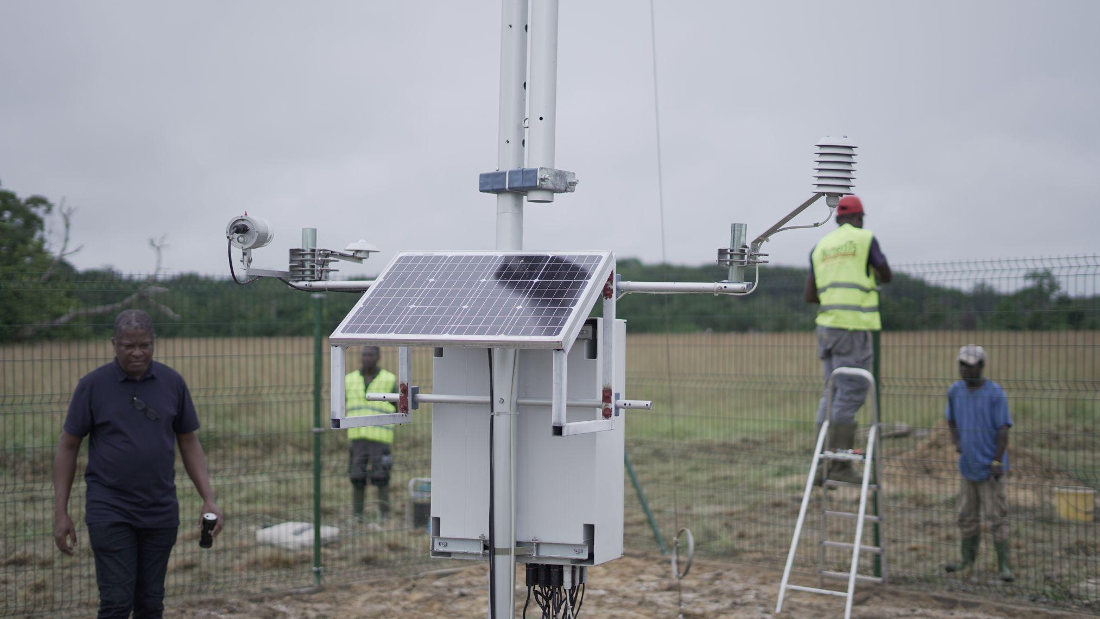
To counter the effects of climate change, UNDP, in partnership with the National Climate Council and the Directorate of Meteorology and with support from the India-UN Fund, installed six meteorological stations along the coast in the following regions: Mayumba, Gamba, Kango, Cocobeach, Ntchongorove and Nyonie. These stations will provide proper climate information to forecast and communicate immediate and long-term risks to the local population.
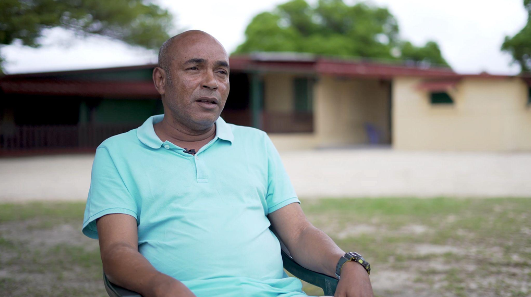
“I am very happy (about the stations) because we have not had a weather forecast for a long time. Now when we go to the water, we will know if it will be rainy or cloudy and make the decision to go fishing or not,”
? Mr. Obiang, a local fisherman in Cocobeach
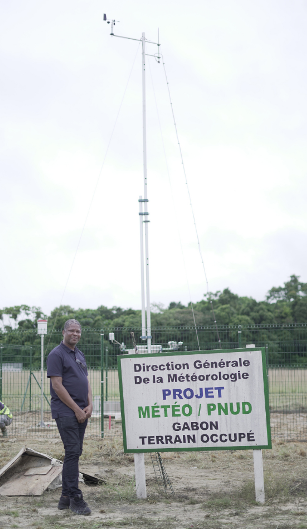
These automatic stations will help in collecting the data used by the Directorate of Meteorology to send out regular weather forecasts by SMS to more citizens.
Prior to this project, Gabon’s meteorological network had 14 synoptic weather stations inherited from the colonial era, 9 of which were considered obsolete or ineffective because of poor calibration that no longer provided the required information. These six new stations will measure the parameters of temperature, rainfall, wind strength and air pressure and automatically transfer data to a control centre monitored by the Directorate of Meteorology.
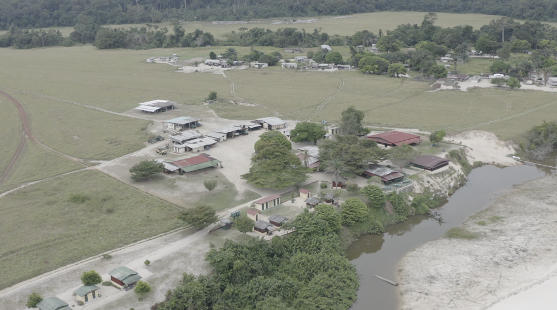
At Nyonie, a tourist site on the beach near Wonga-Wongue National Park, these stations will inform tourists and help them to plan better for their excursions according to the weather forecast. Mr. Moukambi, the manager of Chez Beti campsite, stated that people who visit the area very often call them in advance to ask about the weather and to know if the waters are calm or not.
“I think these stations will improve things a lot. All we ask for is improvement.”
? He added
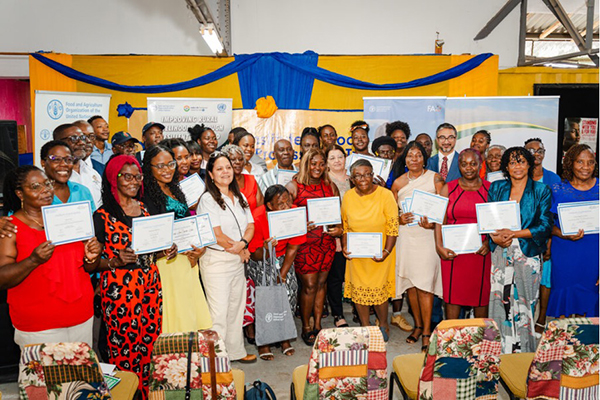
Following the installation of the six stations, UNDP organized a series of workshops and seminars to strengthen the capacity of partners to produce and disseminate data, information and warnings on extreme weather, climate and hydrological conditions.