• Home
  • /
  • India-UN Fund Story
  • /
  • Digital payment ensures continuity of electricity supply and delivery of health service in Zambia

Digital payment ensures continuity of electricity supply and delivery of health service in Zambia


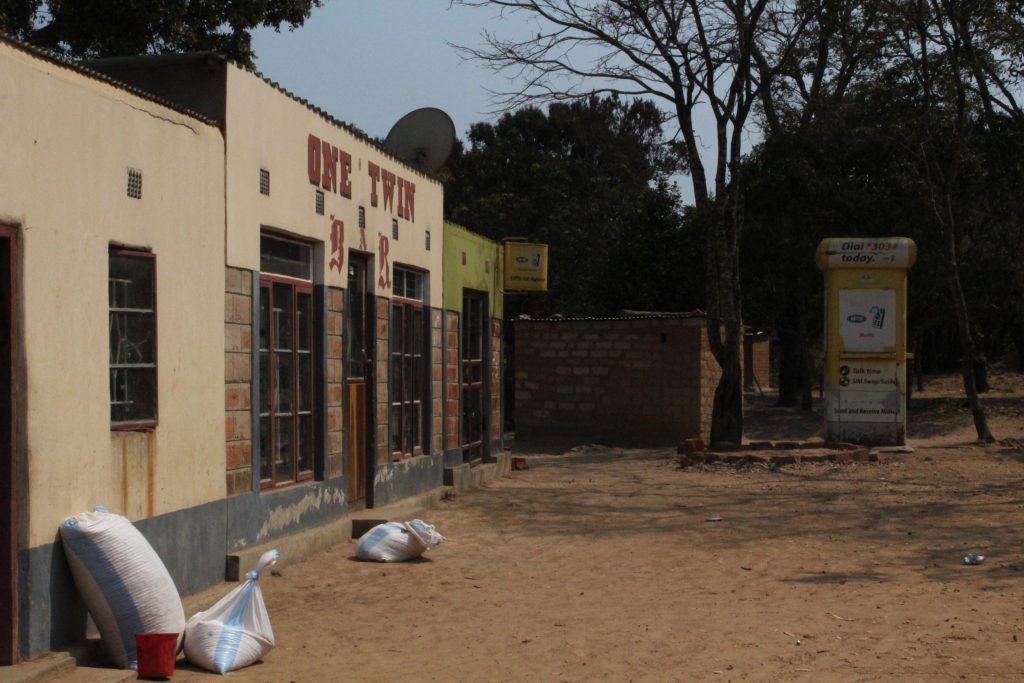
Shops stand to gain from strong digital economy
©UNCDF

Digital payment ensures continuity of electricity supply and delivery of health service in Zambia

Luwi Mission Hospital in Ntambu sits on a sprawling campus in the heart of Zambia’s remote North-Western Province. Run by the Catholic diocese, it provides quality healthcare services to more than 23,000 rural people and is a nursing school for 200 students. The hospital’s healthcare services include laboratory diagnostics, maintaining the vaccine cold chain, and a small theatre for simple procedures. Given the critical services offered by the Hospital, reliable electricity is essential.

Because of its remote location, however, the hospital and the immediate surrounding area are not connected to the national electricity grid. Rather, they are served by the Rural Electrification Authority (REA) mini-hydroelectric power station, a new power station that was commissioned in 2019 and provides 0.6mW of power to area with a radius of about 50km, sufficient to serve the community. Similar grids dot the country to ensure even the remotest areas have access to electricity.

The challenge, however, is the mini grid stations need to be financially self-sustaining which requires customers – the hospital, local businesses, and consumers – are able to pay their bills in a timely fashion. But with the nearest bank 120 km away (roughly two hours of travel) and no other payments options available, the system was under stress and continuous service could not be assured.

To meet the challenge, the Ministry of Finance, in partnership with UNCDF and the India-UN Development Partnership Fund, supported REA with both a grant and technical assistance to implement a digital payment ecosystem for electricity-use at the hospital and the wider community. The partnership aims to increase access to electricity and the use of digital payments for power and other essential services and will ensure that the mini grid has a reliable and efficient channel of payment. This project supports the Luwi Mission Hospital and surrounding areas with REA and UNCDF targeting 2,000 household and commercial electricity connections by the end of 2022. And while an initial 180 connections had been targeted for completion by June 2022, the actual completion rate was 500, a testament to the effectiveness of the project’s implementation and the community’s interest.

By creating this digital payment ecosystem, REA and UNCDF is increasing the use of digital financial services for people of the region, particularly women, which will enable the community to gain better control of their utility payments and household expenses. It also cuts down on the risk of theft that can accompany withdrawing the kinds of cash needed to meet monthly expenses and improves the ability for community members to meet unanticipated needs. The new digital payment system will enable the communities to buy electricity as needed and improve their funds’ management. It also allows greater efficiency in how community-members travel to resupply goods and seek financial services, thus saving on fuel and other travel-related expenses.
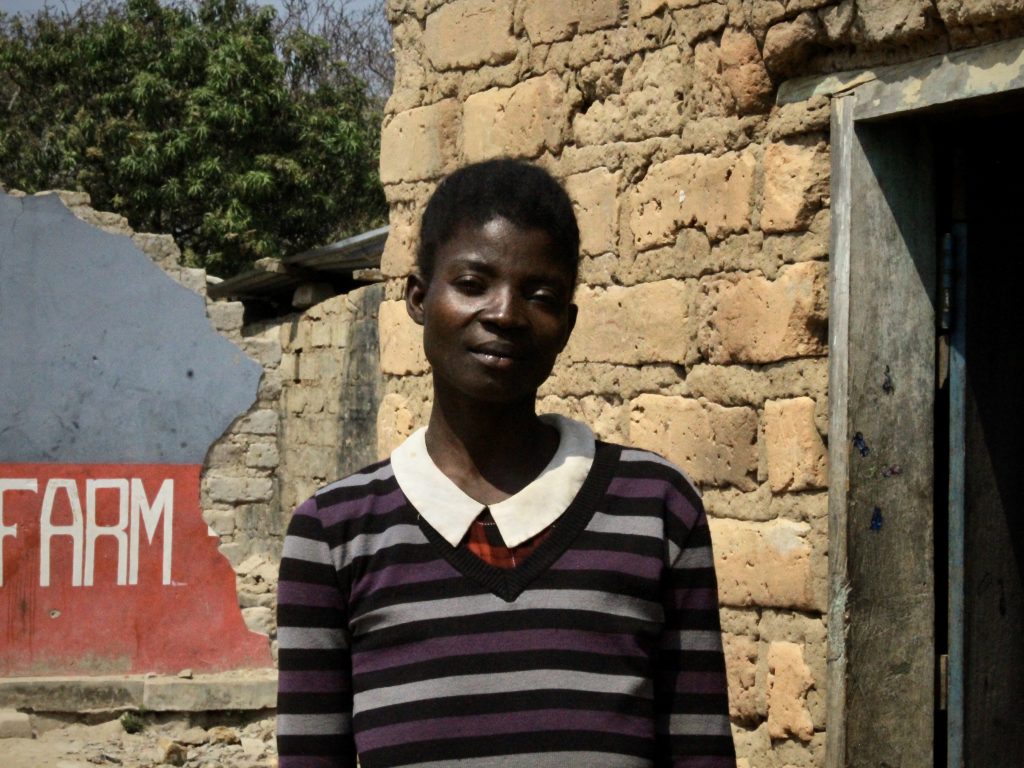
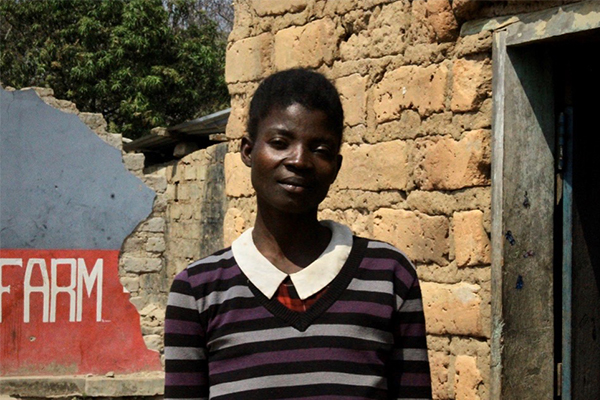
A Ntambu hopes her business will improve through the new digital payment system ©UNCDF

“Using a digital payment method will make a big difference for us here at the Mission. This way, we can focus on the important tasks and not worry that our power be cut off. We can also plan and manage this better.” – Sr Chrispine, Sister-in-Charge of Luwi Nursing College.

Members of the community added that for their household use, a digital payment method would also make a big difference and thus, digital payments have a far-reaching effect. Access to reliable digital payments will enable these far-flung communities to remotely utilise e-commerce and other platforms for goods and services, thus expanding and strengthening the digital ecosystem in the province. This enables users to continue adding value to their lives.

The project’s training component is designed to ensure community members understand how to use the system for both consumers and businesses. To this end, UNCDF is collaborating with Viamo, its customer education partner, who is providing training on how to make safe digital payments as well as booster teams which are continuously working to build community members’ financial literacy and confidence in these services. Bringing digital payments for electricity to the area will contribute to the growth of a larger digital ecosystem for the people in the region. This includes mobile money agents and merchants, thus offering additional employment opportunities. Most importantly, people in this area will be able to pay for the services they critically need. The use of digital payments will open up access to other services and products, thus enable end-users to actively participate in the digital economy and the country’s broader digital transformation.


Produced and edited by UNOSSC, UNDP and UNCDF Zambia.


For more information please contact Ms. Ines Tofalo, Trust Fund and Project Management Specialist at UNOSSC: ines.tofalo@unoscc.org

More India-UN Fund Stories


Related Post


  • All Post
  • ATCT Featured Publications POM
  • BAPA+40
  • Blog
  • Capacity Development Initiatives
  • CICETE Featured Publications POM
  • CIKD
  • Cities Clusters - Agriculture
  • Cities Clusters - COVID-19
  • Cities Clusters - COVID-19 Knowledge Products
  • Cities Clusters - DRR
  • Cities Clusters - E-commerce
  • Cities Clusters - Tourism
  • Cities Clusters - Tourism Knowledge Products
  • Cities Clusters - Transport
  • Cities Clusters - Waste
  • Cities Project
  • Cities Project COVID-19 Newsletters
  • Cities Project COVID-19 Response
  • Cities Project Knowledge Products
  • Classic (untouched)
  • Climate Action
  • COMSATS Featured Publications POM
  • COMSATS Featured Solutions POM
  • Converted from Divi
  • Converted from Mixed
  • Converted from WPBakery
  • COVID-19
  • COVID-19 Page Featured Solutions
  • DRR Knowledge Products
  • DRR News
  • Empty Post
  • Events
  • Featured Event UN-Habitat POM
  • Financing for Development
  • Financing Mechanisms
  • g7+
  • Gender Events
  • Gender News
  • Good Practices in SSTrC Series
  • Good Practices Publications
  • Good Practices Thematic Series & Special Editions
  • Good Practices Vol. 2
  • Good Practices Vol. 3
  • GSSDC
  • Highlighted
  • Highlighted Publications
  • IAEA Featured Solutions POM
  • IBRAF Featured Publications POM
  • IBSA Fund
  • IBSA Fund Annual Reports
  • IBSA Fund News and Stories
  • IBSA Fund Publication
  • IBSA Fund Story
  • ICGEB Featured Events POM
  • ICGEB Featured Publications POM
  • ICGEB Featured Solutions POM
  • ILO Featured Events POM
  • ILO Featured Publications POM
  • ILO Featured Solutions POM
  • India-UN Development Partnership Fund
  • India-UN Fund Publication
  • India-UN Fund Story
  • IsDB
  • IsDB Featured Publications POM
  • IsDB SCC
  • News
  • Norec Featured Publications POM
  • Norec Featured Solutions POM
  • Peace and Development
  • PGTF Publications
  • PGTF Story
  • PICA Featured News POM
  • PICA Featured Publications POM
  • PICA Featured Solutions POM
  • PIDF Featured Publications POM
  • Publications
  • Regional Updates
  • Research
  • ROK-UNOSSC Facility
  • SGP Featured Publication POM
  • SGP Featured Solutions POM
  • Solution
  • South South in Action
  • South-South Global Thinkers
  • South-South Ideas
  • South-South Ideas Series
  • South-South in Action Series
  • Southern Response to COVID-19
  • SSN4PSI Featured Publications POM
  • SSN4PSI Featured Solutions POM
  • Training
  • UN Day for SSC 2020
  • UN Fund for SSC
  • UN SSC Day Publications
  • UN-Habitat Featured Publications POM
  • UN-HABITAT Featured Solutions POM
  • UNCCT
  • UNEP Featured Publications POM
  • UNFPA
  • UNFSSC Publication
  • UNFSSC Story
  • UNIDO Featured Publications POM
  • UNIDO Featured Solutions POM
  • UNIDO POM Events
  • UNOCT Featured Publications POM
  • UNV
  • UNV Featured Publications POM
  • WB Featured Publications POM
  • WB Featured Solutions POM
  • Webinars
  • WFP Featured Events POM
  • WFP Featured Publication POM
  • WFP Featured Solutions POM
  • WIPO
  • Workshops and Seminars
  • Youth4South
  • z Across the Globe 1
  • z Across the Globe 2
  • z Across the Globe 4
  • z Across the Globe 5
  • z Across the Globe 6
  • z Across the Globe 7
  • z Across the Globe 8
  • z ES BAPA+40
  • z ES Eventos
  • z ES Noticias
  • z ES Noticias Destacadas
  • z ES Publicaciones
  • z ES Publicaciones Destacadas
  • z ES Serie Buenas Prácticas en la CSSyT
  • z ES Serie El Sur-Sur en Acción
  • z FR Actualités
  • z FR BAPA+40
  • z FR Événements
  • z FR Publications
  • z FR Publications en vedette
  • z FR Série Bonnes pratiques en CSST
  • z FR Série Sud-Sud en action
  • z Highlighted News
  • z Photos
  • z Videos
  • z ZH BAPA+40
  • z ZH Events
  • z ZH News

ABOUT

Terms of Service

Privacy Policy

Disclosures

RESOURCES

Terms of Service

Privacy Policy

Disclosures

ENGAGE

Terms of Service

Privacy Policy

Disclosures

Copyright © UNOSSC/UNDP

wpChatIcon
wpChatIcon

Alliance Application Form

Submit an Expression of Interest and/or Demand Signal. UNOSSC reviews submissions on a rolling basis.

1. Official name of organization / institution / government entity (exclusions to apply) *
2. Country *
3. Region *
4. SDG *
Secondary SDG *
5. Partner category *
6. Website *
7. Brief description of your institution (max. 150 words) *
Name for the Lead *
Title for the Lead *
Email address for the Lead *
Name for the co-lead
Title for the co-lead
Email address for the co-lead
Section 3. Expression of Interest in the Alliance *
Additional information on proposed areas of engagement may be requested through the platform following initial review by the Alliance Secretariat.
Section 4. Due Diligence and Integrity Declaration *

Submission Note:

  • Submission of this Expression of Interest form does not automatically confer participation in the Alliance.
  • All submissions will be reviewed by the Alliance Secretariat, including basic eligibility screening and proportionate due diligence, as appropriate.
  • Participation in Alliance activities is determined based on relevance to articulated cooperation needs, alignment with Alliance principles, and integrity considerations.
  • Engagement under the Alliance is voluntary, non-binding, and facilitative in nature, and does not constitute funding approval, contractual commitment, or institutional membership.
  • The Alliance Secretariat may contact submitting entities for additional information or clarification during the review process.

Submission of Demand Form

Description of Demand

Indicate the type of support or cooperation requested through the Alliance.
Please briefly describe the challenge, gap, or priority. (Max. 300 words)

Thematic and Geographic Focus

Please indicate the main focus areas of your demand:

A. Thematic Areas (select up to three)
B. Geographic Focus (select all that apply)

Proposed Engagement Modalities

Please indicate how you would like to engage through the Alliance (select all that apply):

Expected Outcomes

Please indicate the main results you seek to achieve through this engagement. (Max. 200 words)
Examples:
• Capacity strengthened
• Partnerships established
• Sectoral or regional strategies co-developed
• Solutions piloted
• Knowledge generated
• Policies informed

Timeline and Readiness (if applicable)

1. Expected timeframe for engagement:
2. Current stage:

Additional Information

Please provide any additional information, documents, or links relevant to this submission.
(Max. 200 words or upload link)

Submission of Offer Form

Description of Contribution

Indicate the type of contribution your institution can provide and describe the expertise, resources, or solutions you may offer.
Please briefly describe your proposed contribution. (Max. 300 words)

Thematic and Geographic Focus

Please indicate the main focus areas of your interest:

A. Thematic Areas (select up to three)
B. Geographic Focus (select all that apply)

Proposed Engagement Modalities

Please indicate how you would like to engage through the Alliance (select all that apply):

Expected Outcomes

Please indicate the main results you aim to achieve through this engagement. (Max. 200 words)
Examples:
• Capacity strengthened
• Partnerships established
• Sectoral or regional strategies co-developed
• Solutions piloted
• Knowledge generated
• Policies informed

Timeline and Readiness (if applicable)

1. Expected timeframe for engagement:
2. Current stage:

Additional Information

Please provide any additional information, documents, or links relevant to this submission.
(Max. 200 words or upload link)

Organization Registration

Authentication & Due Diligence This prototype simulates identity verification, due diligence confirmation, and an authentication step before submission. *

First Name *
Last Name *
Email address *
Password *
Confirm Password *
Name of institution / organization *
Country / Region *
Organization Type *
Organization other *
Function / role *
Organization logo *
Maximum file size: 1 GB

Login

Login / email *
Password *
Remember me

Forgot password?

Connect form

Your name *
Email *
Organization / institution *
Job title / role *
Reason for connecting:
Short message

Scroll to Top