In 2020, when the Republic of Moldova National Bureau of Statistics first partnered with UNFPA to transform its system for gathering population-based data, little did it know that its effort would play an instrumental role in helping the country to cope with the massive number of refugees that would pour over its borders from Ukraine.
Supported by a grant from the India-UN Fund, the project was designed to improve the mechanisms by which administrative data are exchanged between data holders and to transform the country’s statistical system to become more efficient, register-based and user-friendly. The goals of the revised system included helping to accurately project population figures and including a methodology for population balancing to estimate growth.
In early 2021, the partners prepared and conducted the Generations and Gender Survey (GGS), a data tool to help to guide demographic policy development that is both people-centred and data-driven. The first survey engaged more than 10,000 people from across the country. When the results were published in October 2021, they included more than 100 demographic indicators on fertility, life history, work, income, generations, households and well-being. The success of the work was such that the Republic of Moldova was one of two countries (the other was Uruguay) that were asked to demonstrate and share best practices during a regional webinar, also supported by the India-UN Fund.
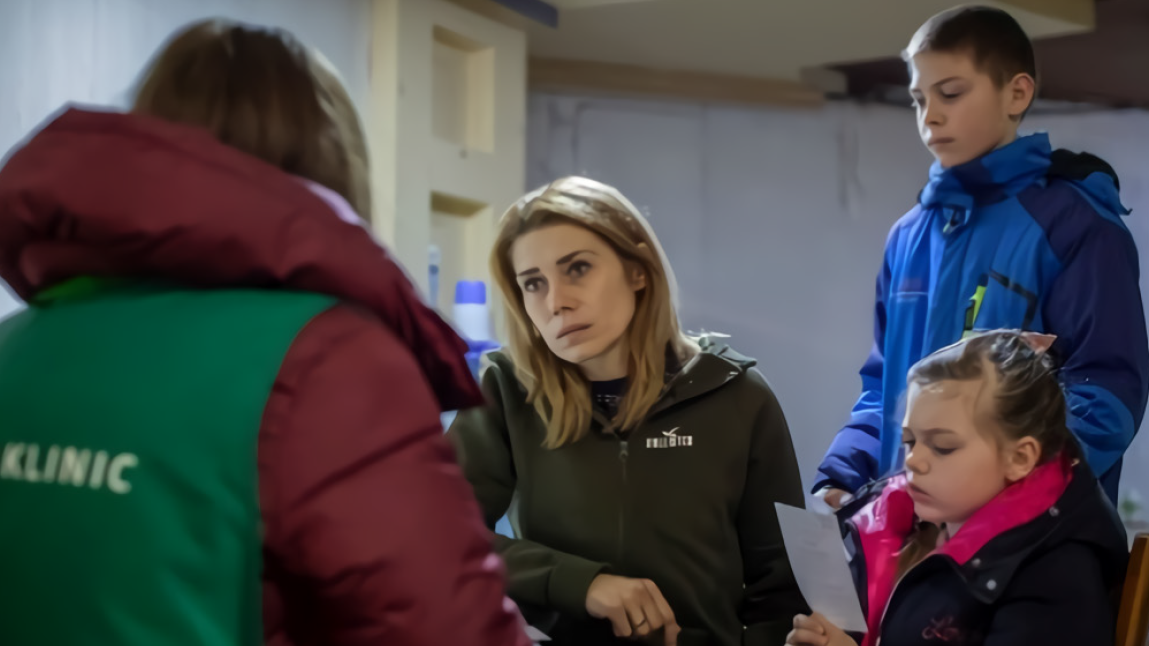
Fast-forward to 24 February 2022 and the outbreak of the war in Ukraine. The Republic of Moldova was among the first countries to welcome refugees. By mid-May, more than 5.9 million Ukrainians had left Ukraine, of whom 450,000 had crossed into the Republic of Moldova, the highest number of refugees per capita of any host country. While the majority passed through en route to other European Union countries and beyond, approximately 85,000 remain in the country. This is a high number for a poor country of only 2.6 million people to absorb.
The GGS methodology has been instrumental in helping the Government to plan for and provision the refugees to meet their myriad needs. The Republic of Moldova has opened approximately 100 refugee accommodations in various locations. With the support of development partners, refugees are receiving vital legal and psychological services. The Ministry of Education is working with the education sector to address the needs of school-age refugees. This includes scaling up complementary non-formal education and partnering with the Moldovan Football Federation to provide extracurricular activities.
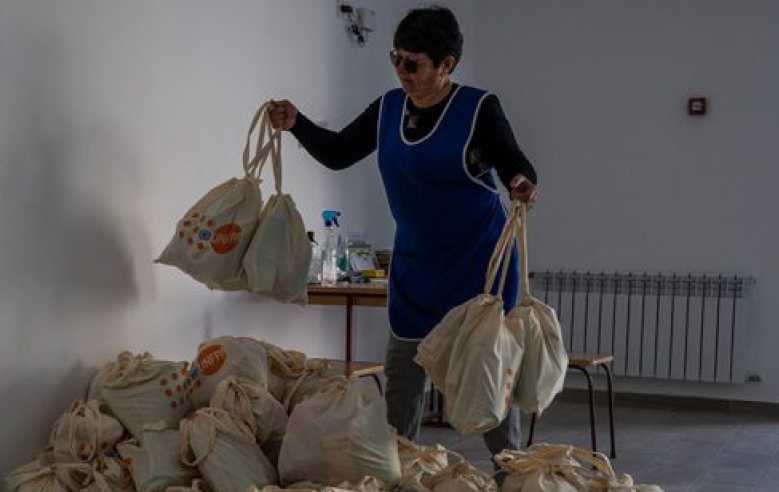
Furthermore, UNFPA has expanded its own support to the country. Working with the Ministry of Internal Affairs, it has provided a variety of needed equipment and services including personal protective equipment for COVID-19 prevention as well as medicines and medical equipment and sanitary products for women and girls. The Ministry of Labour and Social Protection has received 2,000 dignity kits with basic hygiene and menstrual supplies to be distributed to women and girls through local public authorities, and UNFPA is providing psychological support, sexual and reproductive health services, and therapy.
It is the GGS that has enabled the Government to best tailor its support for Ukraine’s refugees and it will continue to do so in the months to come.