Not so long ago, it was common for the market women of Tarija, in the southern region of Bolivia, to have their young children with them while working, exposing them to both unnecessary risks and unacceptable conditions. Indeed, many generations of Tarija’s women vendors have grown-up in this reality.
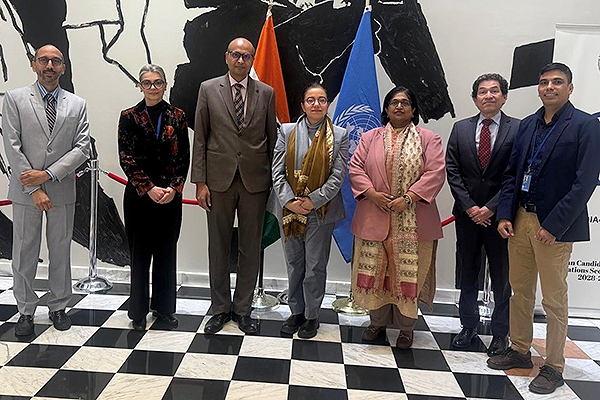
This situation is changing, however, with many vulnerable women, including those working in the capital’s main markets, finding new opportunities for professional growth and personal empowerment. These changes are the result of an alliance between the Autonomous Municipal Government of Tarija and UNDP and with the financial support of India-UN Development Partnership Fund.
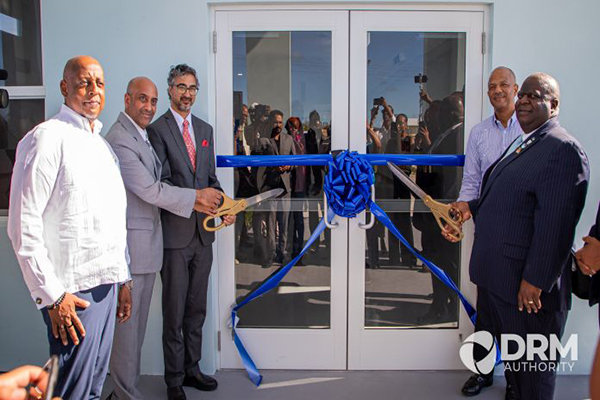
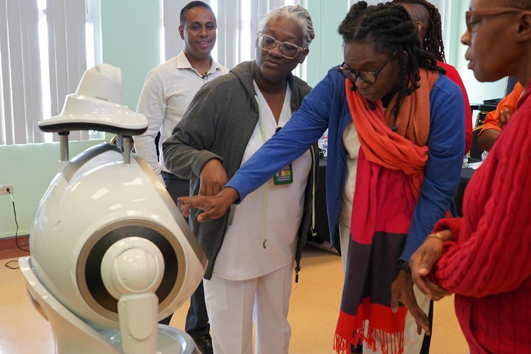
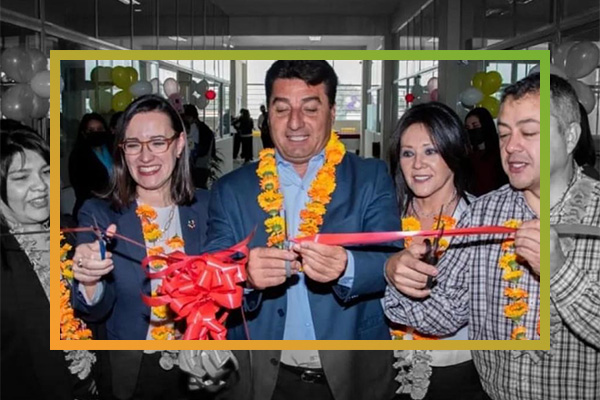
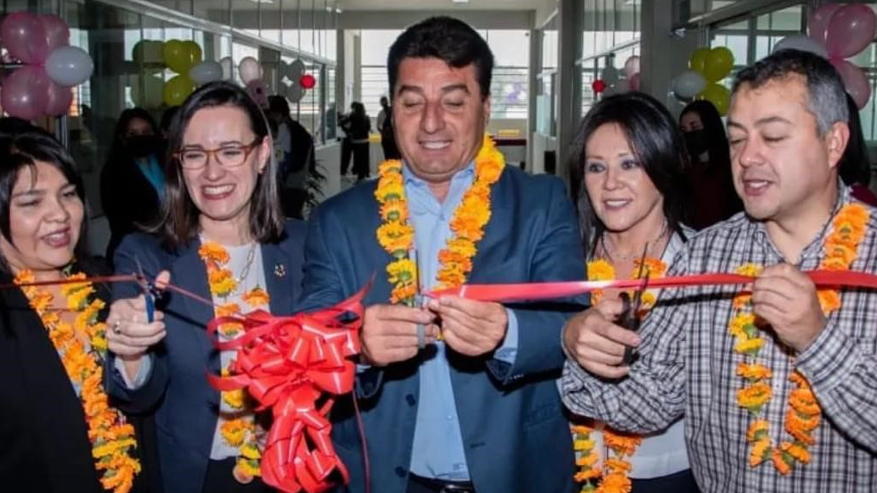
Long the dream of generations of mothers, two important markets in the capital city, Mercado Avaroa and Central, now have a suitable and safe area for their young children during working hours. These early childhood daycare centers offer both specialized educators and the equipment needed to provide early childhood care and age-appropriate education to approximately 100 children every day. What was initially met with distrust, has turned into expectation and hope.
“We never had such an area; in the past, I had to be in the booth with my youngest daughter or if possible, ask my older children to look after her at home. Now, I am calm, I am able to sell my products and from time to time I can come to this care center to see how she is doing”,
? explains Gabriela Mesa, accompanied by her husband Rubén, both market vendors.
“I have been working in this market for more than 45 years and I have never seen facilities like these. Now, we feel calmer and ready to work without fearing that something may happen to our little children”,
? explains Ruth Alarcón, one of the most senior vendors in the Central Market.
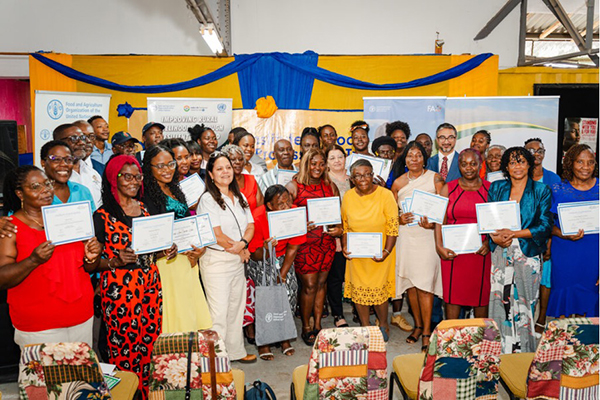
But it’s not just the children that are gaining from the partnership. The women have the opportunity to enhance their own knowledge and obtain higher incomes as part of an unprecedented alliance between the Ministry of Education, through the José Manuel Belgrano Center for Adult Education (CEA Belgrano), and UNDP. CEA Belgrano has both expanded its academic offering and incorporated new specialties, including preschool education for child care, gerontological nursing, and care for people with disabilities. More than 90 people are participating in these training-courses.
“In the past, we were only offered technical courses, but these new areas sparked the interest of many people”, says Ramiro Fernández Peralta, CEA Belgrano’s head-teacher.
This interest has also helped close the labor market’s gender gap, especially during the recent COVID-19 pandemic, which had a disproportionate impact on women.
“Women are the ones who lost their jobs and faced a decrease in their economic incomes; what’s more, they are the ones with greater burden in all care-related tasks. We hope that these centers will help improve the conditions of all market vendors.”
? says Luciana Mermet, UNDP’s Resident Representative.