Paraguay has made significant strides in its efforts to ensure both the right to family planning and a life free of violence. It has passed laws and implemented policies, programmes and protocols all to ensure access to sexual and reproductive health and a life safe from sexual abuse for all.
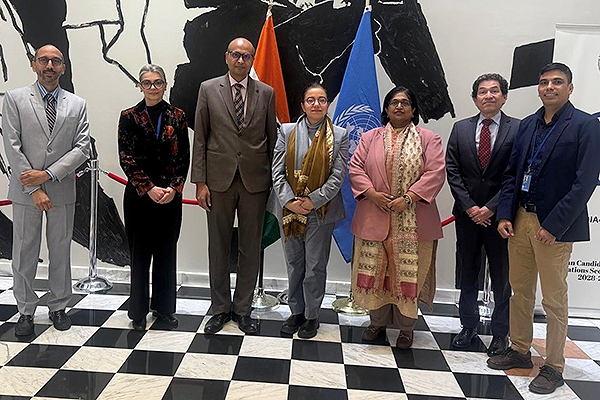
This project is poised to make important strides in the Government efforts to ensure a childhood free of unwanted pregnancy and sexual violence for girls. Supported by funding from the India-UN Fund, it is a collaborative effort between the Ministry of Public Health and Social Welfare; the Ministry of Education and Sciences; the Ministry of Children and Adolescents; the Ministry of Labour, Employment and Social Security; and UNFPA. It focuses on Caaguazu in the south central region of the country.
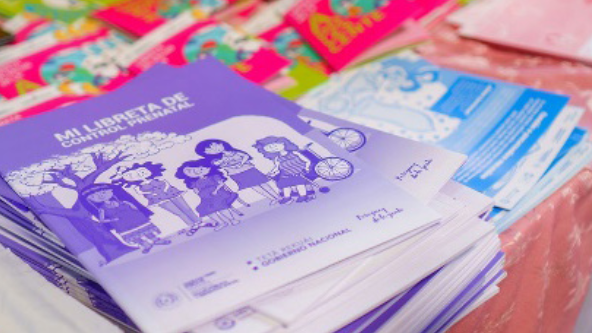
Finding effective ways for adults to communicate with youth without having the latter roll their eyes can be difficult. In an unusual twist, the project team engaged families early on in the creative process to ensure that the materials and activities would be appealing to young people and in ways that they could understand and appreciate and with which they could feel comfortable, such as comic books, stories, games, radio programmes, and video and song contests.
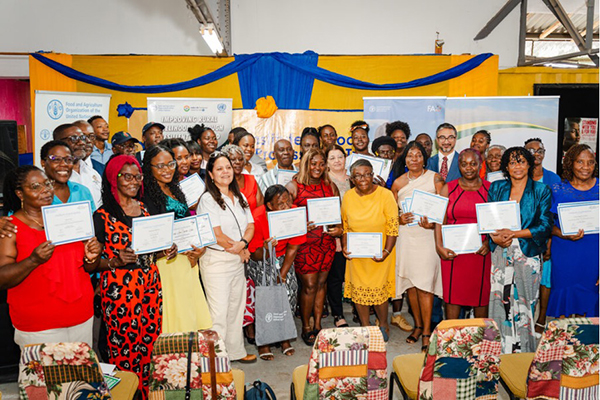
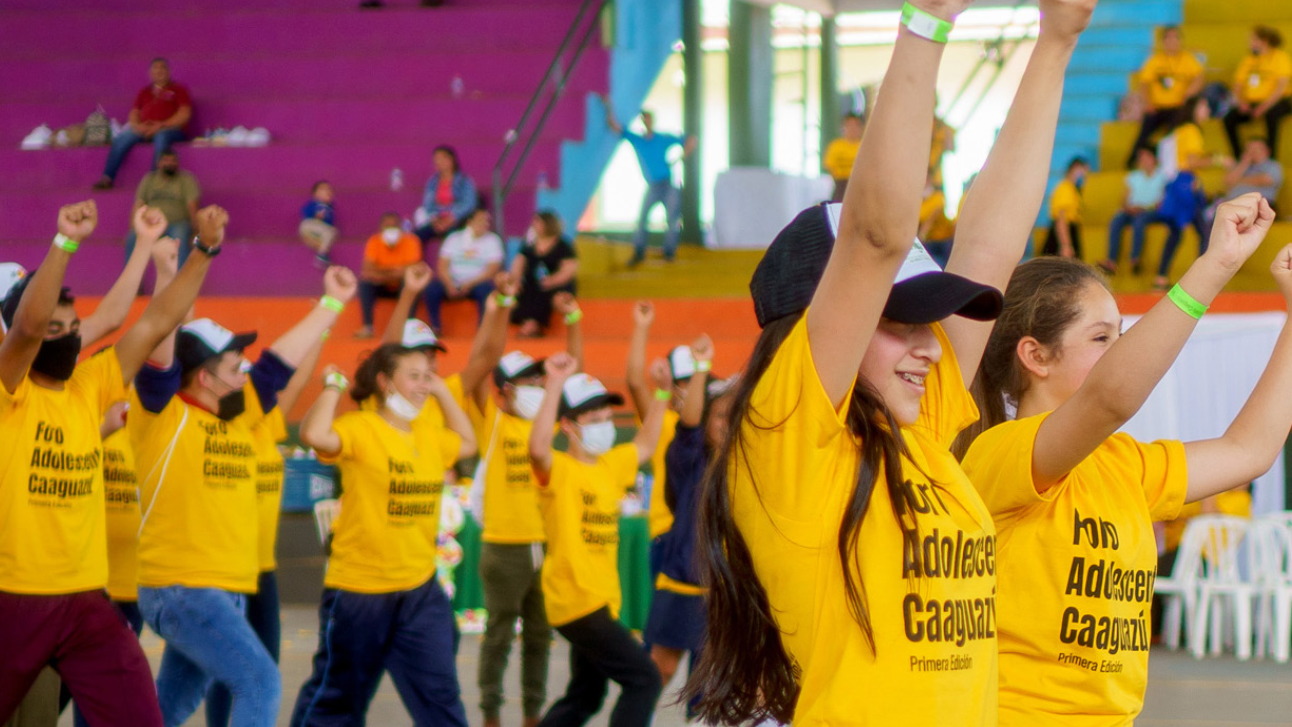
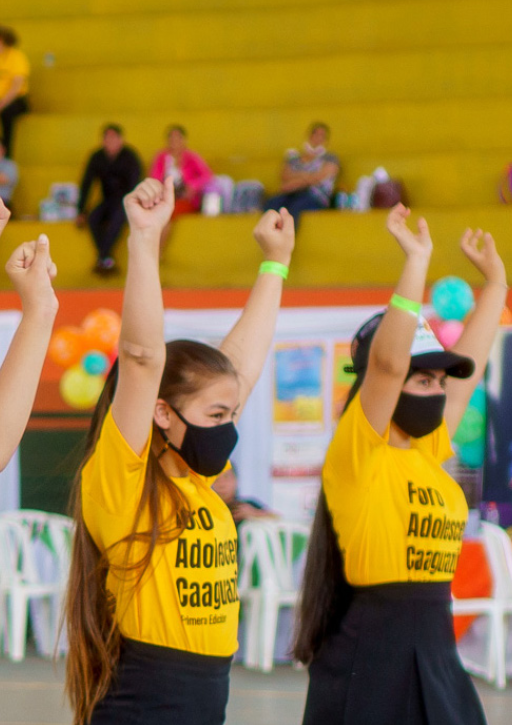
Seven schools in Caaguazu, reaching 1,500 students, their families and 40 teachers, were targeted for the programme. Educational talks on the prevention of all forms of violence, including online, were followed by a youth video contest aimed at fostering the creativity of adolescents using tools provided by Tik Tok, a digital platform for producers of short videos. The contest promoted the right of young people to live a life free of violence and sexual abuse and develop the ability to defend their rights and express their opinions so that they could enjoy equal opportunities and freedom from all forms of discrimination.
The project team complemented its student focus by working with institutions to provide training in good-care practices using a psychosocial approach to victims. That included working with authorities to coordinate care and increase the awareness of forensic technical teams and the health system. Health personnel were regularly updated on the related procedures of the Ministry of Health. Furthermore, a focus on the Government jurisdictional system is intended to optimize inter-institutional responses to sexual abuse and violence so as to better protect the rights of children and adolescents.
On 24 June 2021, the mayoral candidates all signed “Ten commitments to the children and adolescents by candidates for mayor and municipal board of the City of Caaguazu”, a living testament to the seriousness with which the municipality regards this effort. Among the 10 pledges are to (a) invest or increase existing investments in resources to address issues of vulnerability for children and adolescents as well as the protection and restitution of their rights; (b) provide professional training to combat child labour and human trafficking among young people; and (c) create a platform to ensure that the children and adolescents of indigenous peoples receive care from the institutions that are charged with ensuring their protection.
The great challenge that remains is to ensure that 100 per cent of victims reach health care within 72 hours, especially given the remoteness and often difficulty in reaching areas of the Department. The team has been coordinating with responsible institutions and using a smartphone application to link people across the Department with the National Protection System for Children and Adolescents. The team’s strategy has been so successful overall that it was selected as an example at the regional launch of International Technical and Programmatic Guidance on Out-of-school Comprehensive Sexuality Education that was developed by UNFPA in collaboration with UNAIDS, UNESCO, UNICEF and WHO.