Access to information is the foundation of equitable development. When citizens exercise their right to know, they can hold public and other institutions accountable, participate and make decisions about their lives.
Access to information is closely connected to freedom of expression, as recognized in Article 13 of the Constitution of the Independent State of Samoa that details the right to freedom of speech, assembly, association, movement and residence. However, this Article has not been legislated in its entirety to enable a legal right to access to information.
It was against this background that the national stakeholders in Samoa, with assistance from the India-UN Fund, UNESCO and UNDP, embarked on the Samoa Knowledge Society Initiative. This project acknowledges the advances that Samoa has made in developing legislation on many areas of information and communications technology (ICT) but more needs to be done to safeguard citizens’ freedom of expression and access to information.
The initiative also acknowledges the progress made in achieving Sustainable Development Goals but more can be done to achieve progress in adopting and implementing statutory guarantees for public access to information (SDG indicator 16.10.2). In implementing statutory guarantees for public access to information, it is important to assist public institutions and public service officials to provide information and meet their obligations to citizens. The Samoa Knowledge Society Initiative foresees capacity-building to improve record management and use ICT to access information.
“The contribution of the rights to freedom of expression and access to information to good governance requires willingness of government to be transparent and protect the rights of citizens as well as the ability of citizens to access and use relevant information. It is critical, therefore, that policy priorities and legislative frameworks are put in place for both,”
? Hon. Toelupe Poumulinuku Onesemo, Minister for Communications and Information Technology
Obstacles to access to information can undermine the enjoyment of civil and political rights as well as economic, social and cultural rights. Speaking on the issue, Ms. Nisha, Director of the Office and UNESCO Representative to the Pacific States, pointed out that “freedom of expression and access to information, coupled with a public service that is committed to citizens’ rights, are vital for empowering citizens, in particular those who are poor and socially disempowered, to claim their rights and entitlements.”
While planning the Samoa Knowledge Society Initiative, which is supported by the India-UN Fund, stakeholders used a participatory approach to identify national gaps. The project includes, among other actions, development of a policy on access to information and a provision to support the development of a Freedom of Expression Bill as well as capacity-building training for the public service officials in partnership with the relevant government institutions.
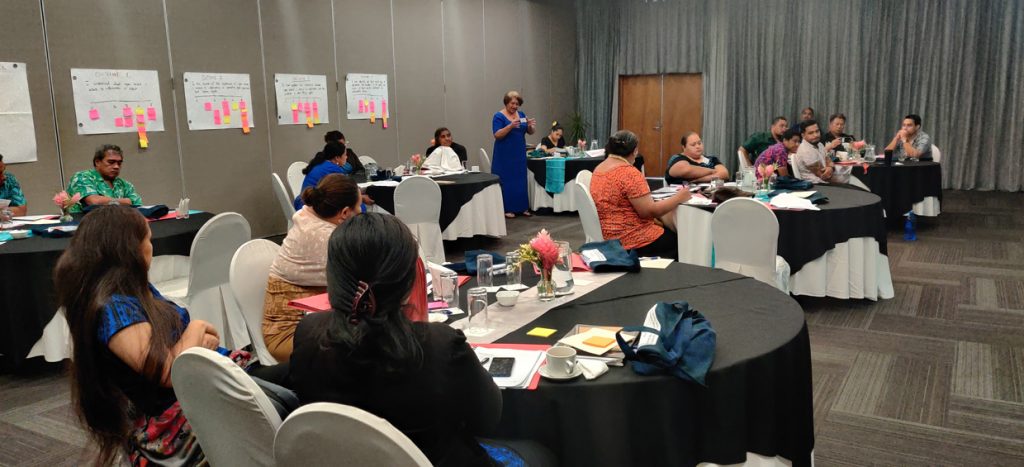
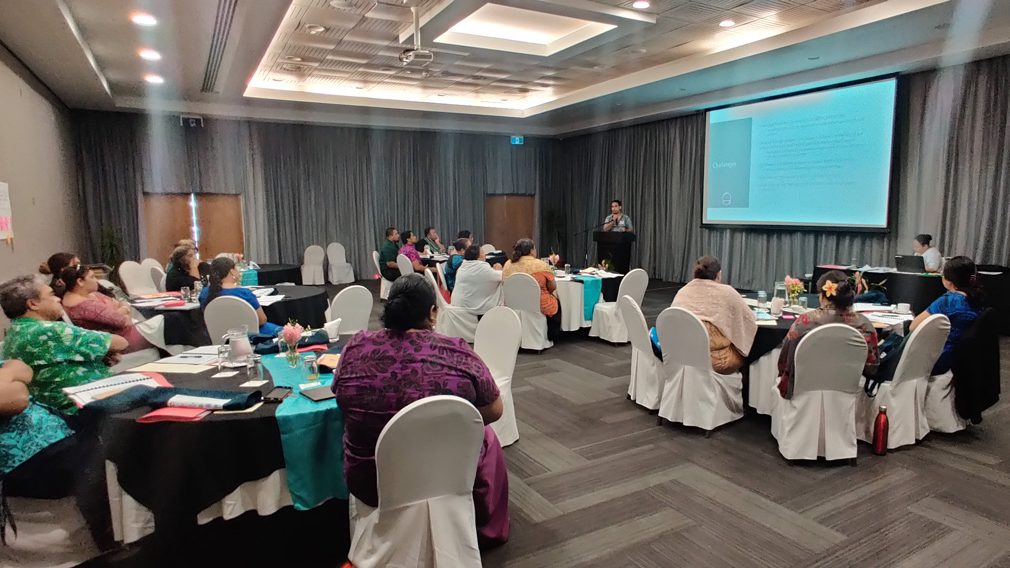
During training on “open access” and “access to information” for the public service officials held in the last week of October 2021, the Samoa Ombudsman, Ms. Luamanuvao Katalaina Sapolu, stated that “capacity-building and awareness-raising among public servants are key in building a culture of disclosure within the public service, guided by a clear understanding of restrictions and set criteria to determine the information that can and cannot be disclosed.”
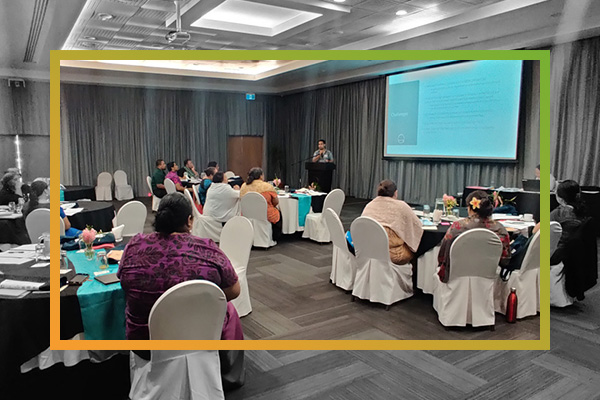
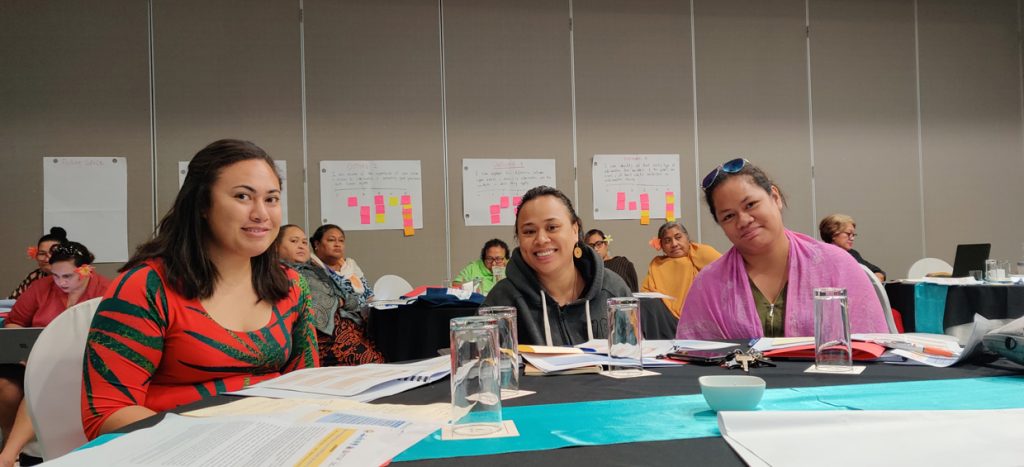
The training process that ran from the middle to the end of October 2021 began with a high-level dialogue involving the senior officials of all the ministries and State bodies of the Government of Samoa. It was followed by training of trainers facilitated by the UNESCO Chair in Open Educational Resources (OER) at the OER Foundation and Otago Polytechnic (New Zealand). The trainees included a senior official from each of the ministries of the Government and personnel of the National University of Samoa. The trainees are strengthening their skills so as to run and staff the specially developed training for Samoan public service officials in the future.