Globally, complications during pregnancy and childbirth are the leading cause of death in girls 15 to 19 years old. Teen moms are more likely to drop out of school, preventing them from realizing their full potential. The babies of adolescent mothers face higher risks of low birth weight, preterm birth, and severe neonatal conditions.
At 74 births per 1,000 among girls 15 to 19 years old, Guyana has the highest rate of adolescent pregnancy in the English-speaking Caribbean, a rate well above that of the countries of the Latin America and the Caribbean region, which itself has the second-highest rates globally. The rate is especially high among indigenous girls as well as among girls from lower wealth and educational backgrounds.
Limited availability and access to quality sexual and reproductive health information, education, and services for adolescents are the principal reasons for the high percentage. Further, while government- backed efforts over the past decade have resulted in significant strides in child health and sexual and reproductive health, both maternal and child mortality rates remain stubbornly high with both ranked the second-highest in the region.
With young people 10 to 19 years old representing approximately 20% of the country’s population, improving availability and access to quality sexual and reproductive health information and empowering communities, parents, and adolescents to prevent adolescent pregnancy are essential to tackling the country’s health challenges as well as addressing poverty and inequality for this and future generations.
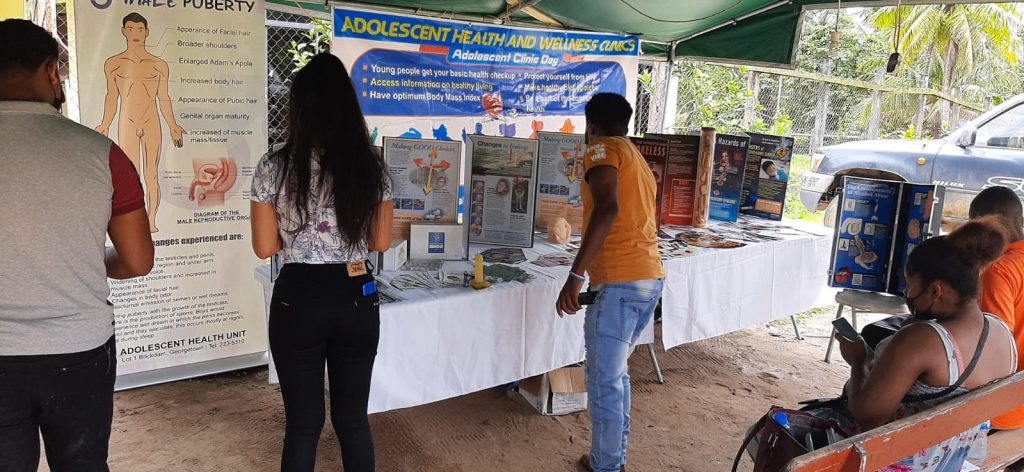
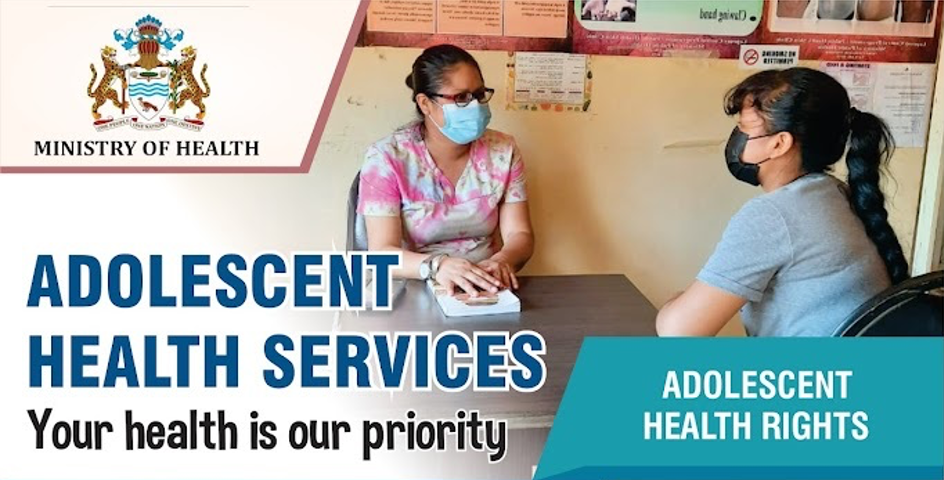
In 2019, the Ministry of Public Health, in partnership with UNFPA and with the financial support of the India-UN Development Partnership Fund, launched a comprehensive programme designed to reduce adolescent pregnancies within communities reporting the lowest use of contraceptives through improved access to reproductive health information, products and services, coupled with professional training for health-care providers.
The Ministry of Public Health and UNFPA worked closely with key partners to develop the programme, which adapted the WHO Global Adolescent Standards to meet Guyana’s needs. This included collaboration with the Ministry of Indigenous People to ensure the development of a culturally appropriate programme intended to identify and secure access to leaders within the target communities. It also worked with youth-led organizations and directly involved adolescents and youth in the planning, implementation, monitoring and communicating of the programme. This included engaging men and boys as key change agents.
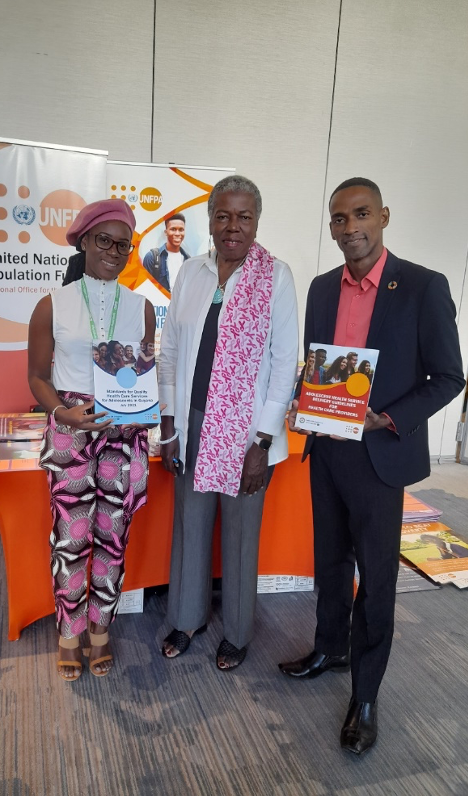
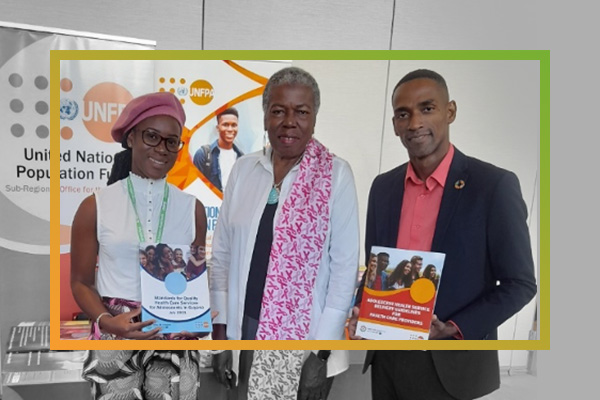
The project also developed two programme guiding documents, “The Standards for Quality Health Care Services for Adolescents” and “Adolescent Health Service Delivery Guidelines for Health Care Workers” both of which were guided by the WHO guidelines and which were subsequently endorsed by the Ministry of Health and approved by the Chief Medical Officer. They have since been incorporated into the Family Health Manual of the Ministry of Health and it is expected that these documents will guide health-care providers in the provision of adolescent health services.
The main objective of the trainings was to develop and maintain competent, caring and committed health service providers who are knowledgeable about adolescent wellness conditions, methods of contraception and skills to respond to the needs of adolescents.
The Guyana Government’s commitment to lowering, and ultimately eliminating, adolescent pregnancies is reaping results. In early November, Dr. Ertensia Hamilton, Guyana’s Minister of Health, announced that its combined efforts, including the India-UN Fund-sponsored programme, contributed to a 6% drop in adolescent pregnancies, from 25% to 19%, over the past 10 years. While there still is a long way to go, this is significant progress, which may build momentum.
At the heart of South-South cooperation is the sharing of information and best practices with partner countries in an effort to help each country’s progress in its unique development pathways towards shared goals. To this end, UNFPA presented a case study of the programme funded by the India-UN Development Partnership Fund at the 2nd Caribbean Congress on Adolescent and Youth Health in October.
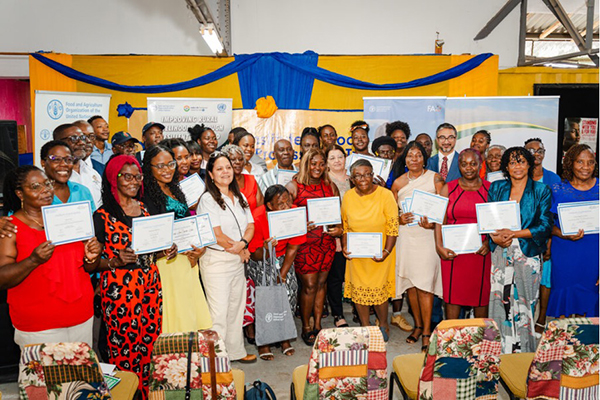
During the three years of the programme, more than 4,000 adolescents, 50 community leaders, 55 civil society organizations, 100 teachers, 11 faith-based organizations and 65 health care providers, as well as parents in 11 remote communities received family planning information and services through the programme.
More India-UN Fund Stories