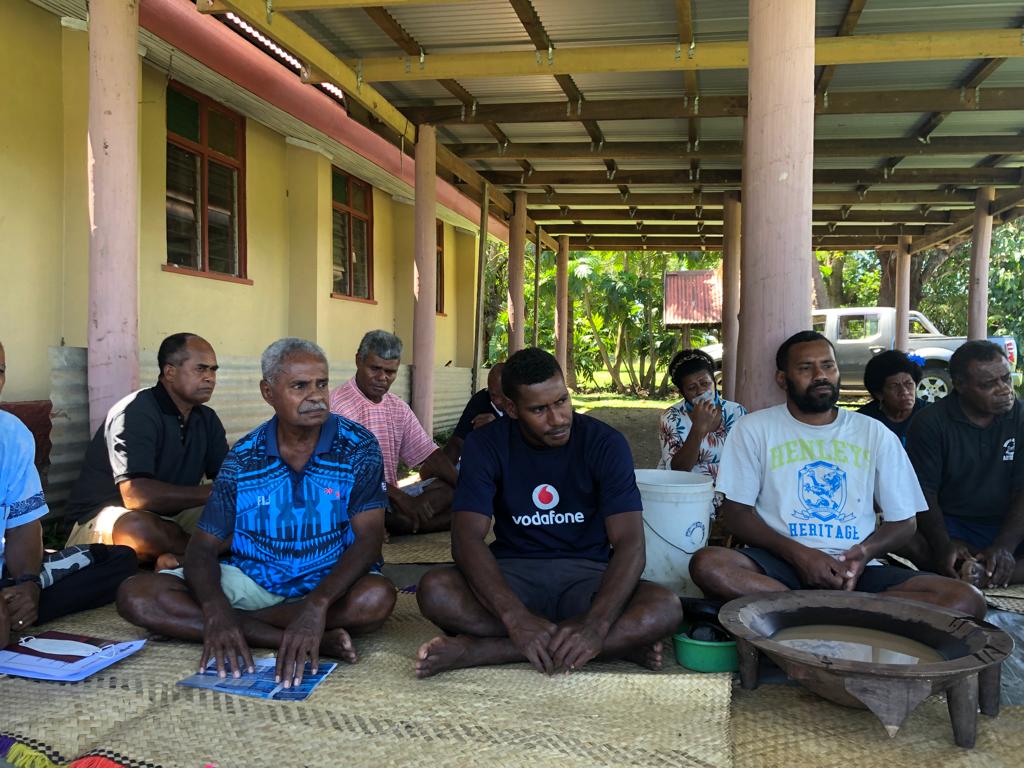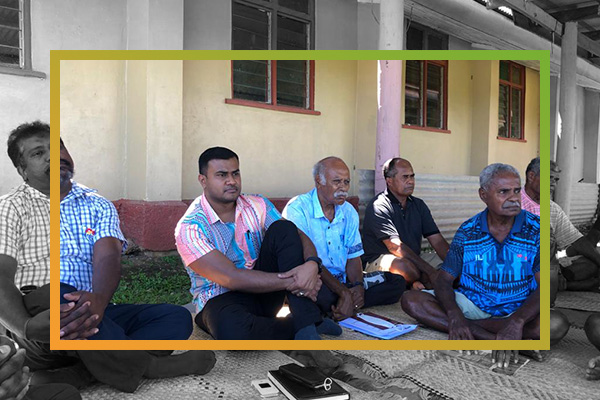
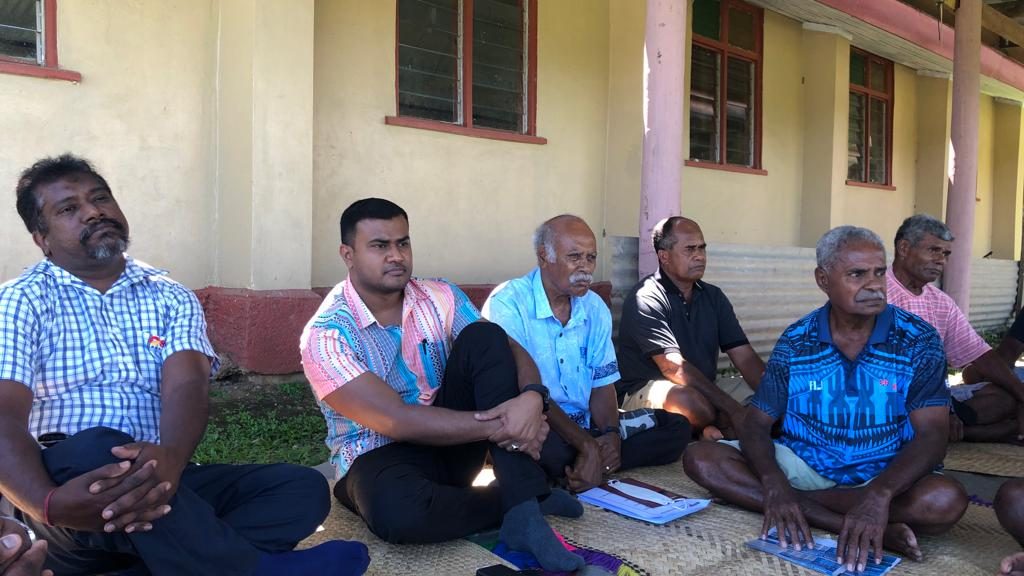
Rishi Ram was on the verge of harvesting his rice crop when Tropical Cyclone Ana tore through his home in northern Fiji in January 2021. With little warning, the strong winds and heavy rain levelled his rice, vegetable and livestock farm and damaged his home. Farming was the only source of income for Mr. Ram and his family of eight, who live in Dreketi, a small district on Vanua Levu, Fiji’s second-largest island. The 50-year-old farmer left his teaching job to focus full-time on farming despite the yearly risks of cyclones and other natural disasters. The damage caused by category 2 Tropical Cyclone Ana just over a month after category 5 Tropical Cyclone Yasa led to financial hardships for the family stemming from income loss and high repair costs. Mr. Ram was faced with the impossible choice of repairing his home or investing whatever little money he had left in rebuilding his farm.
“I gave first priority to repairing, rebuilding and investing back into my farm while leaving my house in a partially damaged state”
He said
Mr. Ram is one of many rice farmers in Dreketi to have suffered from the increasing frequency and strength of cyclones and other extreme climatic events in the Pacific Region. Fiji Rice Limited reported that farmers in the Northern Division incurred F$350,000 (about $171,700) in losses due to Tropical Cyclones Yasa and Ana alone.
These farmers and other vulnerable groups such as women, youths and persons¡ living with disabilities have little financial capacity to cope with the economic shocks that follow a cyclone. For instance, there are no climate- and disaster-risk insurance instruments that individuals, businesses, organizations, cooperatives or others in the Pacific Region can access. This is a concern, given that, according to UNICEF, “the Pacific Islands are among the most vulnerable in the world, facing many natural hazards, such as cyclones, earthquakes, tsunamis and volcanic eruptions, whilst having limited means to prepare and respond to them.”1 Moreover, Fiji is ranked the twelfthmost- hazardous country in the world according to the World Risk Index, and the frequency of cyclones and floods is expected to increase in the coming years owing to climate change.
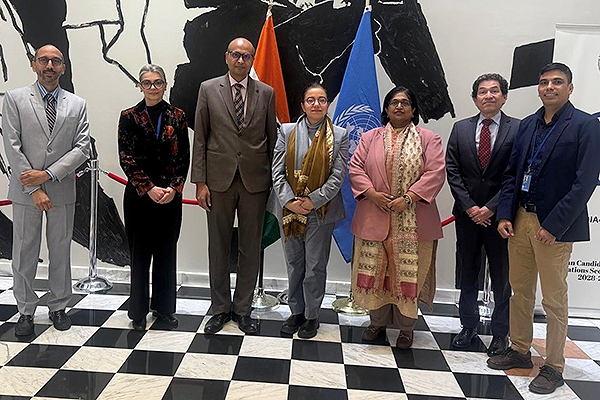
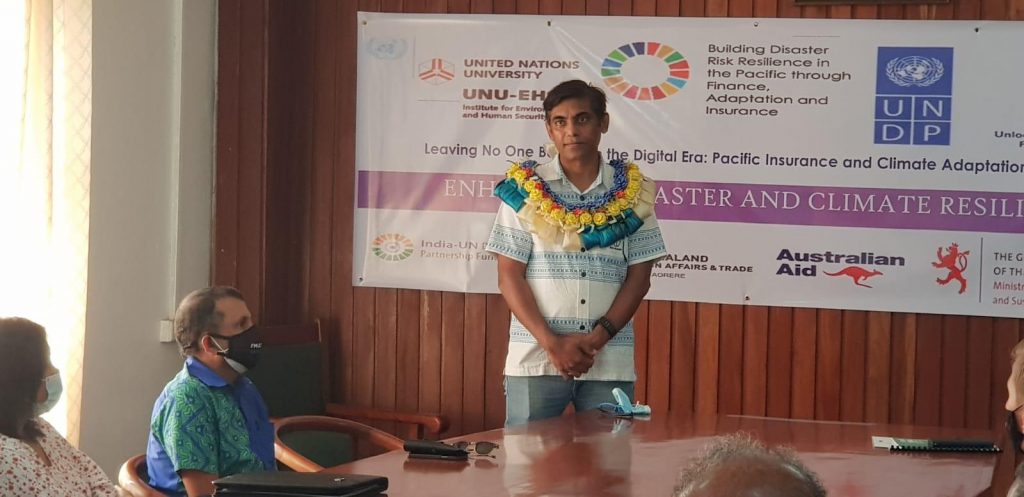
The United Nations Capital Development Fund (UNCDF), with support from the India-UN Fund and other partners, launched Fiji’s first parametric micro-insurance scheme on 25 August 2021 in the context of the Pacific Insurance and Climate Adaptation Programme, which itself receives financial support from the India-UN Fund and the Governments of Australia and New Zealand. South-South exchanges of technical expertise have been a key enabling feature to develop this disaster-risk financing scheme. According to the Attorney-General and Minister for Economy, Mr. Aiyaz Sayed-Khaiyum, “we are piloting a parametric climate and disaster risk micro-insurance product which, we hope, can be scaled up in Fiji and to other small island developing States.”
The defining feature of parametric insurance is that it pays out the agreed amount when the event happens. It has many advantages over indemnity-based insurance, which focuses more on broad conventional areas such as physical losses and can be difficult to categorize. Perhaps the biggest pull factor is the quick payout of claims, which can be processed within seven days after an event occurs, enabling beneficiaries to begin recovery immediately. This is particularly attractive for farmers such as Mr. Ram, whose livelihoods are left in tatters after a cyclone. Besides building financial resilience, it also ensures that families do not fall deeper into poverty by being forced to sell off assets to cover losses.
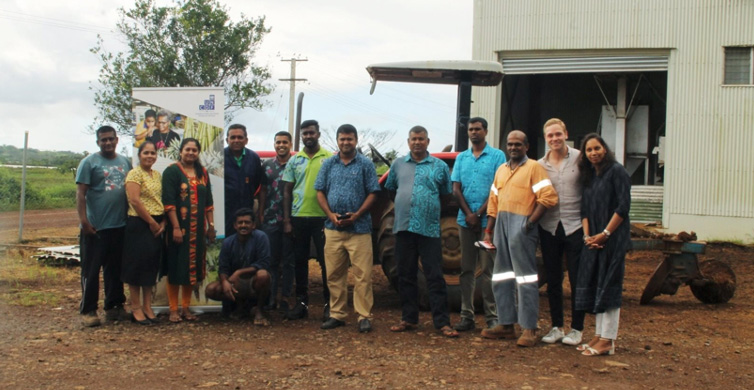
The programme has been conducting a series of “ideation workshops” with key stakeholders who have been identified as partners for implementation. Owing to these co-creation opportunities, the project developed a digital onboarding platform for aggregators and insurer partners and supported the Government of Fiji as it granted a value-added tax exemption to the product.
Mr. Ram believes that parametric insurance will improve the prospects for farmers by securing their assets and livelihoods. Since its launch, enrolment in the pilot scheme has included largely smallholder farmers, fishers, market vendors and micro business owners. By the end of 2021, 1,246 beneficiaries were insured for the parametric micro-insurance product.