• Home
  • /
  • News
  • /
  • Leveraging South-South and Triangular Cooperation to Build Statistical and Data Capacities in Developing Countries

Leveraging South-South and Triangular Cooperation to Build Statistical and Data Capacities in Developing Countries


Unlocking the Power of Data Through Cooperation

In today’s world confronted with complex and interlinked development challenges, data is more than just numbers—it is an essential asset and a public good for sustainable development. Recognizing this, South-South and triangular cooperation has emerged as a powerful mechanism for strengthening statistical and data capacities across developing countries. These collaborative efforts facilitate peer learning, knowledge exchange, and digital innovation, enabling developing countries to build robust national data ecosystems that drive evidence-based policymaking. From national-level census modernization to city-to-city smart transportation planning, South-South cooperation is empowering countries to use data to inform policies and improve lives. Let’s explore how this works in practice and what more can be done to scale up its impact.  
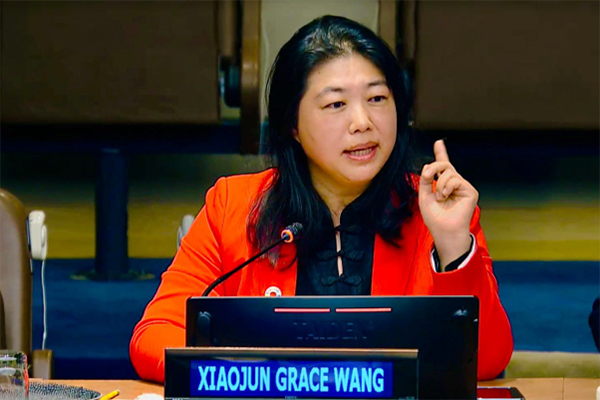
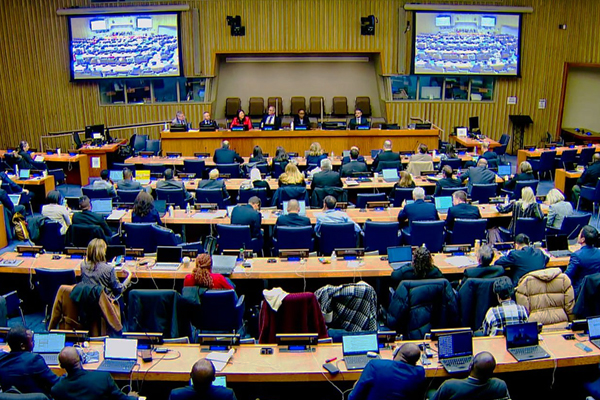
Seminar titled “Capacity Development for Relevant, Resilient, and Agile National Statistical Systems: Are We on the Right Track?” addressed by Ms. Xiaojun Grace Wang, Trust Fund Director, UNOSSC, on the topic.
 

How Is South-South Cooperation Facilitating Knowledge Sharing and Data Innovation?

  National-Level Impact: Strengthening National Statistical Systems With support from the India-UN Development Partnership Fund, Moldova is leveraging experiences from India and Estonia to enhance registry-based census technologies and conduct the Generations and Gender Survey (GGS). These efforts are improving data accuracy, timeliness, and efficiency, ensuring gender-sensitive and evidence-based policymaking.  
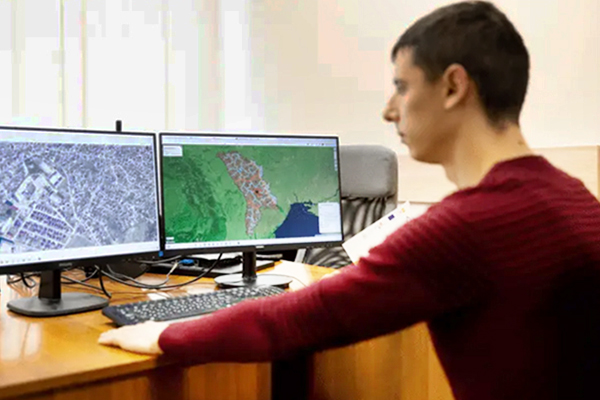
A specialist of the National Bureau of Statistic in Moldova. Photo: UNFPA
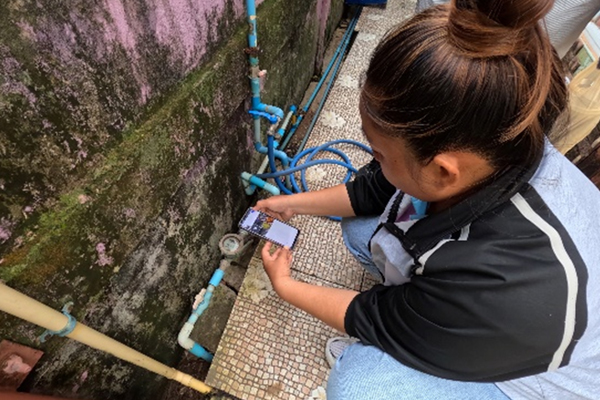
  Regional-Level Impact: Strengthening Multi-Country Data Collaboration Through triangular cooperation with the Republic of Korea, the Mekong River Commission and Mekong Institute are working with Cambodia, Thailand, Vietnam, and Lao PDR to develop data-driven solutions for managing the water-food-energy nexus and strengthening the early warning systems for climate resilience.  
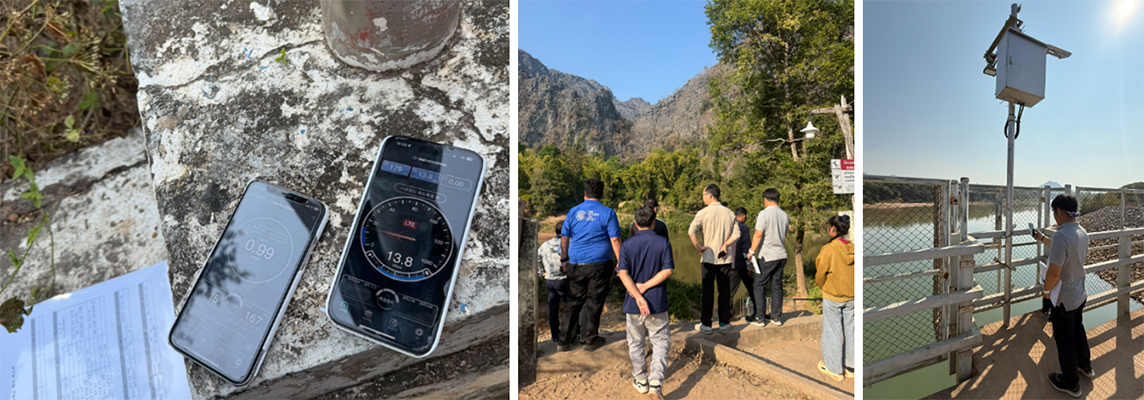
ROK-UNOSSC Facility (Phase 3)/P-LINK: Training of Thai community members to utilize sensors and mobile applications to collect water leak data for analysis.
 
ROK-UNOSSC Facility (Phase 3)/P-LINK: Assessing the optimal location for installing a hydro-gauge and early warning facility to enhance flood preparedness in the Nakio community, Khammouane Province, within the Xebangfai River Basin, Laos.
  City-to-City South-South Cooperation: Driving Smart Urban Data Innovation Supported by China under the UN Fund for South-South Cooperation, Hangzhou’s Public Transport Data Brain was adapted in Santiago, Chile, providing a unified platform for real-time transportation data analysis. This has optimized route planning, improved commuter experiences, and reduced emissions.  
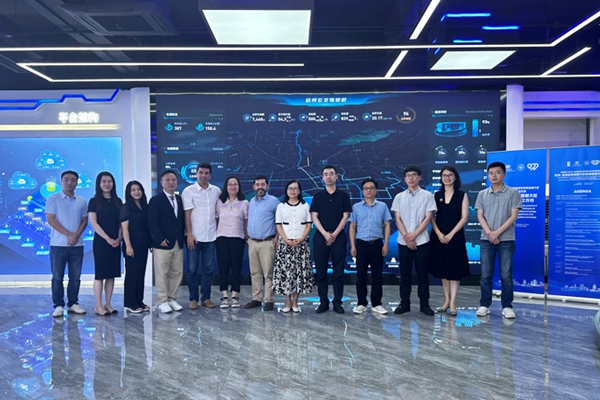
City-to-city experience and technology exchange workshops between Hangzhou, China and Santiago, Chile.
 
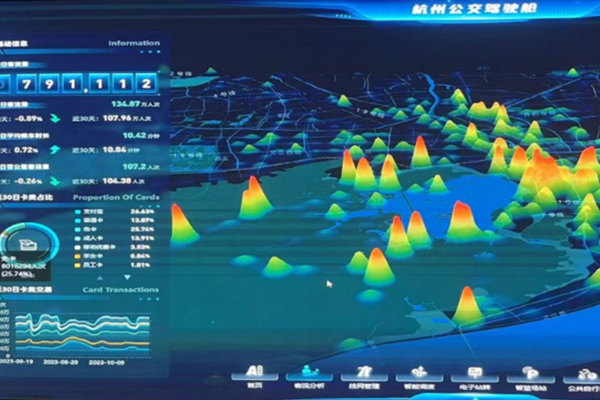
Sustainable Smart City Public Transit Center in Hangzhou City is the technical partner of the Sustainable Transport pilot project under Cities Project (launched by UNDP China and Chile in December 2022). The thermal effect graph shows the real-time number of people at each bus stop and bus flow, among other data points.
  Global-Level Data Sharing and Policy Support To advance South-South cooperation globally, UNOSSC hosts the South-South Galaxy, an AI-powered digital platform that provides real-time analysis of South-South cooperation initiatives, featuring diverse datasets, thematic knowledge hubs, and Power BI dashboards, making data more accessible and actionable, to broker South-South and triangular partnerships. It also hosts the Data-to-Policy Network, established through partnership with UNDP and GIZ, connecting policy makers in developing countries to exchange and share knowledge in utilizing gender data, AI analytics, multidimensional poverty measurement, and climate resilience for evidence-based policy making.  

How Can We Enhance the Impact of South-South Cooperation on Data and Statistical Capacity?

The Pact for the Future and the Global Digital Compact recognize the importance of trusted cross-border data flows and harmonized global data governance. Aligning South-South cooperation efforts with these global commitments requires a stronger focus on three critical areas.
1. Strengthening Global and Regional Data Governance For developing countries, leveraging South-South cooperation to harmonize data governance policies is key to ensuring data interoperability, security, and accessibility. This can be done through leveraging regional mechanisms or UN system regional commissions’ support. For example, the AU Data Policy Framework helps African nations align regulations to foster a unified digital market and boost regional digital trade. Meanwhile, in Latin America, ECLAC’s inter-agency collaboration on migration statistics is strengthening governance on migration and displacement data, improving policy coherence across borders. 2. Expanding South-South Cooperation for Economic Integration and Data Collaboration Data plays a crucial role in regional economic integration, trade facilitation, and investment planning. The ASEAN Statistical Capacity Building (EASCAB) Programme, a triangular initiative supported by EU and GIZ, helped ASEAN countries harmonize trade and labor mobility data. The ASEAN-help-ASEAN approach is essentially South-South cooperation that ensures locally sustained capacity building efforts. Similarly, the Digital Cooperation Organization (DCO), an alliance of mostly developing countries, is enabling trusted cross-border data flows to boost investment in digital economies. Recognizing this potential, UNOSSC and DCO have formed a joint action plan to co-design digital and data cooperation projects that combine UNOSSC’s operational framework with DCO’s technical expertise. 3. Strengthening the Institutional Capacity of National Statistical Offices to Measure South-South Cooperation and Engage in Global Cooperation National Statistical Offices (NSOs) need enhanced capacities to measure South-South cooperation contributions and integrate them into global reporting frameworks such as the SDGs. A key step in this direction is the initial voluntary conceptual Framework to Measure South-South Cooperation and the UNCTAD’s Manual for the framework to measure South–South cooperation, which supports tracking of South-South cooperation contributions under SDG indicator 17.3.1. Over 60 developing countries have expressed demands for capacity support to test this framework. Additionally, the Handbook on Integrating South-South Cooperation into Voluntary National Reviews, developed by UNOSSC and the Group of Friends of the VNRs, provides NSOs with guidance on incorporating South-South cooperation data into SDG progress reports and inform national SDG policies. Despite these efforts, funding mechanisms for NSOs to fully engage in South-South cooperation partnerships remain limited. UN GA resolutions on South-South cooperation have consistently called for member states and partners to contribute towards UN South-South cooperation trust funds to enable scaling-up of South-South and triangular cooperation. We hope to work with partners to provide more opportunities for NSOs in developing countries to actively engage in international cooperation.
 

Moving Forward: Unlocking the Full Potential of South-South Cooperation for Digital Transformation and Data-Driven Development

By embedding South-South cooperation into global data governance, economic integration, and institutional strengthening, developing countries can build agile and resilient statistical systems and actively develop a stronger global data ecosystem. The Pact for the Future and Global Digital Compact provide a guiding framework, reinforcing that data is a fundamental public good and a critical enabler of sustainable development. The future of South-South cooperation in statistical capacity building is collaborative, innovative, and digital – but only if we take deliberate action to scale up investments, enhance knowledge sharing, and embed data-driven strategies into policymaking. Capacity development is deeply rooted in system building, collaboration and problem-solving practices. Trust and solidarity is the foundation of South-South and triangular cooperation. As a Chinese philosophical teaching says, “Learning alone without friends will become narrow and limited.” Let’s work together to unlock the full potential of South-South and triangular cooperation for a data-powered sustainable future.   Click here to watch UNwebtv coverage of the proceedings of the 56th session of the United Nations Statistical Commission seminar titled Capacity Development for Relevant, Resilient, and Agile National Statistical Systems: Are We on the Right Track? addressed by the author Ms. Xiaojun Grace Wang, Trust Fund Director, UNOSSC, on the topic.   *This article was prepared by Ms. Xiaojun Grace Wang, Trust Fund Director, UNOSSC

Related Post


  • All Post
  • ATCT Featured Publications POM
  • BAPA+40
  • Blog
  • Capacity Development Initiatives
  • CICETE Featured Publications POM
  • CIKD
  • Cities Clusters - Agriculture
  • Cities Clusters - COVID-19
  • Cities Clusters - COVID-19 Knowledge Products
  • Cities Clusters - DRR
  • Cities Clusters - E-commerce
  • Cities Clusters - Tourism
  • Cities Clusters - Tourism Knowledge Products
  • Cities Clusters - Transport
  • Cities Clusters - Waste
  • Cities Project
  • Cities Project COVID-19 Newsletters
  • Cities Project COVID-19 Response
  • Cities Project Knowledge Products
  • Classic (untouched)
  • Climate Action
  • COMSATS Featured Publications POM
  • COMSATS Featured Solutions POM
  • Converted from Divi
  • Converted from Mixed
  • Converted from WPBakery
  • COVID-19
  • COVID-19 Page Featured Solutions
  • DRR Knowledge Products
  • DRR News
  • Empty Post
  • Events
  • Featured Event UN-Habitat POM
  • Financing for Development
  • Financing Mechanisms
  • g7+
  • Gender Events
  • Gender News
  • Good Practices in SSTrC Series
  • Good Practices Publications
  • Good Practices Thematic Series & Special Editions
  • Good Practices Vol. 2
  • Good Practices Vol. 3
  • GSSDC
  • Highlighted
  • Highlighted Publications
  • IAEA Featured Solutions POM
  • IBRAF Featured Publications POM
  • IBSA Fund
  • IBSA Fund Annual Reports
  • IBSA Fund News and Stories
  • IBSA Fund Publication
  • IBSA Fund Story
  • ICGEB Featured Events POM
  • ICGEB Featured Publications POM
  • ICGEB Featured Solutions POM
  • ILO Featured Events POM
  • ILO Featured Publications POM
  • ILO Featured Solutions POM
  • India-UN Development Partnership Fund
  • India-UN Fund Publication
  • India-UN Fund Story
  • IsDB
  • IsDB Featured Publications POM
  • IsDB SCC
  • News
  • Norec Featured Publications POM
  • Norec Featured Solutions POM
  • Peace and Development
  • PGTF Publications
  • PGTF Story
  • PICA Featured News POM
  • PICA Featured Publications POM
  • PICA Featured Solutions POM
  • PIDF Featured Publications POM
  • Publications
  • Regional Updates
  • Research
  • ROK-UNOSSC Facility
  • SGP Featured Publication POM
  • SGP Featured Solutions POM
  • Solution
  • South South in Action
  • South-South Global Thinkers
  • South-South Ideas
  • South-South Ideas Series
  • South-South in Action Series
  • Southern Response to COVID-19
  • SSN4PSI Featured Publications POM
  • SSN4PSI Featured Solutions POM
  • Training
  • UN Day for SSC 2020
  • UN Fund for SSC
  • UN SSC Day Publications
  • UN-Habitat Featured Publications POM
  • UN-HABITAT Featured Solutions POM
  • UNCCT
  • UNEP Featured Publications POM
  • UNFPA
  • UNFSSC Publication
  • UNFSSC Story
  • UNIDO Featured Publications POM
  • UNIDO Featured Solutions POM
  • UNIDO POM Events
  • UNOCT Featured Publications POM
  • UNV
  • UNV Featured Publications POM
  • WB Featured Publications POM
  • WB Featured Solutions POM
  • Webinars
  • WFP Featured Events POM
  • WFP Featured Publication POM
  • WFP Featured Solutions POM
  • WIPO
  • Workshops and Seminars
  • Youth4South
  • z Across the Globe 1
  • z Across the Globe 2
  • z Across the Globe 4
  • z Across the Globe 5
  • z Across the Globe 6
  • z Across the Globe 7
  • z Across the Globe 8
  • z ES BAPA+40
  • z ES Eventos
  • z ES Noticias
  • z ES Noticias Destacadas
  • z ES Publicaciones
  • z ES Publicaciones Destacadas
  • z ES Serie Buenas Prácticas en la CSSyT
  • z ES Serie El Sur-Sur en Acción
  • z FR Actualités
  • z FR BAPA+40
  • z FR Événements
  • z FR Publications
  • z FR Publications en vedette
  • z FR Série Bonnes pratiques en CSST
  • z FR Série Sud-Sud en action
  • z Highlighted News
  • z Photos
  • z Videos
  • z ZH BAPA+40
  • z ZH Events
  • z ZH News

ABOUT

Terms of Service

Privacy Policy

Disclosures

RESOURCES

Terms of Service

Privacy Policy

Disclosures

ENGAGE

Terms of Service

Privacy Policy

Disclosures

Copyright © UNOSSC/UNDP

wpChatIcon
wpChatIcon

Alliance Application Form

Submit an Expression of Interest and/or Demand Signal. UNOSSC reviews submissions on a rolling basis.

1. Official name of organization / institution / government entity (exclusions to apply) *
2. Country *
3. Region *
4. SDG *
Secondary SDG *
5. Partner category *
6. Website *
7. Brief description of your institution (max. 150 words) *
Name for the Lead *
Title for the Lead *
Email address for the Lead *
Name for the co-lead
Title for the co-lead
Email address for the co-lead
Section 3. Expression of Interest in the Alliance *
Additional information on proposed areas of engagement may be requested through the platform following initial review by the Alliance Secretariat.
Section 4. Due Diligence and Integrity Declaration *

Submission Note:

  • Submission of this Expression of Interest form does not automatically confer participation in the Alliance.
  • All submissions will be reviewed by the Alliance Secretariat, including basic eligibility screening and proportionate due diligence, as appropriate.
  • Participation in Alliance activities is determined based on relevance to articulated cooperation needs, alignment with Alliance principles, and integrity considerations.
  • Engagement under the Alliance is voluntary, non-binding, and facilitative in nature, and does not constitute funding approval, contractual commitment, or institutional membership.
  • The Alliance Secretariat may contact submitting entities for additional information or clarification during the review process.

Submission of Demand Form

Description of Demand

Indicate the type of support or cooperation requested through the Alliance.
Please briefly describe the challenge, gap, or priority. (Max. 300 words)

Thematic and Geographic Focus

Please indicate the main focus areas of your demand:

A. Thematic Areas (select up to three)
B. Geographic Focus (select all that apply)

Proposed Engagement Modalities

Please indicate how you would like to engage through the Alliance (select all that apply):

Expected Outcomes

Please indicate the main results you seek to achieve through this engagement. (Max. 200 words)
Examples:
• Capacity strengthened
• Partnerships established
• Sectoral or regional strategies co-developed
• Solutions piloted
• Knowledge generated
• Policies informed

Timeline and Readiness (if applicable)

1. Expected timeframe for engagement:
2. Current stage:

Additional Information

Please provide any additional information, documents, or links relevant to this submission.
(Max. 200 words or upload link)

Submission of Offer Form

Description of Contribution

Indicate the type of contribution your institution can provide and describe the expertise, resources, or solutions you may offer.
Please briefly describe your proposed contribution. (Max. 300 words)

Thematic and Geographic Focus

Please indicate the main focus areas of your interest:

A. Thematic Areas (select up to three)
B. Geographic Focus (select all that apply)

Proposed Engagement Modalities

Please indicate how you would like to engage through the Alliance (select all that apply):

Expected Outcomes

Please indicate the main results you aim to achieve through this engagement. (Max. 200 words)
Examples:
• Capacity strengthened
• Partnerships established
• Sectoral or regional strategies co-developed
• Solutions piloted
• Knowledge generated
• Policies informed

Timeline and Readiness (if applicable)

1. Expected timeframe for engagement:
2. Current stage:

Additional Information

Please provide any additional information, documents, or links relevant to this submission.
(Max. 200 words or upload link)

Organization Registration

Authentication & Due Diligence This prototype simulates identity verification, due diligence confirmation, and an authentication step before submission. *

First Name *
Last Name *
Email address *
Password *
Confirm Password *
Name of institution / organization *
Country / Region *
Organization Type *
Organization other *
Function / role *
Organization logo *
Maximum file size: 1 GB

Login

Login / email *
Password *
Remember me

Forgot password?

Connect form

Your name *
Email *
Organization / institution *
Job title / role *
Reason for connecting:
Short message

Scroll to Top