• Home
  • /
  • Publications
  • /
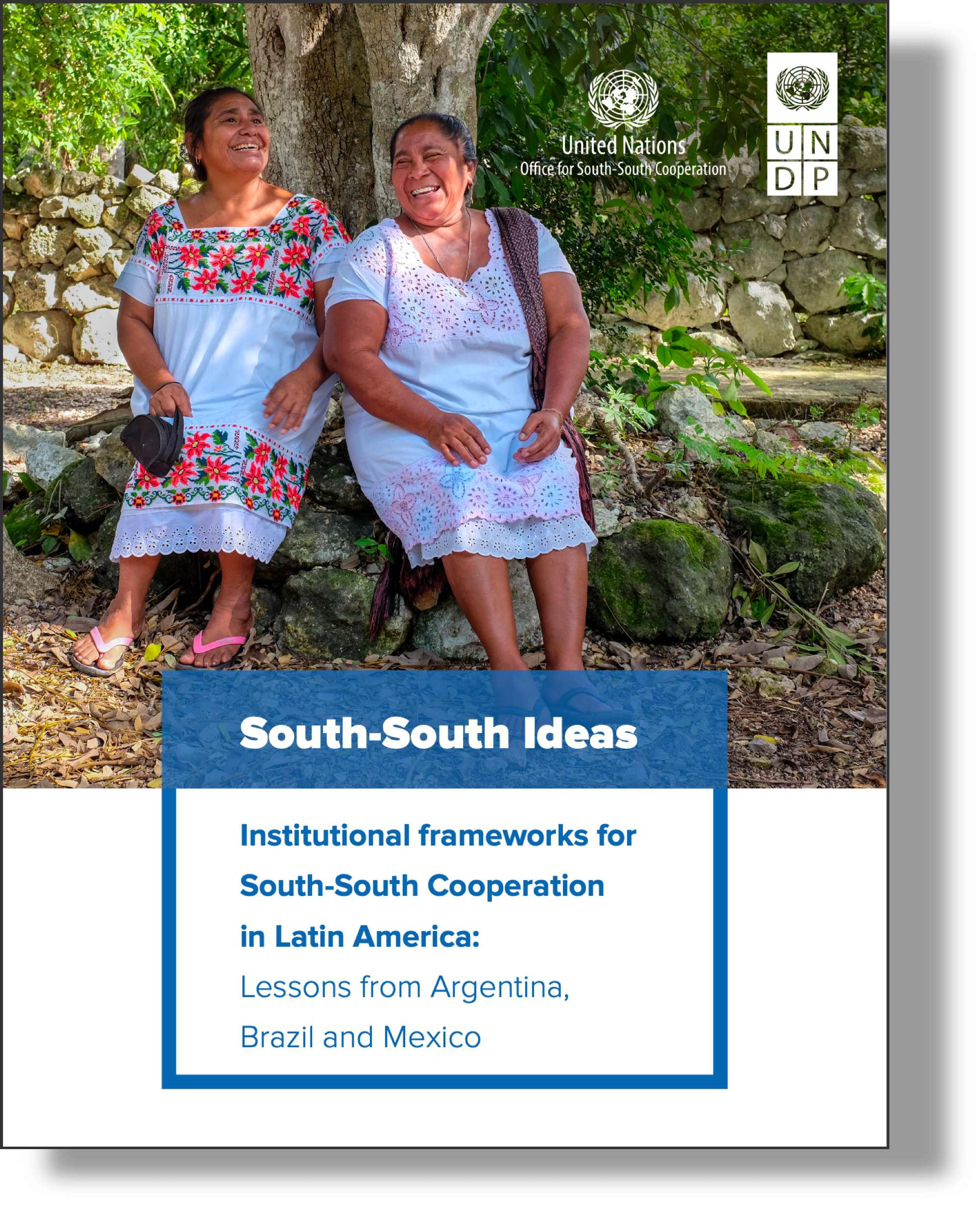
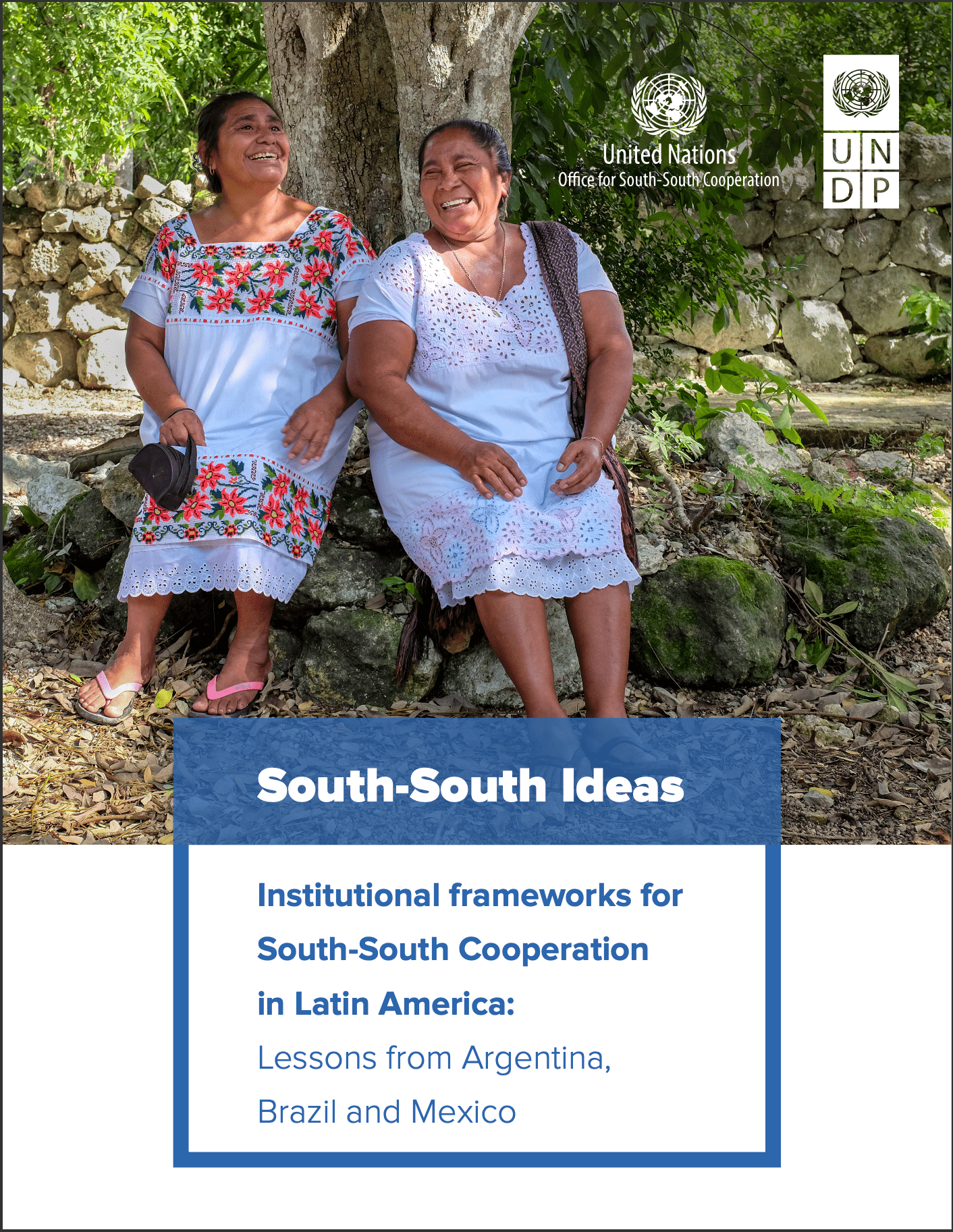
  • South-South Ideas: Institutional Frameworks for South-South Cooperation in Latin America: Lessons from Argentina, Brazil and Mexico

South-South Ideas: Institutional Frameworks for South-South Cooperation in Latin America: Lessons from Argentina, Brazil and Mexico


The present study draws on the work of a team of eight researchers from Argentina, Brazil and Mexico, the three countries that are currently members of NeST LATAM: Alejandra Kern (Universidad Nacional de San Martín, Argentina), André de Mello e Souza (IPEA, Brazil), Aline Rizzo (IPEA, Brazil), Camila Santos (BPC, Brazil), Citlali Ayala (Instituto Mora, Mexico), Jorge A. Pérez-Pineda (Universidad Anáhuac Mexico), Lara Weisstaub (Universidad Nacional de San Martín, Argentina), Luara Lopes (ASUL, Brazil) and Paulo Esteves (BPC, Brazil).


NeST LATAM, the Latin American chapter of the Network of Southern Think Tanks, currently made up of representatives from Argentina, Brazil and Mexico, conducted the research to assess the lessons learned from national contexts regarding institutional frameworks for South-South Cooperation (SSC) in the region and devise possible ways forward, proposing a project combining desk review and outreach activities.
Download PDF

In the early stages of the implementation of the project, the team realized that COVID-19 was also a necessary topic, and thus it was added to the original proposal in the form of a survey designed to gather experiences from the first months of the pandemic in the region. The main objective of the present report is to understand whether and to what extent national SSC institutions can provide valuable lessons to foster stronger dialogue and coordination at the regional level.

In the three countries under analysis, institutional frameworks for SSC have been in existence for decades in different formats and before the outbreak of the pandemic, had been experiencing a recent spur. During our study’s specific time frame, 2010 to 2020, it may be said that some level of resistance has been on the rise in all three countries to the use of the term “South-South Cooperation” and a preference for the adoption of a looser conceptual framework while maintaining SSC distinguishing principles such as horizontality and mutual benefits. SSC is perceived as a narrative asset to be either adopted or dropped in official narratives as the situation warrants. Despite the general acceptance of SSC as a “broad framework of collaboration”, other SSC modalities have had fewer opportunities to engage in regional dialogue and exchanges, including humanitarian assistance and disaster risk reduction. Regarding the perceived impact of COVID-19 on SSC, there is a general expectation that SSC will help meet the key challenges that have arisen in the current situation: improving cross-border epidemiological surveillance, strengthening human resources training and fostering mutual learning, knowledge production and innovation for tests, vaccine and pharmaceuticals. In a wider perspective, SSC has been referred to as playing an important role in tackling the structural causes of the pandemic and advocating for different development models.

Recommendations

  1. There is an opportunity for regional organizations and/or for national SSC authorities to build trust and foster dialogue as to how to implement the principles of horizontality and mutual benefits into SSC experiences.
  2. Initiatives aiming to foster dialogue concerning SSC in the region should connect with the already established networks of technical cooperation as an entry-point to the understanding of and engagement with the full range of SSC modalities, and not necessarily as a stand-alone representative for SSC.
  3. National authorities in charge of SSC should invest in SSC M&E systems and evidence-based SSC documentation in order to build stronger and better-informed constituencies at the national and international levels.
  4. National authorities in charge of SSC and regional organizations aiming to engage in SSC dialogue must increase their efforts to include stakeholders responsible for humanitarian cooperation and for disaster risk reduction in SSC initiatives, by leveraging existing networks at the technical level to coordinate the establishment of easily triggered joint protocols to manage the risk of current and future outbreaks.
  5. National SSC authorities, regional and international organizations, think tanks and academia should create relationships of trust with national stakeholders and encourage SSC science and technology research, addressing the pandemic through a multidisciplinary approach and tackling the structural causes of the health crisis.
Connect with UNOSSC

Stay updated with the latest trends in South-South cooperation and access our vast repository of knowledge.

Copyright © UNOSSC/UNDP

Alliance Application Form

Submit an Expression of Interest and/or Demand Signal. UNOSSC reviews submissions on a rolling basis.

1. Official name of organization / institution / government entity (exclusions to apply) *
Organization logo
Maximum file size: 20 MB
2. Country *
3. Region *
4. SDG *
5. Partner category *
6. Website *
7. Brief description of your institution (max. 150 words) *
Name for the Lead *
Title for the Lead *
Email address for the Lead *
Name for the co-lead
Title for the co-lead
Email address for the co-lead
Section 3. Expression of Interest in the Alliance *
Additional information on proposed areas of engagement may be requested through the platform following initial review by the Alliance Secretariat.
Section 4. Due Diligence and Integrity Declaration *

Submission Note:

  • Submission of this Expression of Interest form does not automatically confer participation in the Alliance.
  • All submissions will be reviewed by the Alliance Secretariat, including basic eligibility screening and proportionate due diligence, as appropriate.
  • Participation in Alliance activities is determined based on relevance to articulated cooperation needs, alignment with Alliance principles, and integrity considerations.
  • Engagement under the Alliance is voluntary, non-binding, and facilitative in nature, and does not constitute funding approval, contractual commitment, or institutional membership.
  • The Alliance Secretariat may contact submitting entities for additional information or clarification during the review process.

Submission of Demand Form

Description of Demand

Indicate the type of support or cooperation requested through the Alliance.
Please briefly describe the challenge, gap, or priority. (Max. 300 words)

Thematic and Geographic Focus

Please indicate the main focus areas of your demand:

A. Thematic Areas (select up to three)
B. Geographic Focus (select all that apply)

Proposed Engagement Modalities

Please indicate how you would like to engage through the Alliance (select all that apply):

Expected Outcomes

Please indicate the main results you seek to achieve through this engagement. (Max. 200 words)
Examples:
• Capacity strengthened
• Partnerships established
• Sectoral or regional strategies co-developed
• Solutions piloted
• Knowledge generated
• Policies informed

Timeline and Readiness (if applicable)

1. Expected timeframe for engagement:
2. Current stage:

Additional Information

Please provide any additional information, documents, or links relevant to this submission.
(Max. 200 words or upload link)

Submission of Offer Form

Description of Contribution

Indicate the type of contribution your institution can provide and describe the expertise, resources, or solutions you may offer.
Please briefly describe your proposed contribution. (Max. 300 words)

Thematic and Geographic Focus

Please indicate the main focus areas of your interest:

A. Thematic Areas (select up to three)
B. Geographic Focus (select all that apply)

Proposed Engagement Modalities

Please indicate how you would like to engage through the Alliance (select all that apply):

Expected Outcomes

Please indicate the main results you aim to achieve through this engagement. (Max. 200 words)
Examples:
• Capacity strengthened
• Partnerships established
• Sectoral or regional strategies co-developed
• Solutions piloted
• Knowledge generated
• Policies informed

Timeline and Readiness (if applicable)

1. Expected timeframe for engagement:
2. Current stage:

Additional Information

Please provide any additional information, documents, or links relevant to this submission.
(Max. 200 words or upload link)

Organization Registration

Authentication & Due Diligence This prototype simulates identity verification, due diligence confirmation, and an authentication step before submission. *

First Name *
Last Name *
Email address *
Password *
Confirm Password *
Name of institution / organization *
Country / Region *
Organization Type *
Organization other *
Function / role *
Organization logo *
Maximum file size: 1 GB

Login

Login / email *
Password *
Remember me

Forgot password?

Connect form

Your name *
Email *
Organization / institution *
Job title / role *
Reason for connecting:
Short message

Scroll to Top