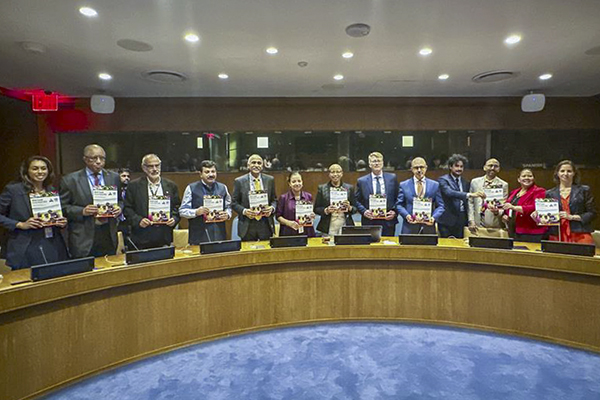
As global progress toward the Sustainable Development Goals (SDGs) faces mounting crosscutting challenges, the IBSA Fund is emerging as a beacon of what solidarity among developing countries can achieve. At the 2025 High-Level Political Forum (HLPF), leaders and partners from across the Global South gathered to spotlight the IBSA Fund’s unique model of South-South cooperation – one that delivers concrete, community-driven development results through mutual respect, shared purpose, and country ownership.
At an HLPF side event, the IBSA Facility for Poverty and Hunger Alleviation (IBSA Fund) was heralded as a flagship South-South cooperation platform driving tangible progress toward achievement of the Sustainable Development Goals (SDGs).
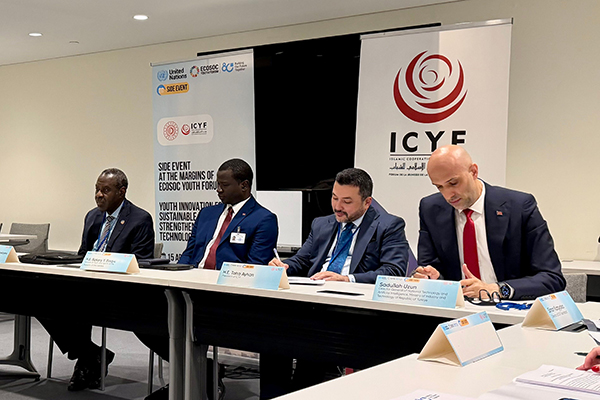
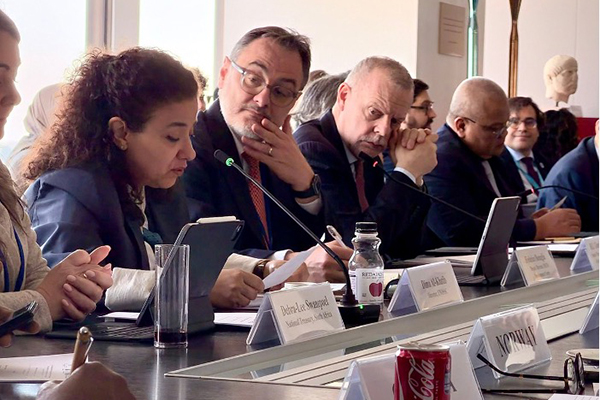
Titled “The IBSA Fund – A Partnership for Sustainable Development”, the event brought together senior officials from IBSA Member States, partner countries, and the United Nations system to spotlight South-South cooperation’s transformative development impact.
Co-organized by the Permanent Mission of South Africa to the UN and the United Nations Office for South-South Cooperation (UNOSSC) – in partnership with India, Brazil, and partnering countries – the forum underscored how solidarity across the Global South is translating into results on the ground.
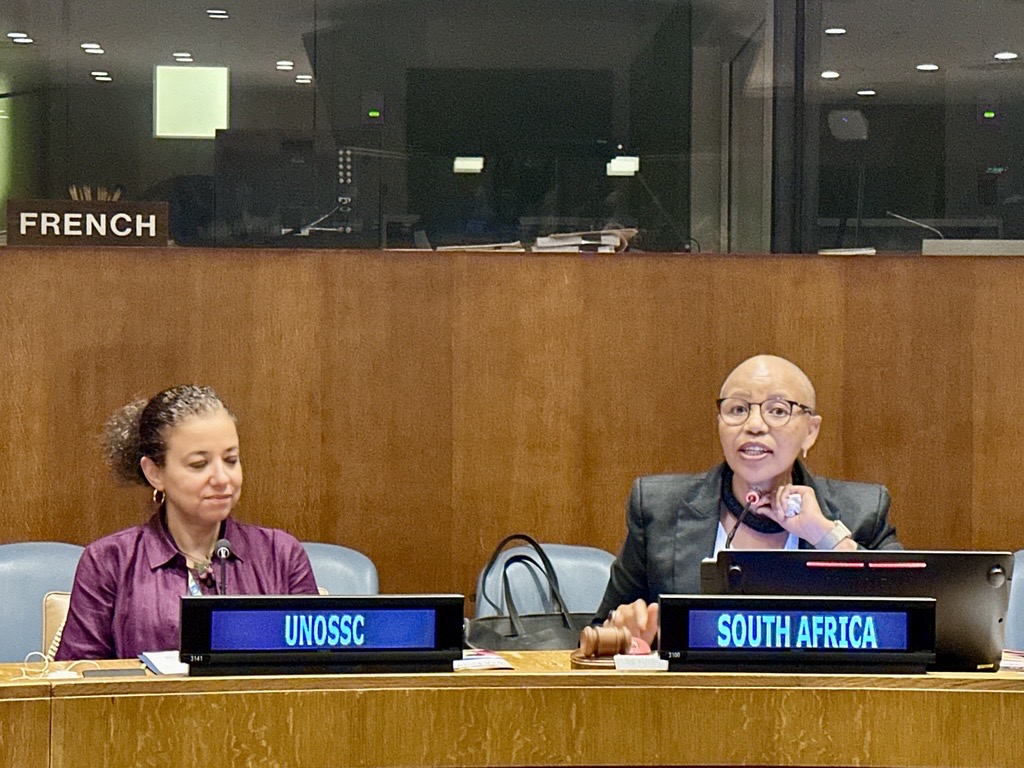 Ambassador Mathu Joyini, Permanent Representative of South Africa to the United Nations, expressed pride in co-hosting the HLPF 2025 event highlighting the IBSA Fund, describing it as a practical demonstration of South-South solidarity in action. She reaffirmed South Africa’s steadfast commitment to South-led partnerships that prioritize capacity-building, uphold dignity, and deliver meaningful results for communities across the Global South.
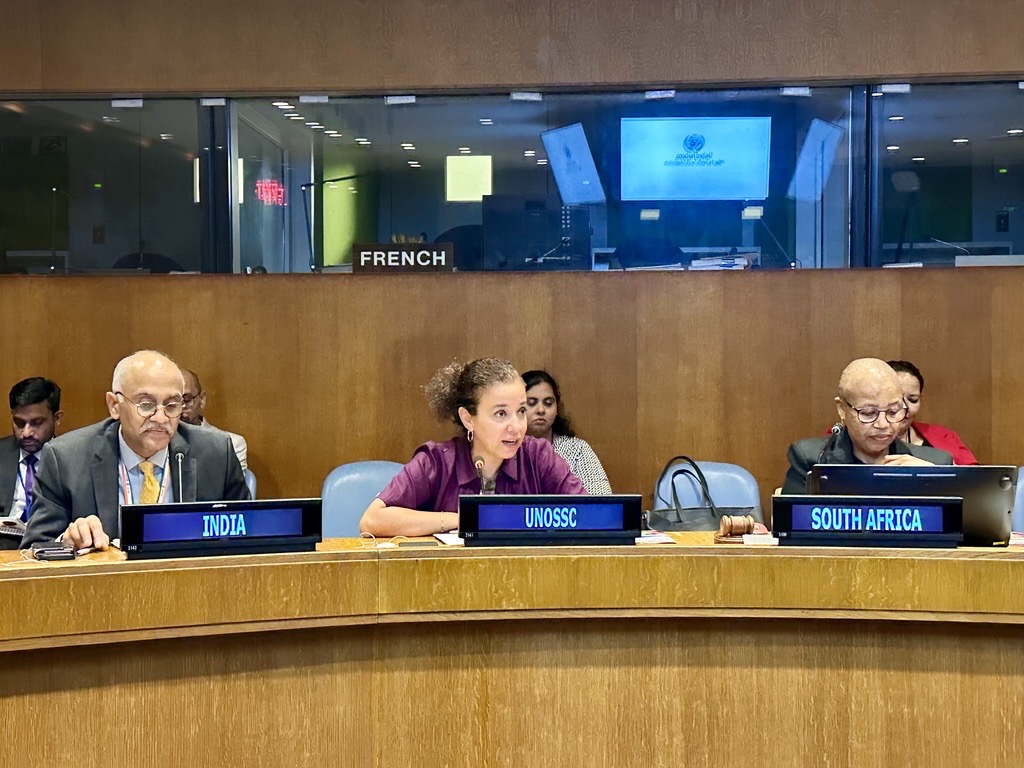 “The IBSA Fund is a living example of South-South solidarity in action – rooted in equality, mutual benefit, and shared ambition,” said Dima Al-Khatib, UNOSSC Director. “Through non-prescriptive, demand-driven cooperation, the Fund translates the spirit of partnership into tangible, scalable solutions that are owned and led by countries of the Global South. From empowering women farmers in Uganda to boosting youth employment in Lesotho, IBSA projects are showing what development led by developing countries can achieve.”
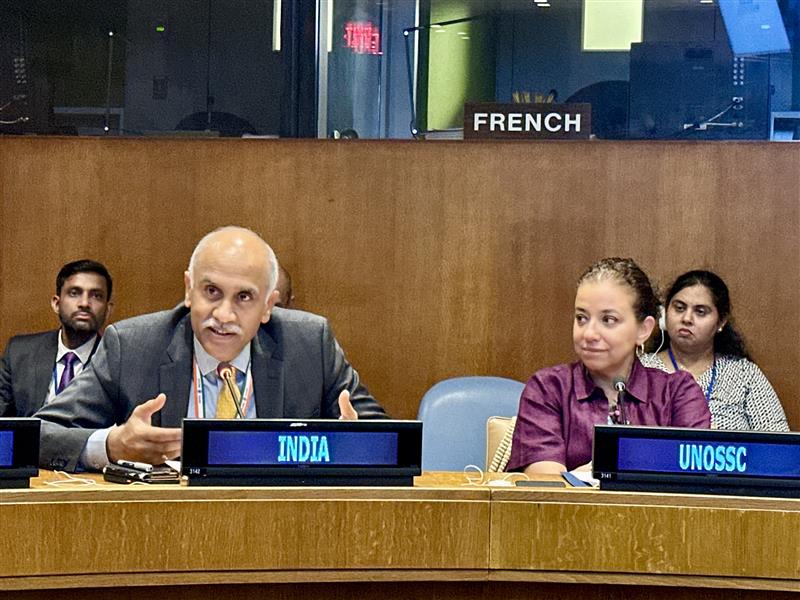 H.E. Parvathaneni Harish, Permanent Representative of India to the United Nations, reaffirmed India’s strong commitment to the IBSA Fund, emphasizing that it is grounded in the shared South-South principles of equity, mutual respect, and solidarity. He highlighted the importance of celebrating IBSA-supported projects that are not only empowering communities on the ground but also making measurable contributions toward achieving the Sustainable Development Goals.
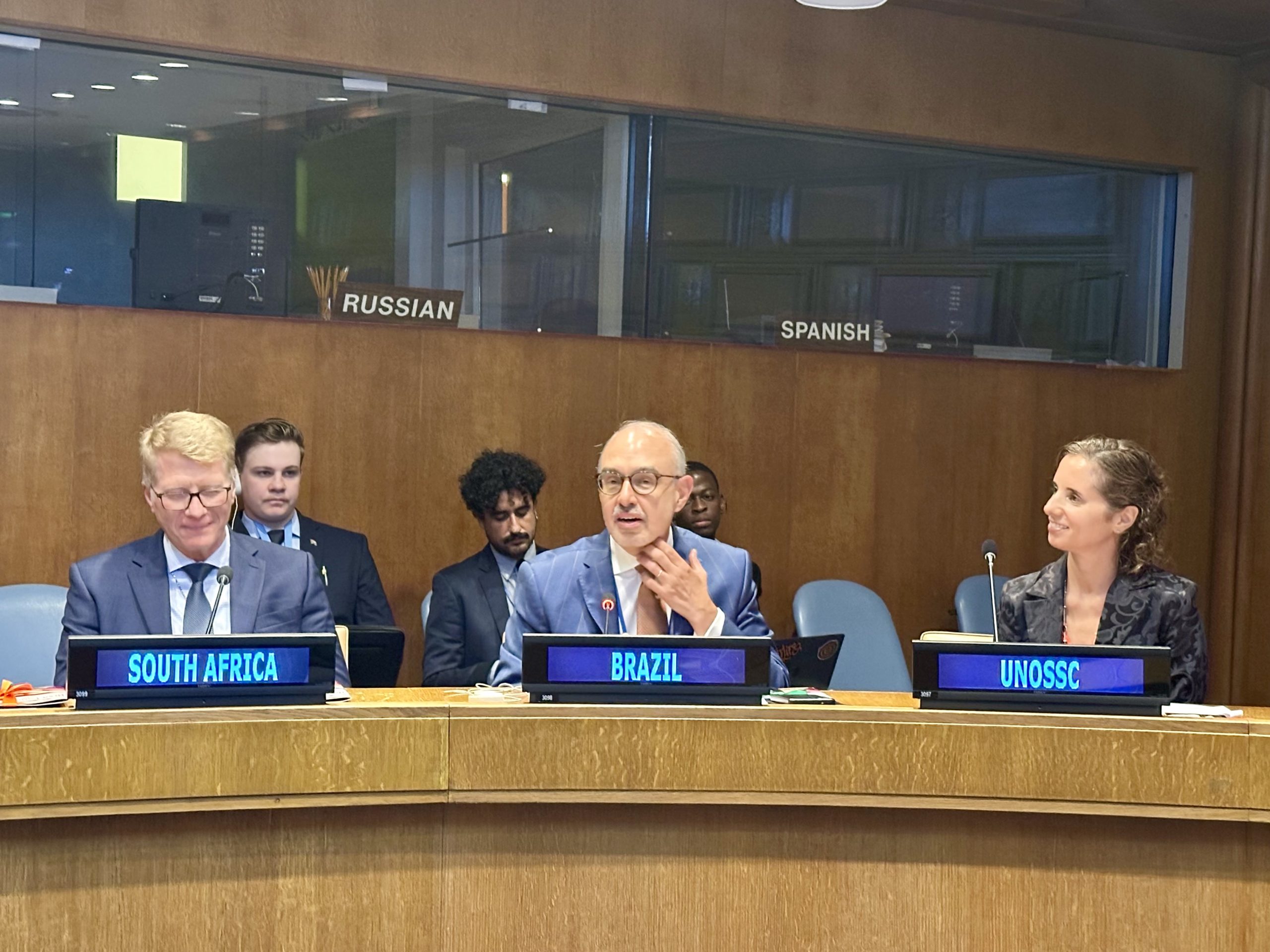 H.E. Norberto Moretti, Deputy Permanent Representative of Brazil to the United Nations, emphasized that the IBSA Fund represents more than just development finance – it stands as a symbol of transformative cooperation. He expressed Brazil’s pride in partnering with India and South Africa through the Fund to support inclusive, demand-driven South-South initiatives that prioritize national ownership and lasting impact.
Panelists highlighted that with the world midway to 2030 and many SDGs off-track, the IBSA Fund offers a “compelling case” of cooperation rooted in mutual respect and shared purpose, proving that collective action by the Global South is delivering “inclusive, effective, and sustainable” solutions at scale.
A key highlight of the event was the launch of the IBSA Fund 2024 Annual Report, which showcases the Fund’s achievements over the past year, detailing its expanding portfolio, project outcomes, and contributions to SDGs under review. It also features the tangible human impact of IBSA-supported initiatives.
Spearheaded by India, Brazil and South Africa, jointly with UNOSSC, the IBSA Fund supports demand-driven development projects in developing nations. Each IBSA partner contributes US$1 million annually to the Fund, which is managed by UNOSSC as its secretariat, and implemented by the UN System at the country level.
The IBSA Fund focuses on replicable and scalable projects that align with recipient countries’ own priorities, serving as models for combating poverty and hunger through national ownership and cooperation. Over nearly two decades, the IBSA Fund has disbursed more than $54 million and supported 48 projects across 39 countries, translating the principle of solidarity into concrete action. Focused on poverty and hunger, these projects address cross-cutting issues including health, education, livelihoods and gender equality – directly contributing to multiple SDGs.
As the session concluded, the collaborative spirit exemplified by the IBSA Fund – three nations united for one world – resonated as a powerful reminder that achieving the SDGs will require solidarity and shared responsibility.
H.E. Norberto Moretti, Deputy Permanent Representative of Brazil to the United Nations, emphasized that the IBSA Fund represents more than just development finance – it stands as a symbol of transformative cooperation. He expressed Brazil’s pride in partnering with India and South Africa through the Fund to support inclusive, demand-driven South-South initiatives that prioritize national ownership and lasting impact.
Panelists highlighted that with the world midway to 2030 and many SDGs off-track, the IBSA Fund offers a “compelling case” of cooperation rooted in mutual respect and shared purpose, proving that collective action by the Global South is delivering “inclusive, effective, and sustainable” solutions at scale.
A key highlight of the event was the launch of the IBSA Fund 2024 Annual Report, which showcases the Fund’s achievements over the past year, detailing its expanding portfolio, project outcomes, and contributions to SDGs under review. It also features the tangible human impact of IBSA-supported initiatives.
Spearheaded by India, Brazil and South Africa, jointly with UNOSSC, the IBSA Fund supports demand-driven development projects in developing nations. Each IBSA partner contributes US$1 million annually to the Fund, which is managed by UNOSSC as its secretariat, and implemented by the UN System at the country level.
The IBSA Fund focuses on replicable and scalable projects that align with recipient countries’ own priorities, serving as models for combating poverty and hunger through national ownership and cooperation. Over nearly two decades, the IBSA Fund has disbursed more than $54 million and supported 48 projects across 39 countries, translating the principle of solidarity into concrete action. Focused on poverty and hunger, these projects address cross-cutting issues including health, education, livelihoods and gender equality – directly contributing to multiple SDGs.
As the session concluded, the collaborative spirit exemplified by the IBSA Fund – three nations united for one world – resonated as a powerful reminder that achieving the SDGs will require solidarity and shared responsibility.
Ambassador Mathu Joyini, Permanent Representative of South Africa to the United Nations, expressed pride in co-hosting the HLPF 2025 event highlighting the IBSA Fund, describing it as a practical demonstration of South-South solidarity in action. She reaffirmed South Africa’s steadfast commitment to South-led partnerships that prioritize capacity-building, uphold dignity, and deliver meaningful results for communities across the Global South.
“The IBSA Fund is a living example of South-South solidarity in action – rooted in equality, mutual benefit, and shared ambition,” said Dima Al-Khatib, UNOSSC Director. “Through non-prescriptive, demand-driven cooperation, the Fund translates the spirit of partnership into tangible, scalable solutions that are owned and led by countries of the Global South. From empowering women farmers in Uganda to boosting youth employment in Lesotho, IBSA projects are showing what development led by developing countries can achieve.”
H.E. Parvathaneni Harish, Permanent Representative of India to the United Nations, reaffirmed India’s strong commitment to the IBSA Fund, emphasizing that it is grounded in the shared South-South principles of equity, mutual respect, and solidarity. He highlighted the importance of celebrating IBSA-supported projects that are not only empowering communities on the ground but also making measurable contributions toward achieving the Sustainable Development Goals.
H.E. Norberto Moretti, Deputy Permanent Representative of Brazil to the United Nations, emphasized that the IBSA Fund represents more than just development finance – it stands as a symbol of transformative cooperation. He expressed Brazil’s pride in partnering with India and South Africa through the Fund to support inclusive, demand-driven South-South initiatives that prioritize national ownership and lasting impact.
Panelists highlighted that with the world midway to 2030 and many SDGs off-track, the IBSA Fund offers a “compelling case” of cooperation rooted in mutual respect and shared purpose, proving that collective action by the Global South is delivering “inclusive, effective, and sustainable” solutions at scale.
A key highlight of the event was the launch of the IBSA Fund 2024 Annual Report, which showcases the Fund’s achievements over the past year, detailing its expanding portfolio, project outcomes, and contributions to SDGs under review. It also features the tangible human impact of IBSA-supported initiatives.
Spearheaded by India, Brazil and South Africa, jointly with UNOSSC, the IBSA Fund supports demand-driven development projects in developing nations. Each IBSA partner contributes US$1 million annually to the Fund, which is managed by UNOSSC as its secretariat, and implemented by the UN System at the country level.
The IBSA Fund focuses on replicable and scalable projects that align with recipient countries’ own priorities, serving as models for combating poverty and hunger through national ownership and cooperation. Over nearly two decades, the IBSA Fund has disbursed more than $54 million and supported 48 projects across 39 countries, translating the principle of solidarity into concrete action. Focused on poverty and hunger, these projects address cross-cutting issues including health, education, livelihoods and gender equality – directly contributing to multiple SDGs.
As the session concluded, the collaborative spirit exemplified by the IBSA Fund – three nations united for one world – resonated as a powerful reminder that achieving the SDGs will require solidarity and shared responsibility.