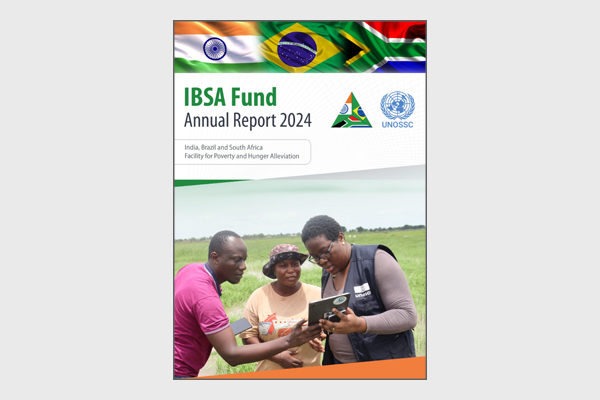
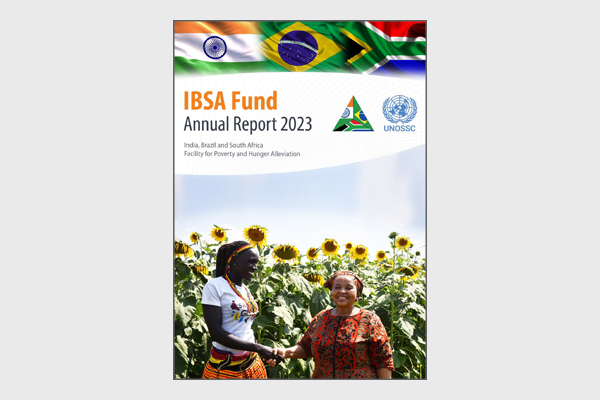
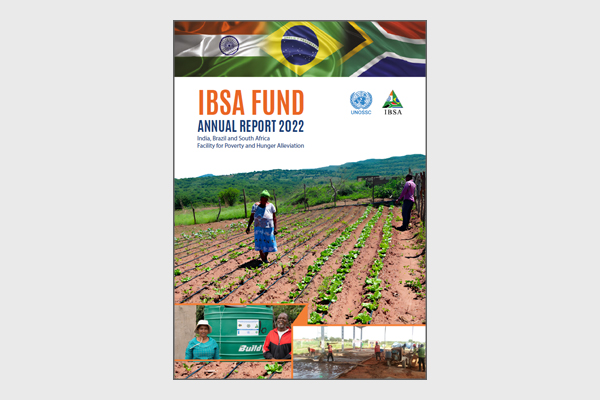
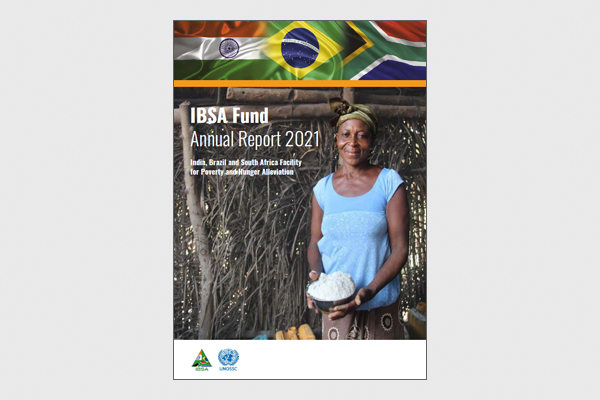
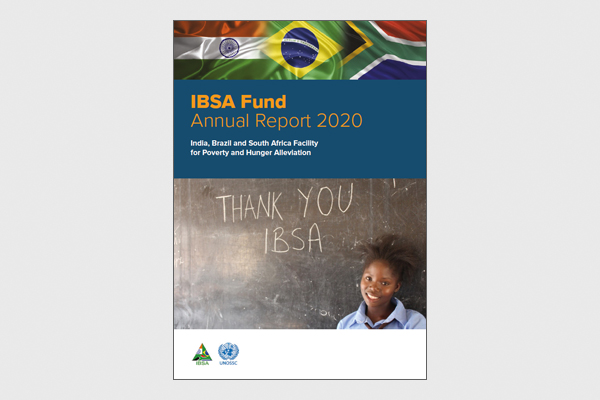
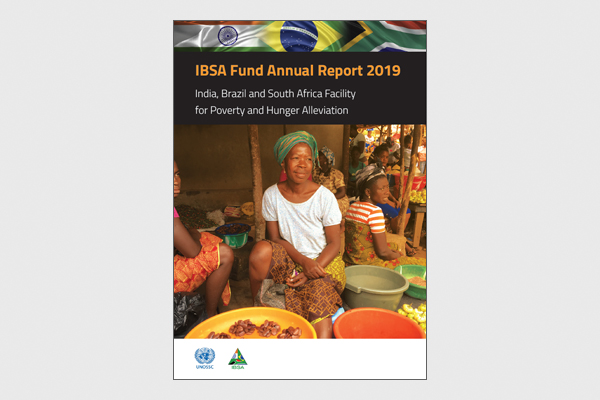
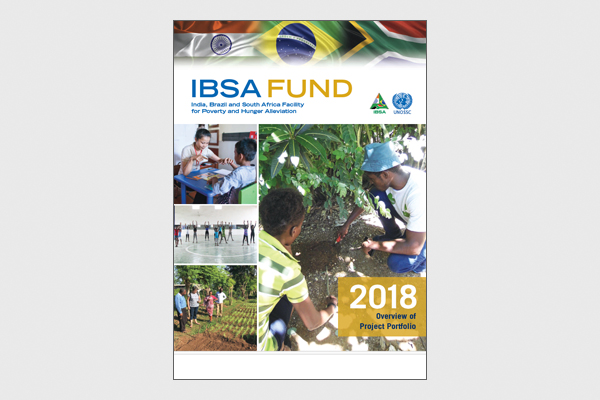
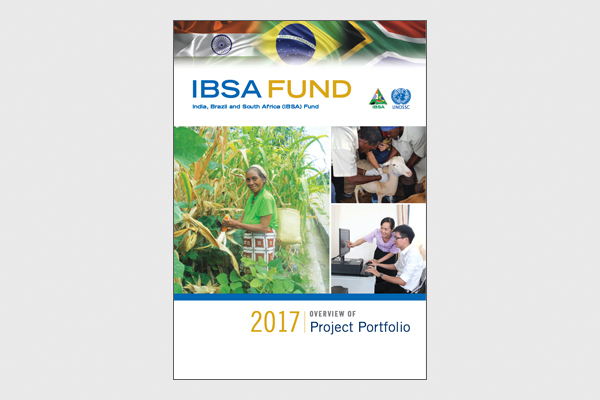
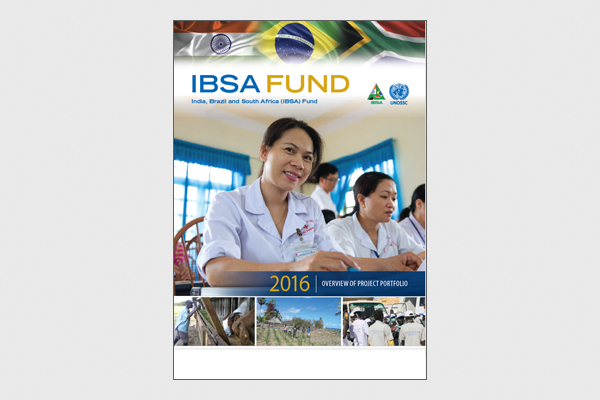
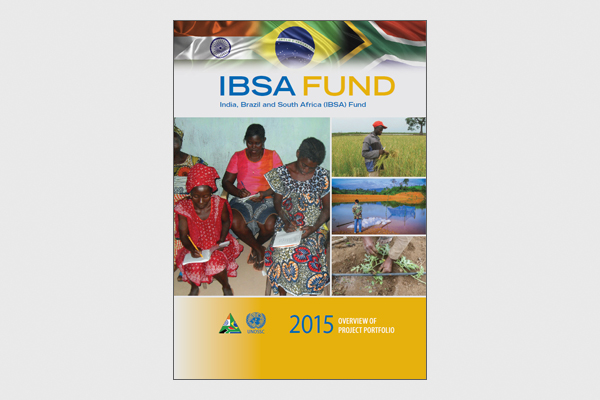
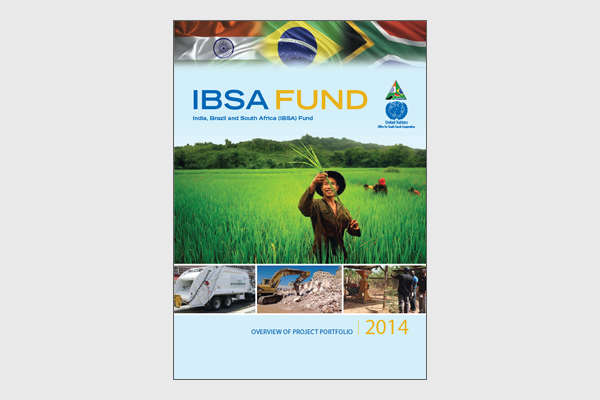
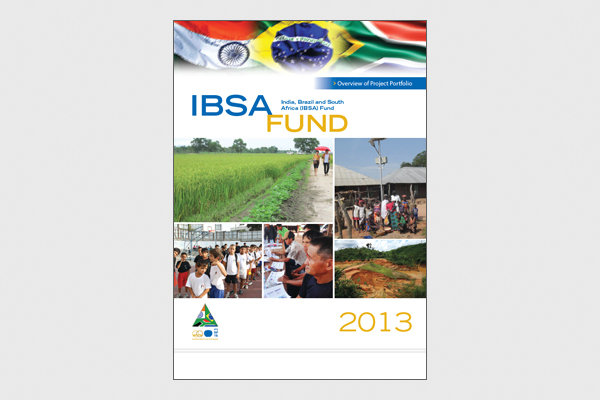
India, Brazil and South Africa Facility for Poverty and Hunger Alleviation (IBSA Fund)

A unique forum which brings together India, Brazil and South Africa – three large democracies, three major economies, three multicultural, multi-ethnic, multilingual and multi-faith countries on three different continents.

Total Allocations
$51.61M
$51,612,507
Expenditure
$40.28M
$40,276,832
Delivery Rate
78.0%
expenditure / budget
Projects
48
48 allocation rows
UN Partners
15
implementing entities
Countries
36
and country groupings

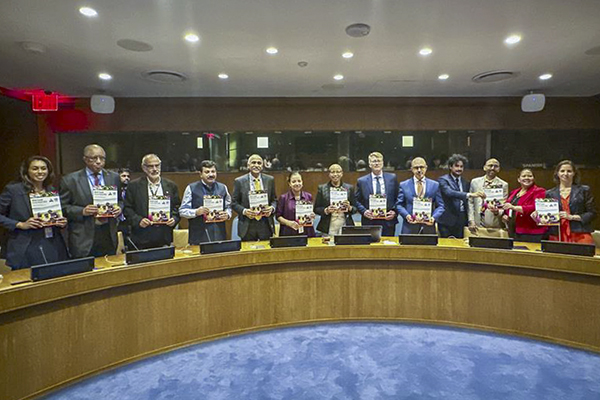
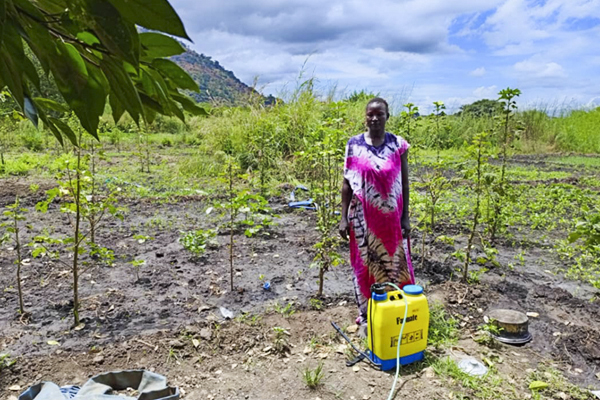
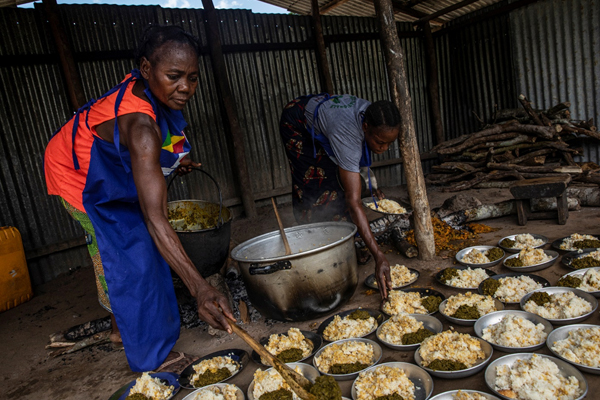
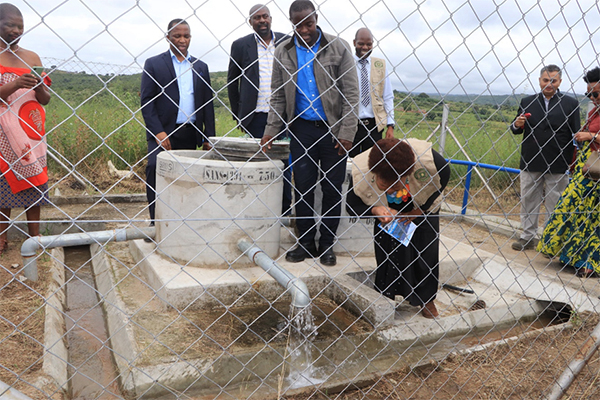
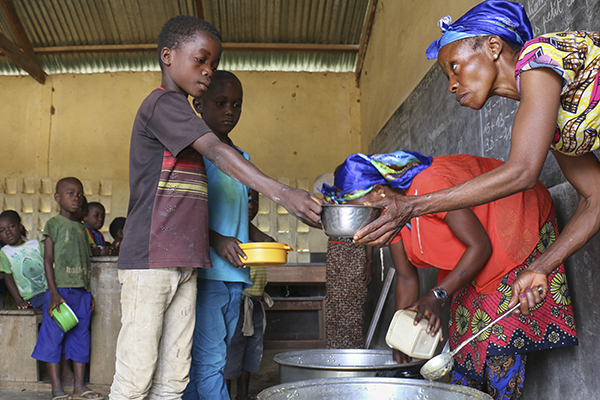
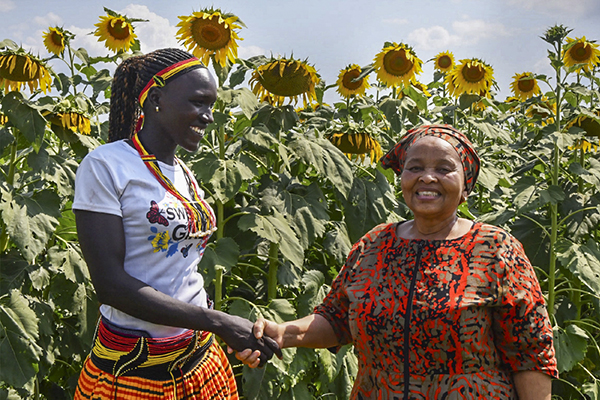
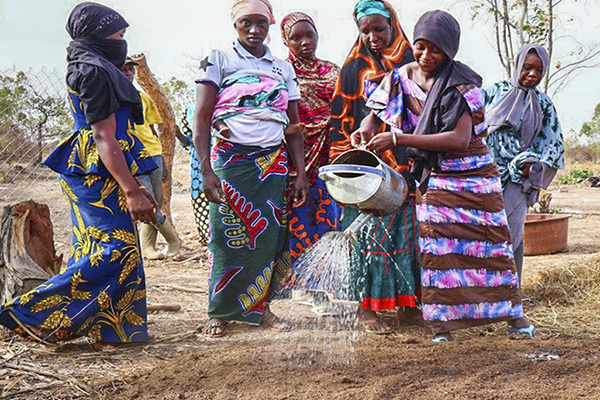
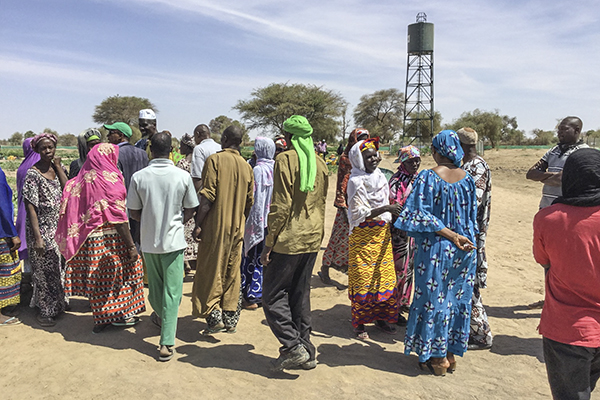
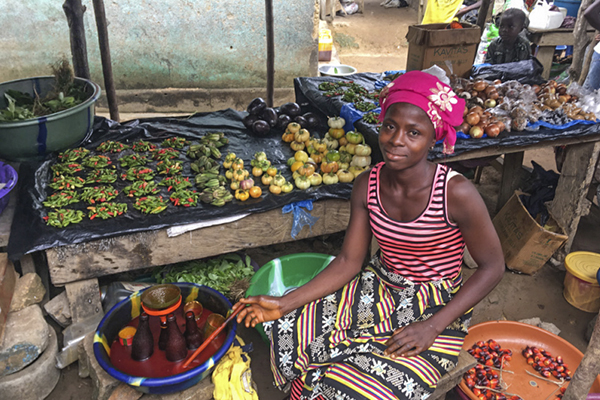
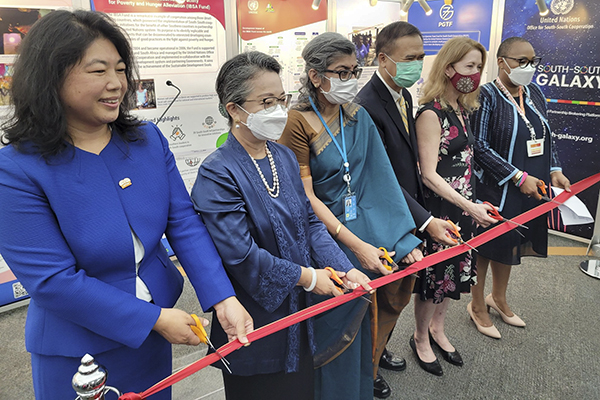
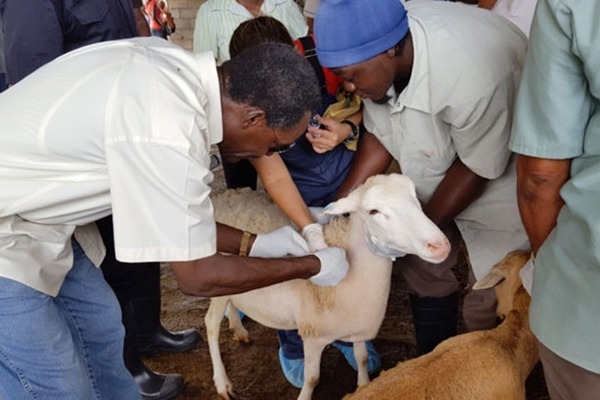
The IBSA Fund is a remarkable example of cooperation among three developing countries, which pioneered the implementation of South-South cooperation initiatives for the benefit of other Southern countries in partnership with the United Nations system. The purpose of the Fund is to identify replicable and scalable projects that can be disseminated to interested developing countries as examples of good practices in the fight against poverty and hunger.The fund, which was established in 2004 and became operational in 2006, supports projects on a demand-driven basis through partnerships with local governments, national institutions and implementing partners. The projects that it supports are concrete expressions of solidarity for the benefit of the most vulnerable and marginalized people, with the objectives of promoting food security, addressing HIV/AIDS, extending access to safe drinking water, and promoting quality education and gender equality, all with the aim of contributing to the achievement of the Sustainable Development Goals (SDGs).

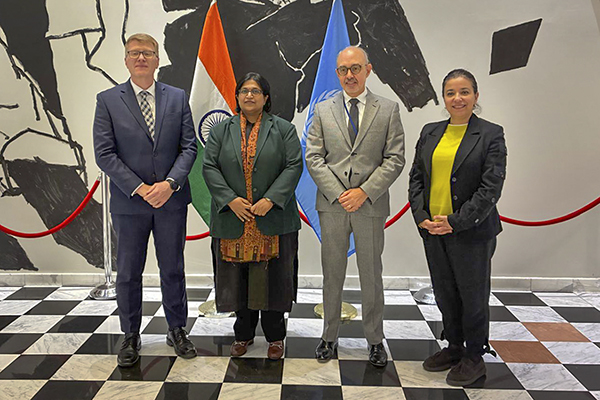
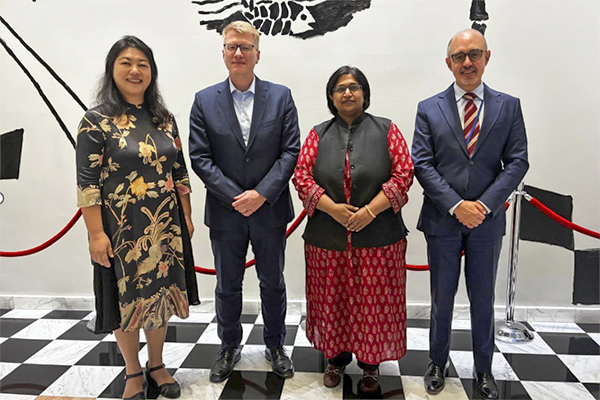
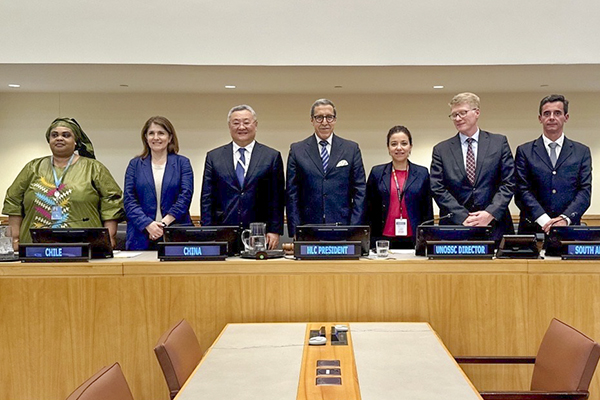
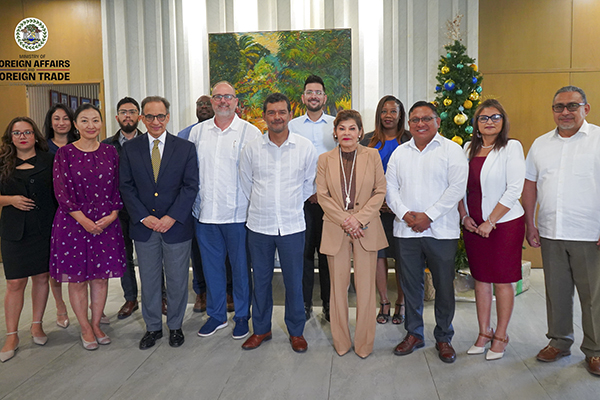
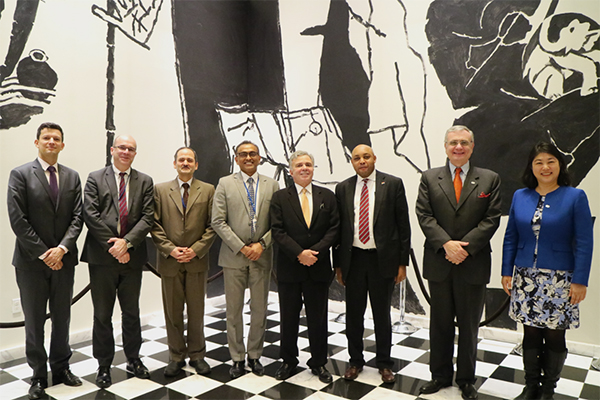
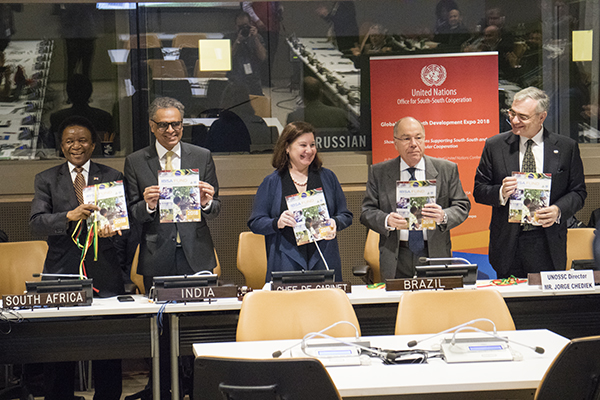
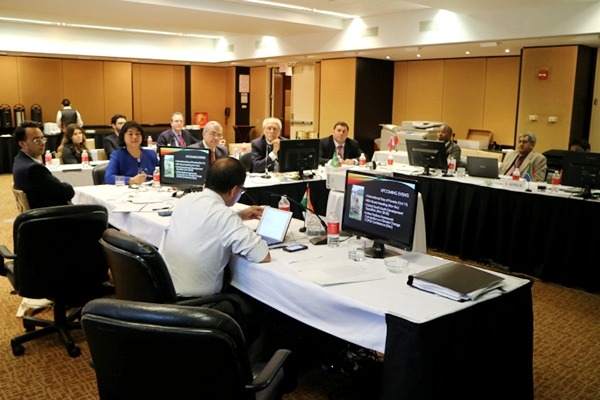
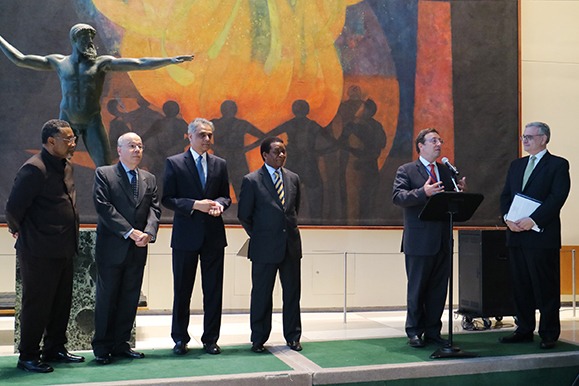
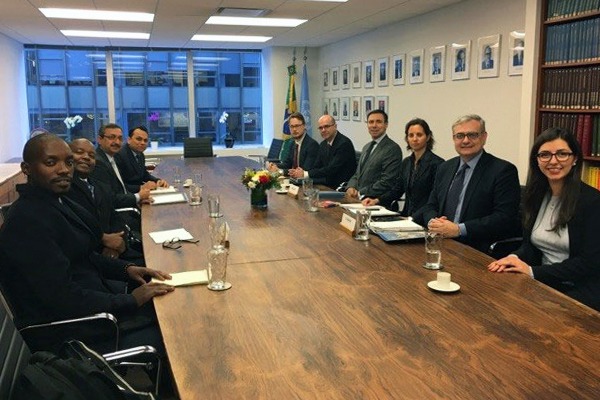
The Board of Directors of the IBSA Fund is composed of the Deputy Permanent Representatives of India, Brazil and South Africa to the United Nations in New York. The Board approves summary proposals and detailed projects and continuously provides strategic direction to IBSA projects to ensure their successful implementation through strong South-South partnerships.

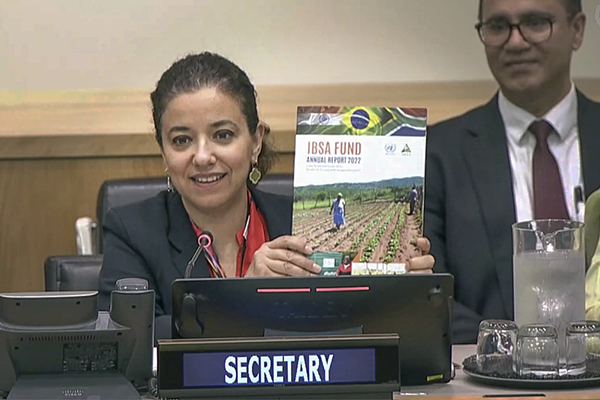
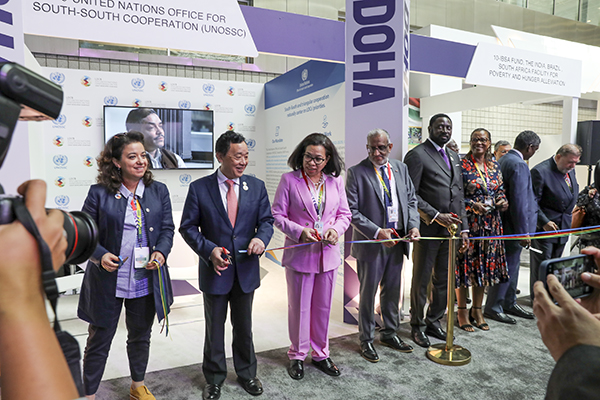
The United Nations Office for South-South Cooperation (UNOSSC) is the Fund Manager and secretariat of the IBSA Fund, supporting its Board of Directors as it establishes the strategic vision and programmatic activities of the Fund. The UNOSSC Trust Fund Management Team, working closely with the IBSA Fund experts and partners, provides monitoring, quality assurance and knowledge-management and communications across the IBSA Fund projects.

Financial overview

Cumulative Budget & Expenditure

By project start year

View as table
Year Cumulative Budget Cumulative Expenditure
2017 $1,412,549 $1,387,198
2018 $8,701,717 $8,568,568
2019 $22,288,273 $21,650,949
2020 $36,147,189 $35,051,958
2021 $45,544,885 $43,403,299
2022 $46,544,885 $44,335,039
2023 $55,468,029 $49,481,430
2024 $58,668,029 $49,691,124
2025 $65,430,979 $49,691,124

Budget by Funding Window

Share of total allocations

View as table
Window budget Budget
1- General window $34,163,703
2- Commonwealth Window $31,462,169

Expenditure by Funding Window

Share of total expenditure

View as table
Window expenditure Budget
1- General window $26,195,229
2- Commonwealth Window $23,673,616

Portfolio breakdown

By SDG

Primary SDG per project

View as table
Sdg Budget Expenditure
1 $16,188,653 $11,462,830
2 $12,352,124 $10,875,871
3 $12,486,537 $10,565,844
4 $3,902,028 $3,691,239
5 $2,000,000 $949,550
6 $2,086,860 $1,131,752
7 $1,596,305 $597,816
16 $1,000,000 $1,001,930

By Region

Budget and expenditure

View as table
Region Budget Expenditure
Africa $29,039,103 $20,248,026
LAC $9,072,371 $7,645,436
Asia & the Pacific $7,541,333 $7,288,712
Arab States $5,959,700 $5,094,658

By Implementing Partner

UN entities

View as table
Partner Budget Expenditure
UNDP $32,992,707 $25,080,631
FAO $4,249,409 $3,293,852
UN Women $1,992,250 $990,557
IFAD $1,714,680 $1,710,674
ILO $1,601,657 $1,591,137
UNFPA $1,145,630 $1,145,630
Caritas $1,069,721 $1,069,290
UNESCO $1,000,000 $503,140
UNCDF $1,000,000 $986,658
WFP $996,450 $857,263
WHO $990,000 $989,324
UNICEF $974,700 $292,531
UNV $961,200 $925,012
IOM $648,578 $579,030
UNOPS $275,525 $262,104

Projects

Projects for IBSA, with budget and expenditure in US dollars.
Country Project Partner Region SDG Budget Expenditure Delivery Status
HaitiCollection of Solid Waste as a Tool to Reduce Violence (Phases l and ll)UNDPLAC1$2,843,429$2,713,04095%Completed
Benin, Democratic Republic of Congo, Mali Niger, Senegal, South Sudan, Sudan, Togo, Tuvalu, UgandaTen countries: Scaling Solar Applications for Agricultural UseUNDPAfrica1$2,000,000$283,04014%Ongoing
ComorosEnhancing Agricultural Capacity in the Union of ComorosUNDPAfrica2$1,748,152$1,745,169100%Completed
ZambiaLeveraging Zambia's Agro Industry Potential in Rural Areas through Enhanced Soya Beans Production and Processing - ZambiaIFADAfrica1$1,714,680$1,710,674100%Completed
Cabo VerdeDelivering Safe Drinking WaterUNDPAfrica2$1,712,000$1,714,300100%Completed
State of PalestineRehabilitation of the Cultural and Hospital Centre (Phases I and II)UNDPArab States3$1,644,700$1,644,680100%Completed
HaitiPromote the Socioeconomic Integration of Vulnerable Children and YouthILOLAC1$1,601,657$1,591,13799%Completed
Guinea-BissauSupport for Lowland Rehabilitation and for Agricultural and Livestock ProcessingUNDPAfrica1$1,550,000$1,596,910103%Completed
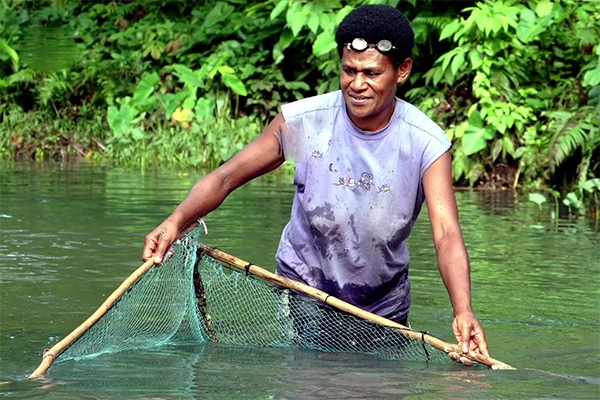
Timor-LesteConservation Agriculture, Permaculture and Sustainable Fisheries ManagementFAOAsia & the Pacific2$1,428,772$1,377,73896%Completed
Lao People's Democratic RepublicSupport to Integrated Irrigated Agriculture in Two Districts in BolikhamxayUNDPAsia & the Pacific2$1,323,000$1,300,66098%Completed
SudanCreation of Job Opportunities for Youth in Sudan through Labour-intensive Work OpportunitiesUNDPAfrica4$1,300,000$1,196,64092%Completed
Saint LuciaPoverty Reduction through Livestock Development FAOLAC3$1,291,100$1,098,86085%Completed
State of PalestineConstruction and Equipping of a Centre for Persons with Severe Intellectual DisabilitiesUNDPArab States3$1,250,000$1,244,880100%Completed
BurundiStrengthening Infrastructure and Capacity to Combat HIV/AIDSUNFPAAfrica3$1,145,630$1,145,630100%Completed
GuyanaSolid Waste Management Improvement ProjectUNDPLAC6$1,093,260$1,100,710101%Completed
CambodiaEmpowering Children and Adolescents with Special Needs and Their FamiliesCaritasAsia & the Pacific3$1,069,721$1,069,290100%Completed
State of PalestineSupporting Programme Opportunities in Recreational and Team SportsUNDPArab States3$1,065,000$1,061,220100%Completed
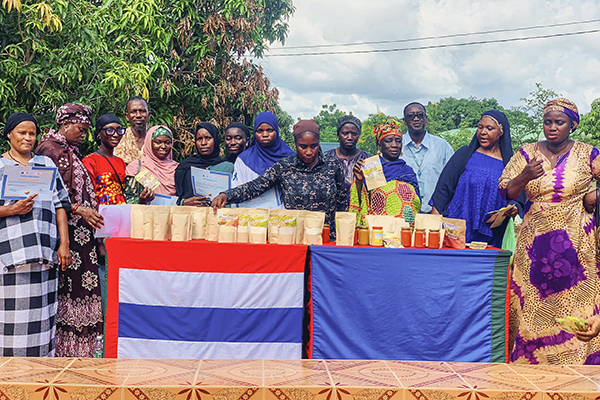
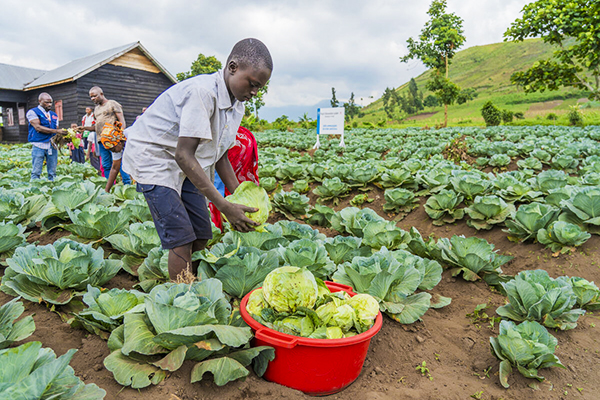
The GambiaEnhanced vegetable production and processing project for the rural youth and women in the Gambia 2022-2024FAOAfrica2$1,000,000$322,65432%Ongoing
BelizeRural Electrification using Microgrids in Southern BelizeUNDPLAC7$1,000,000$14,2161%Ongoing
State of PalestineReconstruction of Atta Habib Medical Centre in Gaza CityUNDPArab States3$1,000,000$999,570100%Completed
State of PalestineInvestment in Agri-business development / MubadrtiUNDPArab States1$1,000,000$144,30814%Ongoing
UgandaKaramoja greenbelts’ women-led large-scale farming of cereals, legumes, and oilseedUNDPAfrica2$1,000,000$944,35394%Completed
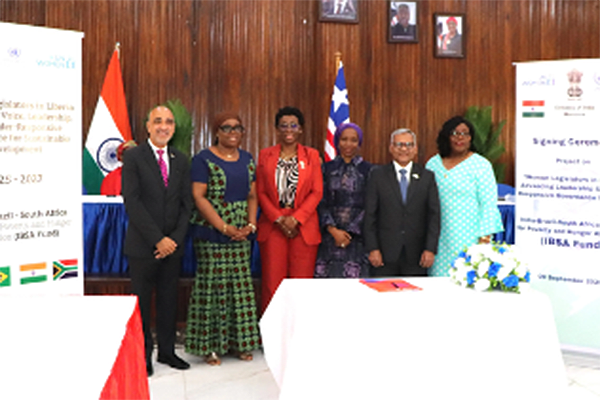
LiberiaWomen Legislators in Liberia Promoting Voice, Leadership, and Gender-Responsive Governance for Sustainable DevelopmentUN WomenAfrica5$1,000,000$00%Ongoing
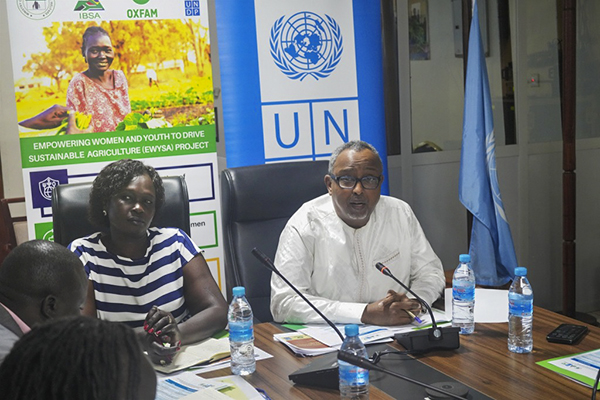
South SudanEmpowering Women and Youth to Drive Sustainable AgricultureUNDPAfrica3$1,000,000$93,0529%Ongoing
Sierra LeoneLeadership Development and Capacity-building for Human Development and Poverty ReductionUNDPAfrica16$1,000,000$1,001,930100%Completed
Sierra LeoneDigital Financial Services in Sierra LeoneUNCDFAfrica1$1,000,000$986,65899%Completed
SenegalRestoration and monitoring of degraded land in the groundnut basin of the Saloum Delta in SenegalUNESCOAfrica2$1,000,000$503,14050%Ongoing
MaliCommunity farms resilient to climate change and women's empowerment in the Baguineda Irrigated Area Office (OPIB) zoneUNDPAfrica1$1,000,000$213,37921%Ongoing
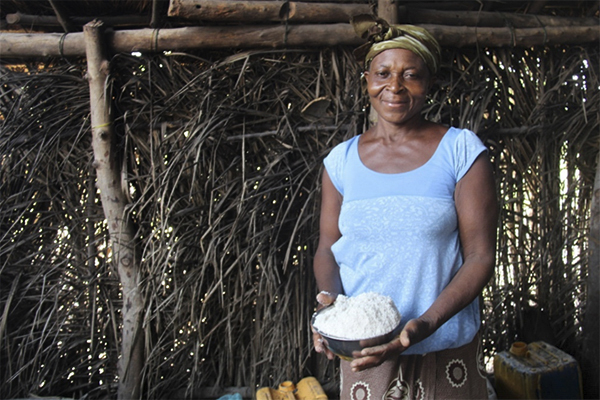
BeninPromotion of local salt project PROSELUNDPAfrica5$1,000,000$949,55095%Completed
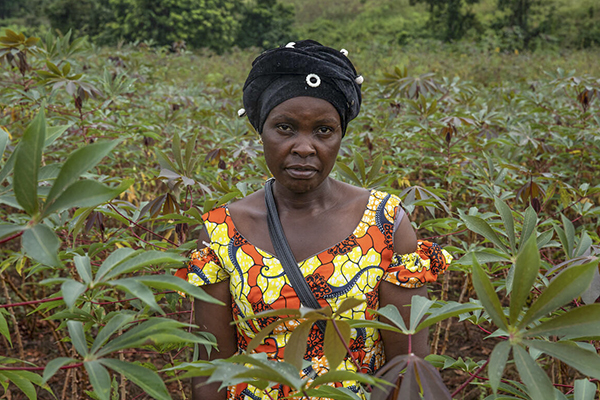
GabonEmpowering Youth and Women-led SMEs to Revitalize the Cassava Value ChainUNDPAfrica1$1,000,000$00%Ongoing
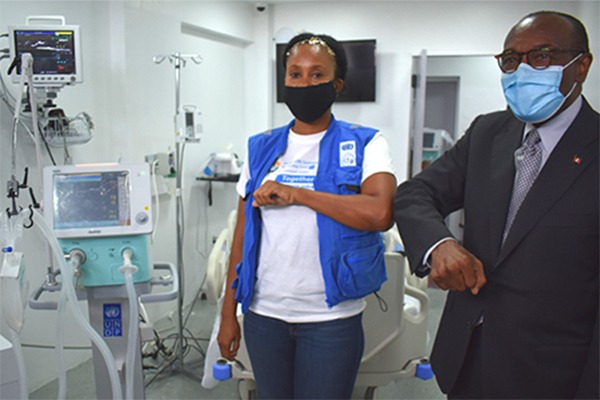
EswatiniAddressing Water, Health and Poverty Nexus through WASH initiatives for COVID-19 and Climate Change responses in EswatiniUNDPAfrica1$999,350$814,71482%Completed
Republic of the CongoEnhancing Family Farmers’ Access to Local Markets in the Republic of Congo through South-South CooperationWFPAfrica2$996,450$857,26386%Ongoing
MozambiqueResilient multifunctional water supply systems for Machubo Administrative Post - Marracuene DistrictUNDPAfrica6$993,600$31,0423%Ongoing
Malawi and ZambiaEnding Child Marriage in Malawi and ZambiaUN WomenAfrica4$992,250$990,557100%Completed
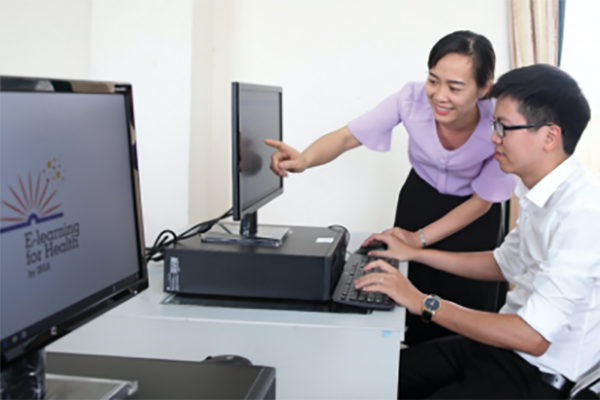
Viet namAn Innovative e-Learning Approach for HealthWHOAsia & the Pacific3$990,000$989,324100%Completed
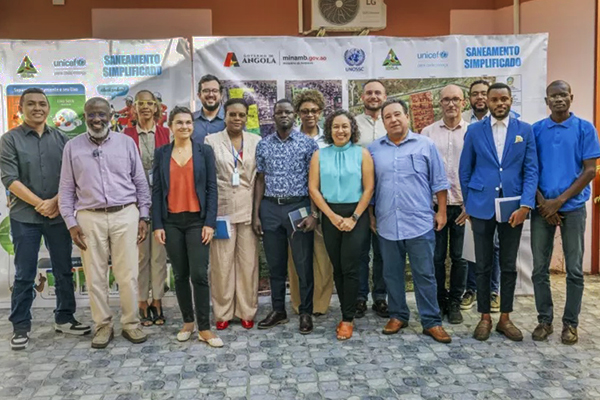
AngolaImprovement of WASH in Angola through Trilateral South-South CooperationUNICEFAfrica3$974,700$292,53130%Ongoing
CambodiaPoverty reduction among youth in Cambodia - Development of youth volunteers’ skill sets for increased employabilityUNVAsia & the Pacific4$961,200$925,01296%Completed
LesothoAlleviating Poverty through Expansion of Deciduous Fruit Production in LesothoUNDPAfrica1$950,000$914,37296%Completed
Guinea-BissauAgricultural Development and Services to Rural Communities (Project II)UNDPAfrica2$830,000$821,05099%Completed
GrenadaGrenada National Health Insurance Programme Support Project UNDPLAC3$742,925$627,63384%Completed
PalauRehabilitation of a High School Teacher's Training Center in the Republic of PalauIOMAsia & the Pacific4$648,578$579,03089%Ongoing
Guinea-BissauRural Electrification through Solar Energy SystemsUNDPAfrica7$596,305$583,60098%Completed
Viet namEstablishment of a Rice-seed Production Hub in Hoa TienFAOAsia & the Pacific1$529,537$494,60093%Completed
Bolivia (Plurinational State of)Increased Access to Water, Improved Livestock Production and Post-drought Food Security - BOLIVIAUNDPLAC2$500,000$499,840100%Completed
Guinea-BissauDevelopment of Agriculture and Small-animal Herding (Project I)UNDPAfrica2$498,750$498,750100%Completed
KiribatiEnhancing inclusive sustainable economic development through Coconut Sector Development -KiribatiUNDPAsia & the Pacific2$315,000$290,95492%Completed
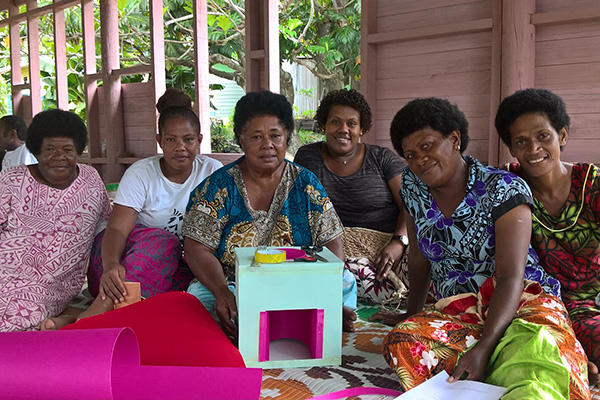
FijiEmpowering Rural Women in Fiji – Upscaling of Rocket Stove ProjectUNOPSAsia & the Pacific3$275,525$262,10495%Completed
Cabo VerdeRefurbishment of Health-care Infrastructure (Small Grant Project)UNDPAfrica3$37,236$37,070100%Completed

Stories

View All

Procedure and criteria for applying to the Fund

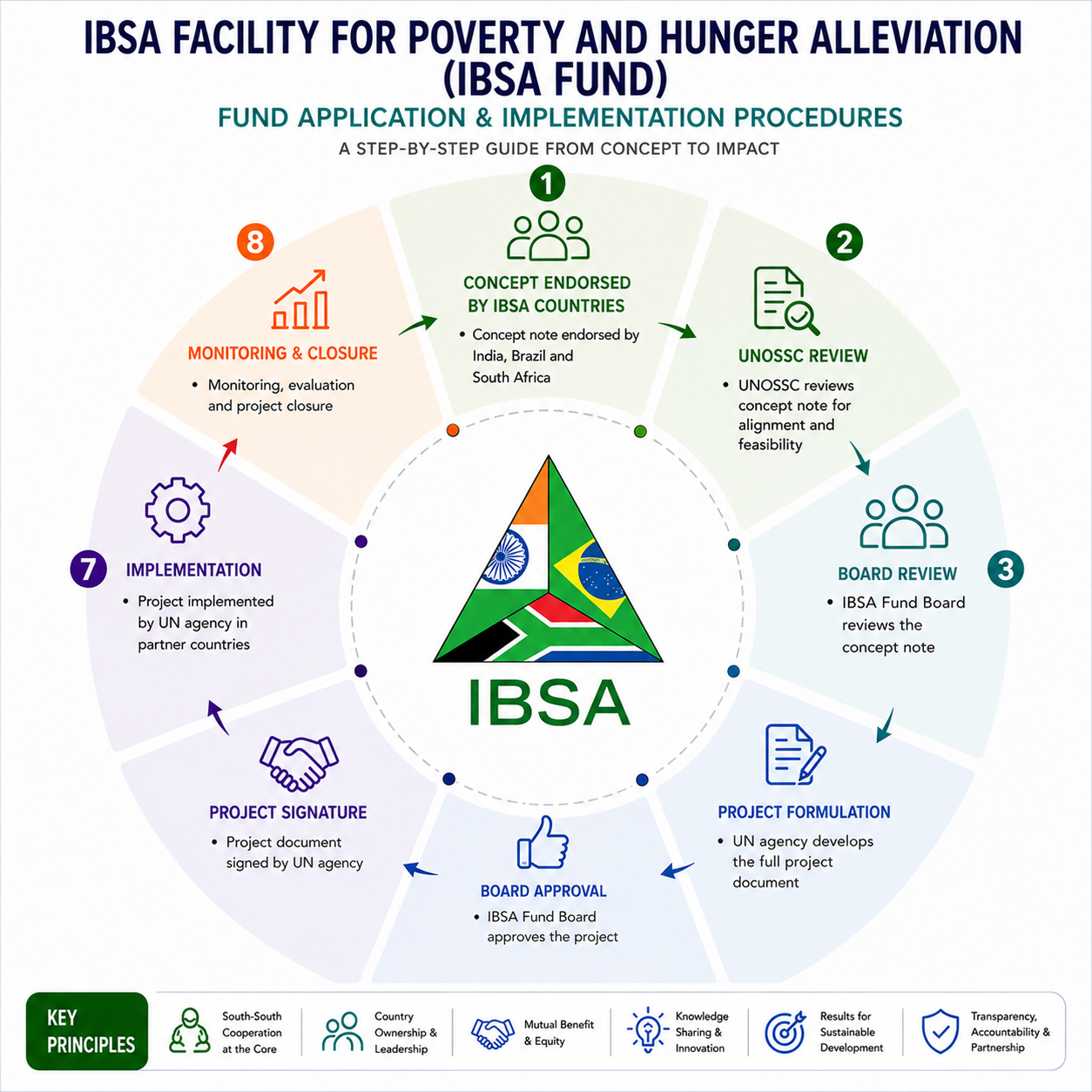
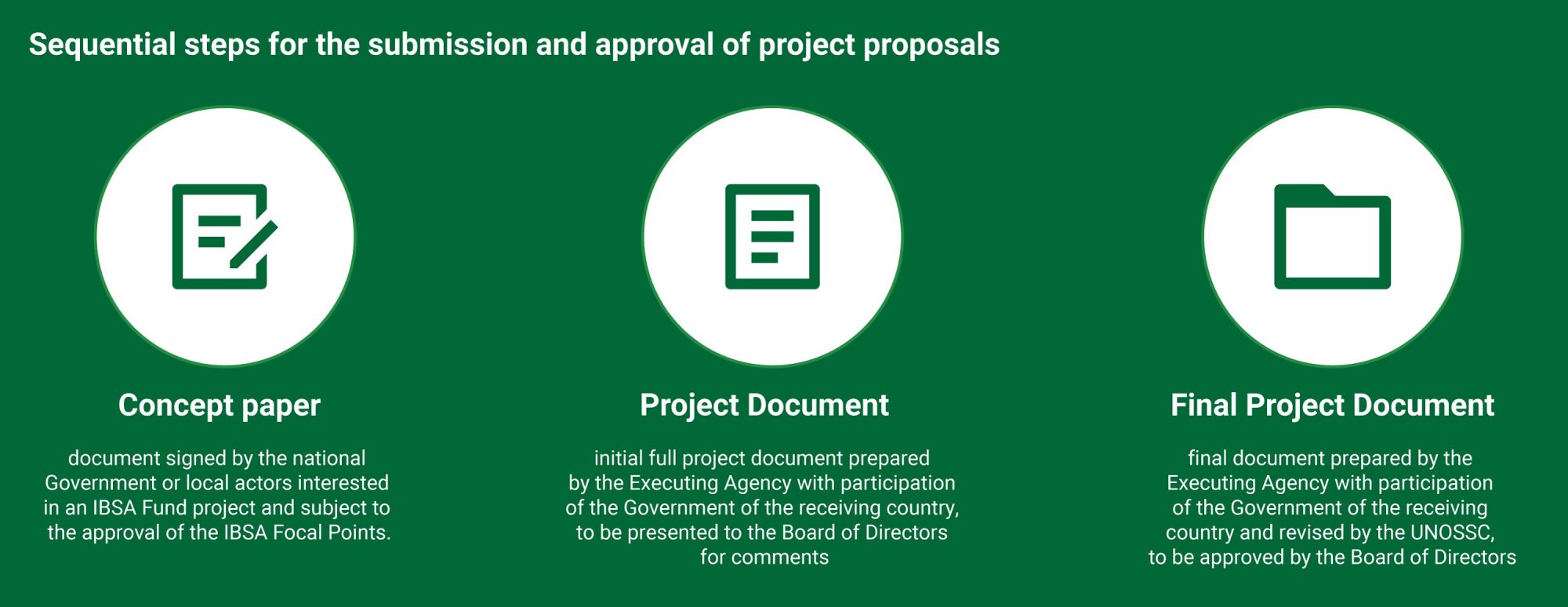
The IBSA Trust Fund operates through a Government-to-Government demand driven approach.

Interested governments may approach the IBSA diplomatic missions at their capitals or United Nations Headquarters in New York with a concept-note outline of the project that they wish to submit. Said IBSA missions will, in turn, forward eligible submitted proposals to the IBSA Focal Points at IBSA capitals for their consideration.

more about how to apply...

The project proposals receiving sponsorship from at least one IBSA Focal Point at a capital are presented to the IBSA Fund Board of Directors for its consideration.

UNOSSC informs the respective United Nations Resident Coordinator of approved proposals. The Resident Coordinator then facilitates the nomination of a United Nations agency implementing partner (unless it has been previously identified) and convenes the Government and other relevant stakeholders to advance project formulation.

Criteria for evaluating IBSA Fund project proposals

1. Reduction of poverty and hunger: The IBSA Fund would support developing countries in their efforts to reduce poverty and hunger.

2. National ownership and leadership: Proposals should be clearly in alignment with the priorities of the country concerned. Regional projects might also be considered.

3. South-South cooperation: The Fund would encourage mutual exchange of experiences and cooperation between developing countries, in particular good practices in reducing poverty and hunger.

4. Use of IBSA country capacities: The Fund particularly encourages the use and the transfer of capacities and expertise available in IBSA countries.

5. Strengthening local capacity: The proposal should pay special attention to identifying and strengthening local capacities.

6. Ownership: The Fund gives priority to projects in which national entities in the project countries participate and continue to work in a longer-term perspective.

7. Sustainability: The proposal should indicate how, upon its implementation, sustainable activities will be improved or created to continue in a longer-term perspective.

8. Identifiable impact: The activities supported by the IBSA Fund would have clearly identifiable development impact attributable to the Fund.

9. Replicability: Projects should be replicable and scalable for dissemination in interested developing countries as examples of good practices in the fight against povertyand hunger.

10. Innovation: The Fund would encourage new ways of approaching development issues, with emphasis on the replication of innovative experiences already implemented in other developing countries, in particular experiences in the IBSA countries.

11. Time frame: The project proposal should normally cover a period of 12 to 24 months to ensure the achievement of medium-term impact.

12. Project size: The Fund would encourage new ways of approaching development issues, with emphasis on the replication of innovative experiences already implemented in other developing countries, in particular experiences in the IBSA countries.

Contact Information

BOARD OF DIRECTORS

Permanent Mission of Brazil to the United Nations

distri.delbrasonu@itamaraty.gov.br

Permanent Mission of India to the United Nations

india.newyorkpmi@mea.gov.in

Permanent Mission of the Republic of South Africa to the United Nations

pmun.newyork@dirco.gov.za

SECRETARIAT

Ms. Dingding Sun

Programme Specialist (Trust Fund Secretariat)

E-mail: dingding.sun@unossc.org

Mr. Donaldo Lopez

Operations Specialist

E-mail: donaldo.lopez@unossc.org

Connect with UNOSSC

Stay updated with the latest trends in South-South cooperation and access our vast repository of knowledge.

Copyright © UNOSSC/UNDP

Register

Registration Form (INDIVIDUAL EXPERT)

Use this form to register as an individual expert and become discoverable for knowledge exchange, advisory services, technical support, mentorship, and South-South and triangular cooperation initiatives.

SECTION A. PERSONAL INFORMATION

First name *
Last Name *
Image
Maximum file size: 1 GB
Country of Residence: *
Current Organization/Institution (if applicable):
Position/Title:
Email *
LinkedIn/Professional Profile (optional):
Short professional biography *
CV
Maximum file size: 1 GB

SECTION B. EXPERTISE PROFILE

SDGs
Specific Expertise / Keywords (max. 10 keywords, separate with , ):
Experience in Regions
Experience in Countries

SECTION C. TYPE OF SUPPORT YOU CAN PROVIDE

I am available to provide: (Select all that apply)

SECTION D. PRO-BONO EXPERT SUPPORT

Would you be willing to provide pro bono support to governments, development organizations, UN entities, academia, civil society organizations, or other stakeholders through the platform?

SECTION E. MODALITIES & AVAILABILITY

Mode of support:
Estimated availability:
Indicative level of effort (optional):
SECTION F. SHORT DESCRIPTION OF SUPPORT OFFER (Max. 500 characters)

SECTION G. CONSENT & CONDITIONS

I would like my profile to be: *
Consent: *

1. Official name of organization / institution / government entity (exclusions to apply) *
Organizational Logo *
Maximum file size: 2 MB
2. Country *
3. Region *
4. SDGs *
5. Partner category *
6. Website *
7. Which is your Parent organization?
8. Indicate which unit/project/department you work in at your organization. *
9.Industry / sector of your organization *
10. Brief description of your institution (max. 150 words) *
11. Name for the Lead *
12. Title for the Lead *
13. Email address for the Lead *
14. Name for the co-lead
15. Title for the co-lead
16. Email address for the co-lead
17. Due Diligence and Integrity Declaration *

Registration Form (INDIVIDUAL EXPERT)

Use this form to register as an individual expert and become discoverable for knowledge exchange, advisory services, technical support, mentorship, and South-South and triangular cooperation initiatives.

SECTION A. PERSONAL INFORMATION

First name *
Last Name *
Image
Maximum file size: 1 GB
Nationality:
Country of Residence: *
Current Organization/Institution (if applicable):
Position/Title:
Email *
LinkedIn/Professional Profile (optional):
Short professional biography *
CV
Maximum file size: 1 GB

SECTION B. EXPERTISE PROFILE

SDGs
Specific Expertise / Keywords (max. 10 keywords, separate with , ):
Experience in Regions
Experience in Countries

SECTION C. TYPE OF SUPPORT YOU CAN PROVIDE

I am available to provide: (Select all that apply)

SECTION E. MODALITIES & AVAILABILITY

Mode of support:
Estimated availability:
Indicative level of effort (optional):
SECTION F. SHORT DESCRIPTION OF SUPPORT OFFER (Max. 500 characters)

SECTION G. CONSENT & CONDITIONS

I would like my profile to be: *
Consent: *

1. Official name of organization / institution / government entity (exclusions to apply) *
Organization logo
Maximum file size: 20 MB
2. Country *
3. Region *
4. SDG *
5. Partner category *
6. Website *
7. Brief description of your institution (max. 150 words) *
8. Name for the Lead *
9. Title for the Lead *
10. Email address for the Lead *
11. Name for the co-lead
12. Title for the co-lead
13. Email address for the co-lead
14. Expression of Interest in the Alliance *
Additional information on proposed areas of engagement may be requested through the platform following initial review by the Alliance Secretariat.
15. Due Diligence and Integrity Declaration *

Submission Note:

  • Submission of this Expression of Interest form does not automatically confer participation in the Alliance.
  • All submissions will be reviewed by the Alliance Secretariat, including basic eligibility screening and proportionate due diligence, as appropriate.
  • Participation in Alliance activities is determined based on relevance to articulated cooperation needs, alignment with Alliance principles, and integrity considerations.
  • Engagement under the Alliance is voluntary, non-binding, and facilitative in nature, and does not constitute funding approval, contractual commitment, or institutional membership.
  • The Alliance Secretariat may contact submitting entities for additional information or clarification during the review process.

Submission of Demand Form

Description of Demand

Indicate the type of support or cooperation requested through the Alliance.
Please briefly describe the challenge, gap, or priority. (Max. 300 words)

Thematic and Geographic Focus

Please indicate the main focus areas of your demand:

A. Thematic Areas (select up to three)
B. Geographic Focus (select all that apply)

Proposed Engagement Modalities

Please indicate how you would like to engage through the Alliance (select all that apply):

Expected Outcomes

Please indicate the main results you seek to achieve through this engagement. (Max. 200 words)
Examples:
• Capacity strengthened
• Partnerships established
• Sectoral or regional strategies co-developed
• Solutions piloted
• Knowledge generated
• Policies informed

Timeline and Readiness (if applicable)

1. Expected timeframe for engagement:
2. Current stage:

Additional Information

Please provide any additional information, documents, or links relevant to this submission.
(Max. 200 words or upload link)

Submission of Offer Form

Description of Contribution

Indicate the type of contribution your institution can provide and describe the expertise, resources, or solutions you may offer.
Please briefly describe your proposed contribution. (Max. 300 words)

Thematic and Geographic Focus

Please indicate the main focus areas of your interest:

A. Thematic Areas (select up to three)
B. Geographic Focus (select all that apply)

Proposed Engagement Modalities

Please indicate how you would like to engage through the Alliance (select all that apply):

Expected Outcomes

Please indicate the main results you aim to achieve through this engagement. (Max. 200 words)
Examples:
• Capacity strengthened
• Partnerships established
• Sectoral or regional strategies co-developed
• Solutions piloted
• Knowledge generated
• Policies informed

Timeline and Readiness (if applicable)

1. Expected timeframe for engagement:
2. Current stage:

Additional Information

Please provide any additional information, documents, or links relevant to this submission.
(Max. 200 words or upload link)

Organization Registration

Authentication & Due Diligence This prototype simulates identity verification, due diligence confirmation, and an authentication step before submission. *

First Name *
Last Name *
Email address *
Password *
Confirm Password *
Name of institution / organization *
Country / Region *
Organization Type *
Organization other *
Function / role *
Organization logo *
Maximum file size: 1 GB

Login

Login / email *
Password *
Remember me

Forgot password?

Connect form

Your name *
Email *
Organization / institution *
Job title / role *
Reason for connecting:
Short message

Add Knowledge Product

A. Publication Basics (Mandatory)

Exact Title of the Publication *
Featured image *
Maximum file size: 2 MB
Executive Summary *
Publication Available Online *
Direct Link to Publication

B. Publication Details

Subtitle
Publication Type *
Year of Publication *
Authors / Editors
Key Messages

C. Organizations

Partner Organizations

D. Discoverability (Optional)

Keywords *
SDGs *
Geographic Coverage *
Countries *

Add Good Practice

My form is: *

SECTION 1. BASIC INFORMATION

Title of the Good Practice *
A South-South cooperation good practice is a documented experience, approach, methodology or initiative that has produced positive results, generated useful lessons, and demonstrated relevance for other countries or institutions facing similar development challenges. A good practice should be credible, evidence-based, contextually explained, and useful for learning, policy dialogue, adaptation or scaling.
Name of the Solution(s) *
A South-South cooperation solution is a concrete, tested or implementable policy, programme, technology, institutional model, service, financing mechanism, methodology or partnership approach developed or applied by countries and institutions of the Global South, which responds to a clearly identified development challenge and has potential to be adapted, replicated or scaled in other contexts through South-South or triangular cooperation.
Short Summary *
max. 60 words
Lead Implementing Institution *
Partner Institutions *
Countries / Territories Involved *
Regions Involved *
Type of Cooperation *

SECTION 2. DEVELOPMENT CONTEXT & SDG ALIGNMENT

Primary SDG(s) Addressed *
SDG Target(s) *
Secondary SDGs (if applicable)
Development Challenge Addressed *
100–150 words

SECTION 3. DESCRIPTION OF THE GOOD PRACTICE & SOLUTION

Objectives of the Good Practice / Solution *
max. 100 words
Description of the Solution(s) *
max. 300 words
Innovation Dimension *
max. 150 words

SECTION 4. SOUTH-SOUTH & TRIANGULAR COOPERATION VALUE

South-South Knowledge Exchange *
max. 200 words
Role of Triangular Partners (if applicable)

SECTION 5. PARTICIPATION & GOVERNANCE

Were participatory approaches used in the design and implementation of the solution? If yes, describe the stakeholders involved (e.g., beneficiaries, communities, civil society, private sector, government agencies) *
max. 150 words
What governance and institutional arrangements supported the implementation of this solution? Please describe the roles and responsibilities of key institutions and any collaboration with government entities, development partners, civil society, academia, or the private sector *

SECTION 6. PRODUCED IMPACT (Partner-Validated)

Description of Produced Impact *
max. 250 words
Quantitative Results *
Please provide measurable results achieved through the solution.
Quantitative Results
Please provide measurable results achieved through the solution.
Qualitative Results *
Please describe the most significant qualitative changes resulting from the solution.
Qualitative Results
Please describe the most significant qualitative changes resulting from the solution.

Timeframe of Impact

Timeframe of Impact of the solution: *

SECTION 7. SUSTAINABILITY & SCALABILITY

7.1 What measures have been taken to ensure the sustainability of the good practice beyond the project or intervention period? *
Please describe institutional, financial, policy, technical, community ownership, or capacity-building measures that support long-term sustainability. (max. 150 words)
7.2 Is the solution replicable and adaptable in other contexts? *
Please explain whether the solution can be adapted or replicated in different countries, regions, sectors, communities, or development settings. Highlight any enabling conditions or prerequisites. (max. 150 words)

SECTION 8. RISKS & LESSONS LEARNED

Key Risks and Mitigation Measures
max. 100 words
Lessons Learned *
max. 150 words

SECTION 9. RESOURCES & EVIDENCE

Supporting Materials *
Maximum file size: 1 GB
manuals, toolkits, evaluations, media
URL of the Good Practice / Solution *
Please provide URLs to publicly available resources that demonstrate, validate, or document the good practice. Examples include: Project or programme website/microsite, published evaluation report, case study, knowledge product, policy document, news article or media coverage, technical report, blog or publication etc.
URL of the Solution *
Please provide URLs to publicly available resources that demonstrate, validate, or document the solution. Examples include: Project or programme website/microsite, published evaluation report, case study, knowledge product, policy document, news article or media coverage, technical report, blog or publication etc.
Additional URLs (optional)

SECTION 10. CONTACT INFORMATION & VALIDATION

Focal Point – Partner Institution (Impact Validation)

Name *
Title *
Organization *
Email *
Declaration *

Scroll to Top