World Water Day: Empowering Communities through South-South Cooperation
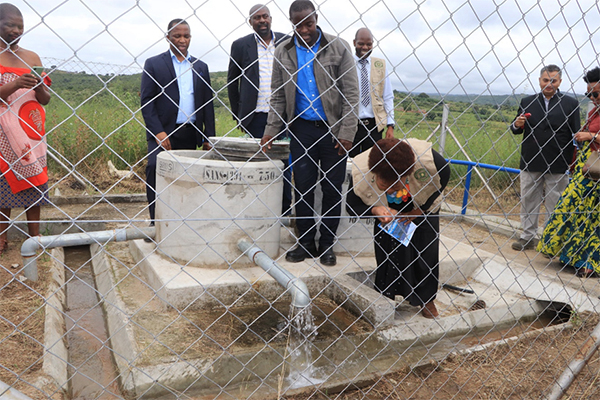
In Eswatini an IBSA Fund project established solar-powered boreholes and trained women to produce soap – improving hygiene and creating new income streams in the community. Photo: UNDP EswatiniSouth–South trust fund projects – financially managed by UNOSSC and implemented by United Nations partners – are bringing clean water and sanitation to those who need it most. The impact is tangible: communities across the Global South are gaining access to safe drinking water and dignified sanitation, improving health outcomes and economic opportunities in the process.
For example, in the drought-prone hills of northern Eswatini, 41-year-old Temhlanga Manana remembers when her family’s only water source was a distant river. “Our area is prone to droughts,” she recalls, describing how she once walked long distances to fetch water, which was often unsafe.
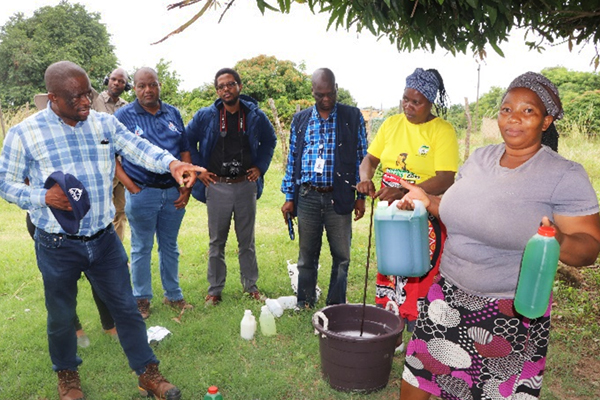
Beneficiaries of a water and sanitation IBSA-funded project in Eswatini demonstrate a soap-making initiative to project partners. Photo: UNDP
Today, thanks to an India, Brazil and South Africa (IBSA) Fund project implemented by UNDP, solar-powered boreholes now pump clean water to communal taps. Over 1,200 people from 171 households have safe water close to home, and two primary schools (serving 374 students and 23 teachers) are connected to a reliable water supply. For residents like Temhlanga Manana, this means better health and an end to what was a daily struggle to find water. “We have just started but already see the potential to grow our market beyond our town,” she says, referring to the time and energy she can now invest in her family and soap-making business.
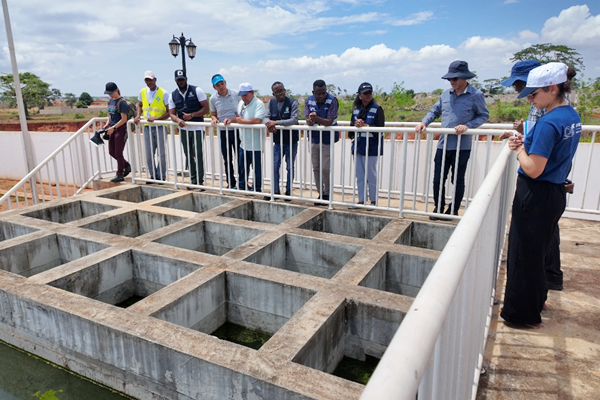
Local community members in Viana, Angola, showcase recently installed water and sanitation facilities supported by an IBSA Fund project, during an official project visit. Photo: UNICEF Angola
In the Municipality of Viana, Angola, access to water, sanitation, and hygiene (WASH) services was limited, impacting public health and quality of life. Through a South-South cooperation initiative supported by the IBSA Fund and implemented by UNICEF, a project is under implementation to enhance WASH services in the region. This initiative not only will improve access to clean water and sanitation facilities, but also set a new benchmark for WASH management in Angola. The project underscores the need for collaborative efforts in addressing critical infrastructure requirements in developing countries.
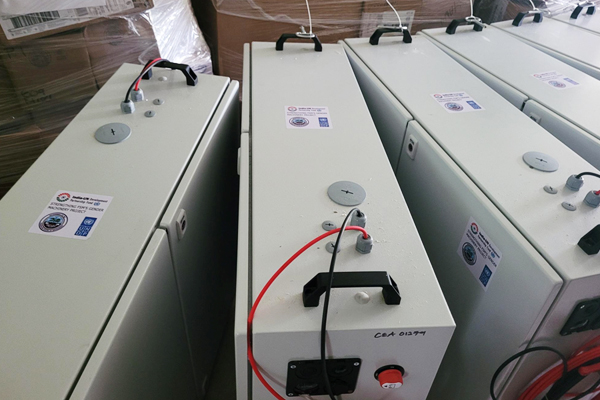
Solar-powered water purification systems, provided as part of an India-UN Development Partnership Fund project, are being deployed in the Federated States of Micronesia. Photo: UNDP
In the Federated States of Micronesia, particularly in Chuuk State, remote communities face challenges in accessing clean drinking water. To address this the India-UN Development Partnership Fund provided 15 solar water purification systems. These systems harness solar energy to purify water, providing sustainable and reliable access to safe drinking water for these communities. This initiative not only improves health outcomes but also demonstrates the potential of renewable energy solutions in addressing water scarcity.
With sustained effort and strong South-South partnerships, initiatives such as these showcase the ingenuity and determination of actors across the South toward achieving Sustainable Development Goal 6 (Clean Water and Sanitation for All).