• Home
  • /
  • News
  • /
  • G-77 and China Mark International Day of Science, Technology and Innovation for the South

G-77 and China Mark International Day of Science, Technology and Innovation for the South


The Group of 77 and China marked the second International Day of Science, Technology and Innovation (STI) for the South with a special event at United Nations Headquarters, underscoring the central role of STI in advancing sustainable development, building resilience, and addressing global challenges.

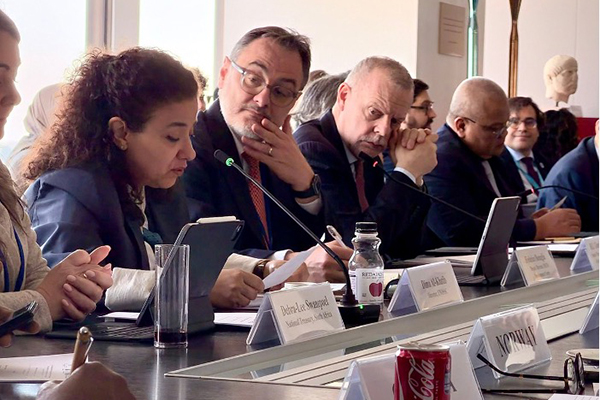
Held on 16 September 2025 at United Nations Headquarters, the event brought together Member States and partners to commemorate the international day, exchange experiences, and advance preparations for an upcoming High-Level Meeting of the UN General Assembly on STI for Development.


A Call to Action

Opening the event, the G-77 and China emphasized that the International Day is “both a commemoration and a call to action. It highlights the centrality of science, technology, and innovation in tackling the multidimensional crises facing humanity and in advancing the development priorities of the Global South.”

Delegates recalled the 2023 Havana Summit, where Heads of State and Government underscored the indispensable role of STI for economic diversification, competitiveness, resilience, and sustainable development. The Havana Declaration, they noted, not only reiterated the Group’s principled positions but also mandated concrete actions, including the convening of a High-Level Meeting on STI for Development during the 80th UNGA.

UNDP Acting Administrator Haoliang Xu noted that STI is key to achieving development breakthroughs in the Global South. He highlighted UNDP’s new Digital, AI and Innovation Hub as a platform to support countries in leveraging technology for inclusive growth, resilience, and accelerated progress toward the SDGs. Xu stressed that such initiatives help the Global South harness STI for local solutions that address pressing development challenges.

UNOSSC Director Dima Al-Khatib emphasized that the International Day is a reminder of the transformative power of STI in shaping a more equitable, resilient, and sustainable future for developing countries. She highlighted that STI, when combined with South-South and triangular cooperation, allows countries to overcome structural challenges, foster knowledge sharing, and integrate more fully into the global economy. According to Director Al-Khatib, “Science, technology and innovation, when harnessed through inclusive digital transformation, are not just tools – they are enablers of resilience, equity, and sustainable development across the Global South.”

Director Al-Khatib also noted UNOSSC’s strategic role in supporting STI through Trust Funds such as the United Nations Fund for South-South Cooperation, the Pérez-Guerrero Trust Fund (PGTF) established by the Group of 77, the IBSA Fund, and the India-UN Development Partnership Fund    , which support country-led, demand-driven projects in areas ranging from climate adaptation and renewable energy to digital inclusion and agricultural innovation. These initiatives, she said, exemplify solidarity and mutual support and contribute directly to the implementation of the 2030 Agenda and the outcomes of the Havana Summit.


Confronting Global Challenges

High-level speakers included Mr. Li Junhua, Under-Secretary-General for Economic and Social Affairs; Ms. Rebeca Grynspan, Secretary-General of UNCTAD (video statement); Dr. Carlos M. Correa, Executive Director of the South Centre (video statement); Mr. Werner Obermeyer, Director of the WHO Office at the UN; and Mr. Athanasios Giannakopoulos from the UN Dag Hammarskjöld Library.

Speakers underlined that developing countries continue to bear the brunt of overlapping crises, including climate change, geopolitical instability, food and energy insecurity, weak health and education systems, rising debt burdens, and entrenched inequalities. These factors are slowing or reversing progress toward the 2030 Agenda, leaving more than two-thirds of the Sustainable Development Goals at risk. In this context, science, technology, and innovation (STI) were highlighted as crucial drivers of productivity, competitiveness, resilience, and deeper integration of the South into the global economy. STI was also seen as indispensable for accelerating progress toward the SDGs.


Bridging the Digital Divide

Digital transformation was identified as a critical area for advancing development, with information and communication technologies viewed as essential for improving public services, stimulating economic growth, and contributing to the achievement of all SDGs. However, many developing countries still face significant obstacles, such as poor infrastructure, high connectivity costs, limited access to digital devices, and gaps in digital literacy and skills. To overcome these barriers, participants stressed the importance of investing in infrastructure, education, and policies that promote inclusive digital participation.

At the same time, the Group cautioned that unilateral coercive measures continue to undermine international cooperation by restricting access to technology and hindering the ability of developing countries to achieve sustainable and inclusive growth.


Shaping the Future

Participants also addressed the rapid pace of technological change. While innovations such as artificial intelligence, biotechnology, big data, and cloud computing present enormous opportunities to advance sustainable development, they also bring new risks. These include widening inequality, deepening structural dependency, and reducing the policy space available to developing countries.

The Group called for greater international cooperation to ensure that the benefits of these technologies are shared fairly. This includes technology transfer on preferential terms, enhanced research collaboration, and stronger capacity-building initiatives. They also emphasized the need for fair global governance frameworks for artificial intelligence and data, the development of open AI models, and the protection of digital public goods. Upholding digital sovereignty, equity, and the right to development were presented as guiding principles, with the forthcoming WSIS+20 review expected to incorporate the priorities of the South and promote people-centered digital transformation.

“The future of development is not only shaped by innovation; it is shaped by cooperation. By investing in STI ecosystems, strengthening digital infrastructure, and fostering regional knowledge exchange, countries in the Global South can leapfrog traditional development barriers and build resilience to confront climate, economic, and social shocks,” said UNOSSC Director Dima Al-Khatib said. “UNOSSC stands ready to work with all Member States, partners, and stakeholders to ensure that STI drives inclusive growth, shared prosperity, and sustainable development for the Global South.”
Related Post


  • All Post
  • ATCT Featured Publications POM
  • BAPA+40
  • Blog
  • Capacity Development Initiatives
  • CICETE Featured Publications POM
  • CIKD
  • Cities Clusters - Agriculture
  • Cities Clusters - COVID-19
  • Cities Clusters - COVID-19 Knowledge Products
  • Cities Clusters - DRR
  • Cities Clusters - E-commerce
  • Cities Clusters - Tourism
  • Cities Clusters - Tourism Knowledge Products
  • Cities Clusters - Transport
  • Cities Clusters - Waste
  • Cities Project
  • Cities Project COVID-19 Newsletters
  • Cities Project COVID-19 Response
  • Cities Project Knowledge Products
  • Classic (untouched)
  • Climate Action
  • COMSATS Featured Publications POM
  • COMSATS Featured Solutions POM
  • Converted from Divi
  • Converted from Mixed
  • Converted from WPBakery
  • COVID-19
  • COVID-19 Page Featured Solutions
  • DRR Knowledge Products
  • DRR News
  • Empty Post
  • Events
  • Featured Event UN-Habitat POM
  • Financing for Development
  • Financing Mechanisms
  • g7+
  • Gender Events
  • Gender News
  • Good Practices in SSTrC Series
  • Good Practices Publications
  • Good Practices Thematic Series & Special Editions
  • Good Practices Vol. 2
  • Good Practices Vol. 3
  • GSSDC
  • Highlighted
  • Highlighted Publications
  • IAEA Featured Solutions POM
  • IBRAF Featured Publications POM
  • IBSA Fund
  • IBSA Fund Annual Reports
  • IBSA Fund News and Stories
  • IBSA Fund Publication
  • IBSA Fund Story
  • ICGEB Featured Events POM
  • ICGEB Featured Publications POM
  • ICGEB Featured Solutions POM
  • ILO Featured Events POM
  • ILO Featured Publications POM
  • ILO Featured Solutions POM
  • India-UN Development Partnership Fund
  • India-UN Fund Publication
  • India-UN Fund Story
  • IsDB
  • IsDB Featured Publications POM
  • IsDB SCC
  • News
  • Norec Featured Publications POM
  • Norec Featured Solutions POM
  • Peace and Development
  • PGTF Publications
  • PGTF Story
  • PICA Featured News POM
  • PICA Featured Publications POM
  • PICA Featured Solutions POM
  • PIDF Featured Publications POM
  • Publications
  • Regional Updates
  • Research
  • ROK-UNOSSC Facility
  • SGP Featured Publication POM
  • SGP Featured Solutions POM
  • Solution
  • South South in Action
  • South-South Global Thinkers
  • South-South Ideas
  • South-South Ideas Series
  • South-South in Action Series
  • Southern Response to COVID-19
  • SSN4PSI Featured Publications POM
  • SSN4PSI Featured Solutions POM
  • Training
  • UN Day for SSC 2020
  • UN Fund for SSC
  • UN SSC Day Publications
  • UN-Habitat Featured Publications POM
  • UN-HABITAT Featured Solutions POM
  • UNCCT
  • UNEP Featured Publications POM
  • UNFPA
  • UNFSSC Publication
  • UNFSSC Story
  • UNIDO Featured Publications POM
  • UNIDO Featured Solutions POM
  • UNIDO POM Events
  • UNOCT Featured Publications POM
  • UNV
  • UNV Featured Publications POM
  • WB Featured Publications POM
  • WB Featured Solutions POM
  • Webinars
  • WFP Featured Events POM
  • WFP Featured Publication POM
  • WFP Featured Solutions POM
  • WIPO
  • Workshops and Seminars
  • Youth4South
  • z Across the Globe 1
  • z Across the Globe 2
  • z Across the Globe 4
  • z Across the Globe 5
  • z Across the Globe 6
  • z Across the Globe 7
  • z Across the Globe 8
  • z ES BAPA+40
  • z ES Eventos
  • z ES Noticias
  • z ES Noticias Destacadas
  • z ES Publicaciones
  • z ES Publicaciones Destacadas
  • z ES Serie Buenas Prácticas en la CSSyT
  • z ES Serie El Sur-Sur en Acción
  • z FR Actualités
  • z FR BAPA+40
  • z FR Événements
  • z FR Publications
  • z FR Publications en vedette
  • z FR Série Bonnes pratiques en CSST
  • z FR Série Sud-Sud en action
  • z Highlighted News
  • z Photos
  • z Videos
  • z ZH BAPA+40
  • z ZH Events
  • z ZH News

ABOUT

Terms of Service

Privacy Policy

Disclosures

RESOURCES

Terms of Service

Privacy Policy

Disclosures

ENGAGE

Terms of Service

Privacy Policy

Disclosures

Copyright © UNOSSC/UNDP

wpChatIcon
wpChatIcon

Alliance Application Form

Submit an Expression of Interest and/or Demand Signal. UNOSSC reviews submissions on a rolling basis.

1. Official name of organization / institution / government entity (exclusions to apply) *
2. Country *
3. Region *
4. SDG *
Secondary SDG *
5. Partner category *
6. Website *
7. Brief description of your institution (max. 150 words) *
Name for the Lead *
Title for the Lead *
Email address for the Lead *
Name for the co-lead
Title for the co-lead
Email address for the co-lead
Section 3. Expression of Interest in the Alliance *
Additional information on proposed areas of engagement may be requested through the platform following initial review by the Alliance Secretariat.
Section 4. Due Diligence and Integrity Declaration *

Submission Note:

  • Submission of this Expression of Interest form does not automatically confer participation in the Alliance.
  • All submissions will be reviewed by the Alliance Secretariat, including basic eligibility screening and proportionate due diligence, as appropriate.
  • Participation in Alliance activities is determined based on relevance to articulated cooperation needs, alignment with Alliance principles, and integrity considerations.
  • Engagement under the Alliance is voluntary, non-binding, and facilitative in nature, and does not constitute funding approval, contractual commitment, or institutional membership.
  • The Alliance Secretariat may contact submitting entities for additional information or clarification during the review process.

Submission of Demand Form

Description of Demand

Indicate the type of support or cooperation requested through the Alliance.
Please briefly describe the challenge, gap, or priority. (Max. 300 words)

Thematic and Geographic Focus

Please indicate the main focus areas of your demand:

A. Thematic Areas (select up to three)
B. Geographic Focus (select all that apply)

Proposed Engagement Modalities

Please indicate how you would like to engage through the Alliance (select all that apply):

Expected Outcomes

Please indicate the main results you seek to achieve through this engagement. (Max. 200 words)
Examples:
• Capacity strengthened
• Partnerships established
• Sectoral or regional strategies co-developed
• Solutions piloted
• Knowledge generated
• Policies informed

Timeline and Readiness (if applicable)

1. Expected timeframe for engagement:
2. Current stage:

Additional Information

Please provide any additional information, documents, or links relevant to this submission.
(Max. 200 words or upload link)

Submission of Offer Form

Description of Contribution

Indicate the type of contribution your institution can provide and describe the expertise, resources, or solutions you may offer.
Please briefly describe your proposed contribution. (Max. 300 words)

Thematic and Geographic Focus

Please indicate the main focus areas of your interest:

A. Thematic Areas (select up to three)
B. Geographic Focus (select all that apply)

Proposed Engagement Modalities

Please indicate how you would like to engage through the Alliance (select all that apply):

Expected Outcomes

Please indicate the main results you aim to achieve through this engagement. (Max. 200 words)
Examples:
• Capacity strengthened
• Partnerships established
• Sectoral or regional strategies co-developed
• Solutions piloted
• Knowledge generated
• Policies informed

Timeline and Readiness (if applicable)

1. Expected timeframe for engagement:
2. Current stage:

Additional Information

Please provide any additional information, documents, or links relevant to this submission.
(Max. 200 words or upload link)

Organization Registration

Authentication & Due Diligence This prototype simulates identity verification, due diligence confirmation, and an authentication step before submission. *

First Name *
Last Name *
Email address *
Password *
Confirm Password *
Name of institution / organization *
Country / Region *
Organization Type *
Organization other *
Function / role *
Organization logo *
Maximum file size: 1 GB

Login

Login / email *
Password *
Remember me

Forgot password?

Connect form

Your name *
Email *
Organization / institution *
Job title / role *
Reason for connecting:
Short message

Scroll to Top