• Home
  • /
  • Events
  • /
  • Targeting Hunger: SSC and TrC for Transforming Agriculture – New York, 12 Feb 2020

Targeting Hunger: SSC and TrC for Transforming Agriculture – New York, 12 Feb 2020


Background

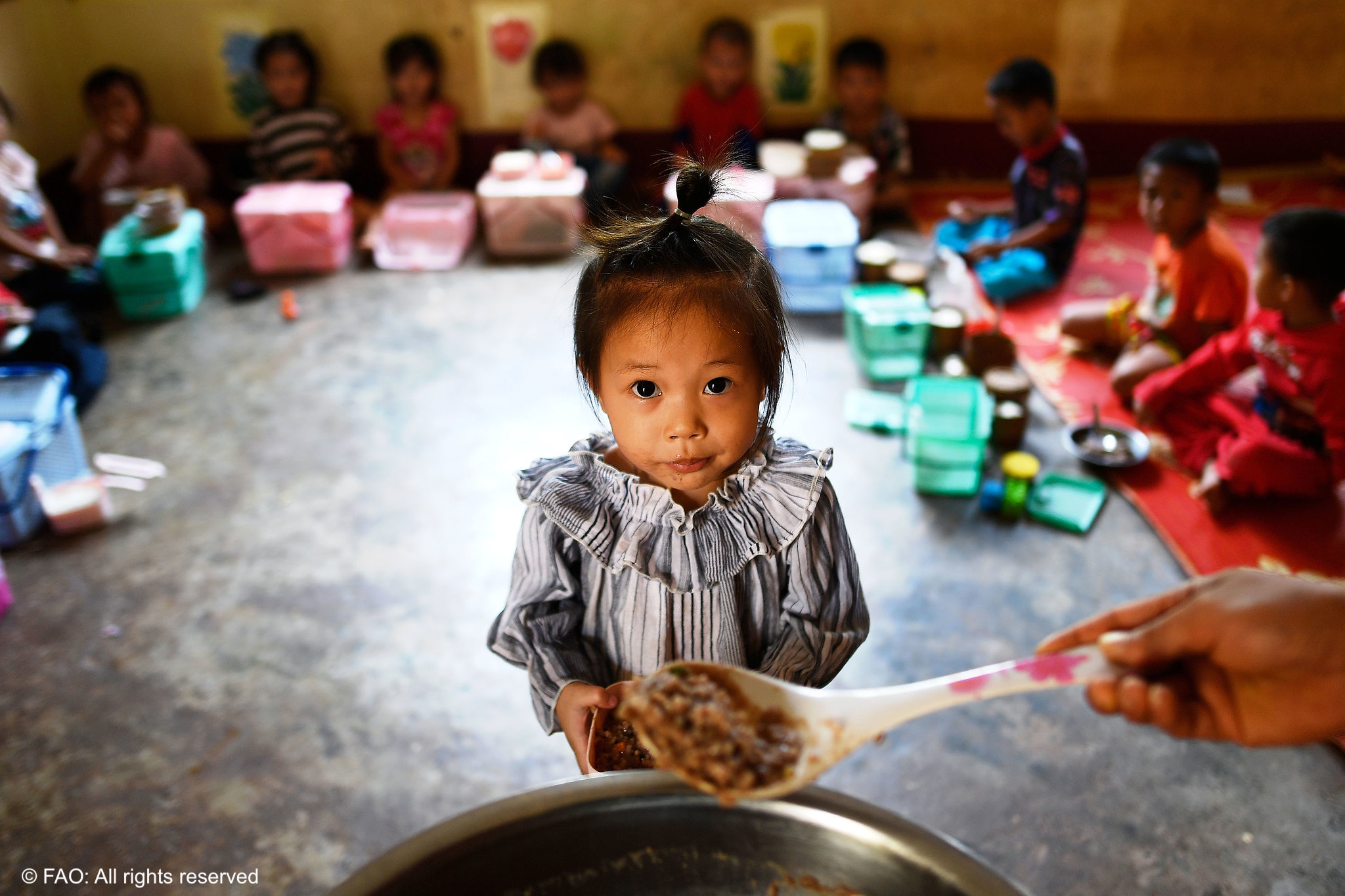
Global hunger has been rising for the 4th consecutive year. Recent figures show that over 820 million people suffer from hunger. More than 60 percent (approximately 500 million) of these 820 million people live in Asia, while another 30 percent (approximately 250 million) in Africa.

Hunger has its genesis in extreme poverty. This is reflected in the data on poverty in Sub-Saharan Africa and South Asia, two of the most impoverished and populous regions of the world.

To address the intertwined issues of poverty and hunger, South-South and Triangular cooperation in agriculture can play a key role. It can be leveraged to galvanize economic activity, create employment, improve incomes, spur innovation and stimulate self-reliance and entrepreneurship in developing countries, which are all essential ingredients for overcoming hunger in a sustainable manner.
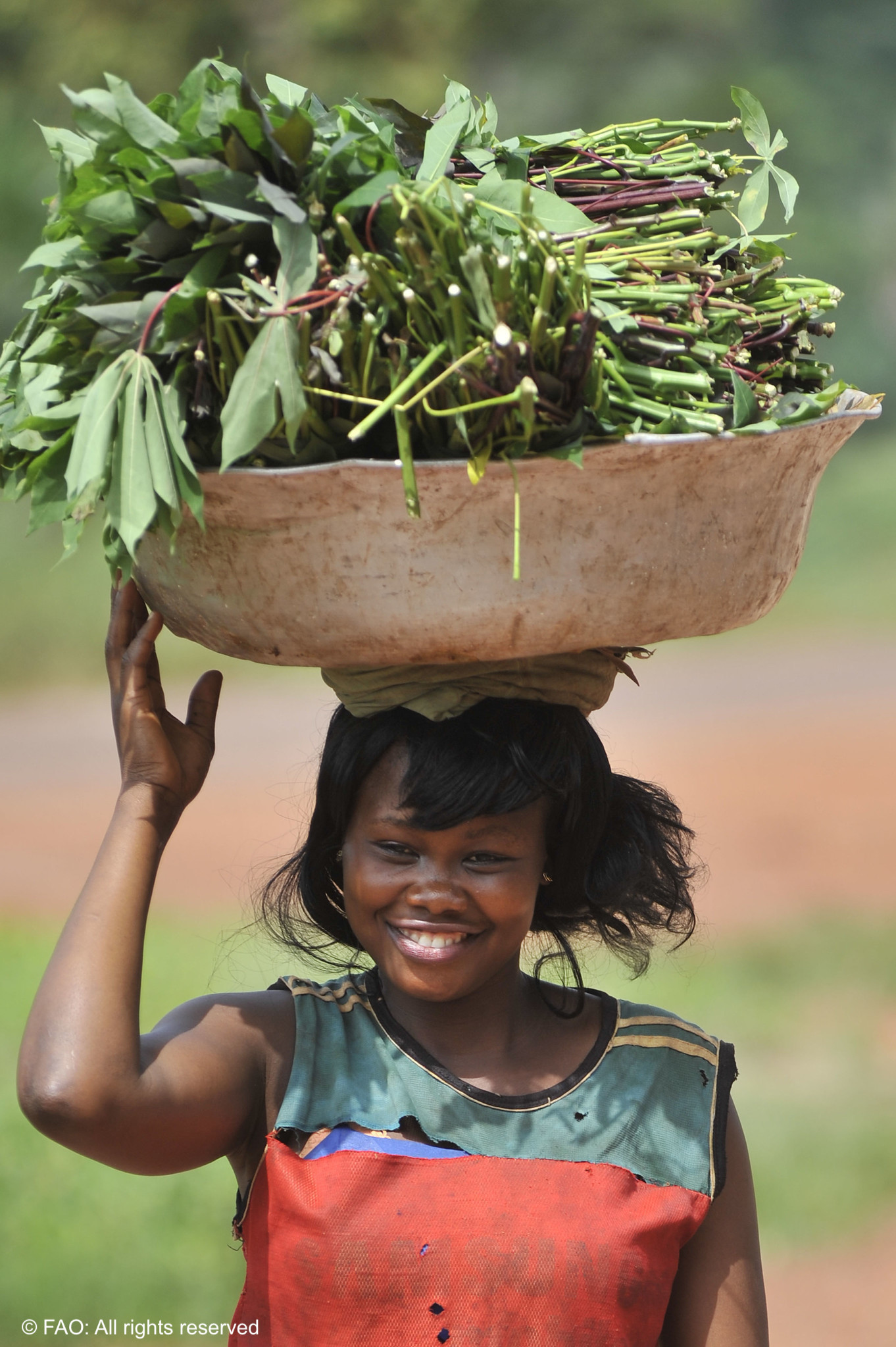
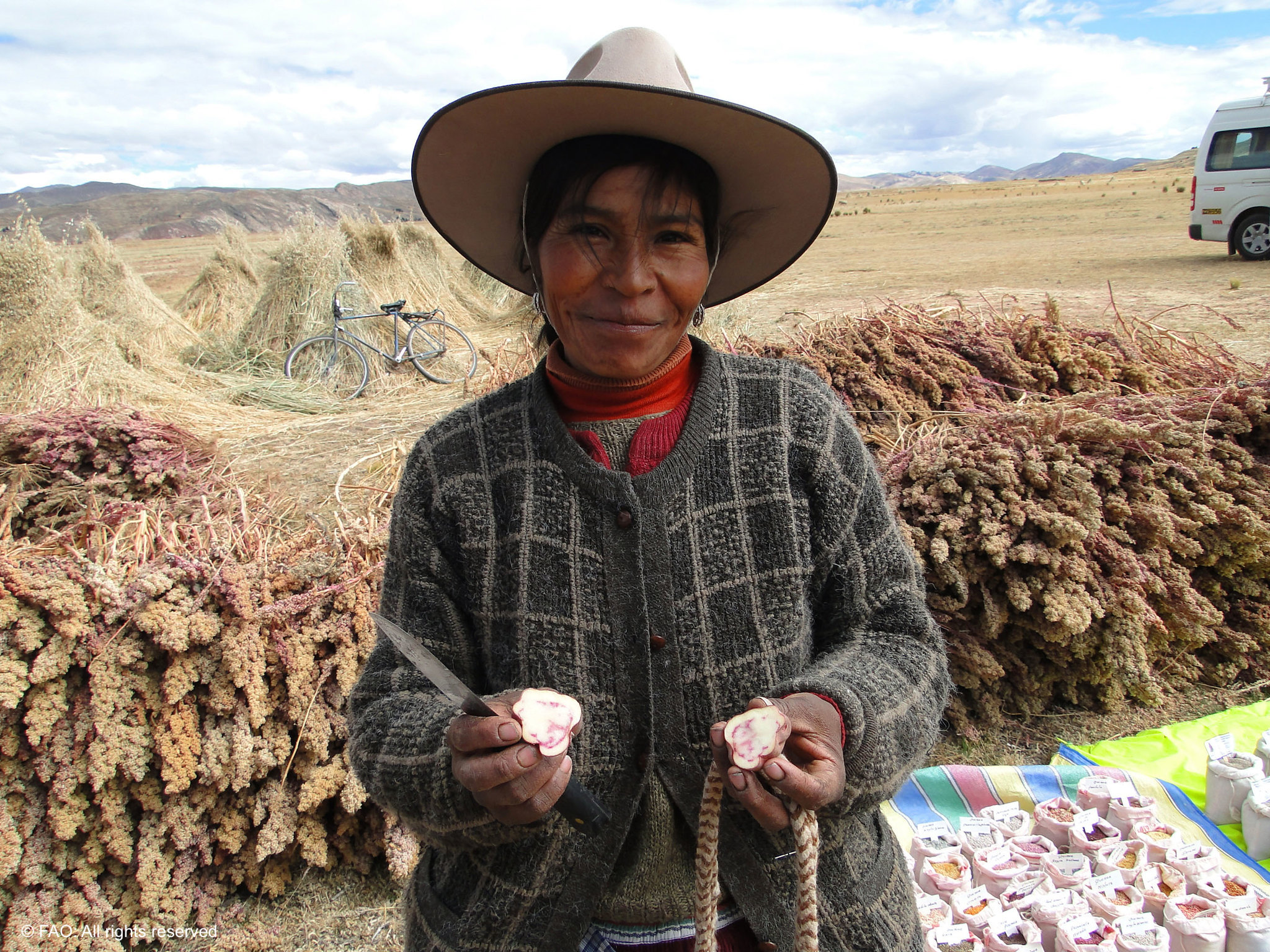
A starting point can be to facilitate knowledge sharing in support of smallholders and family farmers, who are the backbone of the agriculture sector in developing countries but remain vulnerable to hunger and malnutrition. This will also enable us to focus, inter alia, on women, who make up a substantial portion of agriculture labor force in small-scale and subsistence farming.

The policy interventions toward smallholders may concentrate on the following four areas:
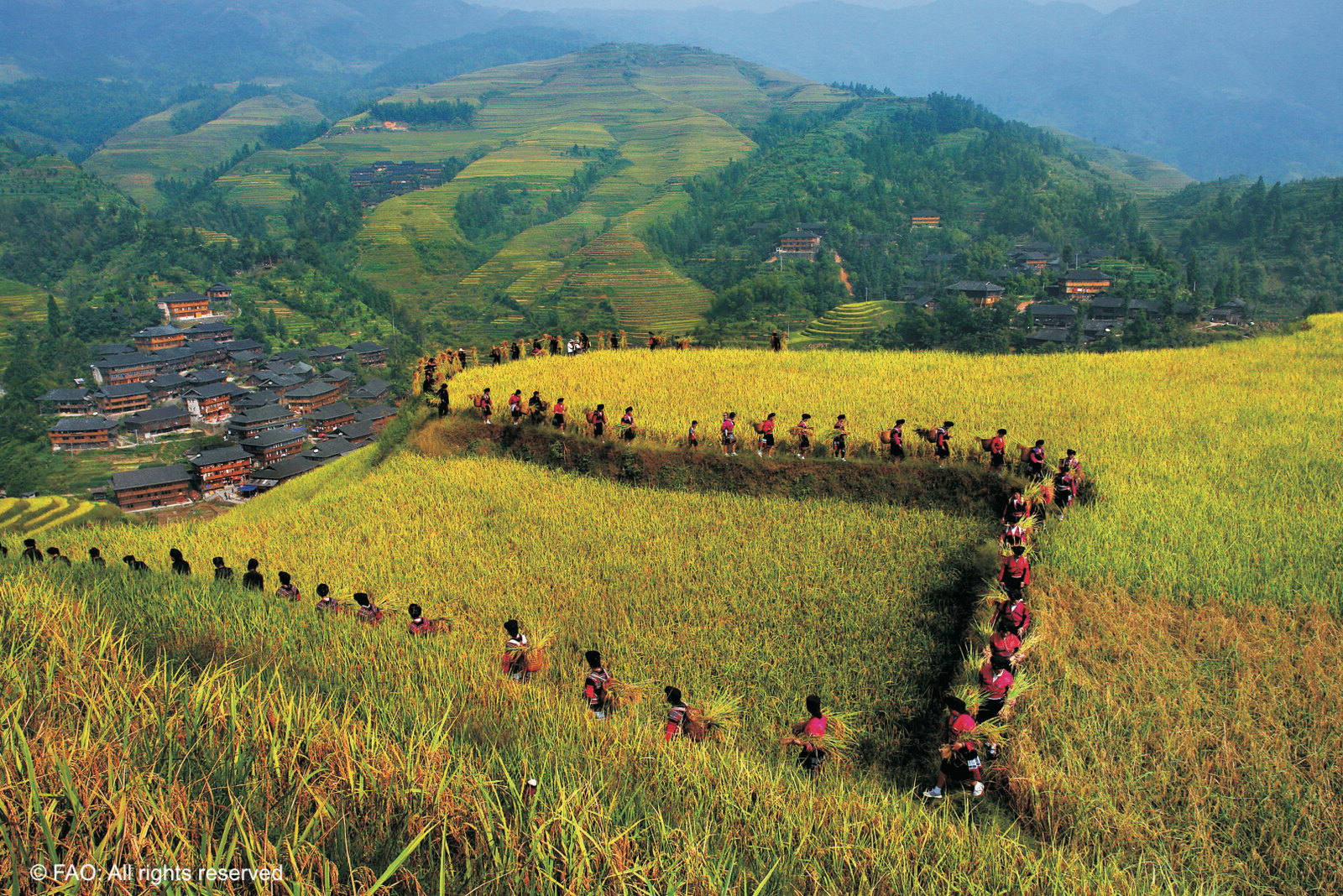
This four-dimensional strategy would feed into a “food systems approach”- a concept which encapsulates the activities, outcomes and actors involved in agriculture as well as processing, transformation, distribution, retail, marketing, regulation and consumption of food. Such a strategy would support the smallholders and family farmers and promote food security and nutrition.

But every new policy initiative requires fiscal space – an ongoing dilemma for several developing countries. This entails the need for extending greater support to these countries in their efforts to enhance efficiencies in the public expenditure; to mobilize private finance and Foreign Direct Investment (FDI); and to provide remedies to market failures. The current Official Development Assistance (ODA) in LDC’s predominantly focuses on the social sector. There is a need to allocate resources to the productive sector as well, especially as we strive to achieve SDG 2 on Zero Hunger.

South-South and Triangular cooperation can be useful vehicles to support such global endeavors. These forms of international cooperation have the potential to harness local solutions, provide support for a scale-up and propel self-reliance. If rolled out skillfully, they can help develop a regional production network in which LDCs can specialize and expand their role in specific tasks or components in the value chains of agricultural products and services. Such Regional Value Chains would be instrumental in triggering economic activity and providing a stepping-stone for smallholders to gradually establish their competitive advantage, first at the local and then at the regional level.
The growing potential of the global South is already evident: South-South trade accounts for a quarter of the global trade; FDI from Southern firms make up  one third of all FDI flows; and the growth in the Southern world accounts for half of global GDP growth. There is a  need to build on this momentum by reaching out to the “poorest of the poor” and produce more “winner countries” in the South. Indeed, wide spread progress in the South will contribute to regional as well as global peace and stability.

As we enter the decade of action and delivery of the 2030 Agenda for Sustainable Development, we need to make use of all available tools of international cooperation to achieve the target of Zero Hunger by 2030. To reiterate, South-South learning and knowledge exchange in the agriculture sector is one such tool, which should tap the existing reservoir of solidarity between the developing countries. A good deal of groundwork on this concept already exists: last year, the UN Office for South-South Cooperation (UNOSSC) published a document ‘South-South and Triangular Cooperation in Action’ which contained over 100 successful experiences of cooperation between the developing countries in different fields. The experiences included, inter alia, techniques to diversify corn products to improve health and nutrition; product labeling as a measure to end obesity; and knowledge sharing of successful strategies to reduce hunger. The publication supported the notion that, irrespective of its level of development, every country has something unique to offer.

It is important to note that the 2030 agenda as well as the Addis Ababa Action Agenda (AAAA) acknowledge the importance of South-South Cooperation. The UN Secretary General in his statement at the 2nd High-Level UN Conference on South-South cooperation also referred to the intra-south trade as an instrument for realizing the 2030 agenda. Such avenues of trade are a cornerstone of the SDGs and are part of the Zero Hunger vision of SDG2.
Interactive Dialogue with the President of the GA

The thesis presented in the paper aims to trigger a discussion on finding solutions to the issue of increasing hunger around the world. It underlines the need to learn from each other’s successes and failures. Against this background, the President of the General Assembly (PGA) will convene an interactive dialogue on 12 February 2020. The dialogue will build on the Buenos Aires outcome document of the Second High Level United Nations Conference on South-South Cooperation (BAPA+40). To recall, BAPA+40 was endorsed by the UN General Assembly through its resolution 73/291.

The document identifies agriculture, food security, nutrition and food safety as areas of mutual learning and coordination for South-South and Triangular Cooperation and emphasizes the value of leveraging these forms of international cooperation to promote sustainable agriculture and food systems. In addition, it highlights the importance of promoting national and collective self-reliance in developing countries.

Event Programme

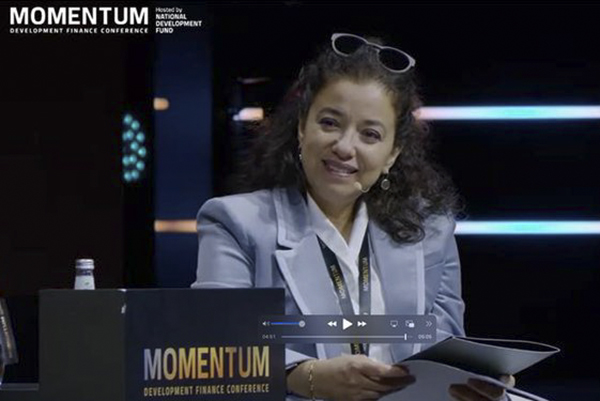
The event will be held on 12 February 2020, from 3-6 pm, in the Trusteeship Council Chamber, United Nations Headquarters, New York. There will be opening and closing sessions of 15 minutes each. The interactive dialogue will have two sessions, each lasting 1 hour and 15 minutes. The panels would comprise of policy makers, practitioners, academics, think tanks, UN entities and private sector representatives.  Each session will be moderated by a subject matter expert.

The themes of the two panel discussions will be: “Evidence-based policy making to promote sustainable agricultural development to combat hunger” and “The role of South-South and Triangular Cooperation in facilitating knowledge-sharing, knowledge-building and in leveraging investments in agriculture and food systems to combat hunger.”
Questions for the Dialogue

The discussions at the event will focus on:

  • How to make farming economically more attractive and socially more rewarding career in developing countries?
  • Which policy measures can best support small holders and family farmers?
  • What strategies can be used to implement the ‘Food System’ approach?
  • What were the key elements of successful development experiences of countries in the South to reduce hunger and malnutrition, and how can these experiences be replicated?
  • How to better leverage the existing FDI between the global North and South for agriculture development?
  • How the food system approach can facilitate sustainable agriculture in Small Island Developing States?
  • Which policy interventions can be effective to mobilize private capital toward job creation and sustainable agriculture?
  • How can we leverage digitalization to support these development efforts?
  • How to strengthen sub regional, regional and inter-regional knowledge networks, partnerships and cooperation for research and innovation.
When: 12 February 2020 – 3-6 pm

Where: Trusteeship Council Chamber, United Nations Headquarters, New York

For more information, click here.

Register here.

Related Post


  • All Post
  • ATCT Featured Publications POM
  • BAPA+40
  • Blog
  • Capacity Development Initiatives
  • CICETE Featured Publications POM
  • CIKD
  • Cities Clusters - Agriculture
  • Cities Clusters - COVID-19
  • Cities Clusters - COVID-19 Knowledge Products
  • Cities Clusters - DRR
  • Cities Clusters - E-commerce
  • Cities Clusters - Tourism
  • Cities Clusters - Tourism Knowledge Products
  • Cities Clusters - Transport
  • Cities Clusters - Waste
  • Cities Project
  • Cities Project COVID-19 Newsletters
  • Cities Project COVID-19 Response
  • Cities Project Knowledge Products
  • Classic (untouched)
  • Climate Action
  • COMSATS Featured Publications POM
  • COMSATS Featured Solutions POM
  • Converted from Divi
  • Converted from Mixed
  • Converted from WPBakery
  • COVID-19
  • COVID-19 Page Featured Solutions
  • DRR Knowledge Products
  • DRR News
  • Empty Post
  • Events
  • Featured Event UN-Habitat POM
  • Financing for Development
  • Financing Mechanisms
  • g7+
  • Gender Events
  • Gender News
  • Good Practices in SSTrC Series
  • Good Practices Publications
  • Good Practices Thematic Series & Special Editions
  • Good Practices Vol. 2
  • Good Practices Vol. 3
  • GSSDC
  • Highlighted
  • Highlighted Publications
  • IAEA Featured Solutions POM
  • IBRAF Featured Publications POM
  • IBSA Fund
  • IBSA Fund Annual Reports
  • IBSA Fund News and Stories
  • IBSA Fund Publication
  • IBSA Fund Story
  • ICGEB Featured Events POM
  • ICGEB Featured Publications POM
  • ICGEB Featured Solutions POM
  • ILO Featured Events POM
  • ILO Featured Publications POM
  • ILO Featured Solutions POM
  • India-UN Development Partnership Fund
  • India-UN Fund Publication
  • India-UN Fund Story
  • IsDB
  • IsDB Featured Publications POM
  • IsDB SCC
  • News
  • Norec Featured Publications POM
  • Norec Featured Solutions POM
  • Peace and Development
  • PGTF Publications
  • PGTF Story
  • PICA Featured News POM
  • PICA Featured Publications POM
  • PICA Featured Solutions POM
  • PIDF Featured Publications POM
  • Publications
  • Regional Updates
  • Research
  • ROK-UNOSSC Facility
  • SGP Featured Publication POM
  • SGP Featured Solutions POM
  • Solution
  • South South in Action
  • South-South Global Thinkers
  • South-South Ideas
  • South-South Ideas Series
  • South-South in Action Series
  • Southern Response to COVID-19
  • SSN4PSI Featured Publications POM
  • SSN4PSI Featured Solutions POM
  • Training
  • UN Day for SSC 2020
  • UN Fund for SSC
  • UN SSC Day Publications
  • UN-Habitat Featured Publications POM
  • UN-HABITAT Featured Solutions POM
  • UNCCT
  • UNEP Featured Publications POM
  • UNFPA
  • UNFSSC Publication
  • UNFSSC Story
  • UNIDO Featured Publications POM
  • UNIDO Featured Solutions POM
  • UNIDO POM Events
  • UNOCT Featured Publications POM
  • UNV
  • UNV Featured Publications POM
  • WB Featured Publications POM
  • WB Featured Solutions POM
  • Webinars
  • WFP Featured Events POM
  • WFP Featured Publication POM
  • WFP Featured Solutions POM
  • WIPO
  • Workshops and Seminars
  • Youth4South
  • z Across the Globe 1
  • z Across the Globe 2
  • z Across the Globe 4
  • z Across the Globe 5
  • z Across the Globe 6
  • z Across the Globe 7
  • z Across the Globe 8
  • z ES BAPA+40
  • z ES Eventos
  • z ES Noticias
  • z ES Noticias Destacadas
  • z ES Publicaciones
  • z ES Publicaciones Destacadas
  • z ES Serie Buenas Prácticas en la CSSyT
  • z ES Serie El Sur-Sur en Acción
  • z FR Actualités
  • z FR BAPA+40
  • z FR Événements
  • z FR Publications
  • z FR Publications en vedette
  • z FR Série Bonnes pratiques en CSST
  • z FR Série Sud-Sud en action
  • z Highlighted News
  • z Photos
  • z Videos
  • z ZH BAPA+40
  • z ZH Events
  • z ZH News

ABOUT

Terms of Service

Privacy Policy

Disclosures

RESOURCES

Terms of Service

Privacy Policy

Disclosures

ENGAGE

Terms of Service

Privacy Policy

Disclosures

Copyright © UNOSSC/UNDP

wpChatIcon
wpChatIcon

Alliance Application Form

Submit an Expression of Interest and/or Demand Signal. UNOSSC reviews submissions on a rolling basis.

1. Official name of organization / institution / government entity (exclusions to apply) *
2. Country *
3. Region *
4. SDG *
Secondary SDG *
5. Partner category *
6. Website *
7. Brief description of your institution (max. 150 words) *
Name for the Lead *
Title for the Lead *
Email address for the Lead *
Name for the co-lead
Title for the co-lead
Email address for the co-lead
Section 3. Expression of Interest in the Alliance *
Additional information on proposed areas of engagement may be requested through the platform following initial review by the Alliance Secretariat.
Section 4. Due Diligence and Integrity Declaration *

Submission Note:

  • Submission of this Expression of Interest form does not automatically confer participation in the Alliance.
  • All submissions will be reviewed by the Alliance Secretariat, including basic eligibility screening and proportionate due diligence, as appropriate.
  • Participation in Alliance activities is determined based on relevance to articulated cooperation needs, alignment with Alliance principles, and integrity considerations.
  • Engagement under the Alliance is voluntary, non-binding, and facilitative in nature, and does not constitute funding approval, contractual commitment, or institutional membership.
  • The Alliance Secretariat may contact submitting entities for additional information or clarification during the review process.

Submission of Demand Form

Description of Demand

Indicate the type of support or cooperation requested through the Alliance.
Please briefly describe the challenge, gap, or priority. (Max. 300 words)

Thematic and Geographic Focus

Please indicate the main focus areas of your demand:

A. Thematic Areas (select up to three)
B. Geographic Focus (select all that apply)

Proposed Engagement Modalities

Please indicate how you would like to engage through the Alliance (select all that apply):

Expected Outcomes

Please indicate the main results you seek to achieve through this engagement. (Max. 200 words)
Examples:
• Capacity strengthened
• Partnerships established
• Sectoral or regional strategies co-developed
• Solutions piloted
• Knowledge generated
• Policies informed

Timeline and Readiness (if applicable)

1. Expected timeframe for engagement:
2. Current stage:

Additional Information

Please provide any additional information, documents, or links relevant to this submission.
(Max. 200 words or upload link)

Submission of Offer Form

Description of Contribution

Indicate the type of contribution your institution can provide and describe the expertise, resources, or solutions you may offer.
Please briefly describe your proposed contribution. (Max. 300 words)

Thematic and Geographic Focus

Please indicate the main focus areas of your interest:

A. Thematic Areas (select up to three)
B. Geographic Focus (select all that apply)

Proposed Engagement Modalities

Please indicate how you would like to engage through the Alliance (select all that apply):

Expected Outcomes

Please indicate the main results you aim to achieve through this engagement. (Max. 200 words)
Examples:
• Capacity strengthened
• Partnerships established
• Sectoral or regional strategies co-developed
• Solutions piloted
• Knowledge generated
• Policies informed

Timeline and Readiness (if applicable)

1. Expected timeframe for engagement:
2. Current stage:

Additional Information

Please provide any additional information, documents, or links relevant to this submission.
(Max. 200 words or upload link)

Organization Registration

Authentication & Due Diligence This prototype simulates identity verification, due diligence confirmation, and an authentication step before submission. *

First Name *
Last Name *
Email address *
Password *
Confirm Password *
Name of institution / organization *
Country / Region *
Organization Type *
Organization other *
Function / role *
Organization logo *
Maximum file size: 1 GB

Login

Login / email *
Password *
Remember me

Forgot password?

Connect form

Your name *
Email *
Organization / institution *
Job title / role *
Reason for connecting:
Short message

Scroll to Top