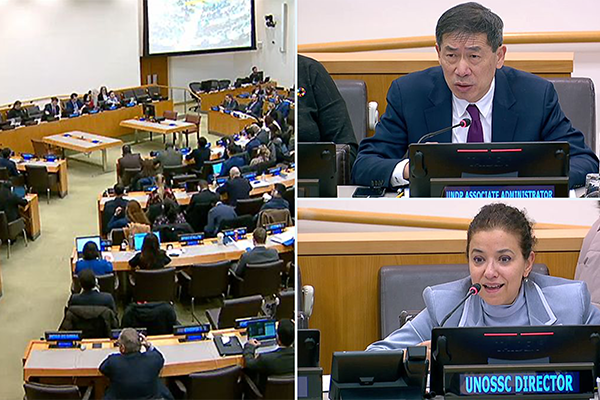
The United Nations Office for South-South Cooperation (UNOSSC) presented its Strategic Framework 2026-2029 (DP/CF/SSC/8) to the First Regular Session of the UNDP/UNFPA/UNOPS Executive Board on 5 February, outlining a forward-looking roadmap to accelerate sustainable development through South-South and triangular cooperation.
Presenting the Framework, UNOSSC Director Dima Al-Khatib underscored that South-South and triangular cooperation continue to gain prominence as complementary and catalytic modalities for how development solutions are generated, financed and scaled. Anchored firmly in Member States’ priorities, these modalities are increasingly recognized as important contributors to Sustainable Development Goal (SDG) progress – particularly for Least Developed Countries (LDCs), Landlocked Developing Countries (LLDCs), Small Island Developing States (SIDS) and Middle-income Countries (MICs).
She emphasized that the new Strategic Framework reaffirms UNOSSC’s UN-mandated global focal point function, strengthens alignment with ongoing UN reform efforts, and positions South-South and triangular cooperation as key enablers of effective and coordinated SDG implementation. The Framework builds on intergovernmental mandates, including BAPA+40 and General Assembly resolutions, while aligning with an upcoming new UN System-wide Strategy on South-South and Triangular Cooperation 2026-2029.
UNDP Associate Administrator, Haoliang Xu, welcomed the presentation and reaffirmed that South-South and triangular cooperation play an important and complementary role in today’s development landscape. He highlighted the strong foundation established under the 2022-2025 Strategic Framework, and recognized UNOSSC’s growing global impact. He further emphasized that the new Framework aligns closely with UN reform priorities and reiterated UNDP’s commitment to continue hosting and financing UNOSSC, ensuring coherent and catalytic delivery across the UN system.
A Strategic Vision for a Changing Development Landscape
The Strategic Framework 2026-2029 is grounded in the evolving realities of global development. Countries of the South are expanding their economic influence, deepening regional value chains, advancing digital innovation and increasingly serving as both providers and recipients of development finance, knowledge and technology. Digital public infrastructure, fintech, satellite applications and data-driven services across the Global South are unlocking new pathways for inclusion, productivity and innovation.
In this context, UNOSSC’s overarching vision to further institutionalize and scale South-South and triangular cooperation as central pillars of sustainable development acceleration. The Framework aims to strengthen the leadership of countries of the South in shaping and delivering development solutions that are demand-driven, country-owned and results-oriented, in full respect of national sovereignty and development priorities.
Four Catalytic Service Roles
Reflecting UNOSSC’s comparative advantage and system-wide mandate, the Strategic Framework defines four mutually reinforcing service roles:
- Global focal point and impartial convener, integrating South-South and triangular cooperation into UN system strategies, intergovernmental processes and SDG frameworks.
- Alliance hub and strategic manager, establishing a voluntary, multi-stakeholder Alliance for South-South and triangular cooperation to co-create, adapt and scale country-owned solutions.
- Thought leader, innovation catalyst and knowledge broker, strengthening UNOSSC’s role as a global knowledge hub leveraging digital tools and artificial intelligence to transform data into actionable insight.
- Catalytic finance and resource innovator, mobilizing innovative financing mechanisms – including blended finance and triangular modalities – while ensuring sound management of the United Nations Fund for South-South Cooperation; Pérez-Guerrero Trust Fund for South-South Cooperation (PGTF); India, Brazil and South Africa Facility for Poverty and Hunger Alleviation (IBSA Fund); and India-UN Development Partnership Fund to maximize catalytic impact, in line with established governance arrangements and fiduciary standards.
These roles are designed to enhance institutional coherence, strengthen Secretariat support to the High-level Committee on South-South Cooperation, and equip Member States with the partnerships, knowledge and financing needed to adopt, adapt and scale Southern-led solutions.
Broad Support from Member States
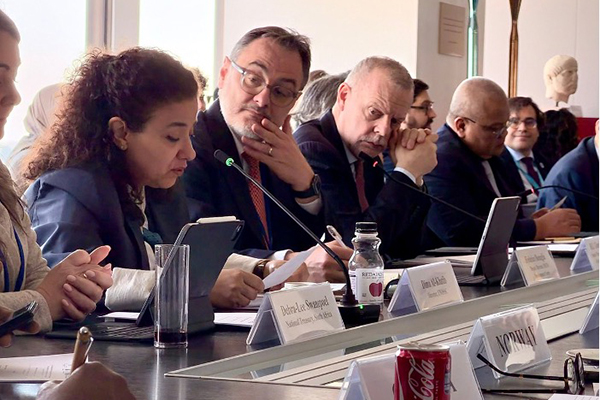
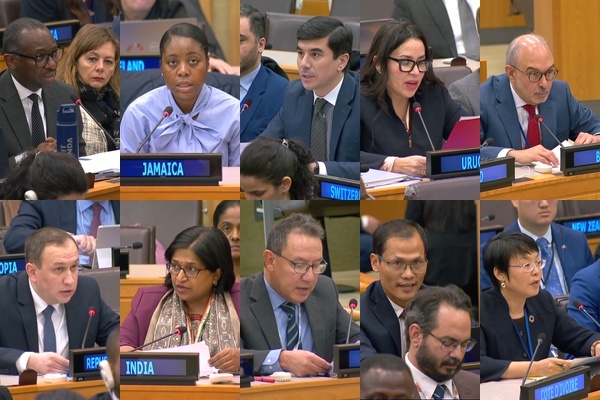
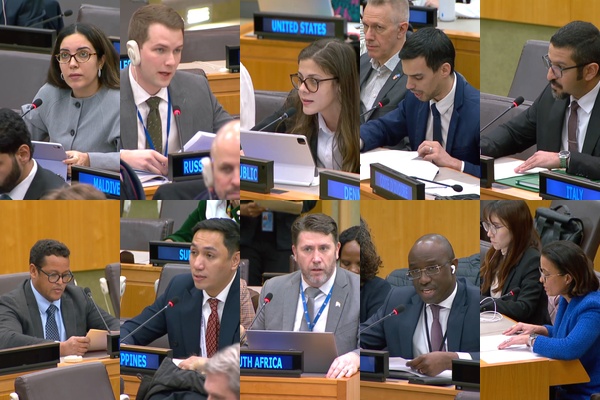
During the Executive Board’s consideration, delegations from across regional groups expressed strong political backing for South-South and triangular cooperation and reaffirmed UNOSSC’s mandated role as the UN system’s institutional focal point.
Many welcomed the inclusive consultation process underpinning the Framework and its emphasis on partnerships, knowledge-sharing, technology transfer and measurable results. Several delegations underscored the importance of triangular cooperation, innovative platforms and strengthened monitoring and evaluation systems to accelerate SDG delivery. Support was also voiced for the proposed voluntary Global Alliance for South-South and Triangular Cooperation as a multistakeholder platform to scale peer solutions and mobilize diverse stakeholders.
Interventions highlighted the continued relevance of South-South and triangular cooperation for addressing structural vulnerabilities, climate action, water and energy security, digital transformation and green transitions. Delegations also emphasized the catalytic value of UNOSSC’s convening power and its role in connecting demand and supply across the cooperation ecosystem.
A number of delegations emphasized the importance of predictable and sustainable financing to safeguard UNOSSC’s ability to fulfill its mandate effectively. At the same time, several Member States supported the strategic repositioning of UNOSSC to enhance efficiency, accountability and system-wide coherence, while welcoming assurances that core functions – including trust fund management – would be maintained.
Investing in Institutional Resilience
The presentation of the Strategic Framework 2026-2029 marks a pivotal moment in positioning South-South and triangular cooperation as principal drivers of SDG acceleration. Mandate-driven, system-wide and results-focused, the Framework leverages digital transformation, innovative finance and multi-stakeholder partnerships to scale Southern-led solutions.
As deliberations concluded, Member States took note of the new Framework, while reaffirming their commitment to ensuring that South-South and triangular cooperation continue to translate into measurable, inclusive and sustainable development outcomes. UNOSSC stands ready to strengthen Southern leadership, deepen multilateral solidarity and deliver on its mandate to promote, coordinate and support South-South and triangular cooperation globally and within the United Nations system.
Watch the UNTV coverage
UN Journal
Read the full statement of the UNOSSC Director
Read the full statement of the UNDP Associate Administrator
The Executive Board of UNDP, UNFPA and UNOPS is made up of representatives from 36 countries around the world who serve on a rotating basis. Through its Bureau, consisting of representatives from five regional groups, the Board oversees and supports the activities of UNDP, UNFPA and UNOPS, ensuring that the organizations remain responsive to the evolving needs of programme countries.
(END)